Do Car Insurance Quotes Change Daily: Essential Truths
Do car insurance quotes change daily? Yes, they can, and it’s usually due to fluctuating market trends, your updated personal information, or specific policy adjustments. Understanding these factors helps you snag the best rates.
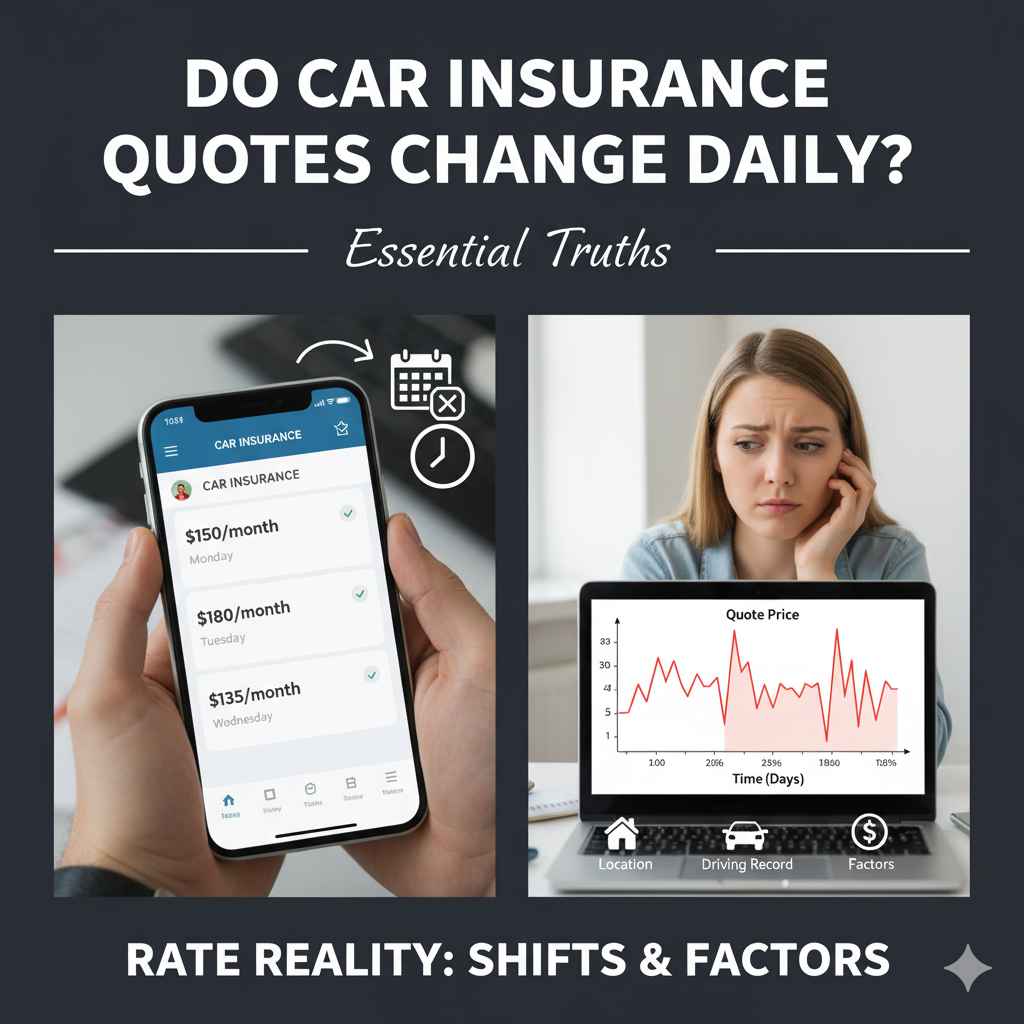
Ever stared at your car insurance quote on Monday, only to see a different number on Wednesday? It’s a common, and frankly, a bit frustrating experience. You’re looking for the best deal to protect your car, and then the price seems to shift like sand. But don’t worry! This change isn’t usually a mystery or a trick. There are solid reasons why car insurance quotes aren’t set in stone. In this guide, we’ll break down exactly why this happens, what influences these changes, and how you can make sure you’re always getting the most accurate and affordable quote possible. Let’s get those numbers making sense!
Why Car Insurance Quotes Can Be So Fickle
Understanding why your insurance quote might change is the first step to feeling confident about your car insurance. It’s not about random fluctuations; it’s about several factors that insurers constantly monitor. Think of it like the weather – it can change, but there are reasons behind it! Let’s explore the key players that influence those numbers.
1. The Dynamic World of Insurance Pricing
Insurance companies are businesses, and like any business, they need to adapt to changing market conditions. Several external factors can nudge those prices around, sometimes even on a daily basis.
- Economic Fluctuations: When the economy takes a turn, it can affect everything, including car insurance. Inflation, changes in the cost of car repairs, and even the price of medical care can all play a role. If repair costs go up, insurers might adjust their rates to cover those potential expenses.
- Trends in Accidents & Claims: Insurance companies look at the overall picture of accidents and claims in specific areas and across the country. If there’s an increase in car thefts or accidents in your neighborhood, for instance, rates in that area might rise. This is based on collective data, and these trends can shift fairly quickly.
- Seasonal Factors: Believe it or not, seasons can sometimes influence quotes. For example, in areas prone to severe weather like snowstorms or hurricanes, insurance rates might see slight adjustments as those seasons approach, reflecting increased risk.
- Regulatory Changes: Government regulations and state laws regarding insurance can change. When these laws are updated, insurance providers have to adjust their pricing models to comply, which can lead to quote variations. The National Association of Insurance Commissioners (NAIC) provides resources on insurance regulation across states.
2. Your Personal Driving Profile: A Moving Target
What’s happening in your life can also directly impact your car insurance quote. Insurers are constantly assessing your individual risk, and any changes to that assessment can alter your premium.
- Changes in Your Driving Record: The most significant factor here is accidents or traffic tickets. If you get a speeding ticket or are involved in an at-fault accident, your driving record changes. Insurers will likely see this as increased risk, which will usually lead to a higher premium. Conversely, maintaining a clean driving record for an extended period can sometimes lead to better rates, though this is more of a gradual change than a daily one.
- Updates to Your Personal Information: Did you move? Get married? Change jobs? Even small updates to your personal details can influence your quote. For example, moving to a new ZIP code can affect your rate because different areas have different risk factors. A change in marital status or a new job might also be considered by some insurers.
- Your Vehicle Details: If you’ve recently bought a new car, changed your vehicle’s usage (e.g., from leisure to commuting), or made significant modifications, your insurance quote needs to be updated to reflect these changes.
- Credit Score Fluctuations (in most states): In many states, your credit-based insurance score is a factor in determining your premium. If your credit score changes, and your insurer checks it, your rate could be affected. According to the NAIC, credit-based insurance scores help predict the likelihood of a policyholder filing a claim.
3. Policy Specifics and Coverage Adjustments
The actual insurance policy you’re considering or currently hold also plays a big part. Changes here are often driven by your choices, but sometimes by insurer-initiated updates.
- Changes in Coverage Levels: If you decide you want higher liability limits, a lower deductible, or add optional coverages like roadside assistance or rental car reimbursement, your premium will naturally go up. This is a direct reflection of the increased protection you’re purchasing.
- Discounts Applied (or Removed): Insurers often have a wide array of discounts (e.g., low mileage, good student, multi-policy, safety features). If you recently qualified for a new discount, your quote should decrease. However, if a discount expires or you no longer meet the criteria (like a student graduating), the quote could increase.
- Changes in Deductible: Your deductible is the amount you pay out-of-pocket before insurance kicks in for comprehensive or collision claims. If you choose a lower deductible, your premium will be higher because the insurer takes on more risk. The opposite is true for a higher deductible.
- Insurance Company’s Own Pricing Updates: Insurers regularly review their pricing algorithms and financial performance. They might implement broad rate changes across their customer base or for specific demographics if their actuarial data suggests it’s necessary. These updates aren’t always tied to your personal situation but to the company’s overall financial health and risk assessment.
How to Navigate Daily Quote Changes and Get the Best Deal
Knowing why quotes change is empowering! Now, let’s talk about how you can work with this dynamic environment to your advantage and ensure you’re getting the best possible rate. It’s all about being informed and proactive.
1. Get Quotes at the Right Time
Timing can be everything. Are you shopping for insurance for the first time, or is your renewal coming up?
- Normal Shopping vs. Renewal: Quotes generated when you’re actively shopping for new insurance are generally the most current and reflective of market prices. If your renewal is coming up, the quote provided might be based on slightly older data or reflect a recent rate change from your current insurer.
- Consider Weekly or Monthly Checks: While you don’t need to get a new quote every single day, checking every few weeks or once a month, especially if you’re in the market for a new policy, can help you spot significant shifts or find better deals.
2. Understand What “Today’s” Quote Means
When you receive a quote, it’s a snapshot of your insurance cost at that precise moment. It’s based on the information you provided and the insurer’s current pricing model.
- Quote Validity: Most quotes are valid for a specific period, often 30 days. Insurers usually state how long their quote is guaranteed for. If you wait too long, the quote might expire, and you’ll need to get a new one, which could be higher or lower.
- Binding vs. Quoting: A quote is an estimate. Binding your policy is when you agree to the terms, pay the premium, and your insurance coverage officially begins. The price is locked in once the policy is bound, but until then, it’s subject to change.
3. Be Prepared with Your Information
To get the most accurate quotes and minimize the chances of them changing unexpectedly after you’ve agreed to them, have all your details ready.
- Vehicle Information: Make, model, year, VIN (Vehicle Identification Number), safety features, anti-theft devices.
- Driver Information: Full names, dates of birth, driver’s license numbers, driving history (accidents, tickets), approximate annual mileage.
- Current Policy Details: Details of your existing insurance, including coverage levels and deductibles.
- Address History: Where you’ve lived for the past few years.
4. Shop Around Extensively
This is perhaps the most crucial advice. Don’t just stick with one insurer. Different companies weigh factors differently and have varied pricing structures.
- Compare Apples to Apples: When comparing quotes, make sure you are looking at the exact same coverage levels and deductibles. A cheaper quote with less coverage isn’t actually a better deal.
- Use Online Comparison Tools: Websites that allow you to compare quotes from multiple insurers at once can be incredibly helpful. However, always verify the final quote directly with the insurance company.
- Consider Different Types of Insurers: Look at national companies, regional insurers, and even consider working with an independent insurance agent who can shop around for you across many different providers.
5. Maintain a Good Driving Record and Manage Your Credit
These are long-term strategies that pay off.
- Drive Safely: Avoiding accidents and tickets is the single best way to keep your premiums as low as possible over time. Defensive driving courses can sometimes help reduce rates and improve your driving skills.
- Monitor Your Credit: In states where credit scores affect insurance rates, keeping your credit in good shape by paying bills on time and reducing debt can lead to better insurance premiums. You can get free credit reports annually from each of the three major credit bureaus via AnnualCreditReport.com.
6. Ask About and Maximize Discounts
Never assume you’re getting all the discounts you’re eligible for.
- Common Discounts: Bundle your auto and home insurance, low mileage, safe driver, good student, young driver training, vehicle safety features (airbags, anti-lock brakes), anti-theft devices.
- Inquire Regularly: Ask your insurer if there are any new discounts available or if you now qualify for any you weren’t eligible for before.
Factors Influencing Daily Quote Variations
To give you a clearer picture of what might cause those numbers to dance, here’s a look at some common factors. Even small shifts in these can lead to a different quote when you check again.
| Factor Category | Specific Examples Impacting Quotes Daily/Frequently | Why It Changes |
|---|---|---|
| Market & Economic Shifts | Changes in repair costs (parts/labor) | Supply chain issues, inflation. Insurers adjust to cover potential payout increases. |
| Fuel price volatility | Less direct, but can influence vehicle usage patterns tracked by some insurers. | |
| Legal/Regulatory Updates | New state laws or court rulings affecting liability or claims. | |
| Weather Pattern Forecasts | Increased risk during storm seasons can subtly influence pricing models. | |
| Your Personal Profile Updates | Recent change in address (even temporary) | Geographic risk factors (crime, traffic) vary significantly by location. |
| New violation on driving record | Instantaneous increase in perceived risk. | |
| Recent vehicle purchase/sale | New vehicle may have different safety ratings, repair costs, or theft risk. | |
| Credit Score Changes (if applicable) | Even minor shifts can trigger re-evaluation if insurers pull your score. | |
| Policy & Insurer Adjustments | Changes in specific discount availability | Insurer may update discount structures or eligibility criteria. |
| Day-to-day fluctuations in insurer’s risk models | Sophisticated algorithms are constantly processing data. | |
| Temporary promotional rates | Insurer may run limited-time offers that expire. |
Real-World Scenarios: When Quotes Changed
Let’s imagine a couple of simple scenarios to illustrate how these daily changes can occur. These aren’t complex legal cases, just everyday situations.
-
Scenario 1: The New Commute
Sarah lived in a small town and rarely drove her car, using it only for weekend errands. She got a quote for her insurance based on low mileage. A month later, she started a new job that required a 30-mile commute each way. When she went to get a new quote a few weeks into her new job, the price was notably higher because her annual mileage had tripled, significantly increasing her risk profile from the insurer’s perspective. -
Scenario 2: The Ticket Trouble
Mark was driving carefully, and his insurance rate had been stable for years. One Tuesday, he was caught speeding and received a ticket. He decided to check his car insurance rates online that Friday, just out of curiosity. His quote was now higher than it was on Monday. The insurance company’s system, which might re-evaluate risk factors more frequently or upon renewal checks, had already factored in the new point on his license and the increased risk associated with a speeding violation. -
Scenario 3: The Discount Disappearing Act
While not always daily, sometimes discount eligibility changes. For instance, a student who was getting a “good student” discount might no longer qualify if their grades slip after a semester. If they were to check for car insurance quotes shortly after their report card came out, and their insurer factored this in, the quote could increase. More commonly, a temporary insurer promotion offering a 10% discount might end, leading to a price jump for new quotes on that specific insurer’s policies.
These examples highlight how specific events and changes in your situation, or even market adjustments, can cause quoted prices to shift. It’s a good reminder to keep your insurer updated on any significant changes in your life and to regularly re-evaluate your policy.
Frequently Asked Questions About Car Insurance Quotes
Let’s tackle some common questions you might have about why your car insurance quotes seem to change.
Can my car insurance quote change even if I haven’t done anything?
Yes, it can. Market conditions, economic factors, changes in accident rates in your area, or even your insurance company’s own pricing adjustments can cause quotes to fluctuate even if your personal driving record and vehicle remain the same.
How long is a car insurance quote usually valid for?
Most car insurance quotes are valid for about 30 days. However, this can vary by company. It’s always best to check the expiration date provided with your quote before you decide to purchase.
Is it possible for my car insurance quote to go down on its own?
It’s less common for a quote to go down significantly on its own without a specific change on your end, like qualifying for a new discount. However, if market conditions improve for insurers, or if you’ve maintained a perfect driving record for a long time and your insurer re-evaluates your risk favorably, a future quote might be lower.
Should I get a new quote every time I check?
You don’t need to get a quote every single day. However, if you’re shopping for new insurance, it’s wise to check periodically over a few weeks. If you notice a significant change in your circumstances (like a new address or a ticket), get a fresh quote immediately.
What’s the difference between a quote and actual insurance price?
A quote is an estimate of what your insurance will cost based on the information you provide and the insurer’s current rates. The actual price is what you pay after you agree to the policy terms, pay your premium, and the policy is ‘bound’ or activated. The price can change between quoting and binding if there are changes in your information or the insurer’s rates.
If I get a quote today and buy the policy next week, will the price be the same?
The price is usually the same if the quote is still valid and no information about you or insurance rates has changed significantly. However, the insurer reserves the right to adjust prices based on updated information or market shifts even within the quote validity period. It’s always best to lock in your policy soon after getting a favorable quote.
Are there states where car insurance quotes change more frequently?
Due to variations in regulations, market competition, and risk factors, some states might see more frequent quote fluctuations than others. States with highly competitive insurance markets or those that have seen recent major weather events or economic shifts might experience more dynamic pricing.
Conclusion
It’s completely normal for car insurance quotes to change. We’ve seen that these shifts aren’t random acts but are driven by a mix of economic trends, your personal driving and life updates, and the insurer’s own pricing strategies. While the idea of a fluctuating price can be a bit unsettling, understanding these underlying reasons gives you the power to navigate the insurance market with confidence.