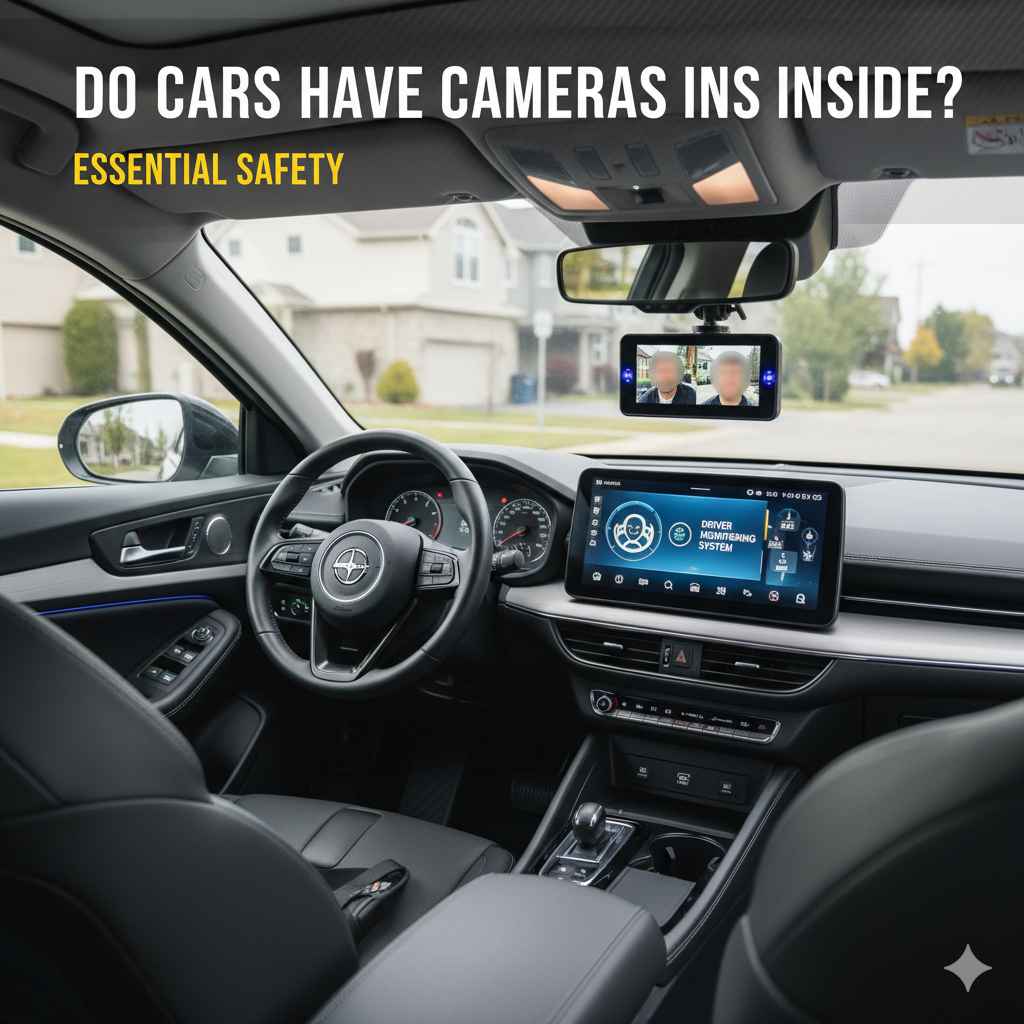
Do Cars Have Cameras Inside: Essential Safety
Do cars have cameras inside? Yes, increasingly. Modern cars often feature interior cameras for advanced safety and convenience, like driver monitoring systems (detecting drowsiness or distraction) and cabin recording for events. These help enhance your driving experience and peace of mind.
Ever wondered if your car is watching you? With all the tech packed into today’s vehicles, it’s a fair question! You might see new features popping up that sound a bit futuristic, like your car paying attention to where you’re looking or even capturing footage. These innovations are all about making your drive safer and more comfortable. It can feel a bit confusing with all the new gizmos, but don’t worry! We’re going to break down exactly what cameras are being used inside your car, why they’re there, and how they work in simple terms. Get ready to understand the tech that’s making your car smarter and safer.
Understanding Cameras Inside Your Car
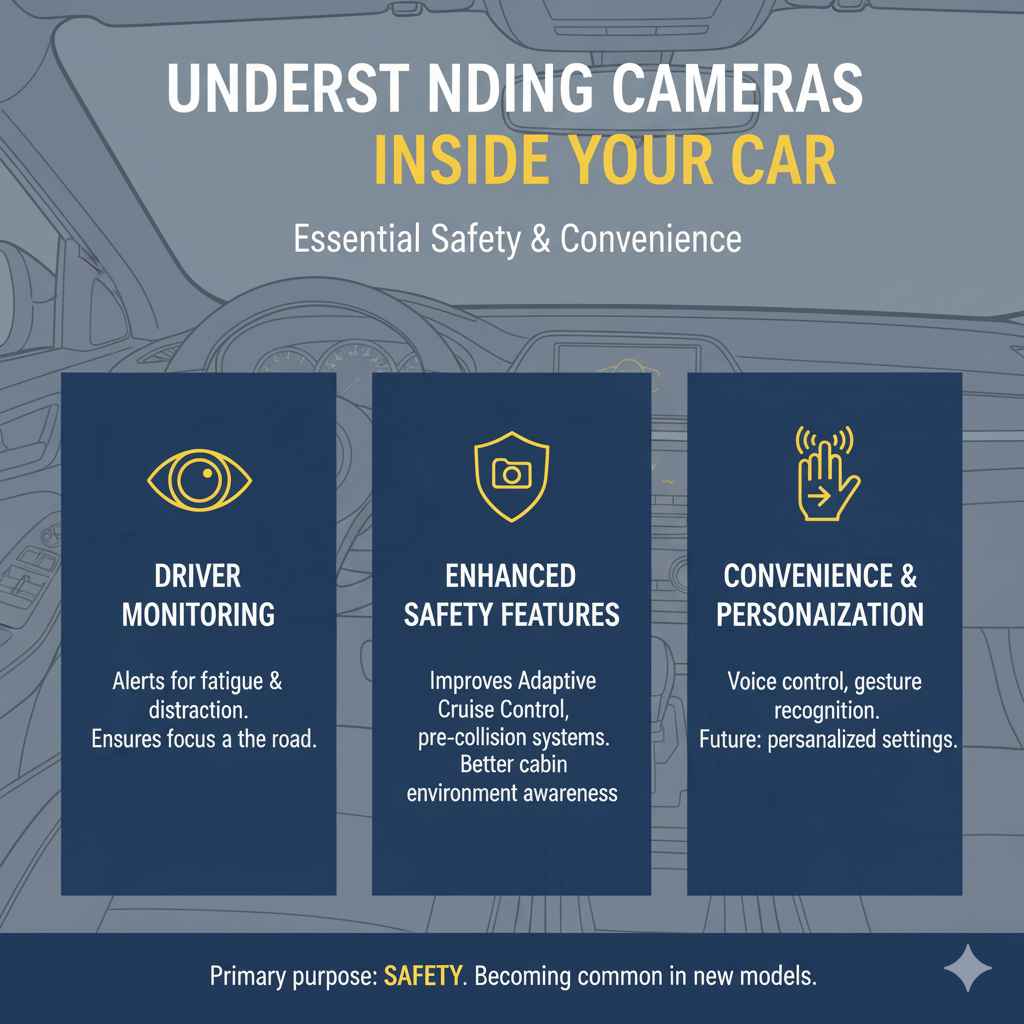
The short answer is, yes, many new cars do have cameras inside the cabin. But before you picture a surveillance system, let’s clarify their primary purpose: safety and convenience. These aren’t for spying on your passengers or recording your road trip memories (though some advanced systems can do that). Instead, they’re designed to work diligently in the background, helping to protect you and make driving easier.
Think of them as tiny, vigilant assistants. Their main jobs involve:
Monitoring the Driver: Alerting you if you seem too tired or distracted.
Enhancing Safety Features: Helping systems like adaptive cruise control understand the cabin environment better.
Convenience: Features like voice control or gesture recognition.
It’s important to know that automotive technology is always evolving. While not every car on the road today has interior cameras, their presence is becoming much more common, especially in newer models and higher trim levels.
Why Do Cars Have Cameras Inside? Essential Safety Features Explained
The primary reason car manufacturers are installing cameras inside the vehicle is to boost safety. These cameras are linked to sophisticated computer systems that can analyze what they see and make crucial decisions or alerts.
Here are the main safety applications:
1. Driver Monitoring Systems (DMS)
This is one of the most significant uses for interior cameras. DMS use facial recognition and eye-tracking technology to monitor the driver’s attention and alertness.
Detecting Drowsiness: If the camera notices your eyelids are getting heavy, your head is dropping, or you’re looking away from the road for too long, it can trigger an alert. This might be a gentle chime, a visual warning on your dashboard, or even a vibration in the steering wheel.
Detecting Distraction: Similarly, if the system detects you’re looking at your phone, fiddling with the infotainment system excessively, or otherwise not paying attention to the driving task, it can intervene.
Ensuring Proper Seatbelt Use: Some systems can even detect if all occupants are wearing their seatbelts.
These systems are incredibly valuable because fatigue and distraction are major contributors to road accidents. The National Highway Traffic Safety Administration (NHTSA) highlights that drowsy driving can be as dangerous as drunk driving. DMS aims to combat this by acting as a vigilant co-pilot. You can learn more about NHTSA’s efforts to improve vehicle safety on their official website: NHTSA.gov.
2. Understanding Cabin Occupancy and Status
Beyond just the driver, some cameras can help the car understand its surroundings inside the cabin for various functions:
Child Presence Detection (CPD): To prevent tragic heatstroke incidents, some vehicles are being equipped with sensors or cameras that can detect if a child has been left alone in the car. These systems can alert the driver via their smartphone or even honk the horn if a dangerous situation is detected.
Airbag Deployment Optimization: In some advanced systems, cameras can help determine the position and even the size of occupants to optimize airbag deployment force in the event of a crash, making them more effective and safer.
3. Facilitating Advanced Driver-Assistance Systems (ADAS)
While most ADAS cameras face outward to see the road, some interior cameras can work in conjunction with them.
Gesture Control: Imagine changing the radio volume or skipping a song by simply waving your hand. Interior cameras can detect these gestures, allowing for a more intuitive and sometimes safer way to interact with your vehicle’s controls, keeping your eyes on the road.
Personalized Settings: In the future, cameras might even help personalize your driving experience by recognizing who is in the driver’s seat and adjusting settings like seat position, mirror angles, or climate control accordingly.
Types of Interior Cameras Used in Cars
Not all interior cameras are the same. The technology behind them varies depending on the intended function and the sophistication of the vehicle’s systems.
Here are a few common types you might encounter:
Infrared (IR) Cameras: These are particularly useful for driver monitoring. They can see in low-light conditions and even detect the heat signatures of your eyes, helping to determine where you are looking. This allows them to work effectively both day and night without being overly intrusive.
Standard CMOS/CCD Cameras: These function much like the cameras in your smartphone or other digital devices. They capture visible light and are used for applications like gesture recognition or general cabin monitoring.
3D Depth-Sensing Cameras: While less common for everyday driving, these advanced cameras can create a 3D map of the cabin. This allows for highly precise detection of objects or people, which could be used for advanced safety features like ensuring all passengers are out of the vehicle or for sophisticated gesture controls.
Where Are These Cameras Located?
You might be wondering where these “eyes” are hiding in your car. Manufacturers are clever about integrating them subtly to maintain a clean interior design.
Common locations include:
Top of the Windshield (Interior Side): Often mounted near the rearview mirror, these are frequently used for driver monitoring systems.
Dashboard: Some cameras are discreetly placed in the dashboard panel.
Steering Wheel Column: Less common, but some systems might have sensors or cameras here.
Overhead Console: Near the interior lights, these can offer a good vantage point of the cabin.
You might not even notice them at first because they blend in with the car’s interior trim.
How Do These Cameras Enhance Safety? A Deeper Dive
Let’s elaborate on how these technologies translate into real-world safety benefits.
Preventing Accidents Caused by Fatigue and Distraction
Imagine you’re on a long road trip, feeling that familiar wave of tiredness creeping up. Your eyes might start to droop, and your focus may wander. A driver monitoring system with an interior camera can be your savior. By tracking your eye movements and head posture, it can detect these signs of fatigue before they become dangerous.
Early Warning: A gentle beep or a visual alert on your dashboard can prompt you to take a break, pull over, or grab a cup of coffee. This simple intervention can prevent a potentially catastrophic accident.
Combating Phone Use: We all know we shouldn’t be on our phones while driving, but it happens. If the interior camera detects your gaze fixed on your device, it can issue a warning, reminding you to return your attention to the road.
According to the Australian Road Safety Foundation, driver distraction is a significant factor in around 25% of road fatalities. Interior cameras are a proactive measure against this danger.
Improving the Effectiveness of Other Safety Systems
Some camera systems work in tandem with external sensors and cameras to make your car’s advanced safety features even smarter.
Adaptive Cruise Control (ACC) and Lane Keeping Assist (LKA): While primarily forward-facing, these systems can sometimes benefit from understanding the cabin environment. For example, if the car knows you’re actively engaged with the controls or not looking at the road, it might adjust the sensitivity or alert you more readily than if it senses you are attentively driving.
Park Assist Systems: While less common, some future systems might use interior cameras to help the car understand its surroundings within a tight parking space, ensuring no accidental bumps or scrapes.
Convenience Features Powered by Interior Cameras
Safety isn’t the only benefit. Interior cameras are also making our driving experience more pleasant and intuitive.
Gesture Control: Gone are the days when you had to take your eyes off the road to find the right button. With gesture control, a simple flick of your wrist can raise the volume, change tracks, or answer a call. This is more than just a cool gadget; it’s a way to reduce driver distraction.
Voice Personalization: Imagine your car greeting you by name and adjusting the temperature to your preference. Cameras can help identify different drivers, allowing for a truly personalized experience from the moment you get in.
Privacy Concerns: What You Need to Know
It’s natural to have questions about privacy when cameras are involved. Car manufacturers are generally very aware of this and have implemented measures to address it.
Data Usage: The data captured by interior cameras for safety features (like monitoring driver attention) is typically processed within the vehicle itself. It’s analyzed in real-time and often not stored long-term, or if it is, it’s usually anonymized. For example, your eye movements might be analyzed to detect drowsiness, but individual footage of you might not be saved unless specifically chosen by you for a feature like a dashcam.
Opting Out: In many cases, you can disable specific camera-related features, especially those focused on convenience rather than core safety like emergency braking. Always check your car’s owner’s manual or infotainment system settings to see what options are available.
Manufacturer Transparency: Reputable manufacturers are transparent about their data collection and privacy policies. It’s always a good idea to review these policies for your specific vehicle.
Security: Like any electronic system, car technology can be vulnerable. However, manufacturers invest heavily in cybersecurity to protect these systems from unauthorized access.
For more information on vehicle privacy and data protection, you can refer to resources like the Consumer Reports guide on car data collection.
Are All Cars Equipped with Interior Cameras?
No, not yet. Interior cameras are still considered an advanced feature. You’re most likely to find them in:
Newer models: Especially those released within the last 3-5 years.
Higher trim levels: Manufacturers often reserve advanced technology for their premium packages.
Electric and Luxury Vehicles: These segments often lead in adopting new technologies.
As technology becomes more affordable and integrated, we can expect to see interior cameras becoming standard equipment in a wider range of vehicles.
How to Find Out if Your Car Has Interior Cameras
If you’re curious about your own vehicle, here are a few ways to find out:
1. Consult Your Owner’s Manual: This is your car’s bible! It will detail all the features and technologies installed in your vehicle, including the presence and function of any interior cameras.
2. Check the Infotainment System and Settings: Navigate through your car’s menu. Look for sections related to “Driver Assistance,” “Safety,” “Convenience,” or “Interior Settings.” You might find options to enable or disable features that clearly use interior cameras.
3. Physical Inspection: As mentioned earlier, look discreetly around the top of your windshield near the rearview mirror, or on the dashboard, for small camera lenses.
4. Manufacturer’s Website or Dealership: You can usually find detailed specifications for your car’s make, model, and trim level on the manufacturer’s official website, or by asking your dealership.
Common Myths vs. Facts About Interior Car Cameras
Let’s clear up some common misunderstandings:
| Myth | Fact |
|---|---|
| “My car is constantly recording everything inside.” | False. Most interior cameras are context-aware. They activate when specific conditions are met (e.g., detecting driver inattention) or for specific functions (e.g., gesture control). Continuous recording is rare and usually for optional dashcam features. |
| “The company can watch me drive anytime.” | Generally False. Data for safety features is primarily processed in the vehicle. Manufacturers prioritize privacy, and unauthorized remote access is highly unlikely and a major security risk they actively prevent. Some features might send anonymized data for system improvement. |
| “They’re just for gimmicky features.” | False. While convenience features exist, the primary driver for interior cameras is safety, particularly driver monitoring to combat fatigue and distraction. |
| “I can’t turn them off.” | Often False. While critical safety functions might be non-negotiable, many convenience-related camera features can be disabled through your car’s settings. Always refer to your manual for specifics. |
| “They’re only in expensive luxury cars.” | Becoming False. While initially a luxury, interior camera technology is trickling down into more mainstream vehicles as development costs decrease. |
Tips for Maximizing Safety with Interior Camera Features
If your car is equipped with interior camera features, here’s how to make the most of them:
Read Your Manual: Understand what features are available and how they work. This is the best way to ensure you’re using them correctly.
Keep Them Clean: Just like your exterior cameras or sensors, interior cameras can be affected by dust, dirt, or smudges. A gentle wipe with a microfiber cloth can ensure they function optimally.
Don’t Tamper: Avoid covering or obstructing interior cameras unless you are intentionally disabling a feature through the car’s settings. They are designed to work within the vehicle’s structure.
Be Aware of Alerts: When your car provides a warning related to driver attention or distraction, take it seriously. It’s there for your protection.
Understand Limitations: No system is perfect. Interior cameras can sometimes be fooled by unusual lighting, masks, or extreme driver fatigue where even the best system might struggle. Always remain aware of your surroundings and your own condition.
The Future of Interior Cameras in Cars
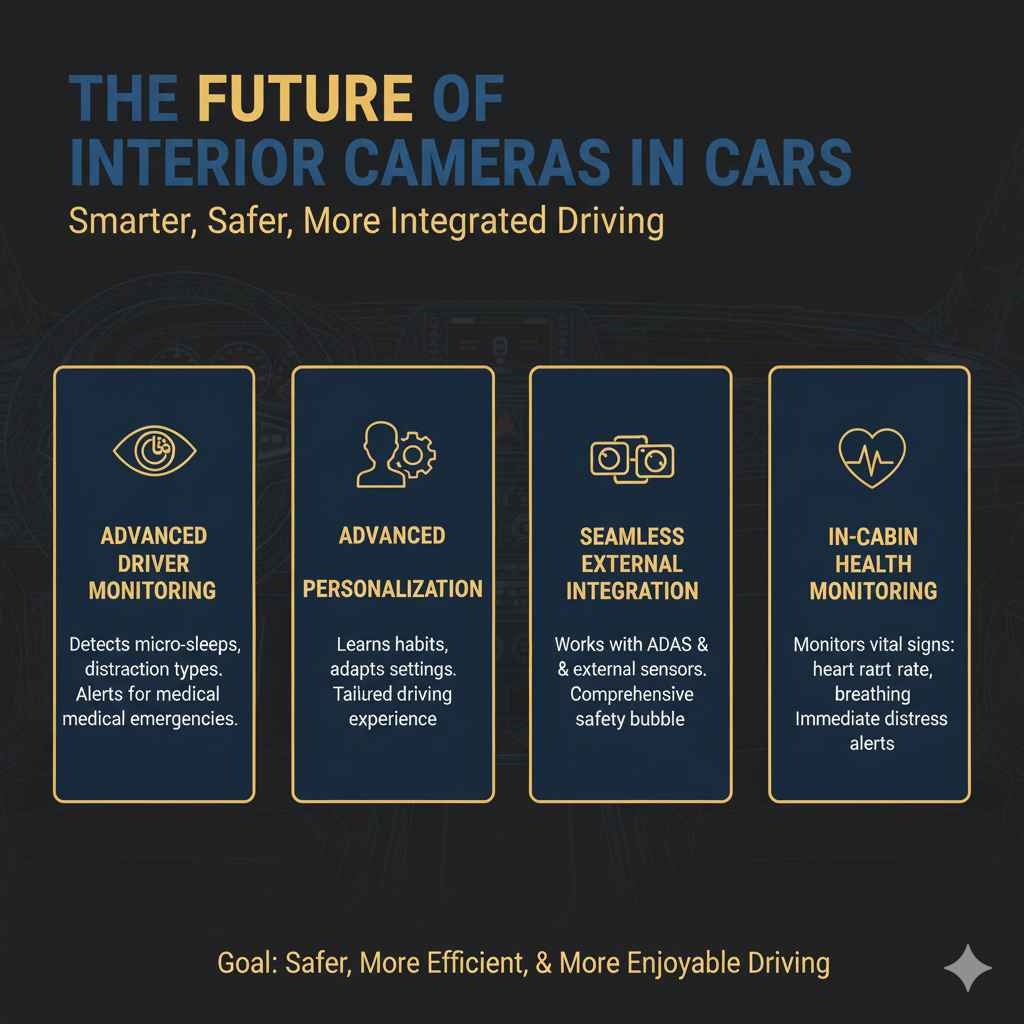
The role of interior cameras in vehicles is only set to expand. We’re likely to see:
More Sophisticated Driver Monitoring: Enhanced ability to detect micro-sleeps, different types of distractions, and even medical emergencies.
Advanced Personalization: Cars that truly learn and adapt to your habits and preferences for a more tailored experience.
Seamless Integration with External Systems: Cabin cameras working even more closely with forward-facing ADAS to create a comprehensive safety bubble.
* In-Cabin Health Monitoring: Future systems could potentially monitor vital signs like heart rate and breathing for immediate alerts in case of occupant distress.
The goal is always to make driving safer, more efficient, and more enjoyable.
Frequently Asked Questions (FAQ)
Q1: Do all infotainment systems use interior cameras?
No, not all. Infotainment systems primarily use screens and speakers. However, some advanced systems might incorporate cameras for features like gesture control or personalization, but this is not standard for every infotainment setup.
Q2: Can interior cameras see me when the car is off?
Generally, no. Interior cameras are powered by the car’s electrical system and are typically only active when the ignition is on or when the car is in a ready state for certain features (like detecting a child left behind). They are not designed to record when the car is completely off and powered down.
Q3: Are interior cameras mandatory for new cars?
As of now, interior cameras are not a mandatory safety feature required by regulations in most countries. However, regulatory bodies are continuously evaluating new technologies, and their role in future safety standards is a definite possibility.
Q4: If my car has an interior camera, will it record my conversations?
Standard interior cameras for safety features are not equipped with microphones to record conversations and do not typically process audio. Their focus is on visual data. If your car also has voice control or hands-free calling, it will have a separate microphone system designed for audio input, which is separate from the camera’s function.
Q5: What happens if I wear sunglasses or a mask?
Driver monitoring systems that rely on eye tracking might have difficulty functioning accurately if you wear sunglasses (especially dark or polarized ones) or a mask that covers your face significantly. Some systems have adaptive algorithms to compensate, but accuracy can be reduced. It’s best to consult your car’s manual regarding sunglasses and masks.
Q6: Can I use these cameras as a dashcam?
Some vehicles offer integrated dashcam functionality that utilizes external cameras, while others might use interior cameras for specific recording purposes (e.g., recording events outside the car through the windshield). However, not all interior cameras are designed for continuous dashcam recording of the cabin or road. If you want a dedicated dashcam, it’s usually an aftermarket purchase or an optional built-in feature clearly advertised by the manufacturer.
Conclusion
So, do cars have cameras inside? Increasingly, yes, and they’re primarily here to make your drives significantly safer and more convenient. From keeping an eye on your alertness to making interactions with your car more intuitive, these sophisticated tools are working quietly to enhance your experience on the road.
While privacy concerns are understandable, manufacturers are committed to secure and responsible data handling, focusing on real-time analysis for proactive safety. As this technology matures, expect even smarter and more helpful innovations to be integrated into our vehicles,