Do Cars Produce Carbon Monoxide? What Drivers Must Know
It’s a question many of us wonder about, especially as we sit in traffic or run our cars. Do cars actually make that dangerous gas, carbon monoxide? The short answer is yes, they absolutely do.
And knowing about it is super important for keeping yourself and others safe. We’ll dive deep into how this happens, why it’s a big deal, and what you can do to be aware.
Yes, cars produce carbon monoxide (CO) when gasoline or diesel fuel burns. This gas is colorless and odorless, making it undetectable by human senses. It can build up in enclosed spaces like car interiors or garages, posing a serious health risk.
Understanding this risk is key to vehicle safety.
How Cars Make Carbon Monoxide
Cars are pretty amazing machines. They take fuel and turn it into the power that moves them. This process is called combustion.
Think of it like a tiny, controlled explosion happening inside your engine. This is how the car gets its energy.
When fuel burns completely, it mostly makes carbon dioxide (CO2) and water. That sounds pretty harmless, right? CO2 is something plants use.
But here’s the tricky part. Engines aren’t always perfect. Sometimes, the fuel doesn’t burn all the way.
This is especially true when there isn’t enough air for the fuel to mix with. Imagine trying to burn a wet log. It doesn’t burn well and makes a lot of smoke.
Car engines can have similar issues. When the fuel and air mix isn’t just right, the combustion isn’t complete.
This incomplete burning process creates carbon monoxide, or CO. It’s a gas that’s missing one of the oxygen atoms that carbon dioxide has. So instead of CO2, you get CO.
This gas then comes out through your car’s exhaust pipe.
Factors that can lead to more CO production include:
- Cold starts: Engines are less efficient when cold.
- Rich fuel mixtures: Too much fuel, not enough air.
- Engine problems: Issues with the spark plugs or fuel injectors.
- Idling for long periods: Especially in poorly ventilated areas.
Most modern cars have systems to reduce these emissions. Catalytic converters are a big part of this. They are like filters in the exhaust system.
They help turn the harmful CO into less harmful CO2. But even with these systems, some CO can still get through.
The exhaust system is a series of pipes that carry the gases away from the engine. If there’s a leak in this system, like a rust hole or a loose connection, exhaust gases can escape. They might even get sucked into the car’s cabin.
This is why it’s so important to keep your exhaust system in good shape. A crack or hole means danger. It means those poisonous fumes could be getting inside your car without you even knowing it.

My Own Scare with a Leaky Exhaust
I remember one winter morning, I was heading to a client meeting. It was freezing outside, maybe 10 degrees Fahrenheit. I got into my older car and started it up.
The heater was blasting, which felt great. I was stuck in some pretty thick traffic for what felt like forever.
After about twenty minutes, I started to feel a bit… off. I felt a dull ache in my head. It was a weird, throbbing feeling.
I also felt a little dizzy. I just figured I was tired or maybe didn’t have enough coffee. It’s easy to blame yourself, right?
But then my vision started to get a little blurry. That’s when a tiny alarm bell went off in my head. I remembered reading something about cars and exhaust fumes.
I pulled over to the side of the road as soon as I could safely do so. I rolled down all the windows, even though it was freezing.
The fresh, cold air hit my face. Within minutes, the headache started to fade. The dizziness lessened.
I sat there for a good fifteen minutes, just breathing in the cold air. When I started driving again, I kept the windows cracked open. The feeling never came back.
Later that week, I took my car to my mechanic. I told him what happened. He found a small rust hole in the pipe just before the muffler.
He said it was a classic case of exhaust fumes leaking into the cabin. It really scared me. It could have been so much worse.
That experience taught me to never ignore those weird feelings when you’re in a car, especially if you’ve been sitting for a while.
Understanding Carbon Monoxide (CO)
What is it? Carbon monoxide is a gas. It is made when fuels like gas and oil do not burn completely. It is also called the “silent killer” because you cannot see it, smell it, or taste it.
Why is it dangerous? CO stops your body from getting enough oxygen. Your blood carries oxygen. When you breathe in CO, it sticks to your blood more easily than oxygen does.
This means less oxygen gets to your heart, brain, and other important body parts. This can cause serious harm or even death.
Where does it come from? Besides cars, CO can come from furnaces, stoves, water heaters, fireplaces, and generators. Any machine that burns fuel can produce it. Proper ventilation is key for all these things.
Why Carbon Monoxide Is Such a Big Problem
Carbon monoxide is dangerous because it’s invisible and odorless. Your nose can’t warn you. Your eyes can’t see it.
It’s like a sneaky intruder. You don’t know it’s there until it starts to cause harm.
When you breathe in CO, it goes into your lungs. From there, it enters your bloodstream. Your blood has tiny red cells.
These cells carry oxygen to all parts of your body. They are like little delivery trucks for oxygen.
But CO is very good at getting into those red cells. It binds to a part of the red cell called hemoglobin. It binds much more strongly than oxygen does.
This means the red cell picks up CO instead of oxygen. Or, if it already has oxygen, the CO kicks it off and takes its place.
So, your body starts getting filled with CO instead of oxygen. This is called carbon monoxide poisoning. Even small amounts of CO can be harmful if you breathe them in for a long time.
Higher amounts can cause problems much faster.
Symptoms of CO poisoning can include:
- Headache
- Dizziness
- Nausea (feeling sick to your stomach)
- Vomiting
- Weakness
- Confusion
- Chest pain
- Trouble breathing
- Loss of consciousness
These symptoms can be mistaken for other illnesses, like the flu or food poisoning. That’s why it’s important to think about CO if you spend time in a car that’s running or in an enclosed space with a running engine.
The danger is even greater if you’re sleeping in a parked car overnight. You won’t feel the early symptoms. You could be breathing in CO without waking up.
This is why it’s so risky to run a car in a closed garage. The gas has nowhere to go and builds up quickly.
Children, pregnant women, and people with heart or lung problems are more at risk. Their bodies are more sensitive to the effects of low oxygen. Even a little bit of CO can have a big impact on them.
Myth vs. Reality: Car Exhaust and CO
Myth: Car exhaust only smells bad, it’s not really dangerous unless it makes you cough.
Reality: The most dangerous gas in car exhaust, carbon monoxide, has no smell at all. You can’t detect it with your nose. Relying on smell to know if exhaust is dangerous is a risky mistake.
Myth: My car is new and has a catalytic converter, so I don’t need to worry about CO.
Reality: While catalytic converters greatly reduce CO, they are not perfect. Exhaust systems can also leak. Older cars or cars with maintenance issues are more prone to leaks.
It’s always wise to be aware.
When Is It Safe and When Should You Worry?
Most of the time, when you’re driving with the windows down or in open air, the exhaust fumes from your car dissipate quickly. The levels of CO are usually too low to cause any harm. Your car’s ventilation system also helps bring in fresh air.
However, certain situations can make CO levels much more dangerous. These are the times you really need to pay attention. The main risk is when you are in an enclosed space with a running engine for an extended period.
This allows the CO to build up to harmful levels.
Situations to be extra careful about:
- Running a car in a closed garage: This is extremely dangerous. Never do it. The gas has nowhere to escape and will quickly fill the space.
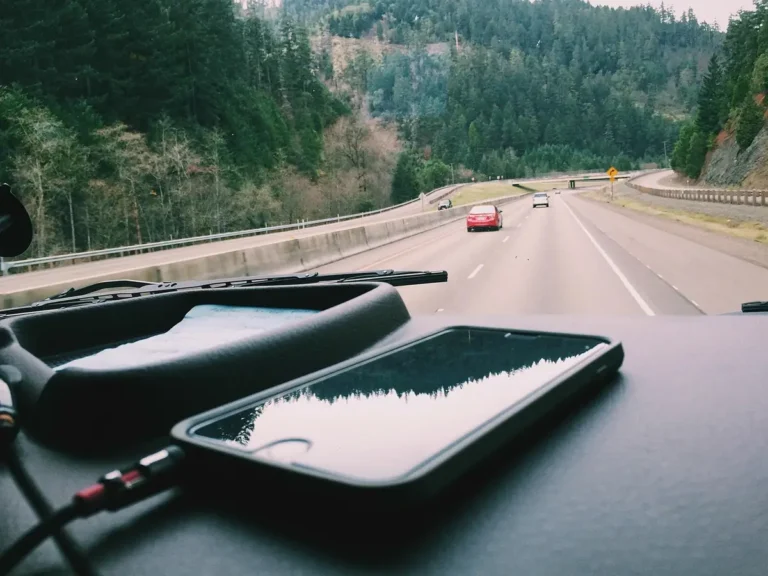
- Sitting in a car with the engine running for a long time: This is common when waiting for someone or stuck in traffic. If your car has an exhaust leak or if you’re in an area with poor ventilation, CO can build up inside the cabin.
- Idling in a driveway or on a street with poor airflow: Even outside, if there’s no breeze, exhaust can linger.
- Using portable generators indoors or too close to windows/doors: While not directly about cars, generators are a common source of CO and highlight the danger in enclosed spaces.
A key indicator can be symptoms appearing or worsening when you’re in the car and improving when you get out. If you and your passengers start feeling sick in the car, and feel better after walking around outside, CO poisoning is a strong possibility.
Think about the age and condition of your car’s exhaust system. Are there any loud noises from underneath? Do you smell exhaust fumes when you first start the car, even with the windows up?
These can be signs of leaks.
Quick checks you can do:
- Listen for unusual sounds: A hissing or loud rumbling sound from under your car could mean an exhaust leak.
- Check for rust or holes: While you can’t always see the whole system, if you see obvious rust or holes in the visible parts of the exhaust, it’s a concern.
- Notice any strange smells: While CO has no smell, sometimes other byproducts of exhaust or leaks can have a noticeable odor.
- Pay attention to how you feel: This is the most important check. If you and others feel unwell in the car and better outside, take it seriously.
If you suspect CO poisoning, turn off the engine immediately, get everyone out of the car into fresh air, and call for emergency medical help. It’s better to be safe than sorry.
Quick Scan: CO Risk Factors in Your Vehicle
Low Risk:
- Driving normally with windows open.
- Short stops with the engine off.
Medium Risk:
- Long traffic jams with good ventilation.
- Parking with the engine on for short periods in an open area.
High Risk:
- Engine running in a closed garage.
- Extended idling in a poorly ventilated spot.
- Known exhaust system leaks.
What This Means for Your Driving Habits
Understanding how cars produce carbon monoxide means we can adjust our habits. It’s not about being scared, but being smart and safe. Small changes can make a big difference.
The most critical advice is never to run your car engine in an enclosed space like a garage, even with the garage door open. The fumes can still build up and be dangerous. Think of it as a hard rule with no exceptions.
The risk is just too high.
When you’re waiting in your car for long periods, try to avoid idling for too long, especially if the weather is bad and you have the windows fully closed. If you can, turn off the engine. If you need the AC or heat, you can restart the engine when you’re ready to go.
This is especially important in winter when people tend to keep their windows shut tight. Even a small exhaust leak can be more problematic when there’s no airflow coming in from outside.
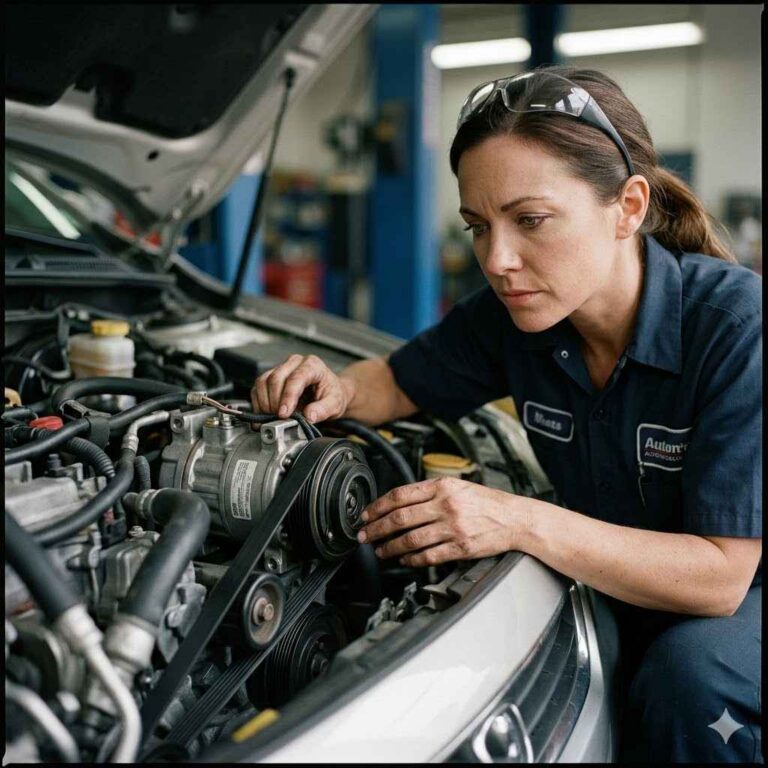
Regular maintenance of your car is key. Your mechanic can check your exhaust system for leaks during routine service. It’s part of keeping your car running well, and it’s also part of keeping you safe from invisible dangers.
Think about where you park your car. If you’re warming it up on a cold morning, make sure you’re not parked in a way that traps exhaust fumes. Avoid parking right next to an air intake vent if possible, though this is a less common concern for CO poisoning itself.
If you live in an area with very cold winters and often have to run your car to warm it up, try to do so in an open driveway or a well-ventilated area. Never do it inside a connected garage.
Consider investing in a carbon monoxide detector designed for vehicles. Some are available that can alert you to dangerous levels of CO inside the car. These can provide an extra layer of safety, especially for longer trips or if you have any doubts about your exhaust system.
Finally, talk to your family about CO safety. Make sure everyone knows the symptoms and what to do if they feel sick in the car. Open communication can help ensure that everyone is aware and looking out for each other.
Preventive Measures: Keep Your Car Safe
Regular Exhaust System Check: Have your mechanic inspect your exhaust system during every oil change or tune-up for any signs of rust, cracks, or leaks.
Avoid Extended Idling: If waiting for more than a few minutes, consider turning off the engine, especially in enclosed spaces or areas with poor ventilation.
Ventilate When Necessary: If you must idle for a short period, open your windows slightly to allow fresh air to circulate.
Install a CO Detector: Consider a portable CO detector for your vehicle, especially for long road trips or if you have concerns about your exhaust system.
Dealing with Potential CO Exposure
So, what do you do if you think you or someone in your car has been exposed to too much carbon monoxide? The most important thing is to act fast.
First, if you are currently in the vehicle and feel symptoms, your immediate action should be to turn off the engine. Then, get everyone out of the car and into fresh air as quickly as possible. Don’t delay.
Even if symptoms seem mild, getting to safety is the priority.
Once you are in fresh air, assess how everyone is feeling. If symptoms are severe (like confusion, chest pain, or loss of consciousness), call 911 or your local emergency number immediately. Tell the dispatcher that you suspect carbon monoxide poisoning.
If symptoms are milder (like a headache or nausea), you should still seek medical attention. Even if symptoms improve once you are in fresh air, it’s wise to have a doctor check you out. They can perform tests to see if there’s any lingering damage or if your body needs treatment to clear the CO.
Never go back into the car or the enclosed space until it has been confirmed to be safe. If the issue was with your car’s exhaust system, it needs to be repaired before you drive it again.
If you’ve had a significant CO exposure, doctors might recommend oxygen therapy. This helps your body get rid of the carbon monoxide faster and recover more quickly. They will monitor you to make sure you are fully recovered.
It’s also a good idea to have your car inspected by a qualified mechanic. They can find the source of the leak and fix it. This prevents the problem from happening again and ensures your car is safe to drive.
Remember, the symptoms of CO poisoning can be subtle and mimic other illnesses. Always consider CO as a possibility if you feel unwell in an enclosed space, especially a vehicle, and the symptoms improve when you leave that space.
Immediate Steps If You Suspect CO Poisoning
1. Turn Off the Engine: If inside the car, shut off the car immediately.
2. Get to Fresh Air: Move everyone out of the car and into an open area.
3. Assess Symptoms: Check how everyone is feeling. Note any headaches, dizziness, or nausea.
4. Seek Medical Help: Call 911 for severe symptoms or your doctor for milder ones. Inform them about suspected CO exposure.
5. Repair Your Vehicle: Do not drive the car until the exhaust system is inspected and repaired by a professional.

Frequently Asked Questions About Cars and Carbon Monoxide
Do all cars produce carbon monoxide?
Yes, all cars that burn gasoline or diesel fuel produce carbon monoxide as a byproduct of combustion. Modern cars have catalytic converters that significantly reduce CO emissions, but they don’t eliminate it entirely, and exhaust systems can develop leaks.
What are the first signs of carbon monoxide poisoning from a car?
The first signs often mimic the flu or a headache. These include a dull headache, dizziness, nausea, weakness, and sometimes confusion. If these symptoms appear while you are in a running car and improve when you get out, CO poisoning is a strong possibility.
Is it safe to warm up my car in the driveway on a cold morning?
It is generally safe to warm up your car in a driveway if the driveway is open and well-ventilated, and there are no exhaust leaks. However, never warm up a car in an attached or enclosed garage, as CO can build up quickly. Opening your windows slightly can help with ventilation.
Can my car’s air conditioning system bring in carbon monoxide?
Yes, if your car has an exhaust leak, carbon monoxide from the exhaust can enter the cabin through the air intake system, which is connected to your AC and ventilation. This is why maintaining your exhaust system is crucial for cabin air quality.
How can I prevent carbon monoxide poisoning in my car?
To prevent CO poisoning: never run your car in an enclosed space, get regular maintenance to check for exhaust leaks, avoid prolonged idling with windows closed, and pay attention to any unusual symptoms you or your passengers experience while in the car.
What is the danger of sitting in a car with the engine running in traffic?
The danger exists if there is an exhaust leak in your car or if you are in a very congested area with little airflow. In such cases, CO can build up inside the cabin to unsafe levels over time, leading to symptoms of poisoning. It’s wise to keep windows cracked slightly if stuck in heavy traffic for extended periods.
Final Thoughts on Car Safety
Cars are a huge part of our lives. They give us freedom and get us where we need to go. But with that convenience comes responsibility.
Understanding that cars produce carbon monoxide is a key part of being a safe driver and passenger.
It’s about being aware of how your vehicle works and the potential dangers. By keeping up with maintenance, paying attention to how you feel, and following a few simple safety rules, you can enjoy your travels without worry. Stay safe out there!
Products related to this article
Sponsored / affiliate links. As an Amazon Associate I earn from qualifying purchases. I may earn additional commission from eligible campaigns.