Do Electric Cars Need Gears?
Hey there! If you’re curious about electric cars, you’ve probably wondered about how they work under the hood. One question I get a lot is, “Do electric cars need gears?” It’s a great question, especially if you’re used to the rumble and shift of a traditional gas-powered car. I’ve spent a lot of time digging into this topic, driving electric vehicles (EVs), and talking to experts to understand the mechanics. The short answer? Electric cars don’t need gears the way gas cars do, but there’s so much more to this story. Let’s dive in and explore why electric cars operate differently, how their motors work, and what this means for you as a driver. Buckle up, because I’m excited to share what I’ve learned!
How Electric Cars Work Differently
When I first got behind the wheel of an electric car, I was amazed at how smooth it felt. There was no clunking gear shift, no revving engine—just instant power. That’s because electric cars run on electric motors, not internal combustion engines. These motors generate power through electricity stored in batteries, and they deliver torque (that’s the force that gets your car moving) instantly. Unlike gas engines, which need to build up RPMs (revolutions per minute) to hit peak power, electric motors are ready to go the moment you press the accelerator.
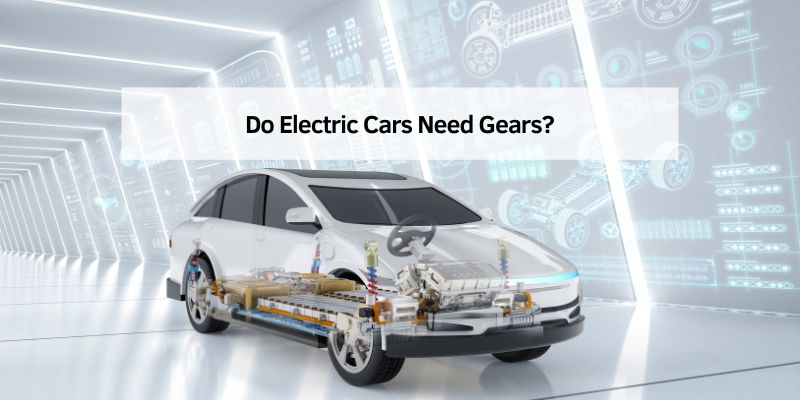
This instant torque is a game-changer. In a gas car, gears help the engine stay in its “sweet spot” for power and efficiency. Without gears, a gas engine would struggle to perform at different speeds. But electric motors? They’re incredibly versatile. They can operate efficiently across a wide range of speeds without needing multiple gears to bridge the gap. This is why most electric cars use a single-speed transmission, which isn’t really a “gearbox” in the traditional sense—it’s more like a direct connection between the motor and the wheels.
Why Traditional Cars Need Gears
To understand why electric cars don’t need gears, let’s take a quick look at traditional gas-powered cars. I remember learning to drive a stick shift as a teenager, feeling the car lurch as I tried to find the right gear. Gas engines have a narrow power band, meaning they only produce optimal power at certain RPMs. If you’re going too slow or too fast for the gear you’re in, the engine either bogs down or screams for relief.
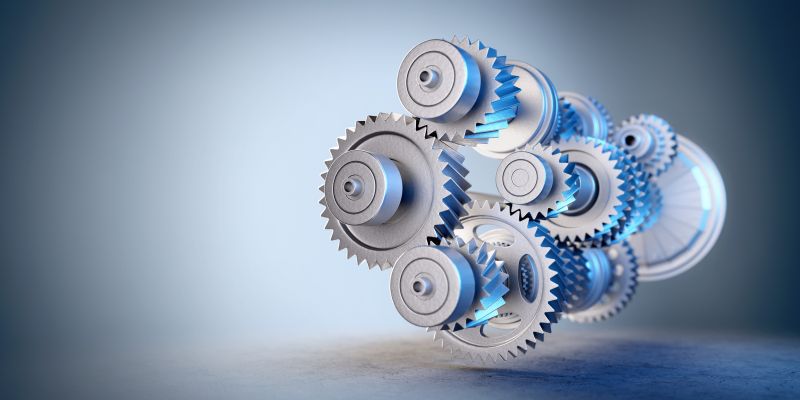
Gears in a gas car act like a middleman, matching the engine’s power to the speed of the wheels. For example, first gear gives you the torque to get moving from a stop, while fifth or sixth gear lets you cruise efficiently on the highway. Without gears, a gas engine would be inefficient, underpowered, or overworked. I’ve driven manual cars for years, and shifting gears is like a dance—you have to time it just right. But electric cars? They skip the dance entirely.

The Single-Speed Transmission in Electric Cars
Most electric cars use a single-speed transmission, and it’s one of the coolest things about them. When I first learned about this, I was skeptical. How could one gear handle everything from stop-and-go traffic to highway cruising? The answer lies in the electric motor’s efficiency. Unlike a gas engine, an electric motor delivers consistent power across a wide range of speeds. This means it doesn’t need multiple gears to stay efficient.
The single-speed transmission is essentially a fixed gear ratio that connects the motor to the wheels. It’s simple, reliable, and low-maintenance. When I drove a Tesla Model 3, I noticed how seamless the acceleration was—no shifting, no hesitation, just smooth power. This simplicity also means fewer moving parts, which can translate to lower repair costs over time. For someone like me, who loves a hassle-free driving experience, this is a huge win.
Are There Any Electric Cars with Multiple Gears?
Now, you might be thinking, “Okay, but are there any electric cars with gears?” Great question! While most EVs stick to a single-speed setup, there are a few exceptions. High-performance electric cars, like the Porsche Taycan or the Audi e-tron GT, use a two-speed transmission. I got the chance to test-drive a Taycan, and let me tell you, it’s a beast. The two-speed system gives it an extra edge for acceleration and efficiency at high speeds.
Why two speeds? At low speeds, the first gear provides explosive acceleration—perfect for that 0-60 mph sprint. At higher speeds, the second gear optimizes efficiency, letting the car cruise without overworking the motor. It’s like having the best of both worlds, but it’s not common. Most EVs don’t need this setup because their motors are already so efficient. Plus, adding gears increases complexity and cost, which isn’t ideal for everyday drivers like you and me.
Benefits of No Gears in Electric Cars
Let’s talk about why the no-gear setup is such a big deal. When I first started driving EVs, I couldn’t believe how much simpler they felt compared to gas cars. Here are some of the benefits I’ve noticed:
- Smoother Driving Experience: Without gear shifts, acceleration is seamless. It’s like gliding on butter. Whether you’re in city traffic or on the open road, there’s no jerking or pausing.
- Lower Maintenance: Fewer moving parts mean less wear and tear. I’ve talked to EV owners who’ve gone years without needing major repairs on their drivetrain.
- Instant Power: Electric motors deliver torque instantly, so you get that punchy acceleration right away. It’s honestly kind of addictive.
- Energy Efficiency: Single-speed transmissions are designed to keep the motor in its optimal range, which can help maximize your car’s range per charge.
I’ve put together a quick table to compare the gear systems in electric and gas-powered cars:
| Feature | Electric Cars (Single-Speed) | Gas Cars (Multi-Speed) |
|---|---|---|
| Number of Gears | Usually 1 | 4-10 (manual or auto) |
| Acceleration | Instant, smooth | Depends on gear shifts |
| Maintenance | Low (fewer parts) | Higher (complex system) |
| Driving Feel | Seamless, no interruptions | Noticeable gear changes |
| Efficiency at High Speeds | High | Varies by gear |
This table really highlights why EVs feel so different to drive. It’s not just about being eco-friendly—it’s about a whole new driving experience.
Challenges of a Single-Speed System
Now, I’m not saying the single-speed setup is perfect. There are a few trade-offs I’ve come across while exploring EVs. For one, some drivers miss the tactile feel of shifting gears, especially car enthusiasts who love manuals. I get it—there’s something satisfying about rowing through the gears in a sports car. With an EV, you don’t get that same engagement.
Another challenge is high-speed efficiency. While electric motors are great across a wide range, they can lose a bit of efficiency at very high speeds compared to a gas car with a well-tuned multi-speed transmission. That’s why high-performance EVs like the Taycan use two speeds to fine-tune performance. For most of us, though, this isn’t a big deal—how often are you driving 100 mph?
Lastly, towing heavy loads can be trickier for some EVs. Gas cars use lower gears to handle the extra strain, but EVs rely on their motor’s torque. While modern EVs like the Rivian R1T are built for towing, the single-speed system can make them work harder, which might reduce range. I’ve towed a small trailer with an EV, and I noticed the battery drained faster than usual, but it still got the job done.
How This Affects Your Driving Experience
As someone who’s driven both gas and electric cars, I can tell you the no-gear setup changes how you drive. In a gas car, you’re always thinking about gear changes, especially in a manual. With an EV, you just press the pedal and go. It’s so intuitive that it feels like the car is reading your mind. I remember taking my friend for a ride in my Nissan Leaf, and she was shocked at how quiet and smooth it was. No engine noise, no gear shifts—just pure driving.
This simplicity also makes EVs great for new drivers. My teenage cousin, who’s learning to drive, found the EV easier to handle because there’s no clutch or gear stick to worry about. Plus, the instant torque makes merging onto highways a breeze. If you’re someone who just wants to get from point A to point B without fuss, an EV’s single-speed system is a dream.
The Future of Gears in Electric Cars
So, what’s next for electric cars and gears? I’ve been following the EV industry closely, and it’s fascinating to see where things are headed. Most manufacturers are sticking with single-speed transmissions because they’re cost-effective and reliable. But as EVs become more mainstream, we might see more experimentation. For example, some companies are exploring multi-speed transmissions for specialized vehicles, like electric trucks or hypercars.
I recently read about a startup working on a three-speed transmission for electric off-road vehicles. The idea is to give drivers more control when tackling tough terrain. It’s still early days, but it shows how the industry is thinking outside the box. For now, though, the single-speed setup is king, and I think it’ll stay that way for most EVs.
Why This Matters to You
If you’re in the market for a car, understanding the gear question can help you make an informed choice. I’ve talked to a lot of people who are hesitant about EVs because they seem so different. But once you drive one, you realize how intuitive they are. The lack of gears isn’t just a quirk—it’s a feature that makes EVs easier to drive, cheaper to maintain, and more efficient. Whether you’re a city commuter or a road-trip enthusiast, an EV’s single-speed system can handle your needs with minimal fuss.
For me, switching to an EV was one of the best decisions I’ve made. The smooth ride, instant power, and low maintenance have made my daily drives so much more enjoyable. If you’re curious about EVs, I’d encourage you to test-drive one and feel the difference for yourself. It’s like stepping into the future of driving.
Conclusion
After diving deep into the world of electric cars, I can confidently say that the question “Do electric cars need gears?” opens up a fascinating conversation about how these vehicles work. The single-speed transmission is a brilliant piece of engineering that makes EVs smoother, simpler, and more efficient than their gas-powered counterparts. While there are a few exceptions, like high-performance models with two-speed systems, most electric cars don’t need gears—and that’s a good thing. It means less maintenance, a better driving experience, and a glimpse into the future of automotive technology.
Whether you’re an EV newbie or a seasoned driver, understanding this aspect of electric cars can help you appreciate what makes them special. I’ve loved exploring this topic, and I hope you’ve enjoyed learning about it as much as I have. So, next time you’re behind the wheel of an EV, take a moment to appreciate the seamless power under your foot—no gears required!
Frequently Asked Questions
Why don’t electric cars need multiple gears?
Electric cars don’t need multiple gears because their motors deliver instant torque and operate efficiently across a wide range of speeds. Unlike gas engines, which have a narrow power band, electric motors can handle everything from low-speed city driving to highway cruising with a single-speed transmission. This simplicity is one of the reasons EVs feel so smooth to drive.
Are there any electric cars with gears?
Yes, a few high-performance electric cars, like the Porsche Taycan and Audi e-tron GT, use a two-speed transmission. The extra gear helps with explosive acceleration and high-speed efficiency. However, most EVs stick to a single-speed setup because it’s simpler and works well for everyday driving.
Does the lack of gears make electric cars less fun to drive?
Not at all! While some car enthusiasts might miss shifting gears, I find EVs incredibly fun because of their instant acceleration and smooth power delivery. The lack of gears makes driving effortless, and the quick response when you hit the accelerator is thrilling in its own way.
Can electric cars tow heavy loads without gears?
Yes, electric cars can tow, but it depends on the model. EVs rely on their motor’s torque to handle loads, which can reduce battery range. Models like the Rivian R1T are designed for towing, but the single-speed system means the motor works harder compared to a gas car with multiple gears.
Will electric cars ever use multi-speed transmissions?
It’s possible! While single-speed transmissions are standard, some manufacturers are experimenting with multi-speed systems for specific use cases, like high-performance cars or off-road vehicles. For most drivers, though, the single-speed setup is more than enough, and I expect it to remain the norm.