Do Headers Make a Car Louder? Decoding Exhaust Noise
Figuring out if Do Headers Make a Car Louder? Explained is something many people wonder about when they start working on their cars. It can feel a bit tricky because car sounds can be pretty complicated. But don’t worry! This post will break it down step-by-step so you’ll easily grasp what headers do and how they affect the noise your car makes. Let’s explore everything, starting with the basics of car exhaust systems.
Exhaust System Basics and Header Introduction
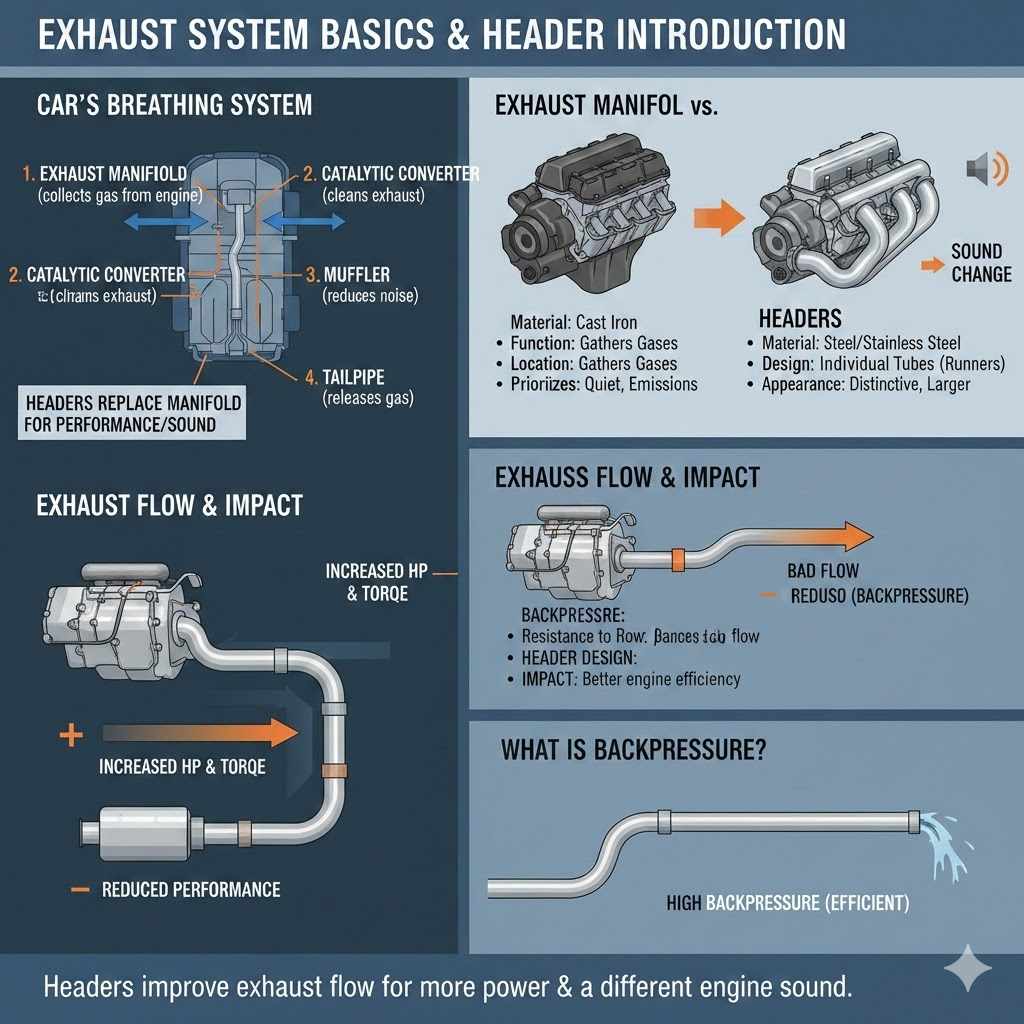
Your car’s exhaust system is like its breathing system, taking the burnt gases from the engine and sending them out. This process involves several key components working together. First, the exhaust manifold collects exhaust gases directly from the engine. Then, the catalytic converter cleans the exhaust. The muffler reduces noise. Lastly, the tailpipe releases the exhaust into the air. Headers, which replace the exhaust manifold, are often designed to increase the performance of the engine, but they can also change the sound.
Headers are often made of steel tubes that connect to the engine’s exhaust ports. They are meant to improve the flow of exhaust gases, leading to performance gains. Because of their design and material, headers often alter the sound produced by the exhaust system. The change in sound is the main topic we’re going to explore.
What is an Exhaust Manifold?
The exhaust manifold is a metal structure that collects exhaust gases from your engine’s cylinders. Think of it as the starting point of the exhaust system. Its primary job is to gather these gases and direct them into the rest of the exhaust system, like the catalytic converter and muffler. Manifolds come in different shapes and designs.
- Material: Most stock exhaust manifolds are made of cast iron, known for its durability and heat resistance.
- Function: The manifold works to gather exhaust gases from each cylinder.
- Location: It’s usually bolted directly to the engine’s cylinder head.
The original equipment manufacturer (OEM) exhaust manifolds are designed for quiet operation and efficient emission control. They don’t typically prioritize performance. The design of the original manifold affects the overall performance and sound of your car.
What are Headers?
Headers are a type of exhaust component designed to replace the standard exhaust manifold. They are often made of steel tubes, welded together to create a smooth, efficient pathway for exhaust gases to escape the engine. Because of their design, headers often increase engine performance by reducing backpressure. They come in various configurations, often depending on the engine design.
- Design: Headers consist of individual tubes, or “runners,” that collect exhaust from each cylinder.
- Material: Common materials include steel, stainless steel, and even titanium for high-performance applications.
- Benefits: Headers can improve exhaust flow. This can lead to increased horsepower and torque.
- Appearance: They often have a distinctive look compared to the stock manifold.
Headers are a common upgrade for car enthusiasts who want more power and a different sound from their engines. They are typically larger than a stock manifold.
Exhaust Flow and its Impact
Exhaust flow refers to how easily exhaust gases move through the exhaust system. A good flow means that gases can exit the engine quickly and efficiently. Improved exhaust flow reduces backpressure. This in turn allows the engine to perform better. The design of the exhaust system, including the manifold or headers, greatly influences this flow.
- Backpressure: Backpressure is the resistance to exhaust flow. Too much backpressure can reduce engine performance.
- Header Design: Headers are designed to reduce backpressure by providing a larger, smoother path for exhaust gases.
- Impact on Performance: Better exhaust flow can increase horsepower and torque. It also improves engine efficiency.
The design of the exhaust system is very important for how well the engine works. A well-designed exhaust system maximizes performance by letting exhaust gases exit quickly and cleanly. That affects the sound too.
How Headers Change Car Sound
Headers often affect a car’s sound because of their design and construction. Stock exhaust manifolds tend to muffle sound. Headers, designed for better exhaust flow, can create a different, and often louder, sound. This change is caused by several factors, including the materials used and the way exhaust gases move through the system.
The type of headers you use affects the sound of your car. Long tube headers and shorty headers are both popular options.
Material Matters for Sound
The material headers are made of affects the sound of your car. Steel and stainless steel are common choices. Steel tends to absorb sound more than stainless steel. Stainless steel, however, may create a sharper, more resonant tone. The thickness of the header material also plays a role in how it sounds.
- Steel Headers: Steel can dampen sound, giving the exhaust a slightly softer tone.
- Stainless Steel Headers: Stainless steel reflects sound waves more. This can result in a crisper, more aggressive exhaust note.
- Header Thickness: Thicker materials can absorb sound better, and thinner materials can lead to more resonance.
The choice of material will affect the overall sound profile of the exhaust. The material affects how sound waves travel through the exhaust system.
Header Design and Its Effects
The design of a header directly impacts the sound produced by your car. Different header designs can change how sound waves travel. This changes the overall sound of the exhaust. For example, the length of the header tubes and the collector design are two important factors. Long tube headers often produce a deeper, rumbling sound. Shorty headers may produce a higher-pitched sound. The collector is where the tubes converge.
- Tube Length: Longer tubes contribute to a deeper tone. Shorter tubes can result in a higher pitch.
- Collector Design: The collector’s shape and size can influence exhaust sound.
- 4-into-1 vs. 4-into-2-into-1: Header designs have different effects on exhaust sound, with some producing a more aggressive sound and others producing a less aggressive sound.
The selection of the header can drastically change the sound. It’s often a balance between performance gains and the sound you want.
The Role of the Muffler and Catalytic Converter
The muffler and catalytic converter also play important roles in the sound of your car. The muffler’s main job is to reduce exhaust noise. The catalytic converter also dampens sound. The combination of these components and the headers can change the overall sound. The type of muffler you have can drastically alter the sound.
- Muffler: The muffler dampens the sound. The design and construction of the muffler are key.
- Catalytic Converter: Catalytic converters also dampen sound, though their main purpose is emissions control.
- System Integration: The headers, muffler, and catalytic converter work together to shape the exhaust sound.
The design of all these components work together. They impact the final sound.
Performance vs. Sound Considerations
When considering headers, you often have to think about both performance and sound. Headers are usually installed to increase engine performance. However, they also change the exhaust sound. Sometimes, there is a trade-off. Choosing the right headers means balancing how the car sounds with how well the engine performs.
Car owners often have different priorities. Some want the loudest sound possible. Others want a more subtle performance upgrade.
How Headers Improve Performance
Headers improve engine performance by increasing exhaust flow. This reduces backpressure, allowing the engine to breathe better. When exhaust gases can exit quickly, it can free up power. This improvement can lead to gains in horsepower and torque. Headers can offer a performance boost, especially when combined with other upgrades.
- Reduced Backpressure: Headers allow exhaust gases to exit with less resistance.
- Increased Horsepower: Better exhaust flow can result in higher horsepower.
- Improved Torque: Headers can also increase low-end torque.
Performance gains are a major reason why people switch to headers. It’s a key reason to switch.
Sound Level and Exhaust Tone
Headers change the sound of your exhaust system. The change depends on the design, material, and overall exhaust system. The goal is often to find a sound that sounds good to the driver. The sound level varies greatly, from a subtle growl to a very loud roar. The tone can vary as well, with some headers producing a deep, throaty sound, and others producing a higher-pitched tone. Balancing the exhaust sound is important.
- Sound Level: Headers often make the exhaust louder.
- Exhaust Tone: The specific sound will depend on the header design and other components.
- Personal Preference: The perfect sound is different for each person.
Sound is a very important part of the experience. It is why you get headers.
Making Choices Between Performance and Sound
You may need to make decisions about headers. You may want a performance upgrade. You may want a specific sound. Sometimes, choices involve selecting headers that offer the best balance. Consider factors like the design, material, and your budget. This helps determine which headers are best for you. Some headers are designed to give both performance and a great sound. Others are focused on one or the other.
- Research: Read reviews and watch videos of different headers.
- Budget: Consider how much you are able to spend.
- Overall System: Make sure the headers work with the rest of your system.
Finding the right combination of performance and sound will make you happy.
Do Headers Make a Car Louder? Practical Examples
Now, let’s explore some examples of how headers influence sound. These examples should give you a better idea of how headers change the sound of an exhaust system. We will explore several real-world scenarios that highlight the effects of different types of headers and system configurations. The sound can vary a lot.
Let’s look at a few examples.
Example 1: Long Tube Headers on a V8 Engine
Consider a V8-powered car. The stock exhaust manifold is
- Sound: Deeper, more aggressive rumble.
- Performance: Increases low-end torque and high-end horsepower.
- Overall Impact: The car sounds more powerful and sounds much better.
Long tube headers can make the car louder and change the tone a lot. This change is both felt and heard.
Example 2: Shorty Headers on a Four-Cylinder
If you’ve got a car with a four-cylinder engine, installing shorty headers can make a difference. Shorty headers are designed to fit in a smaller space. They often produce a higher-pitched exhaust note. While they might not increase performance as much as long tube headers, they still improve exhaust flow. This change can be quite noticeable. The sound change will be more subtle, but you’ll hear it.
- Sound: Higher-pitched, sportier sound.
- Performance: Modest gains in horsepower and torque.
- Overall Impact: Adds a sportier tone to the car’s exhaust note.
Shorty headers add a sporty sound.
Example 3: Adding Headers with a Performance Muffler
The combination of headers and a performance muffler is often used. This combination can produce a dramatic change in sound and performance. Replacing the standard exhaust manifold with headers, and adding a less restrictive performance muffler, usually results in a louder, more aggressive sound. The sound will depend on the specific choices you make.
- Sound: Loud, aggressive exhaust note.
- Performance: Increased power due to improved exhaust flow.
- Overall Impact: The car will sound and feel much more powerful.
This approach gives maximum power and sound.
Installation and Considerations
You need to think about several factors when installing headers. This involves the installation process and considerations for emissions compliance and legal requirements. Installation can be involved. You need to make sure the headers fit properly and that you install them correctly. Some areas have emissions laws. Always make sure your car is still compliant. Always check your local laws.
Proper installation and understanding of legal requirements are vital.
Installation Process
Installing headers involves several steps. It’s usually best to follow the manufacturer’s directions. This usually begins by removing the existing exhaust manifold. Then the headers must be fitted correctly and sealed to the engine. Tightening the bolts properly and connecting them to the exhaust system are important. Working on a vehicle requires certain tools, and it is usually best to have a professional do the work. Remember to disconnect the battery. This helps ensure safety.
- Preparation: Disconnect the battery and make sure the engine is cool.
- Removal: Remove the old exhaust manifold.
- Installation: Install the headers. Be sure to use new gaskets.
- Connection: Connect the headers to the rest of the exhaust system.
- Tightening: Tighten all bolts and connections.
Headers are often a DIY project. Following directions is key to a good installation.
Emissions Compliance and Legal Requirements
When installing headers, you must consider emissions compliance and local laws. Some regions have rules about modifications to exhaust systems. Headers can affect the emissions produced by your car. Make sure the headers you select are legal to use in your area. Always verify compliance with local laws to avoid any issues. Check to see if the headers are EPA compliant.
- Check Local Laws: Know the rules in your area.
- Emissions Testing: Make sure your car passes emissions tests.
- Compliance: Use headers that are compliant.
Make sure you do your homework.
Tips for Minimizing Noise Issues
If you’re worried about excessive noise, consider some ways to minimize these issues. Make sure the headers are well-made and fit correctly. Use a high-quality muffler designed to reduce noise. You might consider adding a resonator. These will help to smooth out sound. Always check with local authorities if you have any questions.
- Choose a Quiet Muffler: Match your headers with a suitable muffler.
- Use a Resonator: A resonator can reduce raspiness.
- Proper Installation: Make sure the headers are installed correctly to prevent leaks.
With careful planning and execution, you can enjoy the benefits of headers without excessive noise.

Frequently Asked Questions
Question: Do headers always make a car louder?
Answer: Usually, yes. Headers are designed to improve exhaust flow, which can often result in a louder exhaust sound, although the specific increase in volume depends on the header design, material, and other exhaust components.
Question: What’s the main difference between long tube and shorty headers?
Answer: Long tube headers have longer tubes. They are meant to scavenge exhaust gases more efficiently. This often leads to improved performance and a deeper sound. Shorty headers are more compact and usually produce a slightly higher-pitched exhaust note.
Question: Can I install headers myself?
Answer: It’s possible to install headers yourself. You need the right tools and knowledge. It’s often best to seek professional help.
Question: Will headers affect my car’s fuel economy?
Answer: Headers can improve fuel economy by improving engine efficiency. However, the gains are often not very noticeable.
Question: Do headers improve my car’s performance?
Answer: Headers can improve performance by reducing backpressure and improving exhaust flow. This can lead to increases in horsepower and torque.
Final Thoughts
So, does installing headers make a car louder? Often, yes, because headers change the exhaust flow and the sound profile. Headers, which