3 Best Keyless Entry Systems for Cars: Based on Specs and Reviews
Three aftermarket keyless entry systems for cars in 2026 are highlighted: a basic remote-lock kit, a 4-door expansion system, and an alarm-plus-remote-start bundle, selected based on install difficulty, vehicle compatibility, and features. Buy the wrong one and you can spend money on a kit that misses your lock wiring or leaves you with unreliable locks. This guide ranks the top options and explains which one fits older cars, DIY installs, and budget upgrades.
Quick comparison
| Product | Badge | Best for | Price | ||
|---|---|---|---|---|---|
 |
BANVIE Car Keyless Entry System, Car Central Power DoorBANVIE | Our pick | BANVIE · Universal 12V · Central Lock Kit | $19.99
Price as of 21 Oct 2026
|
View |
 |
InstallGear Keyless Entry System with Two 3-Button RemotesInstallGear | Also great | InstallGear · 4 Door Actuators · Power Lock Kit | $43.99
Price as of 21 Oct 2026
|
View |
 |
Compustar CS920-S (920S) 1-Way Remote Start and KeylessCompustar | Upgrade pick | Compustar · 1500-ft Range · Remote Start Bundle | $79.00
Price as of 21 Oct 2026
|
View |
This table puts the three picks side by side so you can compare fitment, wiring burden, and feature set before you buy. It focuses on the details that usually decide whether a kit is a clean DIY job or a weekend spent tracing wiring diagrams.
How we chose
These picks are ranked by fitment first, then by install complexity, feature value, and security value. That matters because an aftermarket keyless entry system is usually a 12V product, but 12V alone does not mean it will work with your car’s locking setup.
Universal kits can work on older cars, but they often need more wiring work, a central locking module, or added door actuators. Model-specific fitment is usually easier, yet it may give you fewer options if you need a trunk release, panic output, or remote-start add-on later.
We also weighed included remotes, door coverage, and hidden install costs. Those costs can include extra actuators, adapters, and labor, and they can cost more than the kit itself.
Security features matter too. Auto-lock behavior, panic output, alarm integration, and motion or shock sensing can improve deterrence, but only if the vehicle wiring and control module support them.
BANVIE Car Keyless Entry System: best for basic remote locking
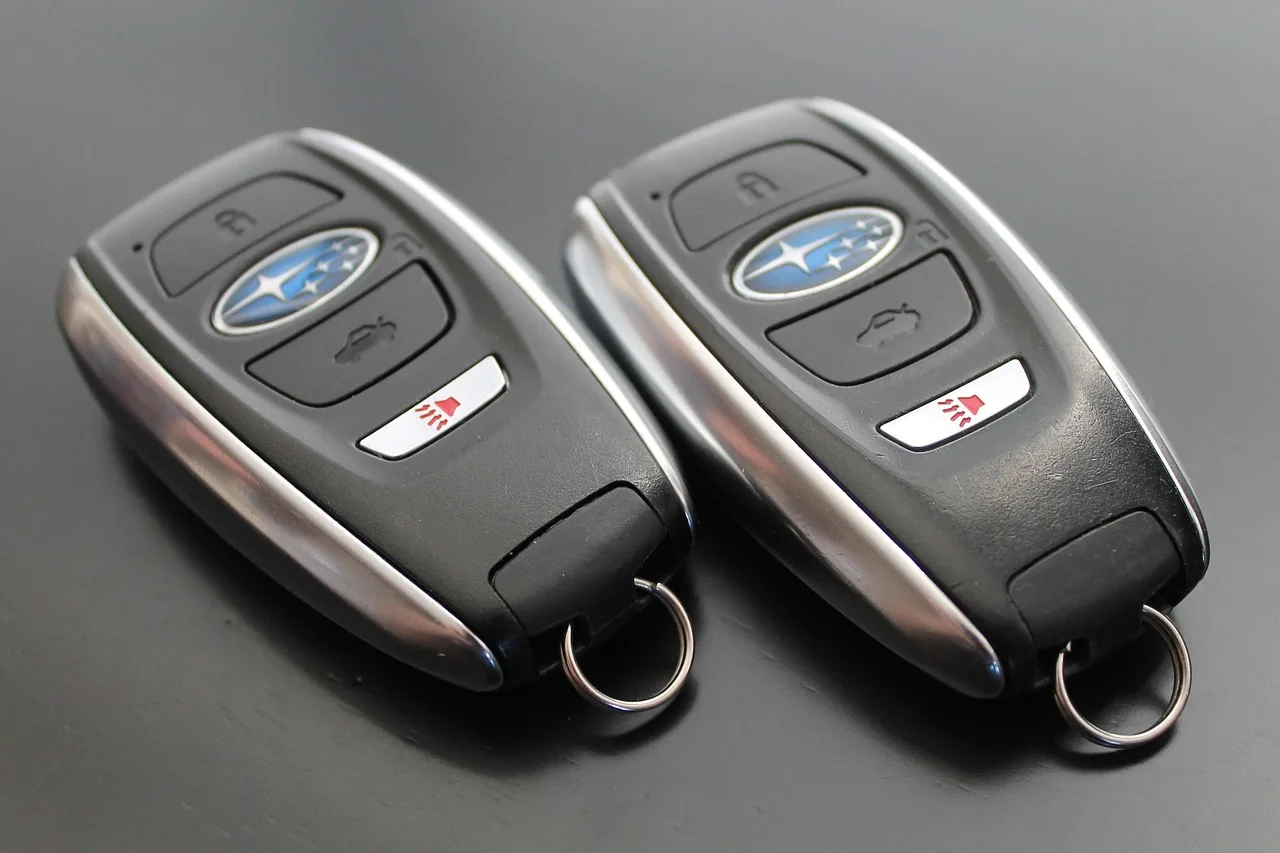
This is the right pick if you want a straightforward central locking kit for a 12V car and do not need a full security bundle. BANVIE gives you remote lock and unlock, trunk release, remote car-finding, and automatic central door locking while moving.
It fits the budget-minded buyer who wants convenience first, especially on an older car with existing central locking or a simple power-door setup. Cars Techie also points to this style of basic remote-lock kit as one of the options worth looking at for 2026, which fits the same low-complexity use case.
The drawback is that a universal kit like this can still be wiring-heavy if your car lacks a matching central locking module or if the factory setup needs adapters. It is not the best choice if you expect plug-and-play behavior, and it is not a remote-start or alarm solution.
Why it ranks here
BANVIE covers the core convenience features without moving into the complexity of a remote-start or alarm bundle. That keeps install effort lower than the security-first kits, while still giving you trunk release and auto-lock behavior that many basic buyers want.
Who it fits
It fits older-car owners, first-time DIY installers, and buyers who want a simple upgrade over manual locks. It also makes sense if you are replacing a weak or missing remote and want a low-cost entry point into keyless access.
Installation cautions
Check whether your car already has central locking before you buy. If it does not, you may need a full central locking kit with actuators and a control module, which changes both labor and total cost.
A common first-timer mistake is assuming the kit will “add” power locks by itself. On many older cars, the kit still needs compatible actuators in each door and a wiring path that matches the vehicle’s lock motors.
InstallGear Keyless Entry System: best for 4-door upgrades
This is the best fit if you are converting or refreshing a four-door vehicle and want all doors controlled from the remote. InstallGear includes four door actuators and two 3-button remotes, plus remote trunk release for added convenience.
That actuator count is the key difference. Genesis of Ithaca lists the Geevorks kit with four actuators and two remotes, which is the same kind of layout buyers should look for when they need a true 4-door central locking kit instead of a small add-on.
The drawback is install complexity. Four actuators mean more door panels off, more alignment work, and more chances that the wiring harness needs adapters or careful routing. If your vehicle already has working actuators, some of the hardware may be redundant, but if it does not, this kit can still be the cleaner path than piecing together parts separately.
Door actuator support
The extra actuators are what separate a true retrofit from a partial convenience add-on. If your car has no central locking system, a kit like this is usually closer to a complete solution because it supplies the hardware needed for all four doors.
Compatibility notes
Do not treat “4-door” as automatic compatibility. The wiring harness still has to match the vehicle’s lock layout, and some cars need adapters or a more involved install because the factory switch logic does not line up with the kit’s control box.
Compustar CS920-S: best for security and remote start

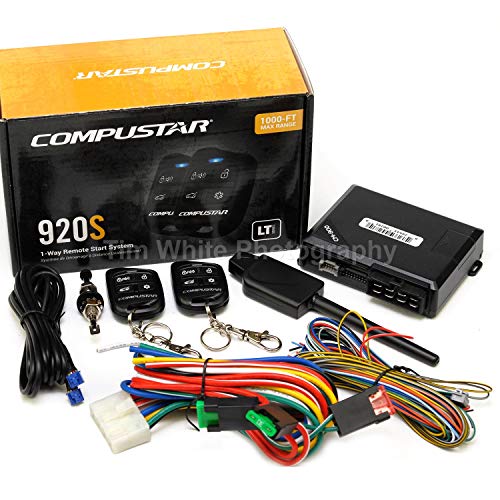
This is the pick for buyers who want a remote-start bundle with keyless entry instead of a plain lock-and-unlock kit. Compustar says the CS920-S is a 1-way remote start and keyless entry system with a 1500-ft range, and BestReviews lists it as a 1-way remote start and keyless entry system with 1000-ft range.
The appeal is simple: you get engine start/stop capability and more security-oriented convenience than a basic central locking kit. Automotive Guides Hub says the CS930-S bundle includes two 2-way remotes and one 1-way remote, which shows how Compustar positions this category when buyers want more feedback and more control.
The drawback is install complexity. Remote-start and alarm-style bundles usually bring more wiring, more bypass logic, and a stronger case for professional installation, especially if the vehicle’s immobilizer or factory security system needs extra integration.
1-way vs 2-way remotes
In practice, a 1-way remote sends commands but does not confirm status back to you. A 2-way remote adds feedback, which matters if you want to know whether the car actually locked, started, or triggered a security event.
That feedback comes with a practical tradeoff: 2-way systems are often better for confidence, while 1-way systems can be simpler and less expensive. Range claims also vary with interference, walls, body metal, and where you stand relative to the vehicle.
Security and start functions
Alarm integration is the bigger reason to move up to this class. BestReviews says InstallGear includes motion sensor alerts and two remotes, and BestReviews also identifies EASYGUARD as a PKE passive keyless entry car alarm system. Those are the kinds of features buyers should compare when theft deterrence matters more than plain convenience.
Which one should you buy?
If you have an older car with basic central locking, start with BANVIE. It gives you the core lock-and-unlock functions, trunk release, and auto-lock behavior without dragging you into the cost and wiring burden of a full alarm or remote-start bundle.
If you need a full 4-door retrofit, pick InstallGear. The included four actuators make it the more complete option when your vehicle does not already have the hardware in place, and the two remotes make it easier for shared use.
If you want security-first convenience, start with Compustar CS920-S. It is the better fit when you want remote start, wider feature depth, and the option to move toward alarm integration instead of stopping at basic locking.
When should you pay for professional installation? If the car needs added actuators, a bypass module, or a complicated alarm or remote-start tie-in, the labor often makes more sense than forcing a shaky DIY job. That is especially true when the vehicle has factory security features that can interfere with the new kit.
Buyer profile match
| Buyer profile | Best match | Why it fits |
|---|---|---|
| Older-car DIY owner | BANVIE | Basic 12V convenience, remote lock/unlock, trunk release, lower complexity |
| 4-door retrofit shopper | InstallGear | Four actuators, two remotes, better for a full central locking upgrade |
| Security-first buyer | Compustar CS920-S | Remote start, stronger feature set, better path toward alarm integration |
Keyless entry systems and vehicle fitment table
This table translates the product specs into buying decisions. It separates install effort from feature count, because those are not the same thing.
| System | Install difficulty | Door count support | Included remotes | Trunk release | Alarm or remote-start support | Compatibility notes |
|---|---|---|---|---|---|---|
| BANVIE | Moderate | Universal 12V; best with existing central locking | 4-button remote, quantity not stated in the product data | Yes | Auto-lock and car-finding; no remote start stated | Best for cars that already have power door lock wiring; may need added hardware on older vehicles |
| InstallGear | Moderate to hard | 4-door support with four actuators | Two 3-button remotes | Yes | No remote-start claim stated | Better fit when you need a full central locking kit and do not mind extra door and harness work |
| Compustar CS920-S | Hard | Universal keyless entry plus remote-start bundle | Two 1-way 4-button LED remotes | Not stated | Yes, remote start | Range is listed at 1500-ft by Automotive Guides Hub and 1000-ft by BestReviews; real-world reach depends on interference and layout |
What the table shows
The basic pattern is clear. The simpler the lock-only kit, the easier it is to match to a car that already has working central locking. The more you ask the system to do, the more likely it is that you will need a more complex harness, extra actuators, or professional labor.
Do not read “universal” as “works on every car.” Universal kits are usually designed for 12V vehicles, but the actual fit depends on lock type, actuator count, and whether the existing wiring can support the module.
Hidden install costs to plan
Those costs usually come from three places: extra actuators, adapter harnesses, and labor. A kit can look inexpensive until you add the parts needed to make it work on a specific vehicle, especially one without factory power locks.
Suppose your car has manual locks and no central locking module. In that case, a cheap remote kit can turn into a much larger project once you price the actuator set, the wiring adapters, and the time needed to mount everything cleanly.
Frequently asked questions
What is the best keyless entry system for my car?
The best system depends on what your car already has. If you want basic remote locking, choose a simple 12V kit with trunk release and auto-lock. If your car needs a full 4-door retrofit, pick a kit with actuators. If you want security and remote start, a bundle like Compustar is the better fit.
Which keyless entry system is easiest to install?
The easiest kits are usually the ones that match an existing central locking setup and do not add remote start or alarm logic. A basic remote-lock system is often simpler than a full alarm bundle because it needs less wiring, fewer bypass steps, and less integration with the vehicle’s security system.
Do universal keyless entry kits work on older cars?
Yes, many universal kits work on older cars, but only if the vehicle’s locking setup matches the kit’s wiring and actuator needs. If the car does not already have central locking, you may need extra actuators and a control module. That is where installation time and cost usually climb.
What features should I look for in an aftermarket keyless entry system?
Focus on 12V compatibility, door count support, included remotes, trunk release, auto-lock behavior, and whether the system supports alarm or remote-start functions. Range claims matter too, but treat them as estimates, not guarantees. Check whether the kit matches your car’s existing actuators and wiring before buying.
Do I need remote start or just lock and unlock?
If your goal is convenience, lock and unlock is usually enough. If you want to warm up or cool down the car before driving, remote start makes sense. The tradeoff is complexity: remote-start bundles usually cost more, need more wiring, and are more likely to push the job toward professional installation.
How far do keyless entry remotes work?
Range depends on the system and the environment. Compustar lists a 1500-ft range, while BestReviews lists the same model at 1000-ft, and Genesis of Ithaca lists a different kit at 50-80m. Walls, interference, and vehicle placement can shorten that distance in real use.
Are keyless entry systems compatible with 12V vehicles?
Most aftermarket keyless entry systems are aimed at 12V vehicles, but that is only the starting point. You still need to confirm door lock wiring, actuator count, and whether the kit is universal or model-specific. A 12V label does not guarantee a clean fit.
Can a keyless entry system include a trunk release?
Yes. Trunk release is a common convenience feature, and several kits include it as a separate output. It is handy, but it is not universal, so check the product details carefully. Some kits include it as standard; others leave it out or make it model-dependent.
Do I need professional installation for a keyless entry kit?
Not always. Basic lock-and-unlock kits can be within reach for a careful DIY installer, especially on older cars with straightforward central locking. Professional installation becomes more likely when the kit adds alarm functions, remote start, or extra actuators, because the wiring burden and failure risk both rise.
What is the difference between 1-way and 2-way keyless entry systems?
A 1-way system sends the command from the remote to the car. A 2-way system sends the command and then sends status back to you. In practical terms, 2-way remotes are better if you want confirmation that the car locked or started, while 1-way systems are simpler and usually less expensive.
Products related to this article
Sponsored / affiliate links. As an Amazon Associate I earn from qualifying purchases. I may earn additional commission from eligible campaigns.