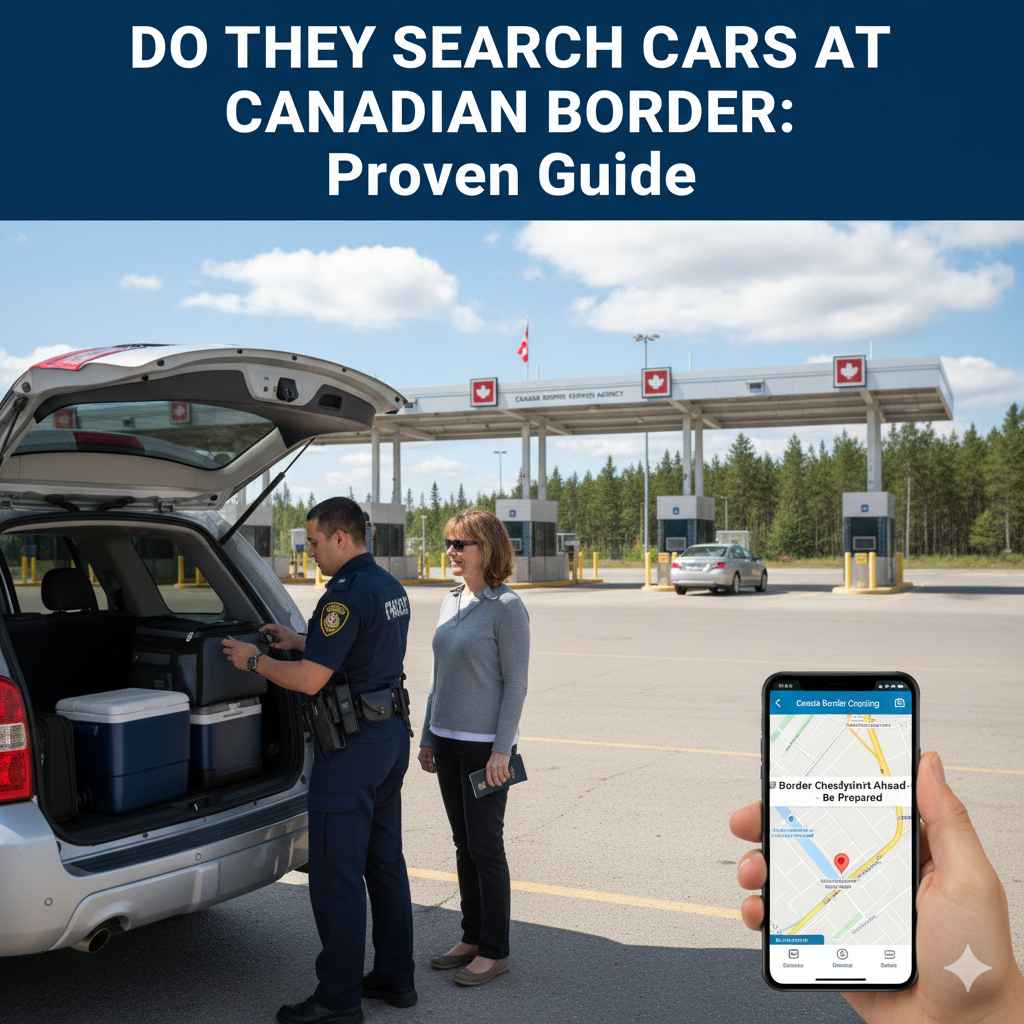
Do They Search Cars At Canadian Border: Proven Guide
Yes, Canadian border officials can and do search vehicles. While not every car is searched, they have the legal authority to inspect any vehicle crossing the border. Understanding the basics can make your trip smoother.
Crossing the border into Canada can be an exciting part of many road trips. You might be wondering if your car could be searched by Canadian border officials. This is a very common question, and it’s wise to be prepared. Don’t let the thought of a search cause you stress! With a little bit of knowledge and some simple preparation, you can feel confident about your journey. We’ll walk through what you need to know, step-by-step, to make your crossing as smooth as possible.
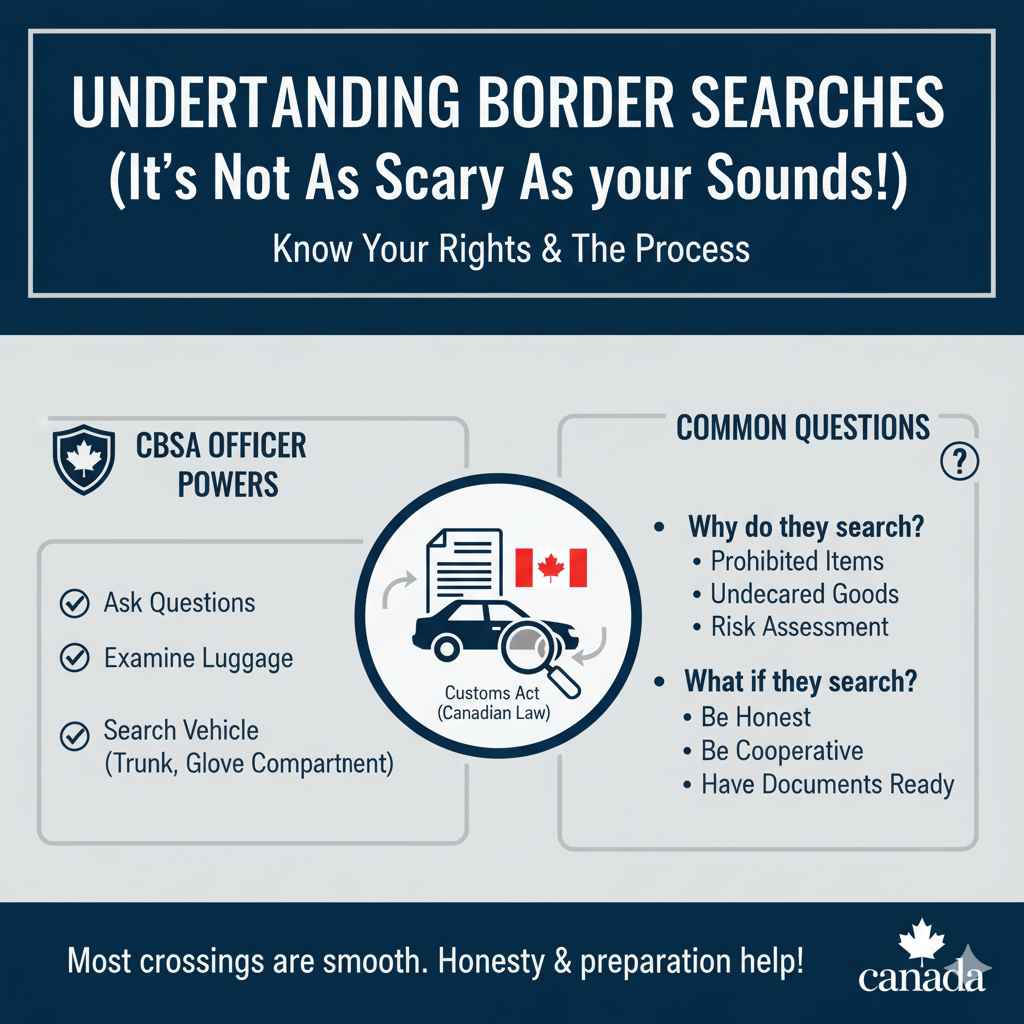
Understanding Border Searches (It’s Not As Scary As It Sounds!)
When you drive into Canada, you’re entering a different country with its own laws and regulations. Canada Border Services Agency (CBSA) officers are there to protect Canada’s borders and ensure that everyone and everything entering the country is allowed. This includes checking for prohibited items, undeclared goods, or anything that might be a risk.
It’s important to know that CBSA officers have broad powers when it comes to inspecting your vehicle. They can ask you questions, examine your luggage, and even search your car, including its trunk, glove compartment, and any hidden compartments. This power is granted under Canadian law, specifically the Customs Act.
The good news is that most crossings go without any issues. Searches are typically conducted for specific reasons, such as if something seems unusual during your declaration or if your vehicle triggers a further inspection. Being honest and prepared helps tremendously.
Why Might a Car Be Searched at the Canadian Border?
Several factors can lead to a vehicle being flagged for a closer inspection. Officers are trained to look for inconsistencies and potential risks. Here are some common reasons:
- Unusual Behavior or Nervousness: If an officer senses that a driver or passenger is unusually nervous, evasive, or provides conflicting answers, it might raise a red flag.
- Inconsistent Declarations: If what you declare doesn’t match what the officer observes, or if there are significant discrepancies in your story, this can lead to further questioning and a potential search.
- Unusual Odors: Certain strong or unusual smells, like those associated with illegal substances or agricultural products, can prompt a search.
- Suspicious Contents: If officers see items in plain view that appear unusual, prohibited, or undeclared (like large amounts of cash, certain animals, or unfamiliar plants), they may investigate further.
- Intelligence and Risk Assessment: Sometimes, a search is part of a broader intelligence operation or risk assessment. Your vehicle might be randomly selected, or there might be information suggesting a reason to inspect.
- Specific Goods or Items: If you are carrying items that require special permits or declarations (like certain firearms, large amounts of currency, or agricultural products), and these are not properly declared, it will lead to scrutiny.
- Vehicle Characteristics: Modified vehicles, or those with signs of tampering or unusual construction (like aftermarket panels or extra storage), might be subject to inspection.
The CBSA’s Traveler’s Guide also provides valuable information on what to expect when crossing.
What to Expect During a Border Search
If your vehicle is selected for a search, here’s a general idea of how it might unfold:
- Officer’s Instructions: The border services officer will typically ask you to pull over to a secondary inspection area. They will guide you on where to park and what to do next, such as exiting the vehicle or opening specific compartments.
- Questioning: Expect to be asked more detailed questions about your trip, your destination, the purpose of your visit, and the items you have with you. Be honest and straightforward in your answers.
- Visual Inspection: The officer will first conduct a visual inspection of the passenger compartment, trunk, and any visible storage areas.
- Manual Search: If the visual inspection doesn’t resolve their concerns, they may proceed to a more thorough manual search. This can involve opening containers, checking your luggage, and physically inspecting parts of your car.
- Use of Technology: In some cases, officers may use specialized equipment. This could include drug-sniffing dogs, radiation detectors, or even endoscopes to look into hard-to-reach areas.
- Specialized Searches: For more intensive inspections, your vehicle might be moved to a specialized inspection bay where it can be placed on a lift for underside examination or have its panels removed if suspicion remains high.
Remember, it is important to remain calm and cooperative throughout the process. Arguing or becoming confrontational is unlikely to help and can complicate matters further. The officers are performing their duties, and cooperation is key.
Proven Tips to Prepare Your Car for the Canadian Border
Preparation is your best tool for a smooth border crossing. Here are some proven tips to make sure your vehicle is ready and to minimize any potential issues:
1. Declutter and Organize Your Vehicle
A tidy car makes it easier for officers to inspect and shows you have nothing to hide. Before you leave, take some time to clean out your car. Remove unnecessary items, loose papers, and anything that could be mistaken for contraband or cause suspicion.
- Clear out the trunk: Only pack what you absolutely need for your trip.
- Organize the passenger area: Keep the dashboard, floor, and seats clear.
- Secure loose items: Make sure everything in your car is stored neatly in bags or containers.
2. Know What You’re Bringing
Honesty is the best policy. Be fully aware of the items you are traveling with and whether they are permitted in Canada.
- Prohibited and Restricted Items: Canada has strict rules about what you can and cannot bring. This includes certain weapons, drugs, excessive alcohol and tobacco, wildlife products, and some foods. You can find detailed lists on the CBSA website.
- Food, Plants, and Animals: These items often require special permits or may be completely prohibited to prevent the spread of diseases and pests. Never assume it’s okay to bring them; always check the rules.
- Currency: If you are carrying CAD $10,000 or more (or its equivalent in foreign currency), you must declare it. Failure to do so can lead to seizure and penalties.
- Gifts and Purchases: If you are bringing items into Canada that you purchased or received as gifts, be prepared to declare their value.
3. Ensure Vehicle Documentation is in Order
This is crucial for any border crossing.
- Vehicle Registration: Make sure you have the current registration for the vehicle.
- Proof of Insurance: Carry your auto insurance documentation. Ensure it is valid for travel in Canada.
- Driver’s License: Your valid driver’s license is a must.
- Birth Certificates/Passports: All passengers will need their identification, such as passports or birth certificates, depending on their citizenship and the type of trip.
- Vehicle Ownership (if applicable): If you are driving a vehicle that isn’t registered in your name (e.g., borrowed, company car), bring a letter of permission from the owner.
4. Be Prepared for Mechanical Checks
While not a primary reason for search, a well-maintained vehicle is generally less likely to raise concerns.
- Clean Windows and Lights: Ensure all your windows are clean and your headlights, taillights, and signals are working. A dirty or non-functional light can be an easy fix but good to check.
- Tires: Ensure your tires are in good condition and properly inflated.
- Seatbelts: Make sure all seatbelts are functional.
5. Prepare Your Luggage
Pack your luggage efficiently and consider easy access.
- Clear Suitcases: Avoid packing items in a way that looks like you’re trying to conceal something.
- No Suspicious Items in Plain Sight: Don’t leave any unusual items easily visible inside the car.
Common Misconceptions About Car Searches
There are a few things people often get wrong about border searches. Let’s clear them up:
- “They only search if you look suspicious.” While nervousness can be a factor, searches can also be random or based on intelligence, not just visual cues.
- “They can’t search my personal belongings.” Border officers have the legal authority to search your entire vehicle and all its contents if they have grounds to do so. This includes your luggage.
- “I didn’t declare it, so they won’t find it.” If officers find undeclared goods, you can face significant penalties, including fines and seizure of the goods or even the vehicle. Honesty is always better.
- “My car has tinted windows, so they can’t see inside.” While tinted windows might obscure immediate views, they don’t prevent a search. In fact, excessively dark tints might even draw more attention.
What to Do If Your Car Is Searched
If you find yourself in a secondary inspection, remember these key points:
- Stay Calm and Polite: Cooperate with the officers. Be respectful, answer questions clearly and truthfully, and follow their instructions.
- Don’t Volunteer Unnecessary Information: Answer the questions asked directly. Don’t offer extra details that weren’t requested, as this can sometimes lead to more questions or uncover issues you weren’t aware of.
- Ask Questions (Respectfully): If you don’t understand why your car is being searched or what is happening, you can politely ask for clarification. For example, “Could you please tell me why my vehicle is being searched?”
- Know Your Rights: While respecting the officers’ authority, you have rights. You do not have to consent to a search of your person if you are not being arrested, but you generally do have to consent to a search of your vehicle and belongings at the border. If the officers have reasonable suspicion or probable cause, they can search regardless of your consent.
- Document the Incident (Discreetly): If you feel you were treated unfairly or if your property was damaged, make a note of the officer’s name or badge number, the time, date, and location. You can file a formal complaint later, but do not do this at the border itself.
Important Information About What You Can and Cannot Bring
To further assist you, here’s a look at some common items and their status when crossing into Canada.
Table: Common Items – What to Know About Bringing Them into Canada
| Item Type | Canadian Border Considerations | Action Recommended |
|---|---|---|
| Alcohol & Tobacco | Subject to strict limits and declared at customs. Exceeding limits can result in seizure and penalties. | Declare all alcohol and tobacco. Know the specific quantity limits for travelers. |
| Firearms | Highly regulated. Many firearms are prohibited or restricted and require permits. | Declare ALL firearms, even if you believe they are legal to possess. Check CBSA and RCMP websites for specific regulations BEFORE traveling. Unauthorized firearms will be seized, and you may face prosecution. |
| Pets (Dogs/Cats) | Generally allowed if healthy and accompanied by a valid rabies vaccination certificate. Other pets may have stricter rules. | Check CFIA requirements. Ensure your pet has proper documentation. |
| Food (Fruits, Vegetables, Meats) | Many items are restricted or prohibited to prevent pests and diseases. Restrictions can change seasonally. | Declare ALL food items. Check the CFIA website for current regulations. Generally, small amounts of common items with proper labeling might be allowed, but it’s risky. |
| Cash (CAD $10,000+) | Must be declared. Failure to declare can lead to confiscation. | Declare any currency equal to or exceeding CAD $10,000. |
| Medications | Personal use quantities are generally allowed, but prescription medications should be in their original packaging with a prescription from your doctor. | Carry prescriptions. Do not carry excessive amounts. Be aware of Canada’s drug regulations. |
| Vehicles | Must meet Canadian safety and emissions standards. Some modifications might be problematic. | Ensure your vehicle meets Canadian standards. If it’s heavily modified, be prepared to explain and potentially show proof of compliance if asked. |
Always refer to official government websites for the most current and accurate information. Rules can and do change.
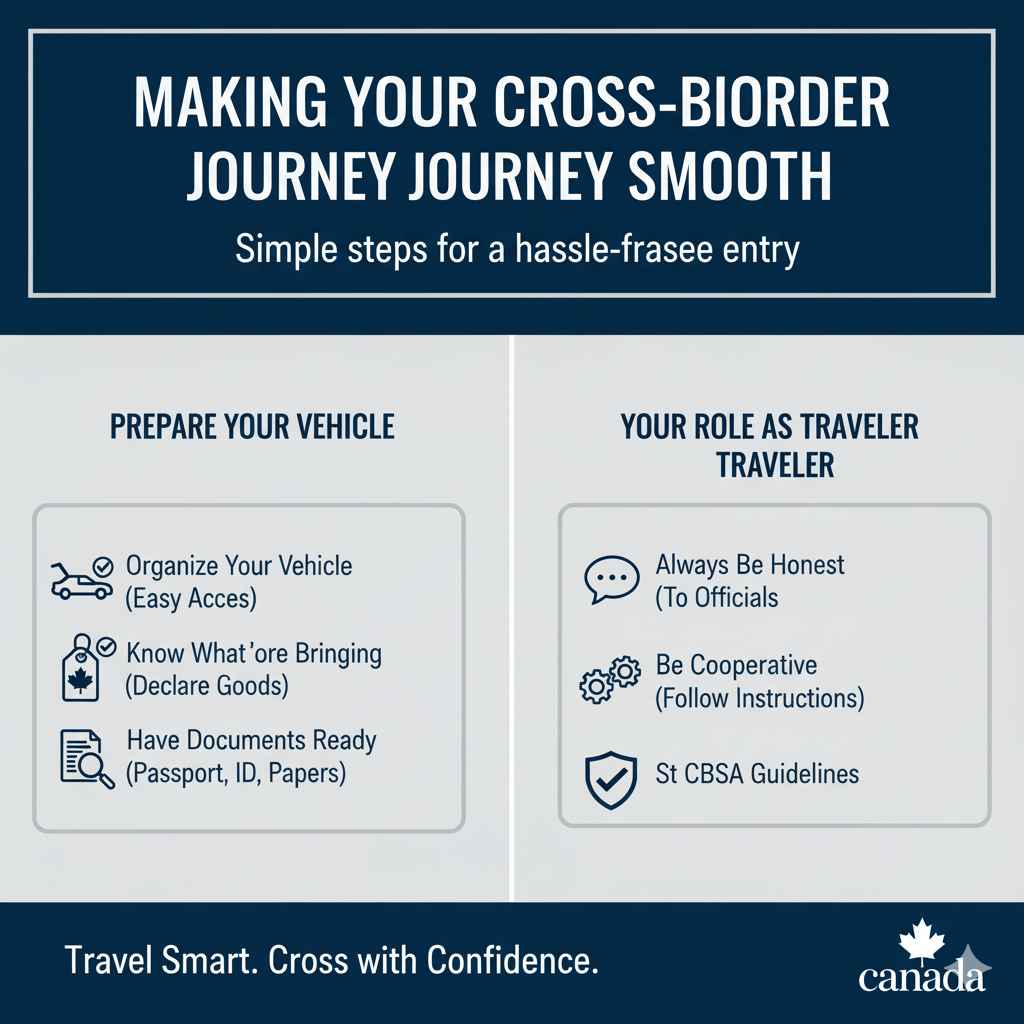
Making Your Cross-Border Journey Smooth
The primary goal of border officials is to ensure safety and security. By understanding their role and being well-prepared, you can significantly reduce any anxiety about your car being searched.
Think of preparing your car and yourself as part of the travel planning, just like packing your bags or booking a hotel. A clear, organized vehicle with all documentation in order, and a traveler who is honest and cooperative, is the best way to ensure a quick and hassle-free passage into Canada.
Remember the key takeaways: organize your vehicle, know what you’re bringing, have your documents ready, and always be honest.
Frequently Asked Questions (FAQ)
Q1: How often do they actually search cars at the Canadian border?
A1: Not every vehicle is searched. The vast majority of travelers pass through without their car being physically searched. Searches are either random, based on intelligence, or triggered by specific concerns raised during the initial questioning or observation period.
Q2: Can I refuse a search of my car at the Canadian border?
A2: At the Canadian border, CBSA officers have broad authority to examine any goods or vehicles entering Canada. While you can’t verbally refuse a search, if you object strongly, they may detain the vehicle for a more thorough search by specialized teams. It’s generally advisable to remain cooperative.
Q3: What should I do if my car is damaged during a search?
A3: If you believe your vehicle was damaged during a search, politely inform the officer immediately and note any visible damage. Keep all documentation related to the search and any damage. You can formally report the incident to the CBSA after your journey. Visit the CBSA website for complaint procedures.
Q4: Are there any special rules if I’m bringing a rental car into Canada?
A4: Most major rental car companies allow their vehicles to be driven into Canada. However, you must check with your specific rental agency. You may need written authorization from the company and proof of insurance that covers cross-border travel. Always confirm this before your trip.
Q5: Can they search my mobile phone at the border?
A5: Yes, Canadian border officers have the legal authority to examine electronic devices, including mobile phones, laptops, and other digital media, upon entry into Canada. They can ask to see the contents or even seize devices if they suspect illegal activity or prohibited content.
Q6: What if I have purchased items in the US that I want to bring back to Canada?
A6: You must declare all goods purchased outside of Canada. You are allowed certain duty-free exemptions, but you must declare everything to the CBSA officer so they can assess if duties or taxes apply. Failing to declare can lead to penalties.
Q7: Is it helpful to have my car professionally detailed before crossing?
A7: While a clean car is beneficial, a professional detail isn’t strictly necessary. The key is organization and decluttering. Ensuring your trunk is clear of non-essential items and your interior is tidy makes it easier for officers to inspect, showing you have nothing to hide rather than an expensive clean. Focus on practicality over aesthetics.