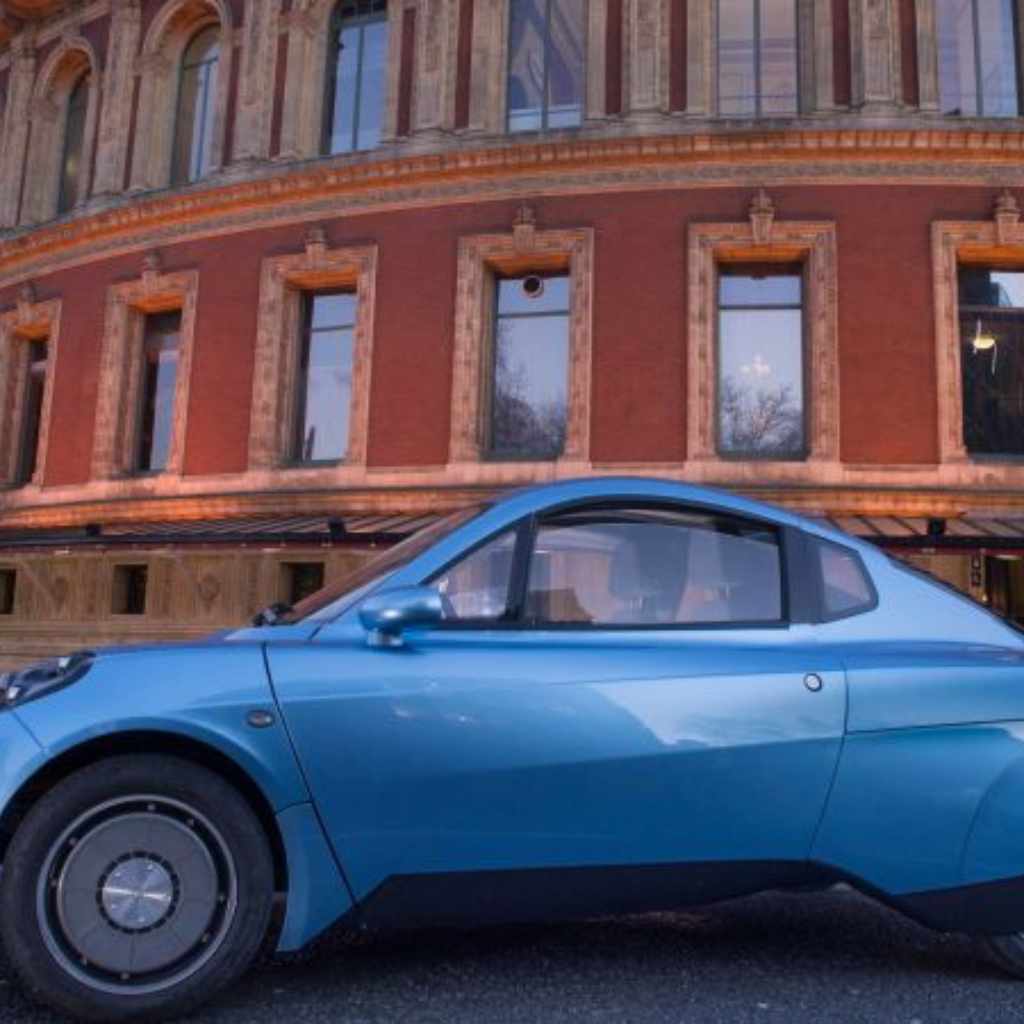
Do Water-Powered Cars Actually Exist Unveiled?
Lots of people wonder, “Do Water-Powered Cars Actually Exist?” It’s a popular question because the idea sounds amazing, right? Like magic fuel straight from your tap! For beginners, it can seem confusing because there’s so much information out there, some of it quite technical.
But don’t worry! We’re going to break it all down super simply. Think of this as your easy guide, step by step.
We’ll get to the bottom of this, and what’s coming up next will make things crystal clear.
Do Water-Powered Cars Actually Exist Explained
The idea of cars running on water is a dream for many. Imagine never having to visit a gas station again, just filling up your tank with water. It sparks a lot of curiosity and excitement.
When people ask, “Do Water-Powered Cars Actually Exist?“, they’re often looking for a clear answer about whether this technology is real or just science fiction. The concept usually involves splitting water into hydrogen and oxygen, and then using that hydrogen as fuel. This process is known as electrolysis.
The Science Behind Water as Fuel
Water, or H2O, is made up of hydrogen and oxygen atoms. Hydrogen is a highly combustible gas, and it burns very cleanly, producing only water vapor as a byproduct. This is where the idea of water-powered cars comes from.
The thought is that you could use an onboard system to split water into hydrogen and oxygen, then use the hydrogen to power an engine. This would theoretically make the car emit only water vapor, which is environmentally friendly.
Electrolysis Explained Simply
Electrolysis is the process of using electricity to break down a substance. In the case of water, it involves passing an electric current through water. This current separates the water molecules into their constituent elements: hydrogen gas (H2) and oxygen gas (O2).
For this to happen, you need an energy source to provide the electricity. This is a key point because the energy needed for electrolysis must come from somewhere.
The energy required to split water molecules is significant. It’s like trying to break apart tiny LEGO bricks that are stuck together really well. You need a good amount of force, or in this case, electricity, to do it.
The energy you get back from burning the hydrogen is, at best, equal to the energy you put in to split the water in the first place. In reality, due to inefficiencies in any system, you always get less energy out than you put in. This is a fundamental law of physics.

Current Technology and Challenges
So, do water-powered cars exist? The short answer is no, not in the way most people imagine. While cars that use hydrogen as fuel do exist, they are called hydrogen fuel cell vehicles.
These cars carry compressed hydrogen gas in a tank, which they then convert into electricity to power the car. They don’t split water onboard to create their fuel.
The idea of an “onboard” water-splitting system that powers a car has been explored for decades, but it faces major hurdles. The primary challenge is energy efficiency. To split water through electrolysis, you need a substantial amount of electrical energy.
If that electricity comes from the car’s engine (like a standard internal combustion engine or even a battery), you’re essentially using fuel to create more fuel, and you lose energy in the process. It’s like trying to fill your gas tank by siphoning gas from another car – you’ll end up with less gas overall due to spills and the effort involved.
Hydrogen Fuel Cell Vehicles
Hydrogen fuel cell vehicles (FCVs) are a real and developing technology. These cars use a fuel cell to combine hydrogen from a tank with oxygen from the air. This chemical reaction produces electricity, which powers the electric motor that drives the car.
The only emission from these vehicles is water vapor.
However, FCVs are not “water-powered” in the sense of simply adding water to a tank and driving away. They require a dedicated hydrogen infrastructure for refueling, which is still very limited. The production of hydrogen itself can also be energy-intensive and may rely on fossil fuels, which impacts its overall environmental friendliness.
Common Misconceptions and Hoaxes
The idea of a car that runs solely on water has attracted many inventors and dreamers over the years. Unfortunately, it has also been a fertile ground for hoaxes and scams. Many claims have been made about devices that can supposedly convert water into a limitless fuel source, allowing cars to run for free or for very little cost.
These claims often fail to account for the laws of thermodynamics, particularly the conservation of energy. It’s impossible to get more energy out of a system than you put into it. If a device claims to split water and produce enough hydrogen to power a car without a significant external energy input, it’s highly likely to be a scam.
These “inventors” often use misleading demonstrations or rely on viewers’ lack of scientific knowledge.
Why the Fascination?
The fascination with water-powered cars stems from a desire for a cleaner, cheaper, and more sustainable form of transportation. Water is abundant and readily available, making the idea incredibly appealing. It represents a potential solution to our reliance on fossil fuels and the environmental problems associated with them.
This powerful ideal keeps the dream alive, even when the science presents significant challenges.
Examining Specific “Water-Powered” Systems
Over the years, various inventors have claimed to have created cars that run on water or water-based systems. One of the most talked-about concepts involves using “HHO gas” or “Brown’s Gas,” which is essentially a mixture of hydrogen and oxygen produced through electrolysis.
HHO Generators
HHO generators are devices designed to produce this hydrogen-oxygen mixture from water using electrolysis. Proponents often claim that these generators can be fitted to conventional gasoline or diesel engines to improve fuel efficiency or even replace gasoline altogether. The idea is that the HHO gas supplements the main fuel, leading to more complete combustion and thus better mileage.
However, scientific reviews and independent testing of these systems have consistently shown that the amount of HHO gas produced is too small to have a significant impact on fuel consumption. Furthermore, the electrical energy required to run the HHO generator often negates any perceived fuel savings. In many cases, the energy drawn from the car’s alternator to power the electrolysis is greater than the energy gained from the resulting hydrogen combustion.
This means the car actually uses more fuel to power the HHO generator.
The Physics of Energy Conservation
At the heart of the “water-powered car” debate lies the fundamental principle of energy conservation. The first law of thermodynamics states that energy cannot be created or destroyed, only changed from one form to another.
When you split water into hydrogen and oxygen through electrolysis, you are putting energy into the system. When you then burn that hydrogen, you release energy. However, due to inefficiencies in the electrolysis process and the combustion process, the energy released from burning the hydrogen will always be less than the energy you used to split the water.
This means you cannot create a system that generates its own fuel from water and produces a net gain in usable energy. To power a car, you need a significant amount of energy, and water alone, without an external energy source, cannot provide it.
Analogy of a Perpetual Motion Machine
The concept of a water-powered car that runs indefinitely on just water is akin to a perpetual motion machine. A perpetual motion machine is a hypothetical device that could do work indefinitely without an external energy source. Such machines are impossible according to the laws of physics.
Similarly, a car that runs purely on water without any other energy input would violate these fundamental laws.
Comparison of Hydrogen Technologies
It’s important to distinguish between different ways hydrogen can be used as a fuel.
| Technology | How It Works | Energy Source | Onboard Water Use |
|---|---|---|---|
| Hydrogen Fuel Cell Vehicle (FCV) | Combines stored hydrogen with oxygen to produce electricity. | External hydrogen refueling stations. | No, uses pre-produced hydrogen. |
| HHO Generator Systems | Splits water on-board using electricity to produce HHO gas. | On-board electricity (from car’s engine/alternator). | Yes, attempts to split water in real-time. |
| “Water-Powered Car” (Hypothetical) | Splits water into hydrogen and oxygen, then burns hydrogen for power. | Water itself (claimed). | Yes, intended as the sole fuel. |
As the table shows, only the hypothetical “water-powered car” and the HHO generator systems claim to use water directly as the primary fuel source via on-board splitting. FCVs, while using hydrogen, rely on an external supply chain for their fuel.
The Future of Hydrogen and Water
While cars that run on water are not currently a practical reality, hydrogen technology is a significant area of development for sustainable transportation. Researchers are working on making hydrogen production more efficient and less carbon-intensive. Methods like electrolysis powered by renewable energy sources (solar, wind) can produce “green hydrogen,” which offers a much cleaner fuel cycle.
The infrastructure for hydrogen fueling stations is a major hurdle, as is the cost of hydrogen fuel cell technology. However, as these challenges are addressed, hydrogen fuel cell vehicles are expected to play a role in the future of transportation, especially for heavy-duty vehicles and longer-distance travel where battery electric vehicles might face limitations.
Frequently Asked Questions
Question: Can I convert my current car to run on water?
Answer: No, you cannot safely or practically convert a standard gasoline or diesel car to run on water. Systems that claim to do this, often involving HHO generators, have not been proven to work effectively and can potentially harm your engine or electrical system. The fundamental energy requirements make it impossible.
Question: Are there any cars that use water as a byproduct?
Answer: Yes, hydrogen fuel cell vehicles (FCVs) produce only water vapor as a byproduct when their hydrogen fuel reacts with oxygen. These cars do not run on water directly, but they emit water.
Question: Is hydrogen produced from water a clean fuel?
Answer: Hydrogen can be a clean fuel, but its cleanliness depends on how it is produced. If hydrogen is produced through electrolysis powered by renewable energy sources, it is considered “green” and very clean. If it’s produced using fossil fuels, it’s not as environmentally friendly.
Question: Why do so many people believe water-powered cars are real?
Answer: The idea is very appealing due to the abundance of water and the desire for clean, free energy. Misinformation, sensational claims by inventors, and a lack of understanding about thermodynamics have contributed to this belief.
Question: What is the main scientific reason why water-powered cars don’t work as commonly imagined?
Answer: The main reason is the law of conservation of energy. It takes more energy to split water into hydrogen and oxygen than you can get back by burning the hydrogen. You can’t create energy out of nothing.
Final Thoughts
So, we’ve explored the question: Do Water-Powered Cars Actually Exist? The simple truth is that cars running solely on water by splitting it onboard are not a reality due to fundamental scientific principles. While the dream of filling up your car with water from a tap is enticing, it goes against the laws of physics, specifically the conservation of energy. The energy needed to split water into hydrogen and oxygen is always greater than the energy you can get back from burning that hydrogen.
Many systems claiming to achieve this are either ineffective or outright hoaxes. However, this doesn’t mean hydrogen itself isn’t a part of future transportation. Hydrogen fuel cell vehicles are a real technology, but they require a supply of hydrogen, not just water from a tank.
Keep an open mind about new energy solutions, but always rely on proven science and technology. If you’re interested in the future of clean vehicles, look into the advancements in hydrogen fuel cells and battery electric vehicles, which are making real progress.