Does A Car Battery Charge When Idling? The Real Answer
Yes, a car battery can and does charge when a car is idling. The alternator produces electricity whenever the engine is running, and this electricity is used to power the car’s electrical systems and recharge the battery. However, the rate of charge is generally slower at idle speeds compared to driving speeds.
Understanding Your Car’s Charging System
Your car’s electrical system is pretty amazing. It all starts with the engine. When your engine runs, it turns a part called the alternator.
Think of the alternator as a small generator. Its main job is to make electricity.
This electricity does two important things. First, it powers everything that uses electricity in your car. This includes your headlights, radio, power windows, and the car’s computer.
Second, it sends extra electricity back to the battery to recharge it. The battery is like a storage tank for this electrical energy.
The battery’s role is to give the engine that first big burst of power to start. It also provides electricity when the engine is off. But when the engine is on, the alternator takes over.
It makes more power than the car usually needs. This extra power is what keeps the battery full.
My Own Idling Battery Scare
I remember this one time, I was stuck in bumper-to-bumper traffic for what felt like hours. It was a sweltering summer day in July. The air conditioning was blasting, the radio was on, and my car’s lights were on because it was getting dark.
Suddenly, a warning light flashed on my dashboard – the battery light!
My heart sank. I thought for sure my battery was dead. I imagined being stranded on the side of the highway.
I kept the engine running, but I started turning off accessories. I switched off the radio and the AC. I worried the slow crawl of traffic and the constant electrical drain were too much for the alternator.
What I didn’t fully grasp then was how much the alternator was actually doing, even at idle. It was working hard to keep up. Luckily, the traffic cleared up, and after driving a bit, the battery light went off.
It was a stressful hour, and it made me really want to understand how this whole charging thing worked.
Idling vs. Driving: What’s the Difference?
Idle Speed: The engine runs at its lowest stable speed, usually 600-900 RPM (revolutions per minute). The alternator spins slower here. It still makes power, but less than at higher speeds.
Driving Speed: The engine spins much faster, maybe 2000-3000 RPM or more. The alternator spins faster too. This means it generates more electricity.
Key Point: The alternator’s output depends on engine speed. Faster engine speed means more electrical output.
How Your Alternator Works
The alternator is driven by a belt connected to the engine’s crankshaft. When the engine turns, the belt turns the alternator. Inside the alternator, spinning magnets create an electric current.
This current is then converted to the type of electricity your car needs.
The amount of electricity the alternator makes changes with how fast the engine is spinning. At low engine speeds, like when you’re idling, the alternator spins slower. This means it produces less electricity.
At higher engine speeds, when you’re driving on the highway, the alternator spins much faster. It then produces much more electricity.
A small device called a voltage regulator is also key. It controls how much electricity the alternator produces. It makes sure the alternator doesn’t make too much power, which could damage the battery or other electrical parts.
It also ensures enough power is made to keep everything running and the battery charged.
When Idling Might Not Be Enough
While your battery does charge at idle, it might not charge as fast as it needs to. Imagine a car with many electrical things running. This includes things like air conditioning, heated seats, a powerful stereo, and maybe even aftermarket lights.
All these things use a lot of power.
If the engine is just idling, the alternator might not be making enough electricity to power all of these things and fully recharge the battery. In this situation, the battery might start to slowly lose charge, even though the engine is running. This is what happened to me in that traffic jam.
Modern cars have a lot of electronics. These systems are always drawing some power. Even when the car is off, some systems stay “awake” and use a little bit of electricity.
This is called parasitic draw.
Parasitic Draw: What is it?
Definition: Electricity that is used by your car’s systems when the ignition is off.
Normal Draw: Most cars have a small, normal parasitic draw. This powers things like the clock, radio memory, and keyless entry system. This is usually very low.
Abnormal Draw: Sometimes, a faulty component or a short circuit can cause a much higher draw. This can drain the battery quickly, even overnight.
Tip: If your car battery dies often, a mechanic can test for excessive parasitic draw.
Battery Health and Age Matter
The health of your car battery itself plays a big role. An older battery doesn’t hold a charge as well as a new one. If your battery is several years old, it might not be able to accept a full charge as efficiently.
It might also struggle to provide enough power during high-demand situations.
When batteries get old, their internal chemistry changes. They can develop sulfation, which is a buildup of lead sulfate crystals. This buildup makes it harder for the battery to store and release electricity.
So, even if the alternator is working perfectly, an old battery might not perform as it should.
This is why regular battery checks are important. Many auto parts stores will test your battery for free. They can tell you if it’s still in good condition or if it’s time for a replacement.
A weak battery might seem like an alternator problem, but it’s often just an aging battery.
What Happens When You Drive
When you drive your car, especially at highway speeds, your engine runs at a higher RPM. This means the alternator spins faster. A faster-spinning alternator produces more electricity.
This increased electrical output does two things very effectively. First, it easily powers all your car’s electrical systems, even if you have a lot of things turned on. Second, it sends a significant amount of surplus electricity to the battery.
This surplus is what rapidly recharges the battery.
Think of it like filling a bucket with a hose. If the hose is just trickling, it takes a long time to fill the bucket. If you turn the water pressure up high, the bucket fills up much faster.
Driving is like turning the water pressure up on your alternator.
Alternator Output Levels
At Idle (Low RPM): Output is lower. Sufficient for basic needs and slow battery charging.
At Moderate Speed (e.g., City Driving): Output increases. Can handle most electrical demands and moderate battery charging.
At Highway Speed (High RPM): Output is highest. Easily powers all systems and provides rapid battery charging.
Factors Affecting Output: Engine RPM, alternator condition, battery condition, and electrical load.
Understanding Battery Charging Indicators
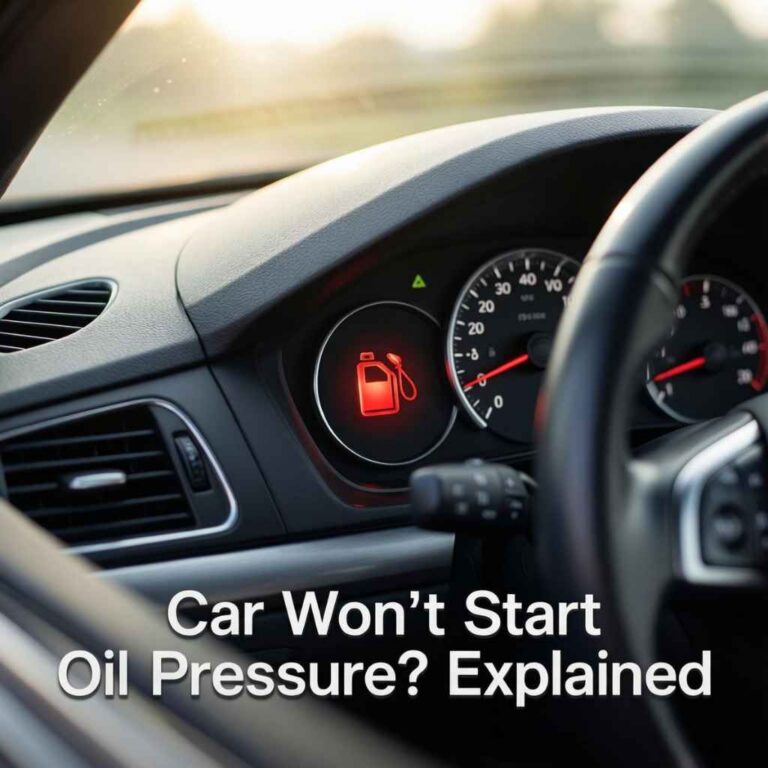
Your car has a battery warning light on the dashboard. This light usually comes on when the system detects a problem with charging. It could mean the alternator isn’t producing enough electricity, or there’s an issue with the battery itself or the wiring connections.
Sometimes, this light can flicker or come on intermittently. This might happen when you have a lot of electrical accessories running, especially at lower engine speeds. It’s your car’s way of telling you the system is working hard to keep up.
If the light stays on constantly, it’s a sign you should get it checked out by a mechanic. Ignoring it could lead to the battery draining completely, leaving you stranded. A professional can test the alternator, battery, and all the related wiring to find the exact cause.
Real-World Scenarios
Let’s look at some everyday situations. Picture a delivery driver. They make many short trips and spend a lot of time idling while making deliveries.
If they have a lot of equipment running (like a scanner, GPS, and refrigeration for perishable goods), their battery might get drained during the day.
Then consider someone commuting on the highway. Their engine stays at high RPMs for extended periods. Their alternator is working at peak efficiency.
This scenario is great for keeping the battery fully charged and healthy. The longer and faster you drive, the more the battery gets a good charge.
Even the weather can play a role. In very cold weather, a battery’s ability to accept a charge is reduced. Also, cold weather makes the engine oil thicker, requiring more power from the battery to start the engine.
This means the alternator has to work harder to recharge it afterward.
Quick Scan: Charging Behavior
- Scenario: Short trip, mostly idling in city traffic.
- Charging Rate: Slow to moderate.
- Potential Risk: Battery might not fully recharge if electrical load is high.
- Scenario: Long highway drive.
- Charging Rate: Fast and efficient.
- Potential Benefit: Battery fully recharges, alternator runs smoothly.
What This Means for Your Car
So, does a car battery charge when idling? Yes, it does. But the crucial point is how much it charges.
For most daily driving, where you have a mix of city and highway driving, the system usually stays balanced. The alternator makes enough power at higher speeds to compensate for any slower charging at idle.
However, if your car spends a lot of time idling with many accessories running, you might put extra strain on your battery. This is especially true if your battery is older or not in peak condition. In these cases, occasional longer drives can help ensure it gets a good, full charge.
It’s also worth noting that idling for very long periods, especially in extreme weather (hot or cold), can put extra wear on your engine and may not be the most fuel-efficient way to run. Many modern cars have features like start-stop technology to help with this.
When to Worry (and When Not To)
It’s normal for the battery light to briefly flash on and then off when you first start your car. It’s also normal for it to come on if you have many powerful accessories running while idling. This just means the system is under a heavy load.
You should worry if the battery light stays on continuously. This indicates a serious problem with the charging system. It could be the alternator, the voltage regulator, a loose belt, or a wiring issue.
Another sign to worry is if your car’s electronics start acting strange, like dimming headlights or a struggling starter motor.
If your car battery dies suddenly, and you haven’t had any warning lights, it could be an aging battery that finally gave up. Or, as mentioned, it could be a significant parasitic draw. A mechanic can diagnose these issues accurately.
Normal vs. Concerning
Normal: Battery light on briefly at startup. Light on momentarily during heavy electrical load at idle. Battery starts the car fine and holds a charge for months.
Concerning: Battery light stays on. Dim headlights. Slow engine cranking.
Car dies unexpectedly. Repeated dead battery issues. Strange electrical behavior.
Quick Tips for Battery Health
Keeping your battery healthy isn’t complicated. Here are a few easy things you can do:
- Regular Checks: Have your battery tested annually, especially if it’s over three years old.
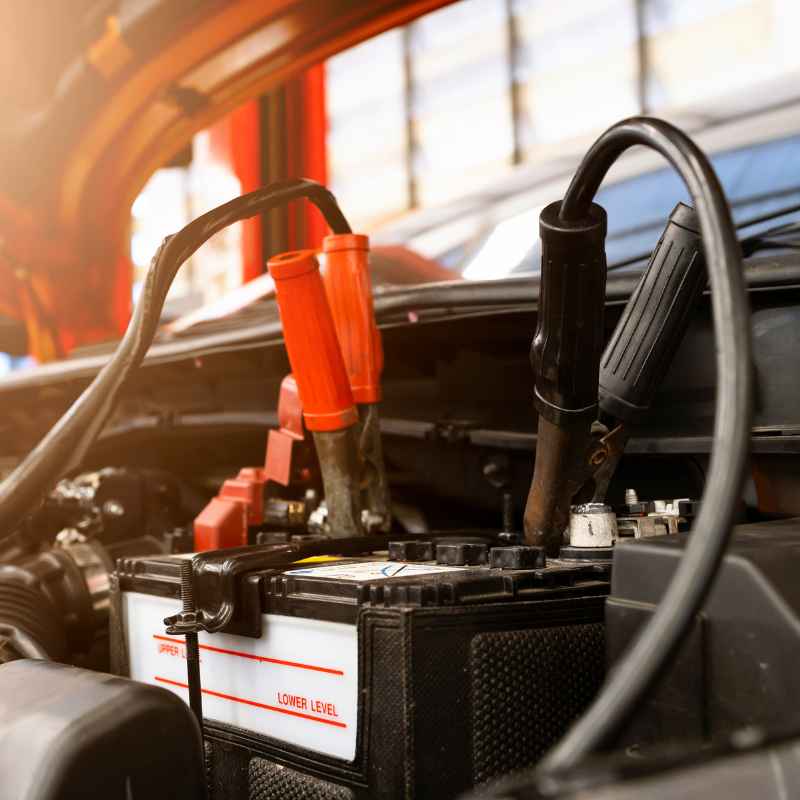
- Clean Terminals: Make sure the battery terminals (where the cables connect) are clean and free of corrosion. Corrosion can block electricity flow.
- Secure Connections: Ensure the battery cables are tight and secure. Loose connections are a common cause of charging problems.
- Mind the Load: While idling, try not to run every single electrical accessory at once, especially if your battery is older.
- Occasional Drive: If you do a lot of short trips or idling, try to take your car for a longer drive (at least 20-30 minutes at highway speeds) once every few weeks. This ensures a good recharge.
- Know Your Battery: Understand the age and condition of your battery. Replacing an old battery proactively can prevent bigger headaches.
Frequently Asked Questions
Does leaving my car idling for an hour charge the battery?
Yes, your car battery will charge while idling. However, the rate of charge is slower than when driving. If you have many electrical accessories running, the battery might not fully recharge, and could even slowly drain.
Is it bad for my car battery to idle for long periods?
Prolonged idling can be less efficient for charging, especially if the battery is old or electrical demands are high. It doesn’t necessarily hurt the battery directly, but it might not provide an optimal charge. It’s also not great for fuel economy or engine wear over time.
How long does it take to charge a car battery while idling?
It’s hard to give an exact time. A small charge happens, but it’s slow. To fully recharge a significantly discharged battery, you’d likely need to drive for an hour or more at good speeds.
Idling might only trickle charge it.
What’s the difference between charging at idle and driving?
When idling, the engine (and alternator) spins slower, producing less electricity. When driving, especially at higher speeds, the engine spins faster, and the alternator produces more electricity, allowing for much faster and more complete battery charging.
My car battery light is on while idling. What does that mean?
This usually means the alternator is not producing enough electricity to power the car’s systems and charge the battery. It could be a problem with the alternator itself, the voltage regulator, a loose drive belt, or a bad connection. You should have it checked immediately.
Can a car run solely on battery power without the engine?
No, a traditional car cannot run solely on battery power. The battery provides the initial starting power and backup electricity. The alternator generates power to run the car’s systems and recharge the battery whenever the engine is running.
Final Thoughts
So, to wrap it up: your car battery absolutely charges when the engine is idling. It’s a basic function of your car’s electrical system. Just remember that the charging rate is lower at idle.
For optimal battery health and to ensure a full charge, regular driving is best. Pay attention to your car’s warning lights, and keep your battery in good shape!
Products related to this article
Sponsored / affiliate links. As an Amazon Associate I earn from qualifying purchases. I may earn additional commission from eligible campaigns.