What Does Battery Saver Active Mean On A Car? Explained
But what does this message actually mean for your car? And more importantly, what should you do about it? This message isn’t always a sign of immediate doom — see our related guide, What Does EML Mean on BMW? Warning Light Explained.
It often points to a specific situation your car’s computer has detected. Understanding what triggers it can save you a lot of stress. We’ll break down exactly what “Battery Saver Active” means.
We’ll also explore why your car might be telling you this. Plus, we’ll cover what steps you can take. This will help you get back on the road with confidence.
The “Battery Saver Active” message on your car’s dashboard indicates the vehicle’s system has detected low battery voltage. It then takes steps to conserve power by shutting off non-essential electrical accessories. This message doesn’t always mean your battery is dead, but it does signal a need to investigate potential charging system issues.
Understanding Battery Saver Active
Let’s dive into what this message is all about. Think of your car’s battery like its heart. It provides the initial jolt of power to start the engine.
Then, the alternator takes over to keep everything running and recharge the battery. The battery is a crucial part of the car’s electrical system. It stores energy.
This energy powers everything from your headlights to your radio. It even helps start the engine.
When you see “Battery Saver Active,” it means your car’s internal computer has noticed the battery’s voltage is lower than it should be. This is usually a sign that the battery isn’t getting enough charge. Or it could mean the battery itself is weak.
The car’s computer is designed to protect itself and the engine. It does this by temporarily turning off things that use a lot of power. These are called non-essential accessories.
This helps ensure that there’s enough power left to keep the engine running. It also makes sure there’s enough power to start the car again later. So, while it’s a warning, it’s also a smart safety feature.
It’s trying to prevent you from being stranded. It’s a bit like a phone that warns you about low battery. It then turns off background apps to make the battery last longer.
What kind of accessories get turned off? It varies by car model. Common examples include the radio or infotainment system.
Sometimes interior lights dim or turn off. Power seats might become less responsive. Even the air conditioning might blow less cool air.
Features like heated seats or mirrors are often disabled first. The goal is always to reduce the electrical load. This gives the charging system a better chance to recover.

My Own Close Call: That “Battery Saver Active” Scare
I remember one particularly chilly morning a few years back. I was heading out early for a client meeting. The car had been sitting outside overnight.
It was one of those really cold snaps we get here in the Midwest. As I turned the key, the engine sputtered a bit more than usual. Then, right after it caught and settled into an idle, the dashboard lit up like a Christmas tree.
But instead of festive lights, I saw that dreaded message: “Battery Saver Active.”
My heart sank. I had a tight schedule. The thought of being stuck with a dead car was a cold wave of panic.
I looked at the clock. I already felt behind. I started to question everything.
Did I leave a light on? Did I forget to turn off the radio last night? I was certain I hadn’t.
I’m usually so careful about that. I saw the radio display go dim. The air coming from the vents felt less powerful.
It was a clear sign the car was indeed trying to save power.
For a moment, I just sat there, frozen by the sudden worry. I tapped the steering wheel, feeling a bit helpless. I knew I needed to get moving.
So, I decided to risk it. I put the car in drive and gently started pulling out of my driveway. I kept the radio off.
I avoided turning on the heated seats, even though I was shivering. I drove a bit slower than usual. I was listening for any strange sounds.
I was watching the dashboard like a hawk, half expecting the engine to just cut out.
Thankfully, the car kept going. After about 15 minutes of driving, the message disappeared. The radio came back to full brightness.
The AC started blowing cold air again. When I arrived at my client’s office, I was a bundle of nerves but relieved. That experience taught me a valuable lesson.
It showed me how sophisticated modern cars are. They can detect problems and try to manage them. But it also highlighted the importance of understanding these messages.
It’s not just a technical warning; it’s a signal that needs attention.
Why Your Car Might Show “Battery Saver Active”
Underlying Cause: Low Battery Voltage
The core reason your car shows this message is a detected drop in battery voltage. This means the battery isn’t holding its usual charge. Or the system isn’t recharging it properly.
Potential Culprits:
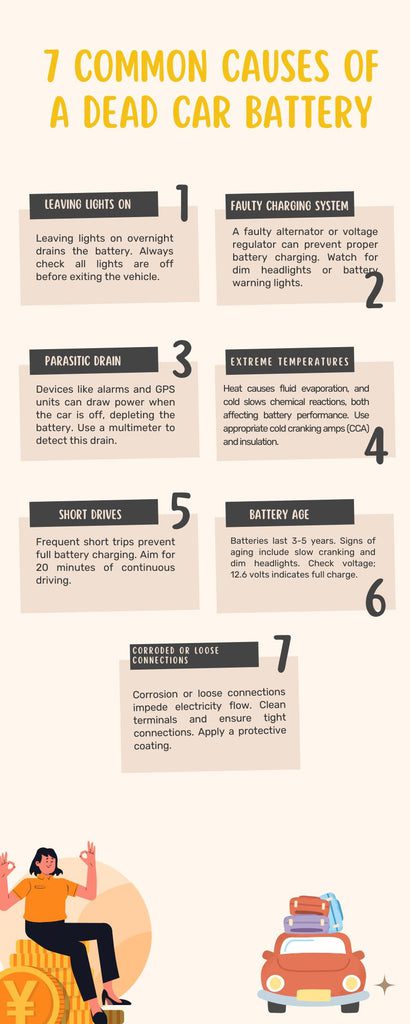
- Weak Battery: Batteries have a lifespan. After several years, they naturally degrade and can’t hold a charge as well.
- Alternator Issues: The alternator charges the battery while the engine runs. If it’s failing, the battery won’t get recharged.
- Parasitic Drain: Something in the car might be drawing power even when the car is off. This slowly drains the battery.
- Driving Habits: Lots of short trips mean the alternator doesn’t have enough time to fully recharge the battery.
- Extreme Temperatures: Very cold or very hot weather can affect battery performance and longevity.
What Triggered the Message?
So, how does a car’s computer know the battery voltage is low? Your car has a sophisticated electrical system. It’s managed by a computer, often called the Engine Control Module (ECM) or Powertrain Control Module (PCM).
These computers constantly monitor various sensors throughout the vehicle. One of these is a voltage sensor connected to the battery. This sensor tells the computer the current electrical potential of the battery.
When the voltage drops below a certain threshold, the computer flags it. This threshold is set by the car manufacturer. It’s designed to be low enough to warn you.
But high enough that the car can still start. When the voltage is too low, the computer activates “Battery Saver Mode.” It prioritizes essential functions. These are things needed to keep the engine running and allow you to start the car later.
Think about all the electrical components in your car. Headlights, interior lights, radio, navigation, heated seats, power windows, power locks, fans, computers, sensors – the list is long. Most of these aren’t absolutely critical for the engine to run.
The car’s computer identifies these as “non-essential” or “luxury” features. It then commands them to shut down or reduce their power draw.
This action is a protective measure. It’s a way to preserve the remaining battery charge. This ensures the vehicle remains operational, at least for basic functions.
It buys you time to find a safe place to stop or get the issue checked. It’s a clever way the car tries to prevent a complete breakdown.
Common Scenarios Leading to the Warning
Several everyday situations can lead to your car displaying the “Battery Saver Active” message. Understanding these scenarios can help you avoid them or recognize when they might be happening.
One frequent cause is leaving something on overnight. This could be interior lights that didn’t turn off automatically. Or perhaps a phone charger that’s still plugged in and drawing a small amount of power.
Even a garage door opener remote that accidentally gets pressed can drain power over time. If the battery is already a bit old, these small drains can add up quickly.
Another common situation involves extreme weather. In very cold temperatures, batteries lose some of their efficiency. Their ability to deliver power decreases.
This makes them more susceptible to voltage drops. Similarly, extreme heat can degrade the battery over time. It can also lead to issues with the charging system components.
You might notice the message more often in the dead of winter or the height of summer.
Short-trip driving is also a major culprit. If you typically only drive a few miles to the grocery store or to drop off kids, your car may not be getting enough time to recharge. The alternator works to replenish the battery’s charge.
But it needs sustained engine running time to do so effectively. Many short trips without longer drives in between can lead to a chronically undercharged battery. This makes it more likely to trigger the battery saver mode.
Sometimes, the issue isn’t the battery itself but the charging system. The alternator is responsible for generating electricity. It powers the car’s systems and recharges the battery while the engine is running.
If the alternator is failing, it might not be producing enough voltage. This can cause the battery to drain instead of charging. Worn-out alternator belts or faulty internal components can cause this.
You might notice other signs too, like a dimming of the headlights when you’re idling.
Quick Scan: Is It the Battery or the Alternator?
| Symptom | Likely Cause |
|---|---|
| Engine struggles to start, or won’t start at all; battery warning light is on. | Weak or Dead Battery |
| Dim headlights or interior lights, especially when the engine is at idle. | Failing Alternator |
| The “Battery Saver Active” message appears intermittently. | Could be either, but often points to alternator issues if the battery itself is relatively new. |
| Car dies while driving. | Failing Alternator (engine stops getting power) |
| Battery warning light stays on after starting the engine. | Alternator Issue |
Real-World Scenarios and Solutions
Let’s look at a few common real-world scenarios and what you can do.
Scenario 1: The Commuter’s Dilemma
Sarah drives about 2 miles to work each day. She also makes a few short trips during the week. Her car is five years old.
She’s starting to see the “Battery Saver Active” message pop up more often, especially on cold mornings. Her battery is the original one.
What’s likely happening: Sarah’s car’s battery is likely not getting fully recharged due to frequent short trips. The original battery is also nearing the end of its lifespan. The combination of an aging battery and insufficient charging is causing the voltage to drop.
Potential Solution: The first step is to get the battery tested. Most auto parts stores do this for free. If the battery is weak, replacing it is the best bet.
To ensure proper charging, Sarah should try to incorporate a longer drive (30 minutes or more) into her weekly routine. This allows the alternator time to fully replenish the battery charge.
Scenario 2: The Weekend Warrior
Mark uses his car primarily for weekend errands and occasional longer trips. During the week, it sits in the garage. He’s noticed the message appearing after the car has been parked for several days.
He also finds he needs to jump-start it sometimes if it sits for too long.
What’s likely happening: This points to a “parasitic drain.” This means something in the car is drawing power when the ignition is off. Modern cars have many electronic systems that stay active, like alarm systems, keyless entry receivers, and infotainment systems that remember settings. If one of these systems isn’t shutting down properly, it can drain the battery over time.
Potential Solution: This requires professional diagnosis. A mechanic can test for parasitic draw by measuring the electrical current the car uses when parked. They can then isolate which component is causing the drain.
Sometimes it’s a faulty module, a sticky relay, or even aftermarket accessories wired incorrectly.
Scenario 3: The Cold Snap Surprise
It’s winter, and the temperature has plummeted. Maria’s car, which has been running fine, suddenly shows “Battery Saver Active” when she tries to start it. The engine cranks slowly.
She has to jump-start it to get going.
What’s likely happening: Extreme cold significantly reduces a battery’s ability to deliver its full power. Even a healthy battery will perform less efficiently in frigid temperatures. If the battery was already a few years old, the cold weather pushed it over the edge, causing the voltage to drop below the threshold.
Potential Solution: If the message only appears during very cold weather and resolves once the car warms up, and the battery is still relatively young (under 3-4 years), it might be a temporary effect of the cold. However, it’s a strong indicator that the battery’s capacity is diminished. Getting it tested and potentially replaced before the next cold snap is a good idea.
A battery designed for cold climates might also help.
“Battery Saver Active” vs. Other Warning Lights
Battery Symbol Light:
This is a direct warning that there’s an issue with the charging system. It could be the battery itself, the alternator, or the voltage regulator. The car may continue to run, but it’s not a sustainable situation.
This light is more serious than just the “Battery Saver Active” message.
Check Engine Light:
This light is broad. It can indicate hundreds of potential problems. Some are minor, like a loose gas cap.
Others are major, affecting engine performance or emissions. “Battery Saver Active” is related only to the electrical system’s power level.
“Battery Saver Active” Message:
This is a specific power management message. It means the car is actively trying to conserve energy. It’s a warning that the battery voltage is low and the charging system might be struggling.
It’s a proactive safety feature to prevent a complete shutdown.
What This Means for You: When to Worry
Seeing “Battery Saver Active” is a warning sign. It means something is not quite right with your car’s electrical system. However, it’s not always an emergency.
Let’s break down when you should take immediate action and when you have a little more time.
When it’s Normal (but still needs attention):
If the message appears briefly on a very cold morning, or after you’ve used a lot of power (like running the blower fan on high for a while with the engine off), and then it disappears after driving for a bit, it might be a temporary voltage dip. This is your car being smart and managing its power. However, even in these cases, it’s a hint that your battery might be aging or not getting a full charge.
It’s a good time to get it checked.
When to Worry and Act Quickly:
You should worry and seek service if:
- The message appears frequently, even after short drives.
- The message stays on for a long time during your drive.
- The engine cranks very slowly or struggles to start.
- Other warning lights come on along with the battery saver message (like the battery symbol or check engine light).
- Your car has died on you before, or you’ve had to jump-start it recently.
- You notice dimming headlights or dashboard lights.
- The power windows or other accessories operate sluggishly.
These are signs that the problem is more serious. It could be a failing alternator, a significant parasitic drain, or a battery that is completely beyond its useful life. Continuing to drive without addressing these issues could lead to a complete breakdown.
Quick Tips and Preventive Measures
While the “Battery Saver Active” message is a symptom, there are things you can do to prevent it or mitigate its effects.
Regular Battery Checks:
Batteries typically last 3-5 years. Consider having your battery tested annually, especially as it approaches the 3-year mark. Many auto shops offer this service for free.
Catching a weak battery early can save you from being stranded.
Mind Your Electrical Load:
Be mindful of accessories you use when the engine is off. Avoid running the radio or interior lights for extended periods. If you have a habit of using many electronic devices, consider a portable jump starter or keeping jumper cables in your car.
Drive Longer Distances:
If your driving habits consist of only short trips, try to make a point of taking a longer drive (at least 30 minutes) once a week. This gives the alternator ample time to fully recharge the battery.
Address Other Warning Lights Promptly:
If you see other warning lights on your dashboard, don’t ignore them. Sometimes, issues with other systems can indirectly affect the battery or charging system.
Maintain Your Car:
Regular maintenance, including checking belts and connections, can help prevent issues with the charging system. A loose or worn alternator belt, for example, can lead to poor charging.
Frequently Asked Questions About Battery Saver Active
What does “Battery Saver Active” mean specifically?
It means your car’s computer has detected that the battery voltage is low. To prevent the battery from completely dying, the car automatically turns off non-essential electrical features like the radio, some interior lights, or power seat functions.
Do I need to worry if I see “Battery Saver Active”?
You should take it seriously, but it’s not always an emergency. If it happens once and goes away, it’s a warning. If it happens frequently, or is accompanied by other warning lights, then it needs immediate attention from a mechanic.
Can I drive with “Battery Saver Active” on?
Yes, usually you can continue driving. The message means the car is trying to conserve power so it can keep running and allow you to start it later. However, it’s best to drive directly to a mechanic or to get the issue diagnosed soon.
How long does a car battery typically last?
On average, a car battery lasts between 3 to 5 years. This can vary based on climate, driving habits, and the quality of the battery. Regular testing can help you know the condition of your battery.
What is a parasitic drain on a car battery?
A parasitic drain is when a component in your car continues to draw power from the battery even when the car is turned off. This can be caused by faulty electronics, a switch that doesn’t turn off correctly, or even aftermarket accessories that are wired improperly.
Should I replace my battery immediately after seeing the message?
Not necessarily, but you should get it tested. If the battery is old or showing signs of weakness,
Final Thoughts
The “Battery Saver Active” message is your car’s way of communicating a potential electrical issue. It’s a smart feature designed to keep you moving safely. While it can be alarming, understanding its meaning empowers you.
It helps you take the right steps. Don’t ignore this warning. Get it checked out.
A little proactive attention can save you a lot of trouble and expense down the road.
Products related to this article
Sponsored / affiliate links. As an Amazon Associate I earn from qualifying purchases. I may earn additional commission from eligible campaigns.