Does a Car Alarm Drain Your Battery? Real Draw Numbers
A healthy car alarm draws only 10 to 50 milliamps in standby mode, which will not meaningfully drain a good battery even over several weeks. A faulty alarm is a different story – a stuck relay or bad wiring can push that draw up to several hundred milliamps or more, which is enough to leave you with a dead battery overnight.
So the honest answer is: it depends on whether the alarm is working correctly. Below is the real math behind alarm power draw, the specific faults that turn a normal system into a battery killer, and a simple way to test your own car for a parasitic drain before you replace a perfectly good battery.
How Much Power Does a Car Alarm Actually Use?
TEST BEFORE YOU REPLACE THE BATTERY
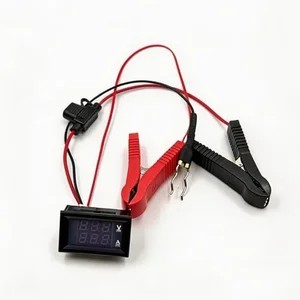 |
Parasitic Battery Drain Tester – $12.99 Plugs into a fuse slot so you can check exactly how much current your alarm (or anything else) is pulling with the car off, without disconnecting the battery.
|
A car alarm’s power draw depends entirely on what it’s doing at that moment:
- Armed and idle (the normal state): most factory and aftermarket alarms draw somewhere between 10 and 50 milliamps (0.01–0.05A) while quietly monitoring for a trigger. Anything above roughly 100 mA is worth investigating, and 300–500 mA or more will noticeably drain even a healthy battery within a day.
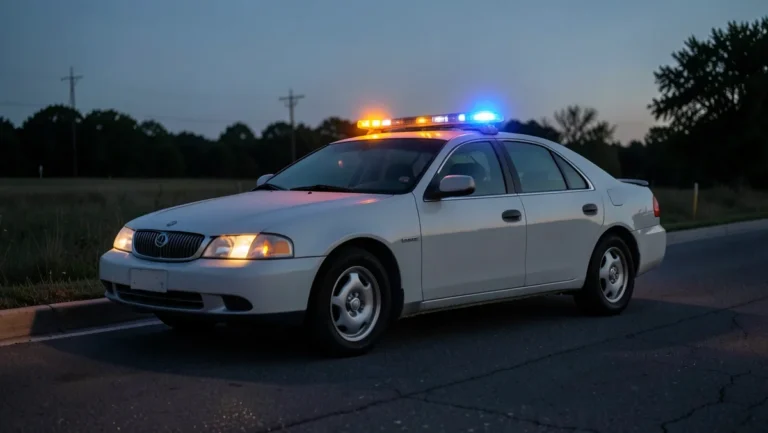
- Actually sounding: once the siren, lights, and control unit kick in, draw jumps to roughly 1 to 3 amps. At that rate, a standard 12-volt battery can go flat in about 4 to 8 hours if the alarm doesn’t shut itself off.
- Relay stuck engaged: a relay held closed by a wiring fault can draw around 800 milliamps on its own – a common, easy-to-miss cause of “my battery keeps dying and I don’t know why.”
Most factory alarms are built to auto-silence after roughly 30 seconds to a few minutes specifically so a false trigger (or someone bumping your car in a parking lot) can’t kill your battery. That safeguard is also why a healthy alarm almost never explains a dead battery on its own – the real culprits are usually a fault in the system, not the alarm doing its normal job.
What Actually Causes Alarm-Related Battery Drain
When a car alarm really is behind a dead battery, it’s almost always one of these specific faults rather than normal operation:
- A relay stuck in the closed position. This keeps a circuit energized 24/7 instead of only when needed, and it’s one of the single biggest sources of unexplained parasitic drain on any car, alarm or not.
- Bad aftermarket installation. A wire spliced into the wrong circuit, a poor ground connection, or a missing relay can force the whole system to draw more current than it was designed to. This is far more common on aftermarket alarms wired in by a shop (or a DIYer) than on factory-installed systems.
- A siren or sensor that won’t fully reset. If a motion sensor or the siren itself gets stuck in an “active” state after a false trigger, it can keep drawing alarm-level current instead of dropping back to standby.
- Corroded or loose connections. Resistance at a bad connection makes components work harder and pull more current than they should, on top of just being an unreliable connection.
It’s worth noting that a car alarm is just one of many things that can cause a battery to drain unexpectedly – interior lights, a bad alternator, or other aftermarket electronics can look identical from the driver’s seat, which is exactly why testing (below) matters more than guessing.
Signs Your Alarm Is Draining the Battery
A few clues point specifically to the alarm rather than another parasitic drain:
- The battery is dead again within a day or two of being fully charged, even though you haven’t driven the car.
- The alarm’s LED indicator behaves oddly – staying solid instead of blinking, or blinking unusually fast.
- You hear a faint clicking or buzzing from the alarm module or siren when the car is parked and locked.
- The dash lights dim, the radio won’t power on, or the starter cranks slowly the next time you try to drive.
- Disconnecting the alarm’s fuse (temporarily, for testing) noticeably slows or stops the battery from going flat.
If you’re also seeing a dash warning light along with these symptoms, it’s worth checking whether it’s an anti-theft system fault rather than the alarm itself – the two systems often share wiring and can trigger similar no-start symptoms.
How to Test for a Parasitic Draw Yourself
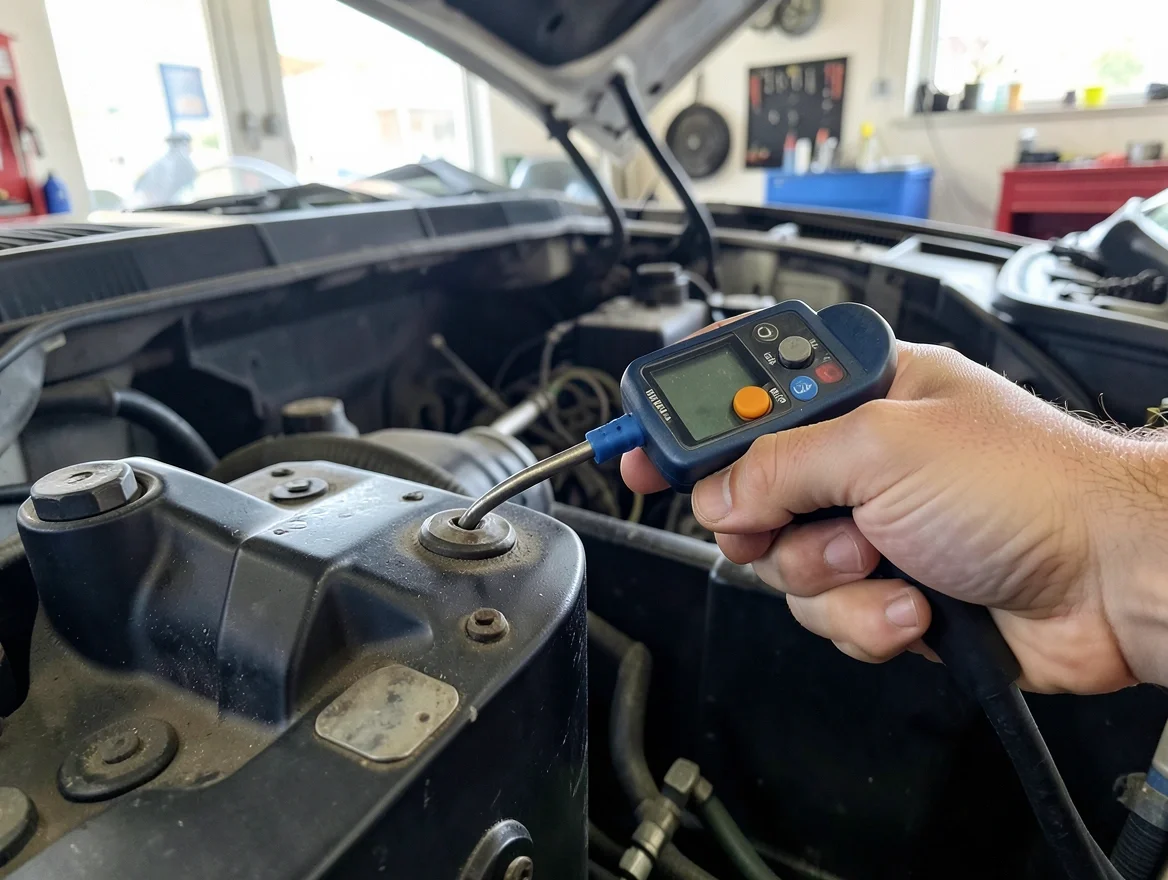
You don’t need to guess. A simple multimeter test tells you within minutes whether the alarm (or anything else) is pulling too much current with the car off:
- Make sure the car has been off for at least 20–30 minutes so every module has gone into sleep mode.
- Set a multimeter to its DC amps setting, or use a dedicated parasitic drain tester plugged into a fuse slot – this avoids disconnecting the battery cable and losing your radio presets or anti-theft codes.
- Read the current draw. Under about 50 mA is normal; 100 mA or more means something is staying awake that shouldn’t be.
- If the draw is high, pull fuses one at a time (checking your fuse box diagram for the alarm circuit first) until the reading drops – that identifies the exact circuit responsible.
How to Prevent and Fix Alarm-Related Battery Drain
- Have aftermarket alarms professionally installed. Most drain problems trace back to a rushed DIY wiring job or a bad ground, not the alarm hardware itself.
- Check terminals and connections periodically. Clean, tight connections reduce resistance and keep every component – alarm included – drawing only the current it actually needs.
- Choose a modern, low-draw system if you’re replacing an old alarm. Newer control units and sensors are engineered to sleep at a much lower current than alarms from a decade ago. Look for energy-efficient models and read real installation reviews before buying.
- Use a battery maintainer if the car sits for long stretches. A trickle charger keeps the battery topped off between drives, which absorbs a normal alarm’s standby draw with no risk of it ever adding up to a dead battery.
- Get a professional diagnosis if the drain persists. A shop can bench-test the alarm module and trace wiring faults far faster than trial-and-error fuse-pulling at home.
Frequently Asked Questions
Can a Car Alarm Cause a Dead Battery?
Yes, but only when something is wrong with it. A healthy alarm’s standby draw (10–50 mA) is too small to kill a battery on its own. A dead battery usually points to a stuck relay, a bad aftermarket wiring job, or a sensor that isn’t resetting properly after a trigger.
How Much Does a Car Alarm Drain the Battery?
A normally functioning alarm draws about 10 to 50 milliamps in standby, which a healthy battery can supply for weeks without trouble. A faulty alarm is a different story: a stuck relay or wiring fault can push that up to several hundred milliamps or more, and an alarm that’s actually sounding continuously draws 1 to 3 amps – enough to flatten a battery in as little as 4 to 8 hours.
What Drains a Car Battery When the Car Is Off?
Common culprits include interior or trunk lights that don’t switch off, a faulty alternator diode, aftermarket electronics like alarms, stereos, or GPS trackers with a wiring fault, and corroded or loose battery terminals. A simple parasitic draw test at the fuse box (see above) will usually pinpoint which one is responsible.
Does a Car Alarm Eventually Turn Off?
Yes. Most alarms are designed to stop sounding on their own after roughly 30 seconds to a few minutes, both to prevent nuisance noise and to keep a false trigger from draining the battery. You can also silence one immediately with the key fob or by starting the ignition.
How Long Can a Car Sit With the Alarm Armed Before the Battery Dies?
With a healthy alarm and a good battery, weeks – the standby draw alone is too small to matter over that timeframe. The math changes fast if the alarm is faulty or actually goes off: a continuously sounding siren can drain a standard battery in around 4 to 8 hours, which is why a parasitic drain test is worth doing before assuming the battery itself is at fault.
Conclusion
A properly working car alarm is not something you need to worry about draining your battery – its standby draw is small by design. If you’re actually seeing dead-battery symptoms, treat the alarm as one possible suspect among several, test for a parasitic draw before replacing parts, and have any aftermarket wiring checked by a professional if the drain keeps coming back.
Products related to this article
Sponsored / affiliate links. As an Amazon Associate I earn from qualifying purchases. I may earn additional commission from eligible campaigns.