Anti-Theft Light Blinking And Car Won’T Start? Here’S Why
When your car’s anti-theft light blinks and the engine won’t crank, it usually means the security system has locked down the engine. Common culprits include a dead key fob battery, a problem with the car’s immobilizer, a faulty ignition switch, or even an issue with the car’s computer. Checking these simple things first can often solve the problem.
Understanding Your Car’s Anti-Theft System
Modern cars come with built-in security features. These systems are designed to stop thieves from starting your car. They work by preventing the engine from running even if someone gets the key in the ignition.
Most systems have a way to recognize a valid key or key fob. If the car doesn’t get the right signal, it won’t allow the engine to start. The blinking light is the car’s way of showing you this security measure is active.
There are different types of anti-theft systems. Many use an immobilizer. This part is like a gatekeeper for your engine.
It needs a special code from your key or fob to let the engine run. If the code isn’t right, the immobilizer stays locked. Other systems might use alarms or steering wheel locks.
But the core idea is the same: keep your car safe when you’re not around.
How the Immobilizer Works
Your car key or key fob has a tiny chip inside it. This chip has a unique code. When you try to start the car, a sensor near the ignition reads this code.
It sends the code to the car’s computer. If the code matches what the computer expects, the immobilizer disengages. Then, the engine can start.
If the code is wrong or not received, the immobilizer stays on. It can cut off fuel or spark to the engine. This is why the car won’t start.
The Blinking Light Signal
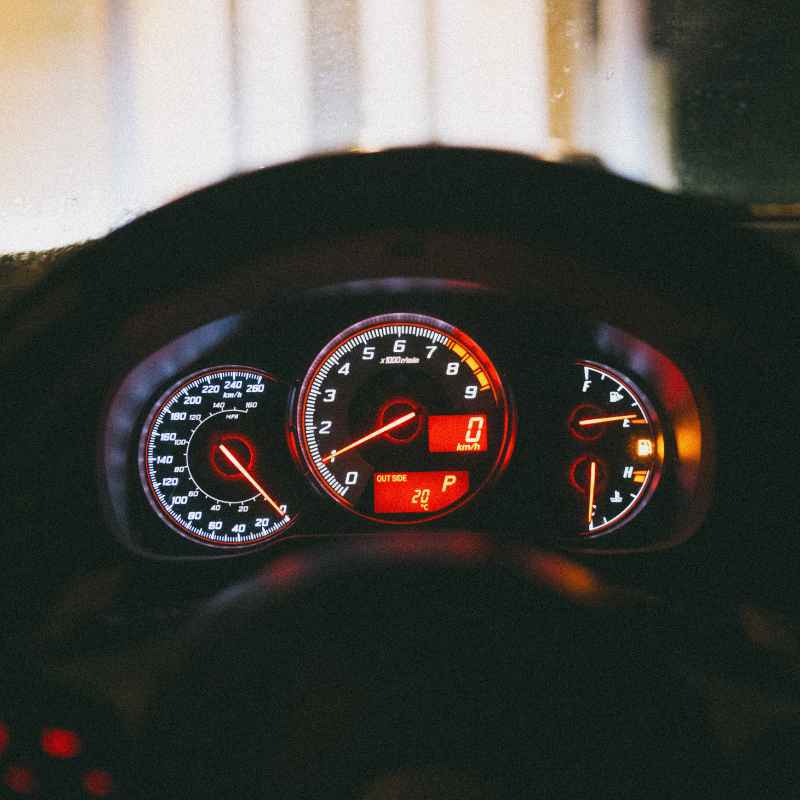
That blinking light is your car’s way of telling you something specific. It’s not random. It means the immobilizer system is armed and waiting for a valid key.
The exact symbol can vary by car model. Some cars have a picture of a car with a lock. Others might just show a small padlock icon.
The speed of the blinking can also mean different things. A steady blink often means the system is working as intended. A fast blink might signal an error.
Checking your car’s manual is always a good idea to know exactly what your light means.
Common Reasons for the Blinking Light and No Start
When this situation happens, it’s easy to panic. But most of the time, it’s a simple fix. Let’s look at the most common reasons why your car’s anti-theft light might be blinking and the engine won’t turn over.
Key Fob Battery Issues
The Problem: Your key fob battery might be weak or dead. Many cars require a strong signal from the fob to disarm the immobilizer. If the battery is low, the car may not read the fob correctly.
This can cause the anti-theft light to blink, and the car won’t start.
What to Check: Try using your spare key fob. If the car starts with the spare, your primary fob’s battery is likely the issue. Many fobs have a small button to release the physical key.
You can often use this key to open the door. Some cars also have a specific spot near the steering column where you can hold the fob to transfer its signal directly to the car.
Key Transponder Problems
The Problem: The chip inside your key, called a transponder, might be damaged or not programmed correctly. This chip sends the security code. If it’s faulty, the car’s system won’t recognize it.
The anti-theft light will blink, and the engine will not start.
What to Check: This is less common than a dead fob battery. If you suspect this, you might need a locksmith or dealer to check the key. Sometimes, dropping the key or exposing it to extreme temperatures can damage the transponder.
The car might also have trouble reading the key if it’s too close to other electronic devices.
I remember one chilly morning, about two years ago. I was rushing to get to a client meeting. I grabbed my keys, got in my car, and turned the ignition.
Click. Nothing. Then I saw it: that angry little blinking red light.
My heart sank. I had a deadline! I tried again, and again.
The car just wouldn’t start. I felt a wave of panic. Was my car broken?
Was this going to cost a fortune? I sat there for a minute, just staring at the blinking light, feeling completely helpless. It was a cold, gray morning, and my mood matched it perfectly.
Ignition Switch Issues
The Problem: The ignition switch is what sends power to your car’s systems when you turn the key. If it’s failing, it might not send the correct signals to the anti-theft system or the starter. This can lead to the blinking light and a no-start situation.
What to Check: Sometimes, wiggling the steering wheel while turning the key can help if the steering lock is stuck. A faulty ignition switch often shows other signs, like flickering dash lights or the car sometimes starting and sometimes not.
Faulty Door Lock Actuators or Sensors
The Problem: Believe it or not, your car’s security system can be triggered by issues with door locks or sensors. If a door sensor thinks the door is being tampered with, it can activate the anti-theft system. Similarly, a faulty lock actuator might send false signals.
What to Check: Make sure all your doors and trunk are fully closed and locked properly. Listen for any strange noises from the door locks. Sometimes, a simple cleaning and lubrication of the lock mechanisms can help if they are sticking.
What I learned from that experience was a lesson in patience. I took a deep breath and remembered my spare key. I dug it out of my bag.
I tried it. Success! The car started right up.
It turned out the battery in my main fob was just about dead. I felt a bit foolish but mostly relieved. It was a simple fix, but in the moment, it felt like a major breakdown.
That blinking light can be really intimidating. It makes you think the worst.
Car Battery Problems
The Problem: A weak or dead car battery can cause all sorts of strange electrical issues. When the battery voltage is too low, the car’s computer and security systems may not get enough power to function correctly. This can sometimes trick the anti-theft system into engaging.
What to Check: Check if your headlights are dim or if other electrical components are acting up. If the battery is old, it might be time for a replacement. A jump start might get the car running, but if the battery is the issue, it will need to be replaced.
Issues with the Car’s Computer (ECU)
The Problem: The car’s main computer, or Engine Control Unit (ECU), manages many functions, including the security system. If the ECU has a glitch or a more serious failure, it can trigger the anti-theft light and prevent the car from starting. This is often a more complex problem.
What to Check: Problems with the ECU usually require professional diagnosis. Look for other strange electronic behavior in the car. Sometimes, a software update for the ECU can resolve glitches.
This happened to a friend of mine last summer. She was on a road trip and stopped at a gas station. When she came back out, her car wouldn’t start.
The anti-theft light was blinking like crazy. She tried everything. She even tried calling a tow truck.
The tow truck driver showed up, took one look, and asked if she had her spare key. She said yes. He had her try it.
The car started immediately. The battery in her main key fob was completely dead. It was a simple fix that saved her a lot of money and a lot of stress.
It really shows how often the solution is right under our noses.
Diagnosing the Problem: Step-by-Step Checks
When your car is refusing to start and that light is blinking, it’s easy to feel overwhelmed. But let’s break it down into simple, actionable steps. Think of it like being a detective for your car.
Step 1: Stay Calm and Check the Obvious
Take a breath. Panicking won’t help. First, try the simplest things.
Is the steering wheel locked? Try wiggling it gently while turning the key. Does the car have enough gas?
It sounds silly, but it happens. Ensure your gear shift is firmly in Park (P) or Neutral (N).
Step 2: Test Your Key Fob
This is the most common culprit. If you have a spare key fob, use it. Does the car start?
If yes, the battery in your primary fob is probably the issue. You can usually replace these batteries yourself. They are small button cells, easily found at most stores.
If you only have one key fob, try holding it very close to the start button or the ignition. Some cars have a backup way to read the fob’s chip even with a weak battery. Check your car’s manual for this specific procedure.
Quick Scan: Key Fob Troubleshooting
| Symptom | Likely Cause | Simple Check |
|---|---|---|
| Blinking light, no start. Spare fob works. | Weak/Dead Fob Battery | Replace battery in primary fob. |
| Blinking light, no start. Both fobs fail. | Key Transponder Issue | Try holding fob close to ignition. |
| Blinking light, no start. Battery seems okay. | Ignition Switch or Electrical Glitch | Wiggle steering wheel, check battery. |
Step 3: Look for Other Warning Lights
Are any other warning lights on the dashboard? A battery light, check engine light, or others can provide clues. For instance, a dim battery light alongside the anti-theft light could point to a power issue.
Step 4: Check the Car Battery
A weak car battery can affect all the car’s electronics. Try turning on your headlights. Are they bright or dim?
If they are dim, the battery may be the problem. You might need a jump start or a new battery.
Note: Even with a good battery, a faulty alternator can cause low voltage issues. If your car starts with a jump but dies again soon after, suspect the alternator.
Step 5: Consult Your Owner’s Manual
Your car’s manual is your best friend for understanding its specific systems. It will tell you exactly what that blinking light means for your make and model. It might also have a section on dealing with anti-theft system issues.
When to Call a Professional
If you’ve gone through the basic checks and your car still won’t start, it’s time to seek expert help. Some problems are beyond a quick fix at home.
Automotive Locksmiths
For issues with keys, key fobs, or the immobilizer system itself, an automotive locksmith can be a great resource. They have special tools to diagnose and reprogram keys. They can often cut and program new keys on the spot.
Car Dealerships
Dealerships have direct access to your car’s manufacturer software. They can diagnose complex electronic issues, including problems with the car’s main computer (ECU) or the factory anti-theft system. This is often the most expensive option but can be necessary for intricate problems.
Independent Auto Repair Shops
Many independent shops have mechanics trained in modern vehicle electronics. They can often handle immobilizer system repairs and diagnostics. Ask if they have experience with anti-theft systems specific to your car’s make.
Real-World Scenarios and Prevention
Understanding how these systems work and potential pitfalls can help you avoid getting stranded. Here are some real-world situations and how to prevent them.
Scenario: Traveling in Extreme Weather
What Happens: Cold weather can weaken car batteries and sometimes affect the electronic signals from key fobs. If you’re in a very cold climate, a weak battery might fail, or the fob signal could become intermittent, triggering the anti-theft system.
Prevention: Get your car battery tested before winter. Consider replacing an older battery. Keep your spare key fob in a separate location from your primary one, just in case.
Scenario: After a Car Battery Jump Start
What Happens: Sometimes, immediately after a jump start, car computers can glitch or momentarily lose power, causing the anti-theft system to activate. This is more common if the jump start process wasn’t done perfectly.
Prevention: Ensure the jump start is done correctly by connecting the cables in the right order. After the car is running, let it idle for a few minutes before driving to allow the computer to fully reset. If the light blinks afterwards, try turning the car off and on again.
I once drove a rental car through a less-than-ideal neighborhood. I was a bit nervous. When I got back to the car, and it wouldn’t start, I immediately assumed the worst.
The anti-theft light was flashing. I was fumbling with my phone, looking up towing services. Then, I remembered the rental agreement mentioned something about keeping the key fob away from strong magnets.
I checked my pockets. I had a magnetic phone mount in my jacket. I took it out and tried the car again.
It started. It was a strange coincidence, but it taught me that sometimes external factors can mess with the electronics.
Scenario: After Visiting a Mechanic
What Happens: Occasionally, if a mechanic disconnects the car battery for repairs, the anti-theft system might need to be reset or may act up when power is restored. This is a rare glitch but possible.
Prevention: If your car is having electrical work done, ask the mechanic to confirm the anti-theft system is functioning correctly before you drive off. They should be aware of potential issues.
Scenario: Losing or Damaging a Key Fob
What Happens: If you lose your only key fob or it gets damaged (e.g., run over), you’ll need a
Prevention: Always have at least two working keys or fobs for your vehicle. Keep them in separate, safe places. If you only have one, get a spare made as soon as possible.
My neighbor recently had a similar issue. He’s a handyman and uses his truck for work. He had his main key fob in his toolbox.
He was working on a job, and when he went to start his truck, the anti-theft light was blinking. He couldn’t find his spare key anywhere. It turned out the strong magnets on some of his tools were interfering with the fob’s signal.
He had to go home to get his spare key. It was a good reminder that our tools and electronics can sometimes affect our car keys.
What This Means For You
Seeing that blinking light and experiencing a no-start condition can be unsettling. It’s your car telling you its security system is on high alert. Here’s what that really means for you as a driver.
When It’s Probably Normal Behavior
Sometimes, the blinking light is just the system doing its job. For example, if you accidentally lock your keys inside the car and then unlock it manually or with a spare, the car might briefly show the blinking light before it recognizes a valid key is present.
Also, if your car has been sitting for a very long time, the battery might be low, and the security system could act up. A weak battery can cause all sorts of temporary electronic gremlins. If your car starts after a jump or once the battery is charged, and the light goes away, it was likely a power issue.
When You Should Worry
You should worry if the blinking light is accompanied by other strange electrical behavior. If the car sometimes starts and sometimes doesn’t, even after checking the fob battery, this suggests a more complex electrical problem. Persistent issues after trying basic fixes are red flags.
If you’ve lost your only key and the car won’t start, that’s a definite cause for concern and requires immediate professional attention. Don’t try to force the issue, as this could damage the ignition system or the anti-theft module.
Simple Checks You Can Do
Before calling for help, always try these simple checks:
- Use the spare key: This is the easiest way to rule out a key fob battery problem.
- Check the car battery: Ensure your headlights are bright and other electronics work.
- Inspect the key fob: Look for any physical damage to the fob.
- Try a different location: Sometimes, strong electromagnetic interference in certain areas can cause issues. Move the car a short distance if possible.
Quick Tips for Avoiding Anti-Theft Issues
Prevention is always better than a cure. Here are some tips to keep your car starting smoothly:
- Maintain Your Key Fobs: Replace key fob batteries proactively, typically every 1-2 years, or when you notice reduced range or weak signal.
- Keep Keys Safe: Store your keys away from strong magnetic fields or excessive moisture. Avoid carrying them near your phone if it causes issues.
- Regular Battery Checks: Have your car battery tested, especially before extreme weather seasons. A healthy battery powers all your car’s systems reliably.
- Know Your Spare: Always have a working spare key and know where it is. Programming a new key can be costly and time-consuming if you only have one.
- Beware of Aftermarket Systems: While helpful, some aftermarket alarms or remote starters can sometimes interfere with factory anti-theft systems.

Frequently Asked Questions
What does it mean if my car’s anti-theft light is blinking rapidly?
A rapidly blinking light often indicates a communication error or a more serious problem within the anti-theft system. It suggests the system isn’t recognizing the key correctly or there’s an internal fault. It’s usually a sign that you’ll need professional help to diagnose.
Can I bypass my car’s anti-theft system?
It is generally not recommended to bypass your car’s anti-theft system. These systems are complex and integrated into the car’s electronics. Attempting to bypass them without proper knowledge can cause significant damage to your car’s computer or electrical system, leading to much more expensive repairs.
How much does it cost to fix a blinking anti-theft light that prevents starting?
The cost can vary widely depending on the cause. Replacing a key fob battery might cost a few dollars. Programming a new key fob could range from $50 to $300.
More complex issues with the immobilizer or car computer could cost anywhere from $300 to $1,500 or more, depending on the parts and labor involved.
My car starts but the anti-theft light keeps blinking. Is this okay?
If your car starts and runs, but the anti-theft light continues to blink, it might mean the system is still in a “fault” mode or hasn’t fully disarmed. It’s best to have this checked. It could be a minor glitch, or it might indicate a future starting problem.
Driving with a recognized fault could potentially disable the car again unexpectedly.
Can a loose connection cause the anti-theft light to blink?
Yes, absolutely. Loose wiring or connections within the anti-theft system, the ignition, or to the car’s computer can cause intermittent signal problems. This can lead the system to think there’s a tamper attempt or a failure to communicate, triggering the blinking light and preventing the car from starting.
What’s the difference between an alarm light and an anti-theft light?
An anti-theft light, often a car icon or padlock, specifically indicates the immobilizer system is active or has detected an issue preventing the engine from starting. An alarm light might be a separate symbol, often flashing when the alarm system is armed or has been triggered, but it doesn’t always prevent the engine from starting on its own like the immobilizer does.
Conclusion
That blinking anti-theft light can be a real headache. But now you know it’s often a sign that your car’s security system is working, or it’s signaling a common issue like a dead key fob battery. By understanding the potential causes and knowing the simple checks you can perform, you can often get your car started again.
If the problem persists, don’t hesitate to reach out to an automotive professional. Staying calm and following a step-by-step approach will help you resolve the issue and get back on the road.
Products related to this article
Sponsored / affiliate links. As an Amazon Associate I earn from qualifying purchases. I may earn additional commission from eligible campaigns.