Does Car Insurance Cover Tornado Damage? Essential Guide
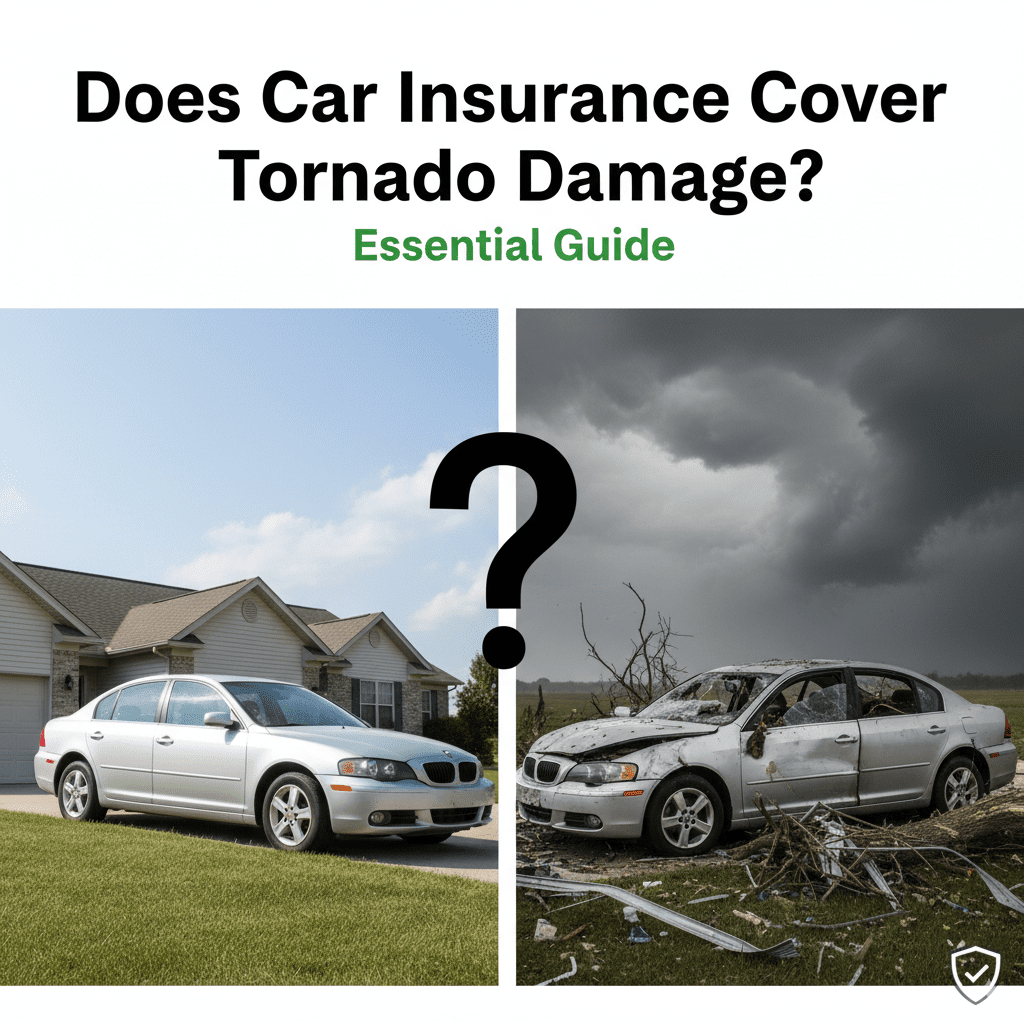
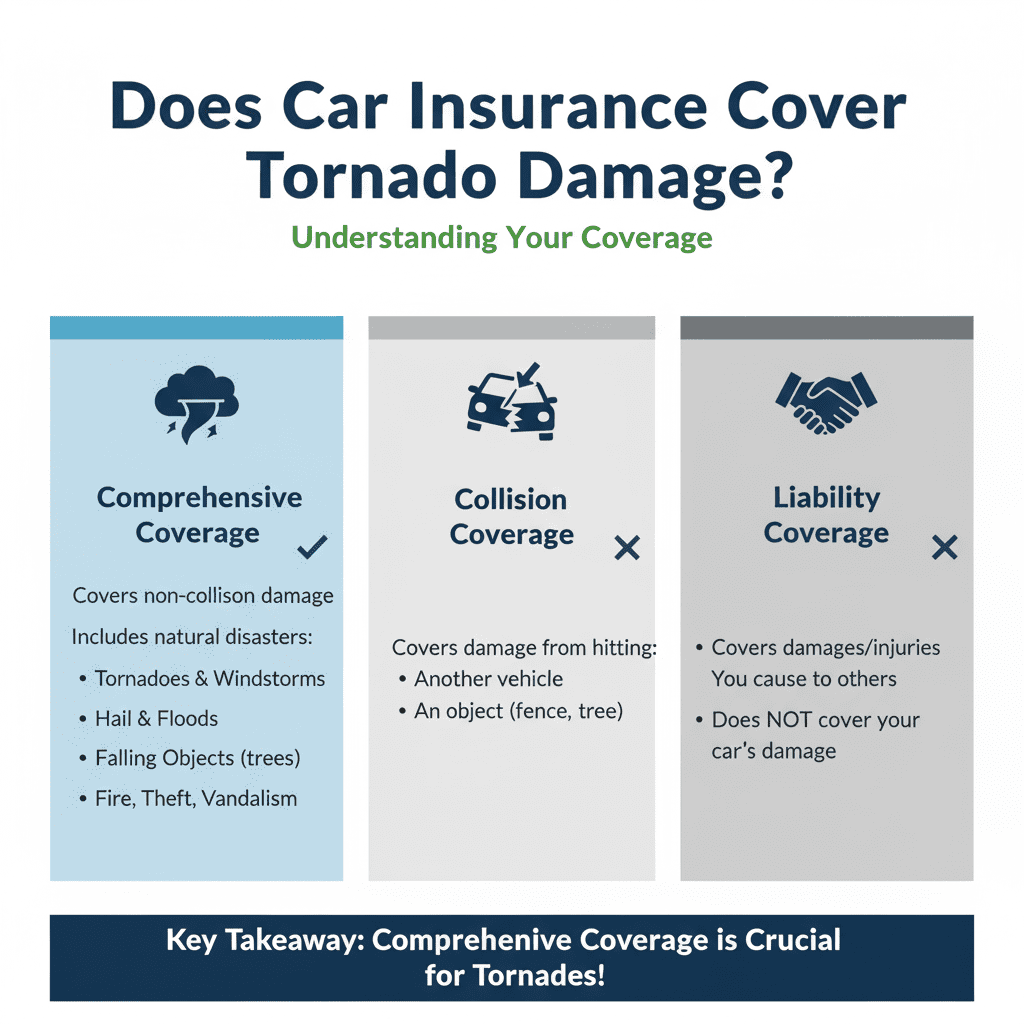
Your car insurance likely covers tornado damage if you have comprehensive coverage. This means your policy helps pay for repairs or replacement of your vehicle if it’s damaged by severe weather events like tornadoes, hail, or falling trees, after you pay your deductible.
Tornadoes can strike with little warning, and the damage they leave behind can be devastating. Seeing your car battered by debris or even tossed around is a frightening experience. A common question that comes up after such a catastrophic event is: “Will my car insurance help me fix this?” It’s a valid concern, especially when repairs can be costly. Don’t worry, understanding your auto insurance policy can bring peace of mind. In this guide, we’ll break down exactly what you need to know about tornado damage and your car insurance, making it simple and straightforward.
Understanding Your Car Insurance Coverage for Tornadoes
When a tornado hits, the damage to your vehicle can range from minor scratches and dents to complete destruction. The key to whether your insurance will cover these costs lies in the type of coverage you have. For most drivers, the answer to “does car insurance cover tornado damage” rests on having what’s called comprehensive coverage.
What is Comprehensive Coverage?
Think of comprehensive coverage as your safety net for a wide variety of non-collision incidents. This part of your auto insurance policy is designed to protect your car against damage that isn’t caused by a car accident. This includes natural disasters like:
- Tornadoes
- Hailstorms
- Floods
- Windstorms
- Falling objects (like trees or branches)
- Fires
- Theft
- Vandalism
If a tornado damages your car, your comprehensive coverage is what would typically help pay for the repairs or, in the worst-case scenario, the actual cash value of your car if it’s totaled.
What About Collision Coverage?
It’s important not to confuse comprehensive coverage with collision coverage. Collision coverage helps pay for damage to your car if it hits another vehicle or an object, like a fence or a tree, in a car accident. While a tornado can cause your car to hit things, the cause of the damage in this context is the severe weather event itself, which is why comprehensive is the relevant coverage.
What About Liability Coverage?
Liability coverage is essential for covering damages and injuries you might cause to others in an accident. However, it does not cover damage to your own vehicle, regardless of the cause. So, if your car is damaged by a tornado, your liability insurance won’t help with the repair costs.
How Tornado Damage is Assessed and Covered
When your car has been damaged by a tornado, the process of getting it repaired involves your insurance company. Here’s a general idea of what happens:
1. Contact Your Insurance Company Immediately
As soon as it’s safe to do so, you should contact your insurance agent or the claims department. The sooner you report the damage, the smoother the claims process will likely be. Be prepared to provide details about the event and the damage to your vehicle.
2. Filing a Claim
You’ll need to fill out a claim form. This usually requires information like:
- Your policy number
- The date and time of the incident
- A description of how the damage occurred
- An initial assessment of the damage
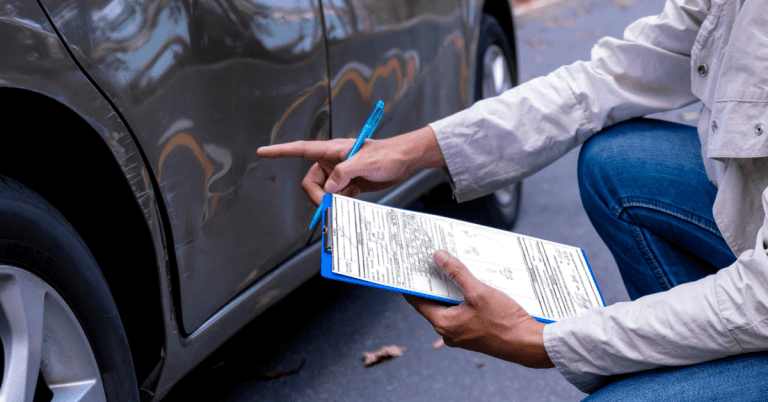
Taking photos or videos of the damage from multiple angles can be very helpful when filing your claim.
3. Inspection by an Adjuster
Your insurance company will likely send an insurance adjuster to inspect the damage to your car. The adjuster is trained to assess the extent of the damage and estimate the cost of repairs. They will compare their findings with the information in your policy.
4. Repair Estimates
The adjuster will provide an estimate for the repairs. You may have the option to take your car to a repair shop of your choice, or your insurer might recommend a preferred shop. Get multiple estimates if possible, but ensure they meet the standards set by your insurer.
5. Deductible
Remember that most insurance policies, including comprehensive coverage, come with a deductible. This is the amount you’ll have to pay out-of-pocket before your insurance coverage kicks in. For example, if your repairs cost $5,000 and your deductible is $500, you’ll pay $500, and your insurance will cover the remaining $4,500.
Your comprehensive deductible is typically separate from your collision deductible, so check your policy details. Some policies even have different deductibles for different types of comprehensive claims (e.g., a lower deductible for theft than for wind damage).
6. Payment and Repairs
Once the estimate is agreed upon and you’ve met your deductible, the insurance company will typically issue payment, either directly to you or to the repair shop. You can then proceed with getting your car repaired.
What to Do If Your Car is Totaled
In severe tornado events, a car can be damaged beyond repair. When this happens, the vehicle is considered “totaled.” Your insurance company will determine this based on the cost of repairs versus the car’s actual cash value (ACV) before the damage occurred. Insurance companies often have a threshold, for instance, if repairs exceed 70-80% of the ACV, they might declare it a total loss.
If your car is totaled:
- Your insurance company will pay you the actual cash value of your car. This is the market value of your vehicle immediately before the tornado damage, minus your deductible.
- You will then surrender the damaged vehicle (and its title) to the insurance company.
It’s important to understand how ACV is determined. Insurers typically look at recent sales of similar vehicles in your local area, considering the make, model, year, mileage, and overall condition of your car prior to the storm.
Are There Any Exceptions or Limitations?
While comprehensive coverage is designed for these situations, there can be nuances. It’s always best to review your specific policy documents.
Policy Limits
Your policy has limits for comprehensive coverage. While it’s uncommon for tornado damage to exceed standard comprehensive limits, it’s good to be aware of your coverage amounts. Most policies cover up to the actual cash value of your vehicle.
Wear and Tear vs. Sudden Damage
Insurance covers sudden and accidental damage. It won’t cover pre-existing damage or issues caused by a lack of maintenance (wear and tear). For example, if your car’s paint was already peeling due to age, and a tornado makes it worse, the insurer will typically only cover the new tornado-related damage.
Operating in a State of Emergency
In some rare cases, if a major disaster is declared by the government, there might be specific procedures or delays. However, your insurance coverage rights generally remain intact. You can find helpful information on filing disaster claims from resources like FEMA (Federal Emergency Management Agency) at FEMA’s Hurricane Preparedness and Recovery, which also provides guidance relevant to tornadoes.
How to Prepare Your Car for Tornado Season
While you can’t prevent a tornado from happening, there are steps you can take before a storm to potentially mitigate damage and make the claims process easier.
1. Park in a Safe Location
If you live in a tornado-prone area, the best protection for your car is a secure structure. This can include:
- A garage
- A carport
- A sturdy building
These significantly reduce the risk of impact from flying debris. If a garage isn’t an option, parking away from trees and power lines is advisable. You can learn more about tornado safety from the National Weather Service.
2. Document Your Vehicle’s Condition
Before tornado season begins or when you first purchase a vehicle, take clear photos and videos of its exterior and interior. Make sure to capture any existing damage. This documentation is invaluable for proving the extent of new damage caused by a tornado, especially if your car sustains heavy damage.
3. Review Your Insurance Policy Regularly
Don’t wait for a disaster to figure out your coverage. At least once a year, or when you make changes to your vehicle or policy, review your auto insurance documents. Understand your comprehensive coverage limits and deductible amounts. If you’re unsure, call your insurance agent for clarification. A tool like this NAIC Auto Insurance Buyer’s Guide can also offer helpful insights into policy terms.
4. Consider Gap Insurance (If Applicable)
If you owe more on your car loan or lease than your car is worth (which is common with new cars that depreciate quickly), and your car is totaled, the insurance payout (ACV) might not cover your entire loan balance. Gap insurance covers this difference. While it doesn’t cover the damage itself, it protects you financially if your totaled car leaves you with a loan you still owe.
Coverage Comparison Table
Here’s a quick look at how different types of car insurance apply to tornado damage:
| Coverage Type | Does it Cover Tornado Damage to Your Car? | What it Typically Covers |
|---|---|---|
| Comprehensive Coverage | Yes | Damage from natural disasters (tornadoes, hail, floods), theft, vandalism, falling objects. |
| Collision Coverage | No (unless the tornado causes a collision with another object, but the primary cause is still weather) | Damage from crashing into another vehicle or object. |
| Liability Coverage (Bodily Injury & Property Damage) | No | Damages and injuries you cause to others. |
| Uninsured/Underinsured Motorist Coverage | No | Covers your injuries and sometimes vehicle damage if the at-fault driver has no or insufficient insurance. |
Steps to Take After a Tornado Damages Your Car
If you find yourself in the unfortunate situation where a tornado has damaged your car, follow these steps carefully:
- Ensure Your Safety: Your safety and the safety of your loved ones are the top priority. Only approach your vehicle and the surrounding area when it is declared safe by authorities.
- Document Everything: Before moving your car (if it’s drivable and safe to do so), take clear, detailed photos and videos of all the damage. Document the exterior, interior, and any specific areas of impact. Note the date and time.
- Contact Your Insurance Company: Call your insurance agent or the claims hotline as soon as possible. Report the damage and explain the circumstances. Have your policy number ready.
- Prevent Further Damage (If Possible): If there are minor issues that could worsen the damage (like a broken window letting in rain), and it’s safe to do so, take temporary measures to prevent further harm, such as covering the car with a tarp. Keep receipts for any temporary protective measures.
- Get an Inspection: Cooperate with the insurance adjuster when they come to inspect your vehicle.
- Obtain Repair Estimates: Get estimates from reputable repair shops. Your insurer will likely review and approve these estimates.
- Authorize Repairs: Once everything is agreed upon, authorize the repairs.
- Keep Records: Maintain copies of all claim forms, adjuster reports, repair bills, and any correspondence with your insurance company.
Frequently Asked Questions
Q1: What is the first thing I should do if a tornado damages my car?
The very first thing is to ensure your safety. Once it is safe to assess your vehicle, contact your insurance company as soon as possible to report the damage and start the claims process.
Q2: How long does an insurance claim for tornado damage usually take?
The timeline can vary greatly depending on the severity of the storm and the number of claims your insurance company is handling. Minor repairs might take a few days to a week, while total losses or extensive damage can take several weeks or even months as the company processes the claim, finds replacement parts, and schedules repairs.
Q3: Does my deductible apply to tornado damage?
Yes, your deductible (the amount you pay out-of-pocket) typically applies to claims filed under your comprehensive coverage for tornado damage. Check your policy details for the specific deductible amount for comprehensive claims.
Q4: What if my car was in a covered garage during the tornado but still got damaged?
If you have comprehensive coverage, damage to your car that occurs while it’s in a garage – from falling debris, structural collapse of the garage due to the tornado, or even if the car is somehow damaged by the storm’s forces within the garage – should be covered by your comprehensive insurance. Homeowners insurance might cover damage to the garage structure itself.
Q5: Can I choose any repair shop for tornado damage repairs?
Most insurance policies allow you to choose your own repair shop. However, your insurance company may recommend preferred shops that they have agreements with, which can sometimes streamline the process. Always discuss your options with your adjuster.
Q6: If my car is totaled by a tornado, how is the payout amount determined?
If your car is totaled, your insurance company will pay you its Actual Cash Value (ACV) at the time of the loss, minus your deductible. The ACV is the market value of your vehicle just before the tornado struck, taking into account its age, mileage, condition, and features.
Conclusion
Dealing with the aftermath of a tornado can be incredibly stressful, and the damage to your car is often a significant concern. The good news is that if you have comprehensive car insurance coverage, it likely protects you against tornado damage. This coverage is your essential safeguard against the unpredictable forces of nature, helping to pay for repairs or replace your vehicle if it’s declared a total loss, after your deductible is met.
By understanding what comprehensive coverage entails, how the claims process works, and taking proactive steps to document your vehicle and review your policy, you can navigate these challenging times with greater confidence. Remember to always prioritize safety, act quickly to report any damage, and work closely with your insurance provider. With the right preparation and information, you can get your vehicle back in reliable condition as quickly as possible.