What Car Lasts the Longest? Top Models by 2026 Data
The Toyota Sequoia lasts the longest of any car sold in the United States, with a 39.1% predicted chance of reaching 250,000 miles, more than eight times the average vehicle. Toyota also builds the longest-lasting brand overall: it takes 10 of the top 25 spots in the most recent iSeeCars longevity study of nearly 400 million vehicles, with Lexus, Honda, and Acura the only other brands that beat the industry average.
The gap between the best and worst performers is enormous. The average new car has roughly a 4.8% chance of reaching 250,000 miles, but a Toyota buyer starts at nearly four times that number before even picking a specific model, and the top individual vehicles clear eight times the average. That difference is worth tens of thousands of dollars over a car’s life, since a vehicle that dies at 120,000 miles forces a replacement purchase far sooner than one that keeps running past 250,000.
This guide walks through the specific models and brands most likely to last, what the data says about the average car’s realistic lifespan, and the maintenance habits that actually move the needle for any vehicle you already own.
The Longest-Lasting Cars, Trucks, and SUVs
The most recent iSeeCars longevity study analyzed close to 400 million vehicles to calculate each model’s predicted chance of reaching 250,000 miles. Toyota dominates the results, claiming 10 of the top 25 spots, with SUVs and trucks generally outlasting sedans because of simpler, lower-stress drivetrains. Here is how the top performers break down.
| Rank | Vehicle | Chance of Reaching 250,000 Miles |
|---|---|---|
| 1 | Toyota Sequoia | 39.1% |
| 2 | Toyota 4Runner | 32.9% |
| 3 | Toyota Highlander Hybrid | 31.0% |
| 4 | Toyota Tundra | 30.0% |
| 5 | Lexus IS | 27.5% |
| 6 | Toyota Tacoma | 25.3% |
| 7 | Toyota Avalon | 18.9% |
| 8 | Lexus GX | 18.3% |
| 9 | Honda Ridgeline | 14.7% |
| 10 | Honda Pilot | 13.1% |
| 11 | Chevrolet Silverado 1500 | 12.9% |
| 12 | Toyota Prius | 12.2% |
Eleven SUVs, seven sedans, six pickup trucks, and one minivan make up the full top 25. Notably, hybrid versions of several Toyota models, including the Highlander Hybrid and Prius, outlast their gas-only counterparts, which pushes back on the common assumption that hybrid battery packs shorten a car’s usable life.
TRACK YOUR CAR’S HEALTH
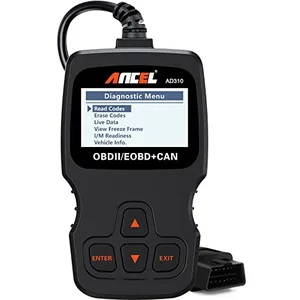 |
ANCEL AD310 OBD2 Scanner – $29.99 Since regular maintenance and catching small problems early are what actually push a car past 200,000 miles, a basic scanner lets you check for trouble codes yourself before they turn into expensive repairs.
|
The Longest-Lasting Car Brands
Looking at whole brands instead of single models tells a similar story. Toyota, Lexus, Honda, and Acura are the only four automakers whose vehicles beat the 4.8% industry average chance of reaching 250,000 miles, and Toyota alone is nearly four times the average.
| Brand | Chance of Reaching 250,000 Miles |
|---|---|
| Toyota | 17.8% |
| Lexus | 12.8% |
| Honda | 10.8% |
| Acura | 7.2% |
| GMC | 4.6% |
| Tesla | 4.6% |
| Chevrolet | 4.5% |
| Ford | 3.1% |
| Subaru | 2.3% |
| Industry average (all brands) | 4.8% |
One correction worth making here: Ford has a strong reputation for the F-150 being tough and long-lived, and no single Ford model makes the current top 25 list, and Ford as a brand sits at 3.1%, below the 4.8% industry average. That does not mean an F-150 is unreliable, but the data does not support ranking Ford alongside Toyota and Honda for sheer longevity. A genuinely surprising entry is Tesla, tied with GMC at 4.6%, essentially matching the industry average despite having far fewer moving parts than a gas engine to wear out.
How Long Does the Average Car Actually Last?
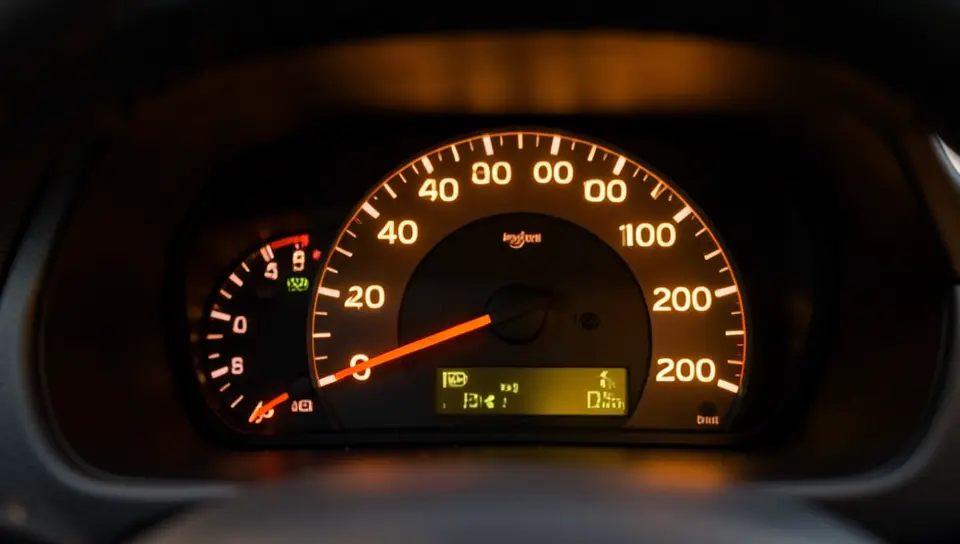
Most vehicles on U.S. roads are driven for roughly 12 years and around 200,000 miles before they are scrapped, but that average hides a wide range. A well-maintained Toyota or Honda routinely pushes past that mark by 50,000 to 100,000 miles, while a neglected vehicle from any brand can fail well short of it. The single biggest factor separating the two outcomes is not the brand badge, it is whether the drivetrain was serviced on schedule.
Individual components have their own lifespans within that overall number. A car transmission typically lasts between 100,000 and 200,000 miles, which means it is often the first major system to need attention on a car that is otherwise still running strong, and a failed transmission is one of the more common reasons an otherwise sound car gets scrapped early.
What Actually Makes a Car Last Longer
- Engine and drivetrain design: Toyota and Honda engines are known for conservative engineering, meaning they run well below their maximum stress limits during normal driving, which is a major reason their failure rates stay low even at high mileage.
- Build quality and rust resistance: Stronger frames, better rustproofing, and higher-grade interior materials reduce the number of small failures that eventually add up to a car being not worth fixing.
- Maintenance history: A documented record of on-time oil changes, fluid flushes, and filter changes is the single strongest predictor of whether a car reaches 250,000 miles.
- Driving habits: Hard acceleration, frequent short trips that never let the engine reach full operating temperature, and towing beyond the rated capacity all accelerate wear.
- Climate: Road salt in northern winters accelerates rust, and extreme heat degrades rubber hoses, belts, and battery life faster than a mild climate does.
Maintenance Habits That Add Real Miles
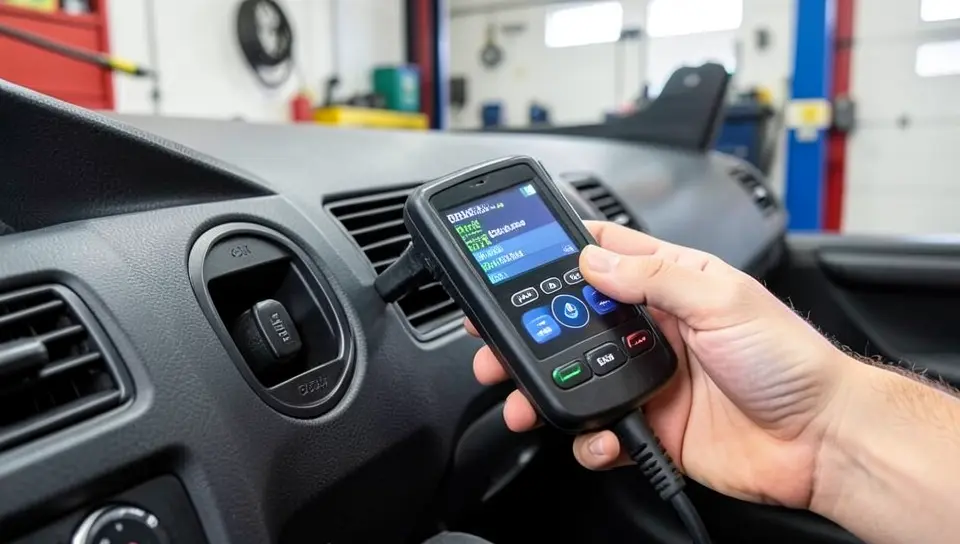
None of the maintenance items that extend a car’s life are complicated, but skipping them is the most common reason a car dies early. Sticking to the manufacturer’s oil change interval protects the engine more than any other single habit, since oil that breaks down stops properly lubricating and cooling internal components.
Beyond oil changes, a few habits matter almost as much. Checking transmission and coolant fluid levels a couple of times a year catches slow leaks before they become an overheated engine or a burned-out transmission. Testing your battery health before it fails also prevents the kind of surprise breakdown that leads owners to write off an otherwise good car. Finally, addressing warning lights and unusual noises promptly, rather than waiting, keeps a $200 repair from becoming a $2,000 one.
New vs. Used: Which One Lasts Longer?
A new car from a top-longevity brand and a well-documented used car from the same brand often end up lasting close to the same total number of miles, because the underlying engineering is identical. The real difference is risk: a new car carries a full warranty and no unknown history, while a used car depends entirely on how well the previous owner maintained it.
If you are shopping used, prioritize service records over low mileage. A 90,000-mile Camry with a full maintenance history from one owner is generally a safer long-term bet than a 40,000-mile Camry with no records and three previous owners, since gaps in service history are a better predictor of future problems than the odometer reading alone.
Frequently Asked Questions
Which Car Brand Lasts the Longest?
Toyota. In the most recent iSeeCars longevity study of nearly 400 million vehicles, Toyota-brand cars and trucks had a 17.8% predicted chance of reaching 250,000 miles, almost four times the industry average of 4.8%. Lexus (12.8%), Honda (10.8%), and Acura (7.2%) are the only other brands that beat the industry average, and all four share parts, engineering, and quality-control practices with Toyota.
What Car Has the Best Chance of Reaching 250,000 Miles?
The Toyota Sequoia tops the current list with a 39.1% predicted chance of reaching 250,000 miles, more than eight times the average vehicle. The Toyota 4Runner (32.9%) and Toyota Highlander Hybrid (31.0%) round out the top three. Ten of the top 25 vehicles overall are Toyotas.
Can Any Car Really Reach 300,000 Miles?
Yes, but it is uncommon outside a handful of models. Reaching 300,000 miles usually means the car already beat the odds at 200,000 and 250,000 miles, which almost always comes down to a reliable drivetrain plus a documented history of on-time oil changes, coolant flushes, and transmission fluid service rather than luck.
Is Buying a High-Mileage Used Car a Bad Idea?
Not automatically. A high-mileage Camry or Accord with 120,000 miles and full service records is often a safer bet than a low-mileage car from a brand with a poor longevity track record, since mileage alone does not predict remaining life the way maintenance history does. Get a pre-purchase inspection and pull the service records before you decide.
What Is the Average Lifespan of a Car in Miles and Years?
Industry data puts the typical U.S. vehicle at about 12 years and 200,000 miles of use before it is scrapped, though the average car has only about a 4.8% chance of reaching 250,000 miles. Brand, engine design, climate, and how consistently the car is serviced all push that number up or down.
Does Regular Maintenance Actually Extend a Car’s Life?
Yes, more than almost any other factor an owner controls. Timely oil changes, cooling system service, and transmission fluid changes prevent the slow wear that eventually turns into an engine or transmission replacement. A mechanically identical car that is serviced on schedule will typically outlast one that is not by a wide margin.
Conclusion
If longevity is the priority, the data points clearly at Toyota, and specifically at SUVs and trucks like the Sequoia, 4Runner, and Tundra, all of which have a real shot at outlasting the average car by well over 100,000 miles. Lexus, Honda, and Acura are the only other brands worth considering on longevity alone.
But brand only sets the ceiling. Whatever you drive, the maintenance habits in this guide, especially staying on top of oil changes and catching small problems early with a basic scanner, are what actually determine whether your specific car reaches 200,000 miles or dies at 90,000.
Products related to this article
Sponsored / affiliate links. As an Amazon Associate I earn from qualifying purchases. I may earn additional commission from eligible campaigns.