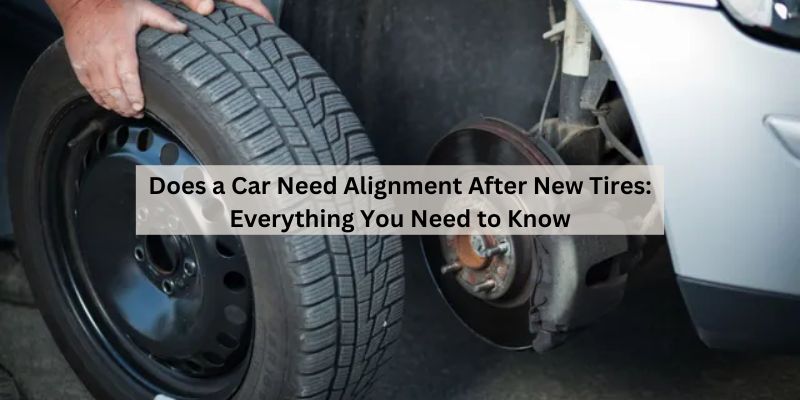
Does a Car Need Alignment After New Tires: Everything You Need to Know
Hey there, friend! So, you just got a shiny new set of tires for your car, and you’re probably wondering, “Do I need an alignment now?” I’ve been there, standing in the tire shop, scratching my head over whether it’s worth the extra cost. Over the years, I’ve learned a ton about tires and alignments from working on my cars and chatting with mechanics.
Getting new tires is exciting, but it can bring up questions about keeping your car in top shape. In this guide, I’m going to walk you through whether your car needs an alignment after new tires, why it matters, and how to spot the signs. It’s like we’re sitting in my garage, figuring this out together. Let’s dive in and make sense of it all!
What Is Wheel Alignment and Why Does It Matter?
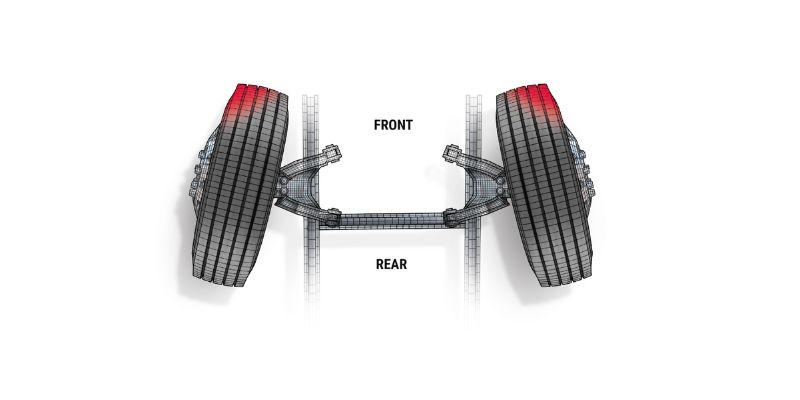
Let’s start with the basics. Wheel alignment, or tire alignment, is about making sure your car’s wheels are angled correctly. The wheels need to point in the right direction and sit properly on the road. There are three main angles mechanics check: camber, toe, and caster. Don’t worry if those sound technical—I’ll keep it simple.
Camber is how much the wheels tilt in or out when you look from the front. Toe is whether the wheels point inward or outward when viewed from above. Caster is the angle of the steering pivot, which affects stability. When these angles are off, your car might pull to one side, your tires might wear unevenly, or your steering might feel weird.
I learned this the hard way with my first car. I ignored a bad alignment, and my tires wore out faster than they should have. Proper alignment keeps your tires lasting longer, improves handling, and makes driving safer. It’s like giving your car a solid foundation to roll on.
Do You Need an Alignment After New Tires?
Here’s the big question: Do you need an alignment every time you get new tires? From my experience, it depends. If your car’s alignment is already good and you haven’t hit any major potholes or curbs, you might not need one right away. But if your alignment is off, new tires won’t fix it—they’ll just wear out faster.
When I got new tires for my SUV a couple of years ago, the shop recommended an alignment. I was skeptical, thinking it was just a way to upsell me. But they showed me how my old tires were worn unevenly—a clear sign of misalignment. After the alignment, my new tires lasted much longer, and my car drove smoothly. Most mechanics suggest checking alignment with new tires to protect your investment. It’s not always mandatory, but it’s often a smart move.
Signs Your Car Needs an Alignment
How do you know if your car needs an alignment? I’ve learned to spot the signs by paying attention to how my car feels. Here are the red flags I look for:
- Pulling to one side: If your car drifts left or right when you let go of the steering wheel, that’s a big clue. I noticed this on my sedan after hitting a rough road.
- Uneven tire wear: Check your tires. If one side is more worn than the other, alignment is likely off. I once saw my front tires balding on the inside—classic misalignment.
- Steering wheel off-center: If your steering wheel isn’t straight when driving straight, it’s a sign. This happened to me after a winter of dodging potholes.
- Vibration or shaky steering: If your steering feels wobbly, especially at higher speeds, alignment could be the issue. I felt this on my truck once, and an alignment fixed it.
- Squealing tires: If your tires squeal during turns, they might not be aligned properly.
If you notice any of these after getting new tires, don’t wait—get an alignment. It’ll save your tires and make driving more comfortable.
When Should You Get an Alignment?
Timing is key. I’ve found that certain situations call for an alignment, especially after new tires. Here’s when I recommend checking it:
- After installing new tires, New tires are a big investment, and an alignment ensures they wear evenly. I always ask for a check when I get new tires.
- After hitting a pothole or curb, Rough roads can knock your wheels out of alignment. I learned this after a bad bump left my car pulling to the right.
- Every 6,000-8,000 miles: Even without new tires, regular alignment checks keep your car in shape. I mark my calendar to check every oil change or two.
- If you notice symptoms: Don’t ignore pulling, uneven wear, or steering issues. I waited too long once, and it cost me a tire.
Most tire shops offer a free alignment check with new tires, so it’s worth asking. I’ve saved money by catching issues early this way.
How New Tires and Alignment Work Together
You might be wondering how new tires and alignment are connected. When you get new tires, they’re like a fresh canvas. If your alignment is off, the tires will start wearing unevenly right away, cutting their lifespan short. I saw this with my old coupe—new tires looked great for a month, then started wearing on one side because of a bad alignment.
An alignment sets up your new tires for success. It ensures they make full, even contact with the road, which improves grip, fuel efficiency, and tire life. When I got my SUV’s alignment done with new tires, it felt like a new car—smooth, steady, and responsive. Think of alignment as insurance for your tires.
What Happens During an Alignment?
I used to think alignments were some mysterious process, but they’re pretty straightforward. When I take my car to the shop, here’s what happens:
The mechanic puts the car on a lift and attaches sensors to the wheels. These sensors connect to a computer that measures the wheel angles. The screen shows if the camber, toe, or caster is off. Then, the mechanic adjusts the suspension components—usually tie rods or bolts—to get the angles right. It takes about 30-60 minutes, depending on the car.
I watched this process once at a shop, and it was cool to see the computer map out my wheels’ alignment. Afterward, the mechanic test-drives the car to make sure everything feels right. It’s a precise job, but it makes a huge difference.
Costs and Considerations
Let’s talk money. Alignments aren’t free, but they’re not crazy expensive either. Based on my trips to tire shops across the USA, a standard alignment costs $50-$100. Some places offer lifetime alignment packages for $150-$200, which I’ve found worth it if you keep your car for years.
If you’re getting new tires, many shops bundle alignment checks for free or at a discount. I always ask for this deal—it’s saved me cash. If your car needs major suspension repairs to fix alignment, costs can climb, but that’s rare. Check with shops like Firestone, Pep Boys, or local mechanics for the best prices.
Here’s a quick table to break it down:
| Service | Average Cost | Notes |
|---|---|---|
| Standard alignment | $50-$100 | Covers most cars, takes 30-60 minutes |
| Lifetime alignment package | $150-$200 | Good for long-term car owners |
| Alignment check with new tires | Free-$50 | Often bundled with tire purchase |
| Suspension repair (if needed) | $200-$1,000+ | Only if there’s underlying damage |
DIY Alignment: Is It Possible?
I’ve been tempted to try aligning my wheels at home, especially to save money. After some research and a few attempts, here’s what I learned: DIY alignment is possible but tricky. You can use a string and a ruler to measure toe alignment, but it’s hard to get precise. Camber and caster are even tougher without professional tools.
I tried a DIY toe alignment on my old truck using a string method. It helped a bit, but the steering still felt off. For most folks, a professional alignment is worth it for accuracy. If you’re curious about DIY, look up “string alignment” online, but be ready for some trial and error. I stick to shops now—it’s faster and more reliable.
Other Factors That Affect Alignment
New tires aren’t the only thing that can mess with alignment. I’ve noticed a few other culprits over the years:
- Worn suspension parts: Shocks, struts, or tie rods can throw off alignment. I had a worn tie rod once that made my car pull hard.
- Uneven roads: Potholes, curbs, or rough terrain can knock wheels out of whack. I hit a bad pothole last year, and my alignment was off within days.
- Heavy loads: Carrying heavy cargo regularly can stress the suspension. I noticed this when hauling furniture in my SUV.
- Modifications: Lowering your car or adding big wheels can change the alignment. My friend’s modified car needed constant alignments after lowering.
If any of these apply to you, keep a closer eye on your alignment, especially after new tires.
Benefits of Aligning After New Tires
Why bother with an alignment? I’ve seen the benefits firsthand. Here’s what you get:
- Longer tire life: Proper alignment prevents uneven wear, saving you from replacing tires too soon. My last set lasted 50,000 miles with regular alignments.
- Better handling: A well-aligned car feels smooth and responsive. After my last alignment, my SUV cornered like a dream.
- Improved fuel efficiency: Misaligned wheels make your car work harder, burning more gas. I noticed a slight MPG boost after fixing my alignment.
- Safer driving: Alignment prevents pulling or wobbling, keeping you in control. This gave me peace of mind on long highway trips.
These perks make alignment a no-brainer for me, especially with new tires.
Maintenance Tips to Keep Alignment in Check
Once you’ve got your alignment done, you want it to last. Here’s what I do to keep my wheels in line:
- Drive carefully: Avoid potholes and curbs when you can. I slow down on rough roads to protect my alignment.
- Check tires regularly: Look for uneven wear every month. It’s an early warning sign of alignment issues.
- Rotate tires: Every 6,000-8,000 miles helps tires wear evenly and keeps alignment stress low. I combine this with oil changes.
- Get regular checks: An alignment check every year or after rough driving keeps things on track. I ask for a quick check during tire rotations.
- Fix suspension issues: If your car feels bouncy or loose, get the suspension checked. I caught a bad strut early and saved my alignment.
These habits have kept my car driving smoothly and my tires lasting longer.
Common Mistakes to Avoid
I’ve made some alignment blunders, so let me save you the trouble. Don’t skip an alignment check just to save money—it can cost you more in tire replacements. I did this once and regretted it when my tires wore out early. Also, don’t ignore symptoms like pulling or uneven wear. I waited too long once, and it led to a pricey fix.
Another mistake: don’t assume new tires fix alignment issues. They don’t—they just mask them for a while. And avoid DIY alignments unless you’re confident. I tried it and ended up at the shop anyway. Stick to professionals for the best results.
Why It’s Worth the Effort
Getting an alignment after new tires might seem like an extra step, but it’s a small price for big benefits. I love how my car feels after an alignment—steady, smooth, and ready for the road. It’s like giving your car a tune-up that pays off in better handling, longer tire life, and safer drives. I’ve saved hundreds of dollars over the years by keeping my alignment in check, and it’s a task that doesn’t take much time or effort.
Conclusion
So, does your car need an alignment after new tires? In my experience, it’s usually a smart move to check. New tires are a fresh start, and a proper alignment ensures they last as long as possible while keeping your car safe and smooth. I’ve shared my journey with you—from learning the signs of misalignment to figuring out when and why to get it done. Whether you’re cruising in a compact car or a rugged truck, alignment is key to a great driving experience. So next time you get new tires, take a moment to check your alignment. Grab a coffee, head to the shop, and give your car the care it deserves. You’ll love the way it feels when you hit the road!
FAQs
Do I always need an alignment after new tires?
Not always, but it’s a good idea to check. If your alignment is off, new tires will wear out faster.
How can I tell if my car needs an alignment?
Look for pulling to one side, uneven tire wear, or an off-center steering wheel. These are clear signs.
How much does an alignment cost?
Usually $50-$100. Some shops offer free checks with new tires or lifetime packages for $150-$200.
Can I drive with bad alignment?
You can, but it’s not safe. It causes uneven tire wear, poor handling, and can make driving risky.
How often should I check my alignment?
Every 6,000-8,000 miles or after hitting potholes. Regular checks keep your tires and car in good shape.
Can I do an alignment at home?
It’s possible with basic tools, but it’s hard to get precise. Professional alignments are more reliable.