Does Carmax Buy Cars That Don’T Run? Here’S The Truth
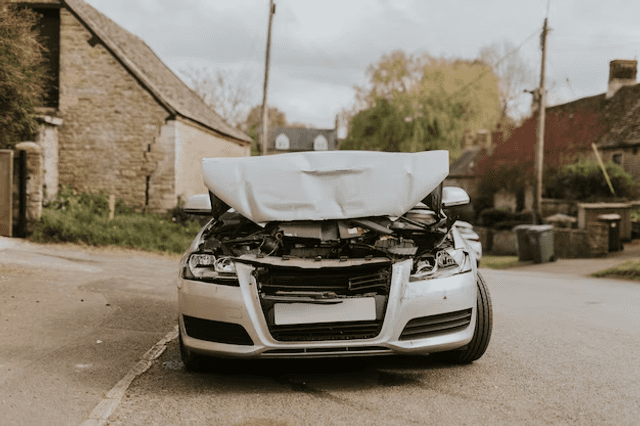
CarMax does buy cars that don’t run, but there are conditions. They evaluate each vehicle individually. The car’s overall condition, age, mileage, and potential repair costs play a big role. They often prefer cars that are in running condition or have minor issues. However, a non-running car might still be accepted if its other factors are strong and the price reflects its condition. You’ll always need to get an appraisal to know for sure.
How CarMax Evaluates Non-Running Cars
So, does CarMax buy cars that don’t run? The simple answer is: sometimes. It’s not a simple yes or no.
CarMax has a process for appraising every single car they consider buying. This includes cars that aren’t in perfect working order. They look at many things.
It’s not just about whether the engine turns on right away. They want to see the whole picture.
Think of it like a doctor checking a patient. They don’t just check the heartbeat. They look at weight, blood pressure, and ask about feelings.
CarMax does something similar for cars. They are looking for value. Even a car that doesn’t run might have value in its parts.
Or maybe it’s a classic car that someone wants to restore. Or it could be a newer car with a small, fixable problem. The key is that CarMax looks at the car as a whole package.
They have specific criteria. These help them decide if a car is a good fit for their business. What they don’t want is a car that costs them too much to fix.
They also don’t want a car that they can’t resell. Their goal is to buy cars, fix them up a bit if needed, and then sell them for a profit. If a car is too far gone, it doesn’t fit their model.
This is why your experience might be different from your neighbor’s. Their car might have been accepted while yours wasn’t. It all comes down to the specific details of each vehicle.
Don’t get discouraged if you hear stories of others having success. Your car is unique. And CarMax treats each one like it’s unique too.

My Own Car-Selling Adventure (And What I Learned)
I remember a time I had an old Honda Civic. It had been a great car for years. Then, one day, it just… stopped.
No warning lights, no sputtering, just silence. I was in my late 20s then, living in a small apartment. This car was my lifeline to my part-time job.
Losing it felt like losing a limb. I was stressed. And honestly, a little scared.
I knew I couldn’t afford to fix it. The mechanic gave me a grim look and a number that made my eyes water. So, selling it was the only option.
But a non-running car? I felt a pang of panic. I called a few local junkyards.
The offers were insultingly low. Like, “you’re paying me to take it” low. I felt defeated.
I started to think the car would just rot in the street.
Then I remembered hearing about CarMax. I’d always seen their big billboards. They seemed to buy any car.
So, I booked an appraisal online. Walking into the brightly lit store felt a bit intimidating. But the appraiser was friendly.
He was a young guy, really polite. He didn’t make me feel bad about my sad, silent Honda.
He spent a good amount of time looking at it. He checked the tires, the interior, the body. He even kicked the tires (gently!).
He opened the hood and looked around. Then he went inside to type things into his computer. I waited, heart pounding.
He came back with a piece of paper. He told me they couldn’t buy it. My heart sank.
But then he explained why. He said the engine damage was too severe. And the parts needed were rare for that old model.
He said it would cost them too much to repair and resell. He was honest and kind about it. He explained that while they do buy some non-running cars, mine was just too far gone for their model.
He even suggested a place that might take it for parts. It wasn’t the outcome I hoped for, but his honesty and effort meant a lot. It taught me that while CarMax can be an option, it’s not a guaranteed solution for every broken-down car.
What CarMax Looks For in a Non-Running Car
Overall Condition: Even if it doesn’t run, does the car have good bones? Rust, body damage, and interior wear and tear matter. A car with a clean body might be more appealing.
Age and Mileage: Newer cars with lower miles often hold more value. This is true even if they have a mechanical issue. Older cars with high miles are harder to justify, especially if they don’t run.
The Problem Itself: What exactly is wrong? Is it a dead battery? A simple fuel pump issue?
Or a complete engine rebuild? Simple fixes are more attractive than major, expensive repairs.
Market Demand: Is this a car that people still want? Popular models or hard-to-find vehicles might be more attractive to CarMax. They consider what they can sell it for later.
Understanding the Appraisal Process
When you bring your car to CarMax, they have a structured way of looking at it. This appraisal process is key. It’s how they decide on a price.
Or if they will buy the car at all. Even if your car is not running, they will still go through the steps. They want to be fair.
But they also need to be smart about their business.
First, they’ll ask you about the car. They’ll want to know its history. They’ll ask why it’s not running.
You should be honest here. Did it just die? Was there a strange noise?
Did it overheat? Giving them good information helps them. It can also speed up the process.
They want to know if it’s a simple fix or a major problem.
Next, they’ll do a walk-around. They check the exterior. They look for dents, scratches, and rust.
They check the tires. Are they bald? Are they mismatched?
The condition of the body is important. A car with a lot of rust might be too costly to repair. Or it might be unsafe.
Then, they’ll look inside. They’ll check the seats. Are they torn?
Is the carpet stained? They’ll look at the dashboard. Are there any warning lights on (even if it doesn’t start)?
The condition of the interior can tell them a lot about how the car was cared for.
They might also check the undercarriage. They’re looking for rust or damage there. This is especially true if the car is older.
They want to make sure the frame is sound. A car with a bent frame is usually not worth much to them.
If the car starts, they will typically do a short test drive. If it doesn’t start, they will try to turn it over. They might check the battery.
They might listen to the engine if it tries to crank. They are listening for odd noises. These can signal big problems.
After this inspection, the appraiser will take all the information back to their computer. They use a system. This system looks at the car’s make, model, year, and mileage.
It also considers the condition they just observed. It checks against recent sales data for similar cars. For a non-running car, they factor in the estimated cost of repairs.
This is what they would need to spend to get it running and sellable.
The offer they give you is based on this data. It’s what they believe they can sell the car for, minus their costs. Their costs include repairs, reconditioning, and their profit margin.
This is why the offer for a non-running car will always be lower than for a running one. They have to account for the work needed.
Infographic: Your Car’s Journey at CarMax (Non-Running Edition)
- Arrival: You book an appointment and drive (or tow) your car in.
- Initial Talk: You tell the appraiser about the car’s issues and history.
- Exterior Check: Body damage, rust, tires, glass are all inspected.
- Interior Review: Seats, carpet, dashboard, and general wear are noted.
- Mechanical Check (Limited): They’ll try to start it, check battery, listen for engine sounds.
- Data Input: Appraiser enters all details into CarMax’s valuation system.
- Offer Generation: CarMax calculates a price based on condition, repair costs, and market value.
- Decision Time: You accept or decline the offer.
What Makes a Non-Running Car Unattractive to CarMax?
While CarMax can buy cars that don’t run, there are definite reasons why they might say no. Or why they might offer a very low price. Understanding these helps you set your expectations.
It also helps you know if your car is a good candidate for them.
One of the biggest issues is the cost of repair. CarMax is a business. They need to make money.
If a car needs thousands of dollars in engine work, transmission repairs, or major body fixes, it might not be worth it for them. They have to consider what they can realistically sell the car for after repairs. If the repair costs eat up all the potential profit, they’ll likely pass.
Severe rust and body damage are also big red flags. Cars with extensive rust, especially on the frame or structural components, are often unsafe. Repairing these issues can be extremely expensive.
CarMax usually avoids cars that need major structural work. The same goes for significant collision damage. If the car looks like it’s been in a major accident and wasn’t repaired properly, they might shy away.
Age and mileage combined with the non-running issue can be a double whammy. A 20-year-old car with 200,000 miles that doesn’t run is a tough sell. Even if the problem is minor, the overall wear and tear on the vehicle might make it a less desirable purchase.
They might assume other parts are also nearing the end of their life.
Salvage titles or major branding issues are another problem. If your car has been declared a total loss by an insurance company (salvage title), it significantly reduces its value. CarMax usually won’t buy cars with these types of titles, or their offer will be extremely low.
They also avoid flood-damaged cars. Water damage can cause long-term electrical and mechanical problems that are hard to detect and fix.
Finally, lack of demand plays a role. If your car is a very niche model or an older vehicle that isn’t particularly collectible, CarMax might not see a clear path to reselling it quickly. They prefer cars that have a broad appeal.
If they can’t easily sell it after repairs, they won’t buy it.
Contrast Matrix: Normal vs. Concerning for Non-Running Cars
| Normal (CarMax Might Consider) | Concerning (CarMax Likely Won’t Buy) |
|---|---|
| Car won’t start due to a dead battery or fuel pump issue. | Car has a blown head gasket or cracked engine block. |
| Minor dents or scratches on the exterior. | Significant rust on the frame or extensive body panel damage. |
| Interior is worn but clean and functional (e.g., slightly faded seats). | Torn upholstery throughout, stained carpets, broken interior parts. |
| Older car (10-15 years) with moderate to high mileage (150k+ miles). | Very old car (20+ years) with extremely high mileage (200k+ miles). |
| Car has a clean title. | Car has a salvage, flood, or branded title. |
What to Expect if CarMax Buys Your Non-Running Car
If you’re lucky and your non-running car meets CarMax’s criteria, they will make you an offer. This offer is typically for the vehicle itself, not its parts. They will buy it outright.
You don’t have to buy a car from them in return. This is a major perk for many people.
The offer they give you is usually valid for a few days. This gives you time to think about it. It also gives you time to compare it with other offers.
Don’t feel pressured to accept right away. You can always walk away if you don’t like the number.
If you accept the offer, the process is usually quite smooth. They will handle the paperwork. This includes transferring the title.
You’ll need to have your car’s title with you. If you have a lien on your car, CarMax can often work with your lender. They can pay off the loan directly.
This simplifies things greatly.
Once the paperwork is done, they will pay you. They typically pay by check. Sometimes, they can do direct deposit.
The payment is usually processed fairly quickly. This means you get your money within a day or two, sometimes even the same day. This is a big advantage over private sales, where payment can be a hassle.
It’s important to note that CarMax is not a scrap yard. They aren’t looking to buy cars solely for their metal. They want cars they can potentially fix and resell.
This means that if your car is truly only good for scrap, CarMax is unlikely to be the best option. They are looking for some residual value beyond just parts.
So, what happens to the car after they buy it? CarMax has reconditioning centers. They will assess the car.
If it’s a good candidate for their sales lot, they will repair it. They might fix the engine, replace parts, or do cosmetic work. Then, they will put it on their lot for sale.
If the car is too expensive to repair, they might sell it at auction to other dealers. This is why their offers are based on their ability to make a profit.
Quick Scan: Selling Your Non-Running Car to CarMax
Pros:
- Convenience: Easy appointment and appraisal process.
- Speed: Quick offers and fast payment if you accept.
- No Hassle: They handle most of the paperwork.
- No Private Sale Worries: No need to deal with tire-kickers or potential scams.
- Can Buy Without Trading: You don’t have to buy a car from them.
Cons:
- Lower Offer: Expect less than what you might get selling privately (if the car ran).
- Not Guaranteed: They might not buy your car if it’s too damaged.
- Focus on Resale: They need to see profit potential.
Alternatives if CarMax Says No
What if you take your non-running car to CarMax, and they can’t buy it? Don’t despair! There are still other avenues you can explore.
CarMax is just one option. And for certain types of non-running cars, other places might be a better fit.
One of the most common alternatives is a local used car dealer. Some smaller dealerships specialize in buying older cars or cars with mechanical issues. They might have mechanics on staff who can do repairs at a lower cost.
It’s worth calling around and explaining your car’s situation. Be clear about what’s wrong and its condition.
Scrap yards or auto recyclers are another option. If your car is very old, heavily damaged, or has a major mechanical failure, it might have more value as scrap metal and usable parts. These places pay based on the weight of the metal and the value of individual parts they can salvage.
They are definitely interested in cars that don’t run.
You can also try online car buying services. Companies like Peddle, SellMax, or JunkCarMedics specifically focus on buying vehicles in any condition. They often have an online quote system.
You enter your car’s details, and they give you an offer. They usually arrange for pickup, which is a huge convenience if your car can’t be driven.
Don’t forget the option of a private sale. Even if your car doesn’t run, someone might still be interested. You could list it on platforms like Craigslist, Facebook Marketplace, or dedicated forums for your car’s make and model.
You’ll need to be upfront about the car’s condition. Be prepared for people who want to buy it for parts or as a project car. You might need to offer it at a very low price to attract buyers.
You may also need to arrange for towing yourself.
When selling privately, always ensure the buyer is legitimate. Meet in a safe, public place. And make sure you get paid before signing over the title.
For a non-running car, cash is often best. Towing will likely be the buyer’s responsibility. Clearly state that in your ad.
Stacked Micro-Sections: Other Places to Sell Your Non-Running Car
Local Mechanics/Dealers: They might have projects or know buyers looking for parts. Call them first.
Scrap Yards: Best for cars with significant damage or very old vehicles. They pay by weight and parts.
Online Buyers (Peddle, SellMax): Easy online quotes and pickup services for cars in any condition.
Private Sale (Craigslist, Facebook): Potential for a slightly better price, but more effort and risk. Be very clear about the car’s status.
When Is It Worth Trying to Sell a Non-Running Car?
Not every non-running car is a good candidate for selling. But there are situations where it makes sense to try. Knowing these can save you time and effort.
And potentially get you some cash when you thought you’d get nothing.
High-Demand Models: If you have a car that’s popular, even with a mechanical issue, it might still be valuable. Think of certain trucks, SUVs, or even specific sedans that are known for reliability or are highly sought after. CarMax or other buyers might see potential here.
Recent, Minor Issues: Did your car just die yesterday? Was it running perfectly before that? If the problem seems recent and possibly minor (like a blown fuse, a bad sensor, or a failed fuel pump), it might be worth getting a mechanic’s opinion.
If the fix is relatively cheap, it might be worth repairing it to get a much better selling price.
Good Overall Condition (Beyond Running): If the car has a fantastic interior, a near-perfect exterior, and low miles for its age, these factors can sometimes outweigh the fact that it doesn’t run. Buyers might be willing to overlook a non-running issue if the rest of the car is pristine.
Potential for Valuable Parts: Some cars have specific parts that are very expensive or hard to find. Even if the car itself isn’t worth much, its individual components might be. This is more likely with specialty vehicles, classic cars, or models known for certain high-cost parts.
You Need the Cash: Sometimes, the market value of a non-running car is low. But if you urgently need cash, accepting a lower offer from a place like CarMax or an online buyer might be your best immediate option. It’s better than letting the car sit and potentially become worth even less.
Classic or Collector Cars: If you have a classic car that no longer runs, there’s a whole market for these. Enthusiasts often buy them as restoration projects. CarMax might not be the best place for these, but dedicated classic car buyers or auctions would be.
These cars can be worth a lot, even in non-running condition, due to their historical value.
When to Try Selling Your Non-Running Car: Quick Checklist
- Car is a popular model with high demand.
- The breakdown was recent and seems like a minor fix.
- Exterior and interior are in excellent condition.
- Car has low mileage for its age.
- You need cash quickly and can’t afford repairs.
- It’s a classic or collector car with potential restoration value.
What This Means For Your Car-Selling Plan
If you’re looking to sell a car that doesn’t run, CarMax is a place to consider. But it’s not a guaranteed solution. They have strict criteria.
They will assess your car based on its overall condition, age, mileage, and the cost of repairs. They need to see a potential profit after fixing it up.
Be prepared for an appraisal process. Be honest about the car’s issues. The offer you receive will reflect its non-running status.
It will be lower than if the car was in good working order. If CarMax doesn’t buy it, don’t give up. There are other options.
Local dealers, online buyers, and even private sales can be viable alternatives.
Ultimately, the best approach is to research. Get multiple quotes. Understand your car’s value, even in its current state.
This way, you can make the best decision for your situation. Selling a car that doesn’t run can be stressful, but with the right information, it can be manageable.
Your Questions Answered: FAQs about Selling Non-Running Cars
Can I sell my car to CarMax if it has a blown engine?
It’s unlikely CarMax will buy a car with a blown engine. A blown engine is a major, expensive repair. CarMax needs to be able to resell the car for a profit.
The cost to fix a blown engine usually makes it not worth their investment. They might consider it if the car is very rare or has extremely low mileage otherwise, but it’s a long shot.
How do I get my car to CarMax if it doesn’t run?
If your car doesn’t run, you will need to arrange for it to be towed to the CarMax location for its appraisal. CarMax does not typically offer towing services for appraisals. You can use a local towing company or a service like U-Haul.
Make sure you factor the towing cost into your decision about selling.
Does CarMax buy cars with transmission problems?
CarMax might buy cars with transmission problems, but it depends on the severity and age of the car. A minor transmission issue that’s relatively cheap to fix might be acceptable. However, a major transmission failure would likely make the car too expensive to repair and resell.
They will evaluate it like any other mechanical problem.
What if my car’s title is lost and it doesn’t run?
Selling a car without a title is very difficult, and most dealers, including CarMax, will not buy it. You will need to obtain a replacement title from your state’s Department of Motor Vehicles (DMV) before you can sell it. This process can take time, so start early.
A lost title is a major obstacle.
Will CarMax buy my car if it just needs a new battery?
Yes, CarMax is very likely to buy a car that only needs a new battery. A dead battery is a common and inexpensive fix. They would factor the cost of a new battery into their offer, but it’s usually not a dealbreaker.
They would consider it a minor issue that they can easily resolve.
How much less should I expect for a non-running car compared to a running one?
The difference in offer can vary greatly. It depends on the estimated repair cost. For a car that needs a few hundred dollars in fixes, you might see an offer that’s $500-$1000 lower.
If it needs thousands in engine or transmission work, the offer could be thousands lower, or they might not buy it at all. Always get quotes to know for sure.
Final Thoughts on Selling Your Non-Running Vehicle
Selling a car that doesn’t run can feel like a challenge. But with CarMax, there’s a possibility. They offer a structured way to get an appraisal.
Just remember they’re a business. They need to make money. So, manage your expectations.
Your car’s condition is key. If they can’t buy it, other options exist. Explore them all to find the best fit for you.
Products related to this article
Sponsored / affiliate links. As an Amazon Associate I earn from qualifying purchases. I may earn additional commission from eligible campaigns.