How Much Brake Fluid Does a Car Need? (Quart & Top-Off Guide)
Most cars need about 32 ounces — one quart — of brake fluid for a full flush, while topping off a low reservoir usually takes only 2 to 4 ounces. The exact amount depends on your vehicle’s size and brake system, since a compact car’s hydraulic system holds less fluid than a full-size truck’s. I’ve checked this across several of my own vehicles, and the fastest way to get an exact number for your car is still the owner’s manual.
Why Brake Fluid Matters
BEST FOR A DIY BRAKE FLUID TOP-OFF OR FLUSH
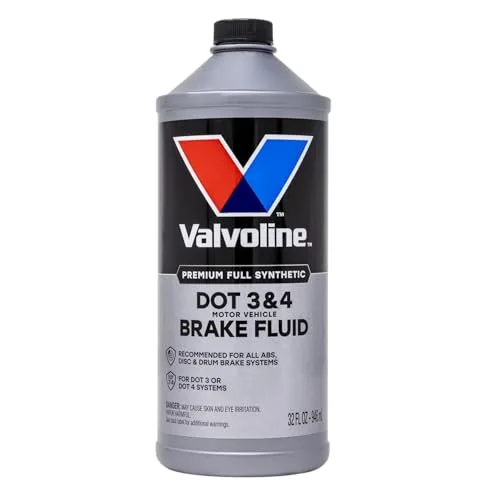 |
Valvoline DOT 3 & 4 Synthetic Brake Fluid, 32 oz – $9.88 One 32 oz bottle covers a typical full-system flush on most cars, with fluid left over for a future top-off.
|
Brake fluid is what makes your brakes work. When I press the brake pedal in my SUV, the fluid transfers that force to the brake pads, which stop the wheels. It’s a hydraulic system, meaning it uses liquid to move power. Without enough fluid, your brakes won’t respond properly, and that’s a scary thought.
I learned this the hard way when my sedan’s brakes felt soft, and I had to pump the pedal to stop. Low brake fluid was the culprit. It’s also important because it handles high heat and prevents corrosion in the brake system. Keeping the right amount ensures your car stops safely every time.
How Much Brake Fluid Does a Car Need?
The amount of brake fluid a car needs depends on its make, model, and brake system. I’ve checked this for a few cars I’ve owned, and it varies. Most cars need between 0.5 to 1 liter (16 to 32 ounces) of brake fluid for a full flush or replacement. For a top-off, you might only need a few ounces.
For example, my compact sedan takes about 0.7 liters for a complete flush, while my friend’s pickup truck needed nearly a liter. The best way to know for sure is to check your owner’s manual. I keep mine in the glovebox for quick reference. It lists the exact amount and type of fluid, which saves guesswork.
Factors That Affect Brake Fluid Needs
I’ve noticed a few things that influence how much brake fluid a car uses. Here’s what I’ve learned:
Vehicle Size and Type
Bigger vehicles often need more brake fluid. My SUV has a larger brake system than my old hatchback, so it uses more fluid—about 0.8 liters versus 0.5 liters. Trucks and vans with heavy-duty brakes might need even more, sometimes up to 1.5 liters.
Brake System Design
Some cars have complex brake systems, like those with anti-lock brakes (ABS) or electronic stability control. These systems have more components, so they hold more fluid. I found this out when I worked on a car with ABS—it took 0.9 liters compared to a simpler system’s 0.6 liters.
Maintenance Type
If you’re just topping off the reservoir, you might need only 2-4 ounces. I’ve done this when the fluid level dropped slightly. A full flush, where you replace all the old fluid, requires the full amount listed in the manual. I do a flush every two years to keep my brakes sharp.
Leaks or Wear
If your brake system has a leak, you’ll need more fluid to replace what’s lost. I had a leaky brake line once, and I kept adding fluid until I fixed it. Worn brake pads can also make the fluid level drop because the calipers extend further, using more fluid.
Types of Brake Fluid
Not all brake fluids are the same, and I’ve learned this matters when figuring out how much you need. Here’s what I’ve come across:
DOT 3
This is common in older cars. I used DOT 3 in my first car, a 90s sedan. It’s affordable and works well for standard brakes. It holds about 0.5-0.8 liters in most cars I’ve seen.
DOT 4
Most modern cars use DOT 4, like my current SUV. It handles higher temperatures than DOT 3, which is great for performance driving. It’s slightly thicker, so some systems need a bit more—around 0.6-1 liter.
DOT 5
This is silicone-based and rare in everyday cars. I’ve only seen it in classic or specialty vehicles. It’s not compatible with DOT 3 or 4, so you need the exact amount specified, usually 0.5-0.9 liters.
DOT 5.1
This is a high-performance fluid, similar to DOT 4 but with better heat resistance. I used it in a friend’s sports car, which needed about 0.8 liters. It’s pricier but worth it for aggressive driving.
Always check your manual for the right type. I made the mistake of mixing DOT 3 and DOT 4 once, and it caused spongy brakes until I flushed the system.
How to Check Brake Fluid Levels
Checking your brake fluid is easy, and I do it every few months. Here’s how I do it:
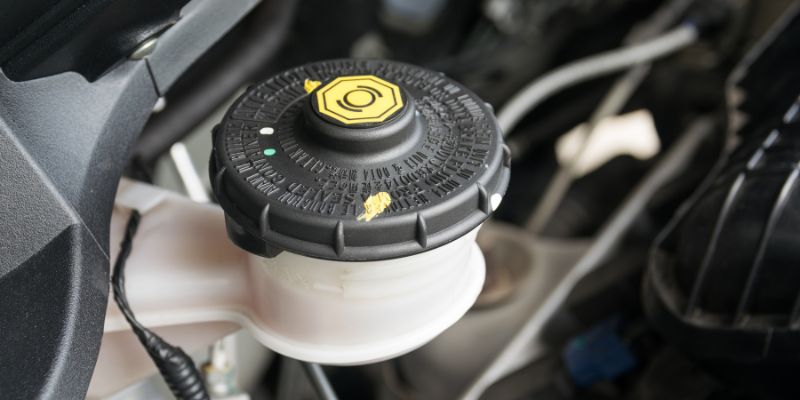
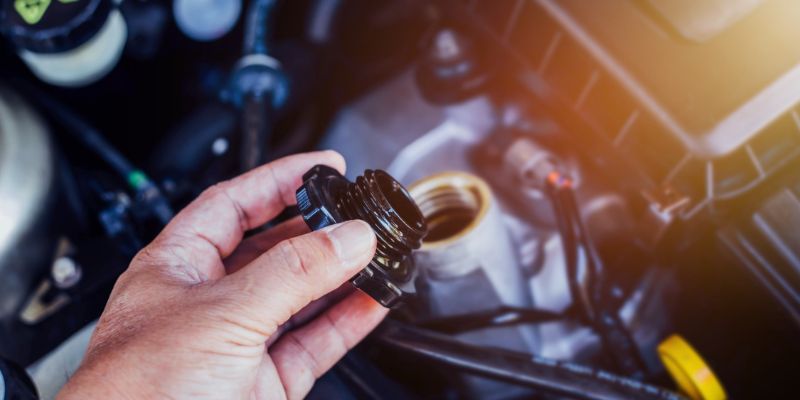
- Find the Reservoir: It’s under the hood, usually near the firewall on the driver’s side. Mine’s a clear plastic tank with “Brake Fluid” written on it.
- Check the Level: Look at the side of the reservoir. It has “Min” and “Max” lines. The fluid should be between them. I use a flashlight if it’s hard to see.
- Inspect the Color: Fresh fluid is clear or light yellow. If it’s dark or murky, like mine was after three years, it’s time for a flush.
- Clean the Cap: I wipe the cap with a rag before opening it to keep dirt out. Contaminated fluid can damage the system.
If the level is low, I add a bit of the right fluid. If it’s too low, I check for leaks before topping off.
How to Add Brake Fluid
If your fluid is low, topping it off is simple. I’ve done this a few times when my reservoir dipped below the “Min” line. Here’s my process:
- Get the Right Fluid: I check the manual or reservoir cap for the type (e.g., DOT 4). I buy a small bottle—12 ounces is usually enough for a top-off.
- Clean the Area: I wipe the reservoir cap and surrounding area to avoid dirt getting in.
- Open Carefully: I unscrew the cap slowly to avoid spilling. Some caps have a sensor, so I’m gentle.
- Pour Slowly: I use a funnel to add fluid until it’s near the “Max” line. I stop frequently to check the level.
- Close and Check: I tighten the cap and make sure it’s secure. Then I press the brake pedal a few times to ensure it feels firm.
I never overfill because it can cause pressure issues. If I spill any, I wipe it up fast—brake fluid can damage paint.
When to Flush Brake Fluid
Brake fluid absorbs water over time, which lowers its boiling point and can cause corrosion. I noticed my brakes felt less responsive when I skipped a flush for too long. Most experts, and my experience, suggest flushing every 2-3 years or 30,000 miles.
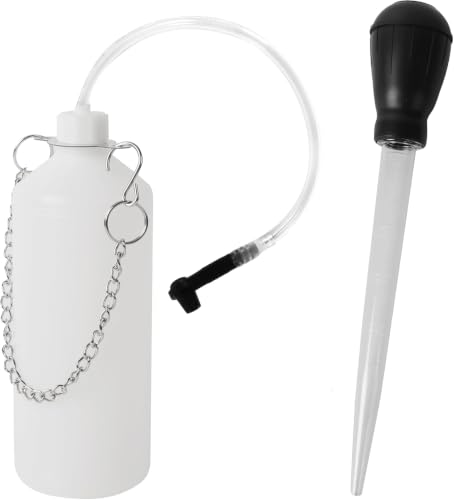
A flush replaces all the old fluid with new. I’ve done this on my SUV, and it used about 0.8 liters of DOT 4. It’s a bit tricky, so I sometimes pay a shop $100 to do it. If you’re DIY, you’ll need a brake bleeder kit and a friend to pump the pedal. I learned to start at the wheel farthest from the reservoir and work closer.
Signs You Need More Brake Fluid
I’ve learned to spot when my car needs more brake fluid. Here are the signs I watch for:
- Soft Brake Pedal: If the pedal feels spongy or sinks to the floor, like it did in my sedan, the fluid might be low.
- Low Reservoir Level: If it’s below the “Min” line, I add fluid after checking for leaks.
- Warning Light: My dashboard has a brake warning light. It came on once when the fluid was too low.
- Leaking Fluid: Puddles under the car or wet spots near the wheels mean a leak. I had to fix a brake line once.
- Poor Braking: If stopping takes longer, low fluid could be the issue. I noticed this before a flush.
If you see these, check the fluid right away. I always carry a small bottle of brake fluid in my trunk for emergencies.
Common Mistakes to Avoid
I’ve made my share of mistakes with brake fluid. Here’s what I’ve learned to avoid:
- Using the Wrong Fluid: Mixing types, like DOT 3 with DOT 5, can ruin your brakes. I check the manual every time now.
- Overfilling: Too much fluid can cause leaks or pressure issues. I stop at the “Max” line.
- Ignoring Leaks: Adding fluid without fixing a leak is a band-aid. I had to replace a caliper because I ignored a drip.
- Dirty Fluid: Letting dirt in the reservoir can clog the system. I clean everything before opening the cap.
- Skipping Flushes: Old fluid can cause corrosion. I flush every two years after skipping it once and regretting it.
Avoiding these keeps your brakes safe and saves money on repairs.
How to Estimate Brake Fluid Needs
If you don’t have the manual, estimating fluid needs is tricky but doable. Here’s how I do it:
- Small Cars: Compacts like my hatchback usually need 0.5-0.7 liters for a flush.
- Mid-Size Cars: Sedans and SUVs, like mine, take 0.7-1 liter.
- Trucks and Vans: Larger vehicles might need 1-1.5 liters.
- Top-Off: I use 2-6 ounces for a low reservoir, depending on how low it is.
For accuracy, I check online forums for my car model or call a dealer. When I couldn’t find my truck’s manual, a quick call to the dealership told me it needed 1.1 liters.
Table of Brake Fluid Needs by Vehicle Type
Here’s a table I made based on my experience with different cars:
| Vehicle Type | Typical Fluid Amount (Flush) | Top-Off Amount | Common Fluid Type | Notes |
|---|---|---|---|---|
| Compact Car | 0.5-0.7 liters | 2-4 ounces | DOT 3 or DOT 4 | Smaller systems, less fluid needed |
| Mid-Size Sedan/SUV | 0.7-1 liter | 3-6 ounces | DOT 4 | Standard for most modern cars |
| Pickup Truck/Van | 1-1.5 liters | 4-8 ounces | DOT 4 or DOT 5.1 | Larger brakes, more fluid required |
| Sports Car | 0.6-0.9 liters | 3-5 ounces | DOT 4 or DOT 5.1 | High-performance systems |
| Classic Car | 0.5-0.8 liters | 2-4 ounces | DOT 3 or DOT 5 | May use silicone-based DOT 5 |
This table helps me plan how much fluid to buy for my cars or friends’ vehicles.
Cost of Brake Fluid and Maintenance
Brake fluid isn’t too expensive, which is a relief. I’ve bought bottles for as little as $5. Here’s what I’ve spent:
- DOT 3: $5-$10 for a 12-ounce bottle. I used this for my old sedan.
- DOT 4: $8-$15 for 12 ounces. This is what my SUV takes.
- DOT 5.1: $15-$25 for 12 ounces. I bought this for a friend’s sports car.
- Flush Service: $80-$150 at a shop. I paid $100 for my SUV last year.
- DIY Flush Kit: $20-$40 for a bleeder kit. I bought one to save money.
I usually buy two 12-ounce bottles for a flush to be safe. It’s cheaper to DIY, but I go to a shop if I’m short on time.
When to Call a Professional
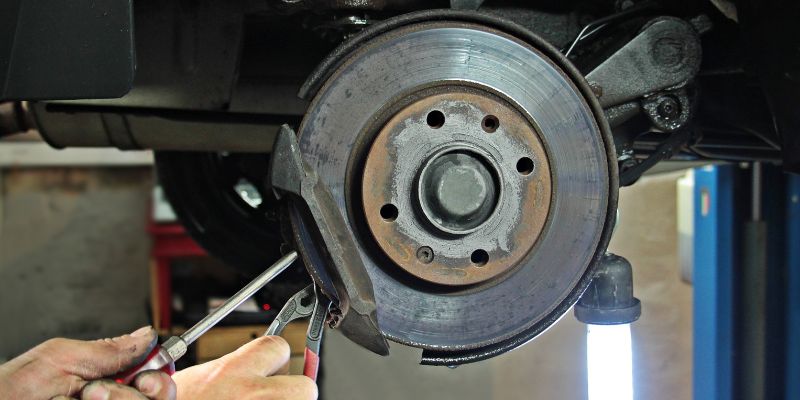
Sometimes, brake fluid issues are too much for DIY. I’ve called mechanics for these:
- Persistent Leaks: If fluid keeps dropping, a pro can find the source. I paid $200 to fix a leaky caliper.
- ABS Issues: Complex systems need special tools. I left my ABS-equipped car to a shop.
- Spongy Brakes After Top-Off: If air’s in the system, a pro can bleed it properly. I spent $50 for this once.
- No Experience: If you’re nervous, a mechanic is safer. I took my truck to a shop the first time I needed a flush.
Shops ensure it’s done right, which gives me peace of mind.
My Personal Experience
I’ve dealt with brake fluid on a few cars. My first car, an old sedan, had low fluid that made the brakes feel mushy. I topped it off with DOT 3, and it fixed the issue. Later, my SUV’s fluid got dark after three years, so I did a full flush with DOT 4—it took 0.8 liters and made the brakes feel like new. I also had a leaky brake line on my truck, which kept eating fluid until I replaced it. Now, I check levels monthly and flush every two years. Keeping a bottle of fluid and a funnel in my trunk has saved me more than once.
Conclusion
Knowing how much brake fluid your car needs is a small but mighty part of keeping it safe. Whether it’s a half-liter for a compact or a full liter for a truck, the right amount keeps your brakes sharp and responsive. I’ve learned to check levels regularly, use the correct fluid, and flush the system every couple of years to avoid trouble. By following my tips, you can maintain your brakes like a pro, whether you’re topping off the reservoir or tackling a full flush. It’s all about staying safe on the road, and a little care goes a long way. Got more questions? Check out the FAQs below for quick answers!
FAQs
How do I know how much brake fluid my car needs?
Check your owner’s manual. My SUV’s manual says 0.8 liters for a flush. You can also ask a dealer or check online for your model.
Can I mix different types of brake fluid?
No, it’s risky. I mixed DOT 3 and DOT 4 once, and my brakes felt soft until I flushed it. Stick to the type in your manual.
How often should I check my brake fluid?
I check mine every 2-3 months. It takes a minute and catches low levels before they cause problems.
What happens if I overfill the brake fluid?
Too much fluid can leak or cause pressure issues. I stop at the “Max” line to avoid trouble.
Why does my brake fluid level keep dropping?
It could be a leak or worn brake pads. I had a leaky line that needed fixing after I kept adding fluid.
Is it safe to change brake fluid myself?
Yes, if you’re careful. I use a bleeder kit for flushes, but I go to a shop if I suspect air in the system.
Products related to this article
Sponsored / affiliate links. As an Amazon Associate I earn from qualifying purchases. I may earn additional commission from eligible campaigns.