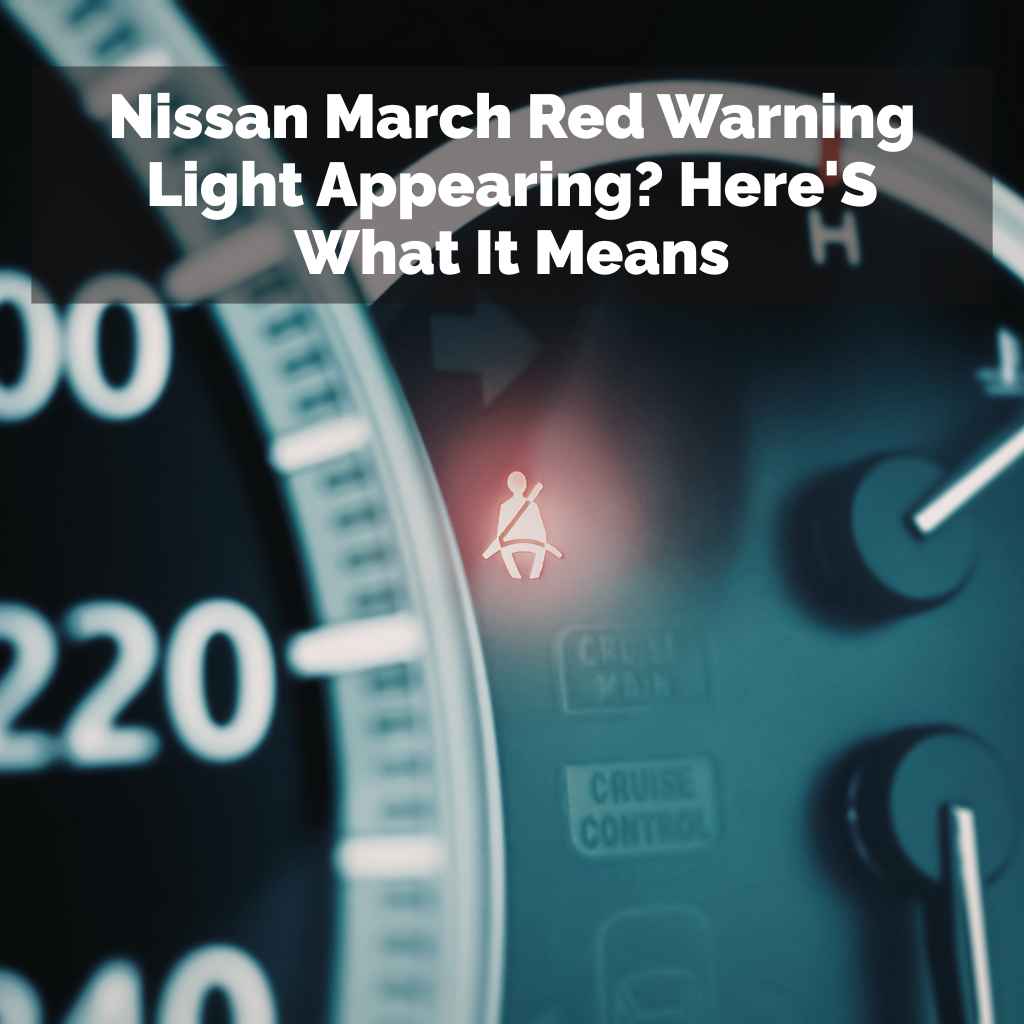
Nissan March Red Warning Light Appearing? Here’S What It Means
It’s never fun when a red light pops up on your car’s dashboard. Especially on a Nissan March, that little red warning light can feel like a mystery. You might feel a knot in your stomach, wondering what it means and if it’s serious.
Many car owners face this exact same worry. It’s totally understandable to feel a bit panicked when your car is trying to tell you something, but you don’t speak its language. This guide is here to help you understand what that red light might be signaling.
We’ll break down the common reasons it appears and what you can do about it, all in simple terms. You’ll gain clarity and feel more confident about your Nissan March.
A red warning light on your Nissan March usually indicates a critical issue that needs immediate attention. Common causes include problems with the braking system, engine, battery, or oil. It’s important to identify the specific symbol to understand the severity and take appropriate action to ensure safety.
Understanding Nissan March Red Warning Lights
Your Nissan March has a system of lights on the dashboard. These lights are like a secret code from your car. Red lights are the most serious.
They mean something important needs your attention right away. It’s not usually something to ignore. If a red light comes on, your car is telling you there might be a safety risk or a problem that could cause more damage if left unchecked.
The color red is chosen for a reason. It’s a universal color for danger or stop. So, when you see it, it’s your car’s way of shouting, “Hey, pay attention!”
The exact meaning depends on the symbol that shows up with the red light. Some symbols are more common than others. You might see a picture of a brake, an engine, a battery, or even an oil can.
Each symbol points to a different system in your car. Learning these symbols will help you figure out what’s going on. It’s like learning a new language, but this one can save you from car troubles.
Most people just see the light and get worried. But knowing what the symbol means makes a big difference.
Let’s look at some of the most frequent red warning lights you might see on a Nissan March. We’ll cover what each symbol generally means. Then we’ll talk about what you can do.
The goal is to give you the information you need to feel less stressed and more in control. This knowledge is power when it comes to car maintenance. It helps you make smart decisions about getting your car checked.
Personal Experience: That Anxious Night Drive
I remember one particularly dark and stormy night, maybe about two years ago. I was driving my little Nissan March home from a late shift. The rain was coming down hard, and the road was slick.
Suddenly, out of nowhere, the brake warning light flashed on. It was a bright, insistent red ‘BRAKE’ symbol. My heart leaped into my throat.
I instinctively pressed the brake pedal, and it felt… okay? It didn’t feel mushy or anything. But that red light was staring at me, bold as brass.
My mind started racing. Was I safe to drive home? Should I pull over?
I imagined all sorts of worst-case scenarios: my brakes failing completely on a dark, wet road. The thought of losing control sent a shiver down my spine. I gripped the steering wheel tighter, my knuckles turning white.
I slowed down a lot, looking for a safe place to pull over. The anxiety was a heavy weight in my chest. I just kept thinking, “What could it be?
Is it serious?” It turned out to be a simple fix related to the brake fluid level, but in that moment, it felt like the end of the world.
That experience taught me how important it is to know what those warning lights mean. Instead of just panicking, I wish I’d had a better idea of what to check first. This is why I want to share this information.
It’s about taking that fear away and replacing it with understanding. Even a simple warning light can feel scary if you don’t know what it’s trying to say.
Common Red Warning Light Symbols & Meanings
Brake System Warning Light:
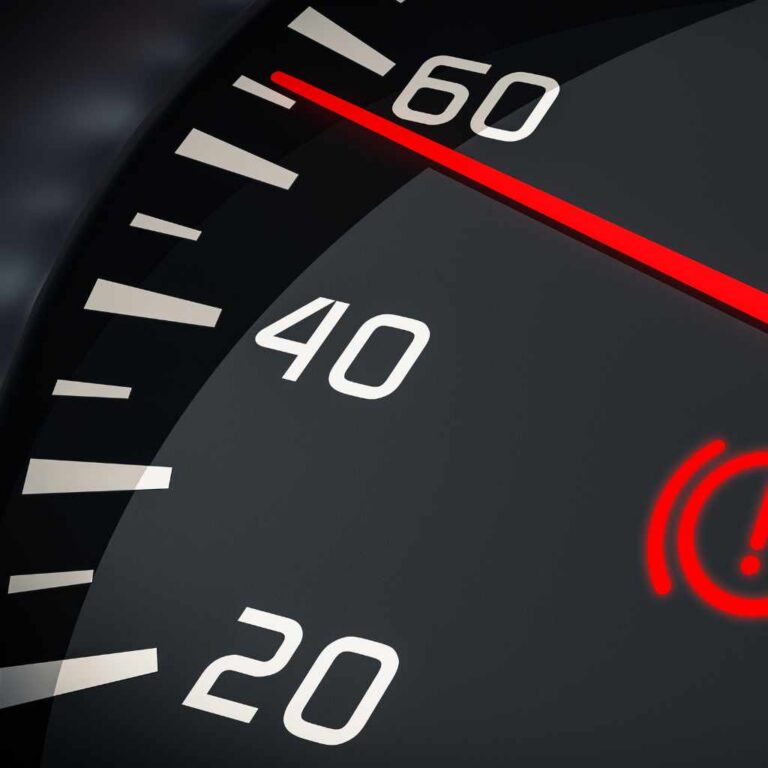
This light, often showing “BRAKE” or an exclamation mark in a circle, typically means your brake fluid is low, or there’s an issue with your anti-lock braking system (ABS). It could also appear if the parking brake is engaged. This is a critical safety alert.
Engine Warning Light (Check Engine Light):
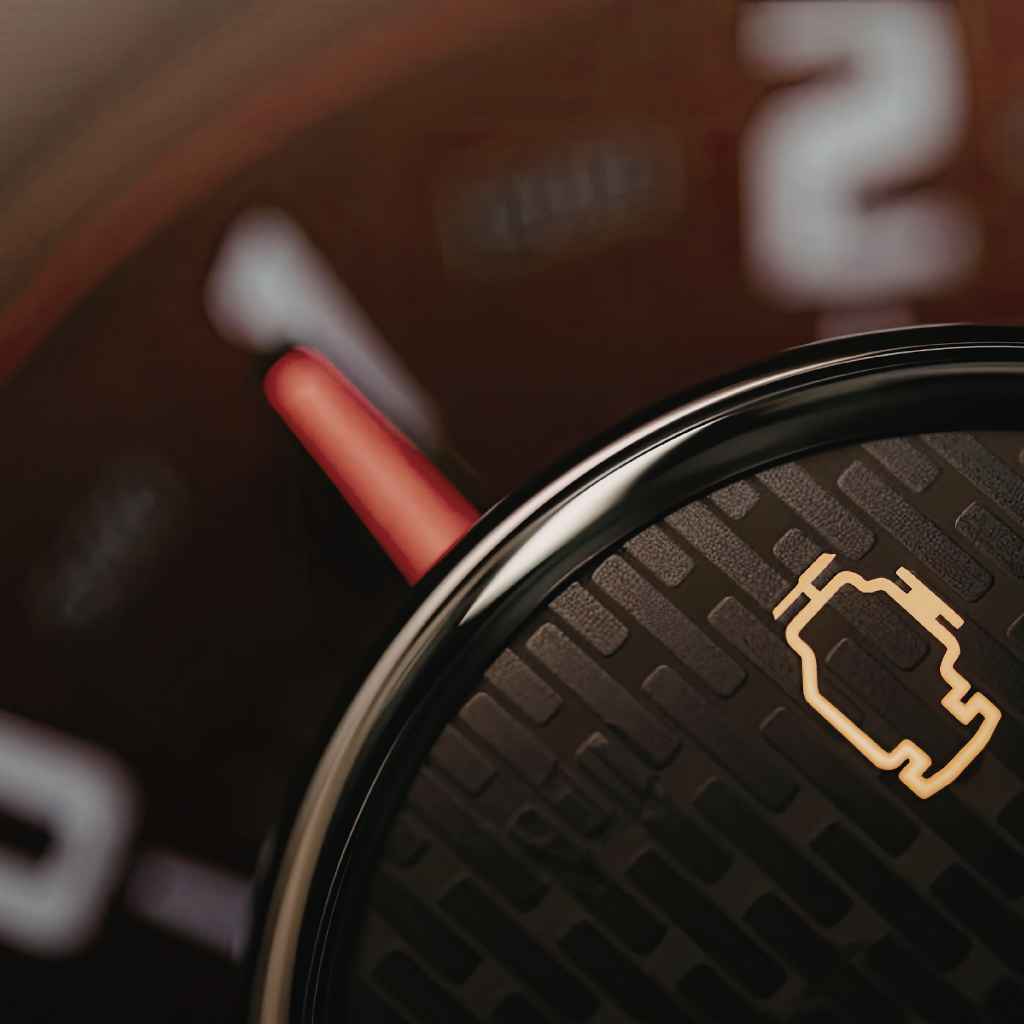
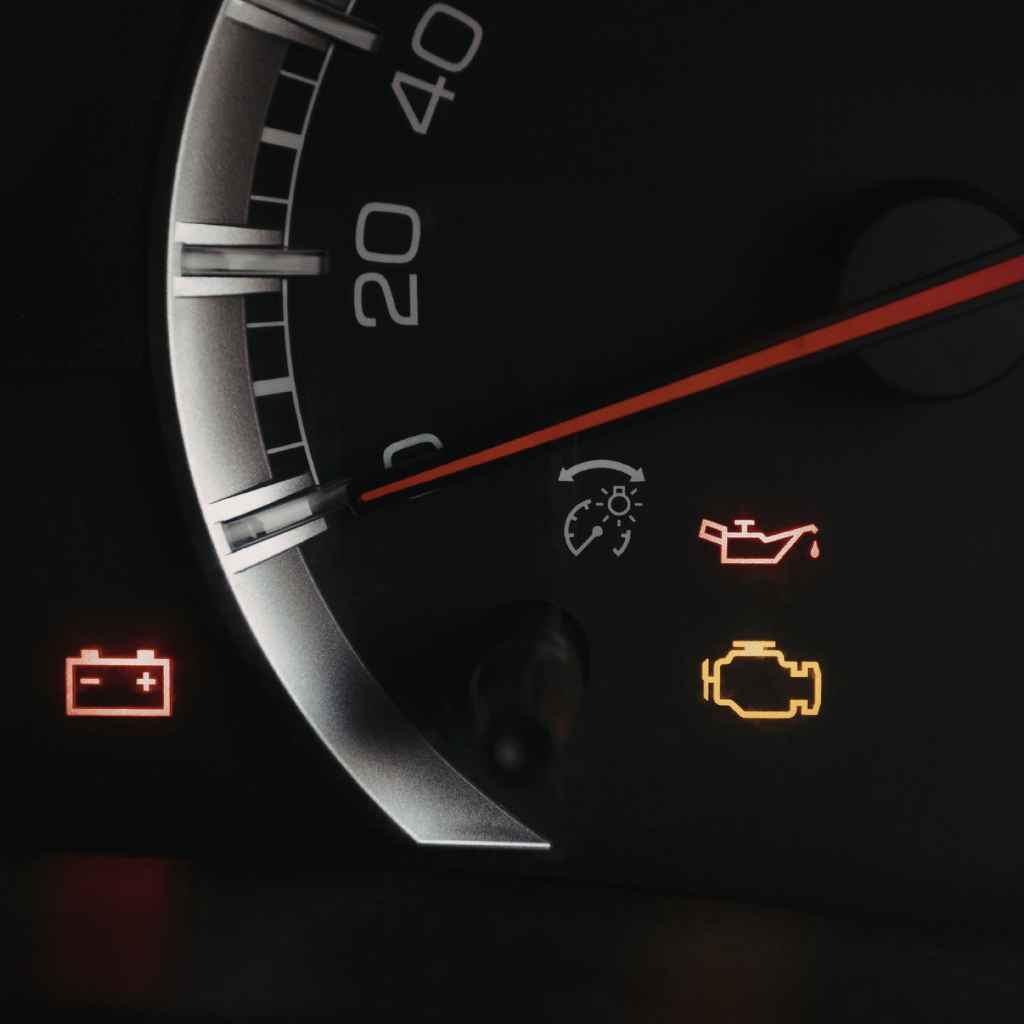
Often shaped like an engine, this light can indicate a wide range of problems. It could be as simple as a loose gas cap or something more complex like an emissions system issue or a faulty sensor. While not always an immediate danger, it warrants prompt investigation.
Battery Warning Light:
This symbol looks like a battery. If it illuminates, it suggests a problem with your car’s charging system. This could mean the alternator isn’t working correctly, or there’s an issue with the battery itself.
Your car may not start again if the battery isn’t charging.
Oil Pressure Warning Light:
This light, resembling an oil can, indicates critically low oil pressure. This is a very serious warning. Driving with low oil pressure can cause severe engine damage very quickly.
You should stop driving as soon as it’s safe.
Door Ajar Warning Light:
This light shows an open door symbol. It simply means one or more doors are not fully closed. It’s a reminder for your safety and to ensure all doors are securely latched.
The Brake System Warning Light on Your Nissan March
Let’s start with the brake light. It’s often the most worrying because brakes are so vital for safety. If the red ‘BRAKE’ light or the ‘!’ symbol comes on, your car is trying to tell you something important about its braking system.
This light can serve a few purposes. Sometimes, it just means your parking brake is on. If you’ve just parked, check if the parking brake lever or button is fully released.
This is the simplest reason, and thankfully, the easiest to fix.
However, if the parking brake is off and the light stays on, it’s more serious. It could mean your brake fluid is low. Brake fluid is essential for making your brakes work.
If the level drops too much, your brakes won’t have enough power. This can happen if there’s a leak somewhere in the brake lines or if your brake pads are very worn. Worn pads mean the brake fluid level drops as the calipers move further out.
Another reason for this light is an issue with the Anti-lock Braking System (ABS). The ABS system helps prevent your wheels from locking up when you brake hard. If there’s a fault in the ABS sensors or modules, the red brake light might come on.
It’s usually accompanied by an ABS warning light (often a circle with ‘ABS’ inside). While your regular brakes will still work, the ABS feature might be disabled. It’s crucial to have this checked by a professional soon.
What to do if the brake warning light is on:
- First, check if the parking brake is fully released.
- If it is, and the light stays on, avoid sudden braking.
- Try to drive gently and find a safe place to stop.
- Check your brake fluid level if you feel comfortable doing so. The reservoir is usually transparent and has “MIN” and “MAX” lines.
- If the fluid is low or you suspect a leak, do not drive the car. Call for roadside assistance.
- Even if the fluid level seems okay, it’s wise to have the system inspected by a mechanic.
The Engine Warning Light (Check Engine Light)
The check engine light, often shown as an engine outline, is one of the most common red dashboard lights. It can be confusing because it covers so many possibilities. A lot of people think it means the engine is about to explode.
That’s rarely the case, but it still means your car’s computer has found a problem. It’s like your car’s internal doctor has spotted something unusual during a check-up.
The simplest cause? A loose gas cap. Yes, really!
If the cap isn’t screwed on tightly, it can cause a small leak in the fuel system. This leak is enough for the car’s computer to detect and turn on the check engine light. So, the very first thing to do is to get out and tighten your gas cap.
Make sure it clicks a few times. Then, drive the car for a bit. The light might turn off on its own after a day or two of driving if this was the issue.
But what if it’s not the gas cap? This light can signal issues with various engine components. It could be a faulty oxygen sensor, which helps manage the fuel-air mixture.
It might be a problem with the ignition system, like a misfiring spark plug. Sometimes, it points to a catalytic converter issue, which is a more significant repair. Modern cars have many sensors that monitor engine performance and emissions.
If any of these sensors send back readings outside the normal range, the computer will illuminate the check engine light.
What to do if the check engine light is on:
- First, check your gas cap and tighten it.
- If the light stays on, observe your car’s performance.
- Is it driving normally? Are there any strange noises? Is it using more fuel?
- If the light is flashing, this is more serious. A flashing light often means a severe misfire that could damage your catalytic converter. Stop driving as soon as it’s safe and get it checked immediately.
- If the light is steady and the car drives fine, you have more time. Get it checked by a mechanic within a few days. They can scan your car’s computer for error codes.
When Is a Flashing Check Engine Light a Big Deal?
A steady check engine light might mean a less urgent issue. But a flashing check engine light is a serious warning. It usually indicates a severe engine misfire.
This means fuel is not burning properly in one or more cylinders. This unburned fuel can enter the exhaust system. It can overheat and damage the catalytic converter.
This is an expensive part to
The Battery Warning Light
Seeing a battery symbol in red can also be a cause for concern. This light indicates a problem with your car’s electrical system, specifically how the battery is being charged. Your car has an alternator.
This part’s job is to generate electricity to run the car’s systems and to recharge the battery while the engine is running. If the battery light comes on, it suggests the alternator isn’t doing its job properly.
This doesn’t necessarily mean your battery is bad, though it can be related. It’s more likely that the battery isn’t getting the power it needs to stay charged. If the alternator fails, your car will run on battery power alone.
Your car has a battery, but it’s designed to start the engine and power things for a short time. It’s not meant to power everything indefinitely. So, if the alternator isn’t recharging it, the battery will eventually drain.
What happens when the battery drains? First, your headlights might dim. Other electrical components might start acting up.
Eventually, your car will sputter and stall. If this light comes on, you have a limited amount of time before the battery runs out of juice. It’s like a gas gauge for your electrical system.
The red battery light is telling you that gauge is heading towards empty.
What to do if the battery warning light is on:
- This is a situation where you should get it checked as soon as possible.
- If possible, turn off any non-essential electrical items. This includes the radio, air conditioning, and heated seats. This conserves battery power.
- Drive directly to a mechanic or auto parts store that can test your charging system.
- If the car starts to lose power or stalls, pull over safely. You may need a jump start and then to head straight to the shop.
- A mechanic can test your alternator and battery to find the source of the problem.
The Oil Pressure Warning Light
This is one of the most critical red warning lights you can see. The oil pressure warning light, often shaped like an old-fashioned oil can, indicates that the oil pressure in your engine is too low. This is a serious situation that can lead to severe engine damage very quickly.
Engine oil is like the blood of your engine. It lubricates all the moving parts, reduces friction, and helps keep the engine cool.
Low oil pressure means that this vital lubrication isn’t reaching all the parts of your engine. Without proper lubrication, metal parts will grind against each other. This friction causes heat and wear.
In a very short amount of time, this can cause catastrophic engine failure. Think of it like running a machine without any grease – it seizes up quickly.
There are a few reasons why oil pressure might be low. The most common cause is simply having too little oil in the engine. This could be due to a leak or because the oil hasn’t been changed for a long time and has burned off.
Another possibility is a faulty oil pump, which is responsible for circulating the oil. Sometimes, a clogged oil filter can also restrict oil flow and cause low pressure.
What to do if the oil pressure warning light is on:
- This is an emergency. Do not drive the car if this light is on.
- Pull over to a safe location immediately. Find a place where you won’t be in danger.
- Turn off the engine right away.
- Wait a few minutes for the oil to settle.
- Check your oil level using the dipstick. If it’s very low or empty, this is likely the problem.
- If you have oil with you, you can add some to get the level back up.
- However, even if adding oil stops the light, you should still have the car towed to a mechanic. You need to find out why the oil was low and check for any damage that may have already occurred.
- If the oil level is fine, do not start the engine again. There is likely a more serious issue with the oil pump or a blockage. Call for a tow truck.
Quick Checks for Common Warning Lights
Brake Light On? Check parking brake. Then check brake fluid level.
Check Engine Light On? Tighten gas cap. Observe car’s performance.
Battery Light On? Turn off accessories. Head to a mechanic soon.
Oil Light On? Stop driving IMMEDIATELY. Check oil level. Tow to mechanic.
Real-World Context: Why These Lights Appear
These warning lights aren’t just random. They are designed to alert you to specific conditions in your Nissan March. Understanding the context of why they appear helps you manage them better.
Think about your driving habits and the car’s environment.
Driving Habits: If you frequently drive on rough roads or in stop-and-go city traffic, components like your brakes and engine systems can experience more wear. Frequent short trips where the engine doesn’t get hot enough can also affect emissions systems, potentially triggering the check engine light. Aggressive driving, like sudden braking or rapid acceleration, puts more stress on the entire vehicle.
Car’s Environment: Extreme weather can play a role. Very cold temperatures can affect battery performance. Extreme heat can stress engine components and fluids.
Driving in dusty or muddy conditions might put extra strain on filters and sensors. Even something as simple as washing your car improperly could, in rare cases, affect certain electrical sensors if water gets where it shouldn’t.
Design and Materials: Car manufacturers design systems to be durable, but all parts have a lifespan. Brake pads wear down, batteries degrade over time, and oil needs regular changing to keep its lubricating properties. The warning lights are your car’s way of telling you that a component is reaching the end of its operational life or has a fault.
User Behavior: Ignoring a minor issue can often lead to a bigger, more expensive one. For instance, ignoring a slightly dim headlight might seem minor, but if it’s a sign of a failing alternator, it could leave you stranded. Neglecting regular maintenance, like oil changes or brake checks, significantly increases the chances of a warning light appearing unexpectedly.
What These Lights Mean for You
Seeing a red warning light on your Nissan March can be unsettling, but knowing what to do can make a big difference. It’s about understanding when it’s a minor inconvenience and when it’s a serious safety concern.
When it’s Normal (or less serious):
- Door Ajar: This is clearly indicated by the symbol and simply means a door isn’t closed properly.
- Brake Light (Parking Brake): If the light comes on when you’re just starting to drive, check if you fully released the parking brake.
- Check Engine Light (Steady, no performance issues): A steady check engine light with no change in how the car drives might be a less urgent issue, like a loose gas cap or a minor sensor fault.
When to Worry (Potential Safety Issues):
- Any Red Brake Warning: If the brake light is on and the parking brake is off, this is a sign that your braking performance might be compromised. Treat it with extreme caution.
- Flashing Check Engine Light: This indicates a severe misfire and can cause damage to your catalytic converter.
- Battery Warning Light: This means your car is not charging properly. You have limited time before the battery drains and the car stops running.
- Oil Pressure Warning Light: This is the most critical. It means your engine is not being lubricated properly and is at severe risk of damage.
Simple Checks You Can Do:
- Visual Check: Look at the dashboard. Which symbol is lit? Is it steady or flashing?
- Gas Cap: For the check engine light, ensure your gas cap is tight.
- Parking Brake: For the brake light, ensure it’s fully disengaged.
- Fluid Levels: If you’re comfortable and know where to look, checking brake fluid and engine oil levels can be very informative.
- Listen and Feel: Pay attention to how your car is driving. Are there strange noises? Is it running rough? Does it feel sluggish?
Quick Tips for Dealing with Warning Lights
When a red warning light illuminates on your Nissan March, it’s easy to feel stressed. But having a plan can help. These tips are designed to help you react calmly and effectively.
1. Stay Calm and Assess: The first step is to not panic. Take a deep breath.
Look at the specific symbol illuminated. Is it a generic warning or a specific system? Is it steady or flashing?
2. Consult Your Owner’s Manual: Your Nissan March owner’s manual is your best friend. It has a section dedicated to dashboard warning lights.
It will explain what each symbol means specifically for your model. This is the most reliable source for your car’s indicators.
3. Check the Obvious First: As we’ve discussed, simple things like a loose gas cap or an engaged parking brake can trigger warning lights. Always check these easy fixes before assuming a major problem.
4. Prioritize Safety: If the warning light relates to brakes, oil pressure, or is a flashing check engine light, your immediate priority is safety. Reduce speed, find a safe place to stop, and consider calling for roadside assistance.
Do not risk driving if you suspect a critical system is failing.
5. Understand the Urgency: Not all red lights demand an immediate stop. A steady check engine light may allow you to drive to your mechanic.
However, a battery or oil light means you have limited driving time or should not drive at all.
6. Get Professional Help: For most red warning lights, especially those indicating potential safety or engine issues, a visit to a qualified mechanic is essential. They have the tools and expertise to diagnose the problem accurately.
7. Don’t Ignore It: Even if the light disappears on its own, it’s a sign that something was wrong. It’s best to have it checked.
Ignoring warning signs can lead to more severe damage and costlier repairs down the line.
Frequently Asked Questions About Nissan March Red Warning Lights
What should I do if multiple red warning lights come on at once?
If several red warning lights illuminate simultaneously, it typically indicates a significant electrical system issue or a combination of problems. Your car’s computer has likely detected a widespread fault. In this scenario, it is safest to pull over immediately and call for roadside assistance or a tow truck.
Do not attempt to drive the vehicle, as it could lead to further damage or unsafe driving conditions.
Can I drive my Nissan March with the check engine light on?
If the check engine light is steady and your car is driving normally without any strange noises or performance issues, you can usually drive it to a mechanic. However, if the light is flashing, it signals a more serious problem that requires immediate attention. In that case, you should stop driving as soon as it is safe to do so and have the car towed.
How often should I check my car’s oil and brake fluid?
It’s a good practice to check your engine oil and brake fluid levels at least once a month. You can also check them before long road trips. Your Nissan March owner’s manual will provide specific recommendations for checking these fluids, including how to do it safely and when to add more fluid.
What does the red light shaped like a car with an exclamation mark mean?
This symbol, often appearing as a car with an exclamation mark inside a circle or shield, can indicate several things depending on the specific vehicle. On many cars, including some Nissan models, it can relate to the traction control system or stability control system. It might come on if these systems are activated or if there’s a fault within them.
Consult your owner’s manual for the exact meaning specific to your Nissan March.
Will my car’s warning lights turn off by themselves?
Sometimes, yes. For instance, a check engine light caused by a loose gas cap might turn off after the cap is tightened and the car has been driven for a while. However, most other red warning lights indicate a fault that needs to be diagnosed and repaired.
If a warning light stays on, even after checking for simple issues, it’s best to have it inspected by a professional.
Is it safe to drive with a low oil level but no oil pressure light?
While the oil pressure warning light is the most severe indicator, driving with a low oil level is still risky. Engine oil lubricates and cools your engine. If the level is too low, even without the pressure light, there might not be enough oil to protect all parts of the engine.
Always maintain the correct oil level according to your owner’s manual recommendations to prevent potential damage.
Conclusion: Keeping Your Nissan March Running Smoothly
Seeing a red warning light on your Nissan March doesn’t have to be a source of constant dread. By understanding the common symbols and what they signify, you can approach these situations with more confidence. Remember, these lights are your car’s way of communicating.
They are there to help you catch potential problems early, keeping you safe and your car running well. Regular maintenance is key. It helps prevent many of these issues from arising in the first place.
If a light does appear, stay calm, check the basics, consult your manual, and don’t hesitate to seek professional help when needed. Your Nissan March will thank you for it.
Seeing a different symbol? Read what a Nissan dashboard triangle with an exclamation point (the master warning light) means.
Products related to this article
Sponsored / affiliate links. As an Amazon Associate I earn from qualifying purchases. I may earn additional commission from eligible campaigns.