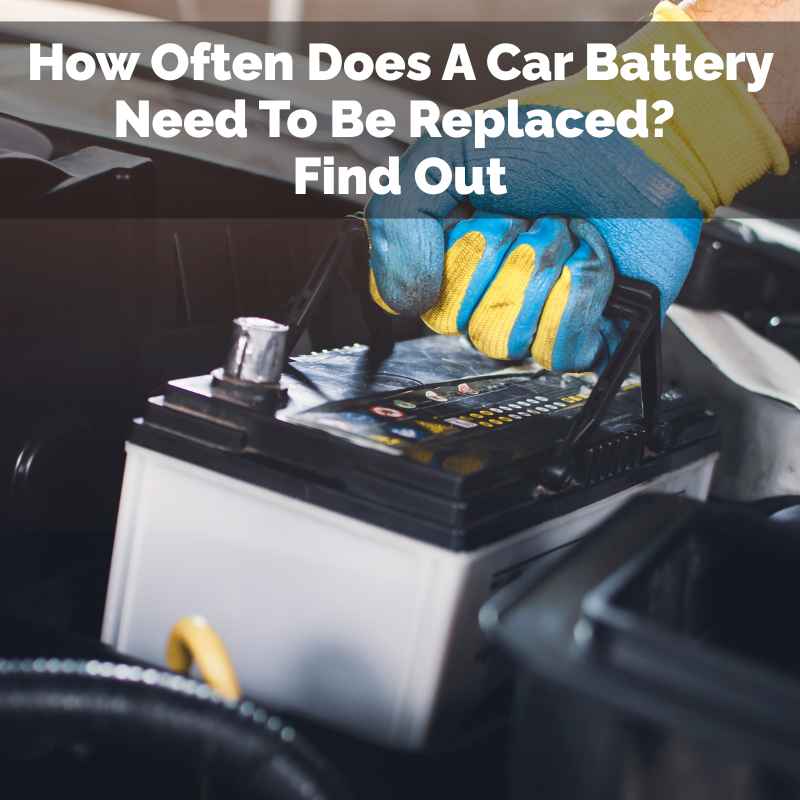
How Often Does A Car Battery Need To Be Replaced? Find Out
That moment when your car just won’t start is frustrating. It can happen on a cold morning or when you’re already running late. A car battery is like the heart of your vehicle.
It needs to be healthy to keep everything running smoothly. But batteries don’t last forever. They wear out over time.
Knowing when to expect this is helpful. It helps you avoid being stranded. This guide will break down battery life.
You’ll learn what affects it. You’ll also see signs that yours might be nearing its end. Let’s get your car back on the road with confidence.
Car batteries typically last 3 to 5 years. This can change based on driving habits, climate, and battery quality. Regular checks and proper care can help extend a battery’s lifespan. Signs like slow engine cranking or dim lights suggest it may need replacement soon.
Understanding Your Car Battery’s Lifespan
So, how long do car batteries usually live? Most car batteries are designed to last somewhere between 3 to 5 years. Think of it like a pair of shoes.
You wear them out eventually. A car battery has a lot of work to do. It powers everything from starting the engine to running your radio and lights.
This 3-to-5-year window is an average. Some batteries might surprise you and last longer. Others might give up the ghost a bit sooner.
Several things play a role in how long your battery stays strong. We’ll dive into those key factors next. Understanding these helps you manage your battery’s health.
Factors That Influence Battery Life
Several big things can make your car battery last longer or shorter. It’s not just about time passing. Your driving habits matter a lot.
The weather where you live plays a part too. And, of course, the quality of the battery itself is important.
1. Driving Habits
How you drive your car really affects its battery. If you take a lot of short trips, your battery might not get a full charge. Each time you start the engine, the battery uses a lot of power.
The alternator then works to recharge it. On short trips, the alternator doesn’t have much time to do its job. This can slowly drain the battery over time.
On the flip side, if you often drive for long periods, that’s generally good for your battery. It gives the alternator plenty of time to replenish the charge. Drivers who leave their car parked for weeks at a time might also see their battery life shorten.
Batteries naturally lose a small amount of charge over time. Sitting idle for too long means that charge might drop too low.
2. Climate and Temperature
This is a big one. Extreme temperatures are tough on car batteries. Very hot weather can cause the fluids inside the battery to evaporate faster.
This can damage the battery’s internal components. Heat also makes the chemical reactions inside the battery happen more quickly. This can wear it out faster.
Cold weather is also a challenge. When it’s freezing, the battery’s power to crank the engine is reduced. At the same time, the engine oil becomes thicker.
This makes it harder for the engine to turn over. So, in cold weather, your battery has to work harder with less power. It’s a double whammy.
Batteries in climates with both very hot summers and very cold winters often don’t last as long as those in milder regions.
3. Battery Quality and Type
Not all car batteries are created equal. Just like anything else, you can get a basic model or a premium one. Higher-quality batteries often use better materials.
They might have more robust construction. This can lead to a longer lifespan and better performance.
There are also different types of car batteries. The most common are lead-acid batteries. Within that, you have standard flooded batteries and Absorbed Glass Mat (AGM) batteries.
AGM batteries are generally more expensive but tend to last longer. They also handle deep discharges and frequent charging cycles better. This makes them a good choice for cars with a lot of electronic accessories or for those who experience extreme weather.
4. Vehicle Electrical Demands
Modern cars are like rolling computers. They have more electronic gadgets than ever before. Think about your navigation system, heated seats, advanced sound systems, and all the sensors.
All these things draw power from the battery, especially when the engine is off. A car with a lot of high-drain accessories will put more stress on its battery.
If your car is older and has fewer electronics, its battery likely faces less strain. Newer cars, especially luxury models or those with hybrid technology, often require more powerful batteries. They also might need specific battery types, like AGM, to handle the load.
Battery Health Quick Check
Voltage Test: A healthy battery should read around 12.6 volts when the car is off. Lower readings might mean it’s weak.
Load Test: This is best done by a mechanic. It checks how the battery performs under stress.
Visual Inspection: Look for corrosion on the terminals. Check for any cracks or leaks in the battery case.
Signs Your Car Battery Needs Replacing
Your car battery won’t usually just die without warning. There are often signs that it’s getting old and weak. Paying attention to these signals can save you from a surprise breakdown.
It gives you time to plan for a replacement.
Let’s look at the common clues your battery is giving you. These are things you can often notice yourself. They are important indicators of its health.
1. Slow Engine Crank
This is perhaps the most common and noticeable sign. When you turn the key or push the start button, the engine usually turns over quickly. If you notice the engine sounds like it’s struggling to start, like it’s turning over slower than usual, that’s a big red flag.
It sounds like “rrr-rrr-rrr” instead of a quick “vroom.”
This slow crank means the battery doesn’t have enough juice to spin the starter motor with its usual power. The battery’s ability to deliver a strong burst of amperage is crucial for starting. When it weakens, this ability declines.
2. Dimming Lights and Electrical Issues
Your battery powers more than just the starter. It’s the source of electricity for all your car’s systems when the engine is off. It also supplements the alternator when the engine is running, especially at low RPMs.
If you notice your headlights seem dimmer than usual, or the dashboard lights flicker or dim when you use other electronics (like the radio or power windows), your battery might be weak.
This is especially true when the engine isn’t running. If you turn on the interior lights and they seem weak, that’s another sign. The battery’s voltage might be dropping too low to properly power these components.
3. The “Check Engine” Light
Sometimes, a failing battery can trigger the “Check Engine” light. This might seem odd, as we often associate that light with engine problems. However, a low battery voltage can affect various sensors and electronic modules in your car.
These systems might report errors when they don’t get the stable power they need.
If your check engine light comes on and you haven’t noticed any driving issues, it’s worth having the battery tested. Sometimes, it’s as simple as a dying battery causing the system to report a fault.
4. Corroded Battery Terminals
The terminals are the posts on top of your battery where the cables connect. Over time, you might see a white or bluish powdery substance forming on these terminals. This is corrosion.
Corrosion is a result of battery acid escaping and reacting with the metal terminals. It can interfere with the flow of electricity.
While corrosion can often be cleaned off, its presence can also indicate that the battery case might not be sealed perfectly. It’s a sign of potential leakage and stress. If you see significant corrosion, it’s a good idea to have your battery checked.
Sometimes it’s just a cleaning job, but other times it points to a bigger battery issue.
5. Old Age
As mentioned, batteries have a lifespan. If your battery is approaching or has passed the 3- to 5-year mark, it’s living on borrowed time. Even if you haven’t noticed specific symptoms, its internal components are degrading.
The risk of failure increases significantly with age.
It’s often wise to proactively replace a battery that’s over four years old, especially if you live in a harsh climate or rely heavily on your car. A little preventative maintenance can avoid being stranded.
Signs of a Weak Battery
Sound: Slow, struggling engine crank.
Lights: Dimming headlights or dashboard lights.
Electronics: Flickering or weak power to accessories.
Warning: Check Engine light may illuminate.
Appearance: Corroded battery terminals.
Age: Battery is 4+ years old.
My Own Battery Scare
I remember one particularly chilly Tuesday morning a few years back. I had an important meeting across town. I got into my car, turned the key, and… nothing.
Just a weak, pathetic click. The engine didn’t even try to turn over. My heart sank.
I tried again. Same result.
Panic started to set in. I looked at the dashboard, and the lights were barely glowing. I had been making a lot of short trips lately, rushing to appointments.
I hadn’t thought about the battery. It was probably about four years old. I ended up having to call a tow truck.
It was embarrassing and expensive. I learned a valuable lesson that day about listening to my car’s subtle warnings. That slow crank was my battery’s last gasp.
I should have gotten it checked sooner.
What Affects Battery Performance in Real-World Conditions
Car batteries operate in a tough environment. They are constantly exposed to vibrations from the road. They deal with extreme temperature swings.
Add in the constant demand from the car’s electrical systems, and it’s a wonder they last as long as they do.
Let’s think about how these real-world conditions contribute to battery wear. It’s not just about the chemistry inside; it’s about the physical and operational stresses.
1. Road Vibrations
Every bump and jolt your car hits sends vibrations through the chassis. The battery is mounted within this structure. These constant vibrations can shake the internal components of the battery.
This includes the lead plates and the separators between them. Over time, this shaking can cause these delicate parts to crack or break down. It can lead to reduced battery capacity and eventual failure.
Good battery mounting is important. A loose battery can vibrate much more intensely, accelerating its demise. This is why mechanics always ensure the battery is secured properly.
2. Temperature Extremes
We touched on this, but it’s worth reiterating the real-world impact. Imagine your battery on a scorching summer day in Arizona. The internal temperature can soar.
This heat accelerates the aging process of the battery’s chemicals. It can also lead to water loss within the battery. Then, fast-forward to a sub-zero winter night in Minnesota.
The battery’s output is drastically reduced. It has to work much harder just to start the engine.
This constant cycle of extreme heat and cold puts immense stress on the battery. It’s like running a marathon every day in brutal weather. The battery’s lifespan is significantly impacted by the average temperature it endures.
3. Charging System Issues
The car’s alternator is responsible for recharging the battery and powering the car’s electronics while the engine is running. If the alternator isn’t working correctly, it can cause problems. An alternator that doesn’t charge enough will leave the battery perpetually undercharged.
This shortens its lifespan. An alternator that overcharges can boil the battery’s fluids, causing permanent damage.
Similarly, the voltage regulator, often part of the alternator, ensures the charging voltage is within the correct range. If it fails, it can lead to overcharging or undercharging. Regular checks of the charging system are as important as checking the battery itself.
4. Parasitic Drain
Sometimes, a component in your car will continue to draw power even when the car is off. This is called a parasitic drain. It might be a faulty module, a light that doesn’t turn off completely, or an aftermarket accessory that’s wired incorrectly.
Even a small drain can slowly kill a battery if the car isn’t driven regularly or if the battery is already weak.
Detecting parasitic drains usually requires specialized tools. A mechanic can measure the electrical draw with the car off. If it’s too high, they can then systematically find the source of the drain.
Battery Stress Factors
Vibrations: Shakes internal parts apart.
Heat: Speeds up chemical aging, causes water loss.
Cold: Reduces power output, increases starting load.
Charging: Undercharging weakens, overcharging damages.
Drains: Unwanted power draw depletes charge.
When Is It Time to Worry About Your Battery?
Most of the time, a car battery replacement is a planned event. You notice the signs, get it checked, and schedule a swap. But sometimes, things can go wrong unexpectedly.
There are a few situations where you should be extra vigilant.
If your battery is more than four years old, it’s always a good idea to get it tested before a long trip. You don’t want to break down in a remote area. Also, if you live in an area with extreme weather coming up, like a brutal heatwave or a severe cold snap, it’s wise to have your battery checked.
These conditions put the most stress on older batteries.
If you’ve had your car jump-started recently, that’s a strong indicator that your battery is weak. While a jump-start can get you going, it doesn’t fix a failing battery. It’s a temporary fix.
You should have the battery tested as soon as possible after a jump-start. You don’t want to rely on that temporary fix for too long.
Worry Triggers
Age: 4+ years old.
Extreme Weather: Before heatwaves or cold snaps.
Recent Jump-Start: Battery is likely failing.
Unexplained Drains: Electrical issues suspected.
Quick Fixes and Tips to Extend Battery Life
While you can’t stop a battery from eventually wearing out, there are definitely things you can do to help it last longer. These are simple habits and checks that can make a real difference. They help keep your battery healthy and prevent premature failure.
Taking good care of your battery means it will serve you well for its intended lifespan, and sometimes even a bit beyond. Here are some practical tips.
1. Regular Driving
As we discussed, short trips aren’t great for batteries. Try to incorporate longer drives into your routine whenever possible. A drive of 20-30 minutes at highway speeds helps the alternator fully recharge the battery.
If you only do short trips, consider taking your car out for a longer drive once a week.
2. Keep Terminals Clean
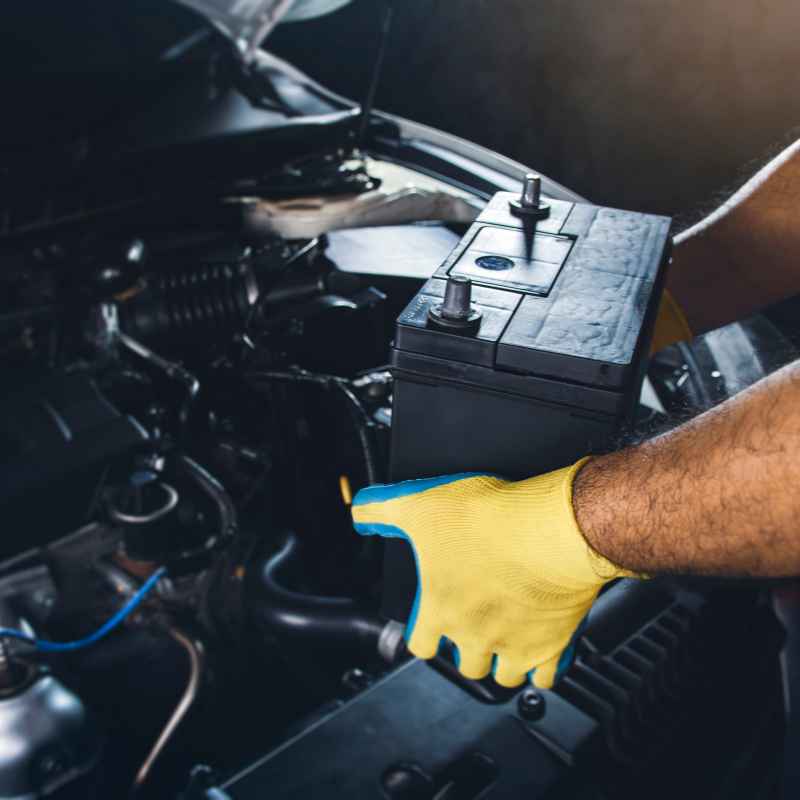
Cleaning the battery terminals is a simple maintenance task. If you see corrosion building up, you can clean it off with a wire brush and a mixture of baking soda and water. Make sure the car is off and disconnect the cables carefully (usually negative first, then positive).
After cleaning, you can apply a thin layer of petroleum jelly or a battery terminal protector to help prevent future corrosion.
3. Avoid Draining Accessories When the Engine is Off
Try not to run the radio, interior lights, or other power-hungry accessories for extended periods when the engine is off. This puts unnecessary strain on the battery. If you need to listen to music while waiting, it’s best to have the engine running.
4. Secure the Battery
Ensure your battery is securely fastened in its tray. Loose batteries can vibrate more, leading to internal damage. Check the hold-down clamp periodically to make sure it’s tight.
5. Test Your Battery Periodically
Especially as your battery gets older (around the 3-year mark), get it tested annually. Many auto parts stores offer free battery testing. This simple test can tell you if your battery is still strong or if it’s starting to weaken.
It’s a proactive step that can prevent you from being stranded.
6. Consider an AGM Battery
If you live in an extreme climate or have a vehicle with high electrical demands, consider upgrading to an AGM battery when it’s time for a replacement. They are more robust and handle stress better, often offering a longer service life.
Battery Care Tips
Drive Longer: Incorporate longer drives weekly.
Clean Terminals: Remove corrosion regularly.
Conserve Power: Limit accessory use with engine off.
Secure Mount: Check battery hold-down clamp.
Annual Testing: Get it tested yearly after 3 years.
Upgrade Wisely: Consider AGM for demanding use.
When to Seek Professional Help
While many battery checks and simple maintenance tasks can be done by an average car owner, there are times when you should definitely call in the pros. If you’re not comfortable working with car batteries or electrical systems, it’s always best to be safe.
If your car has repeatedly died or needed jump-starts, a mechanic can perform a more thorough diagnosis. They can check not just the battery but also the charging system (alternator) and look for parasitic drains. These deeper checks require specialized equipment and knowledge.
Also, if you notice any leaking from the battery case or smell a strong rotten-egg odor (which indicates leaking sulfuric acid), you should avoid handling it yourself. That smell is a sign of serious battery trouble. Get it towed to a qualified mechanic immediately.
Frequent Questions About Car Battery Replacement
How do I know if my car battery is dead or just needs a jump?
If your car won’t start and you hear a rapid clicking sound, or nothing at all, it’s likely a dead battery. If the engine cranks slowly but doesn’t start, it might be a weak battery needing a charge or
Can I replace my car battery myself?
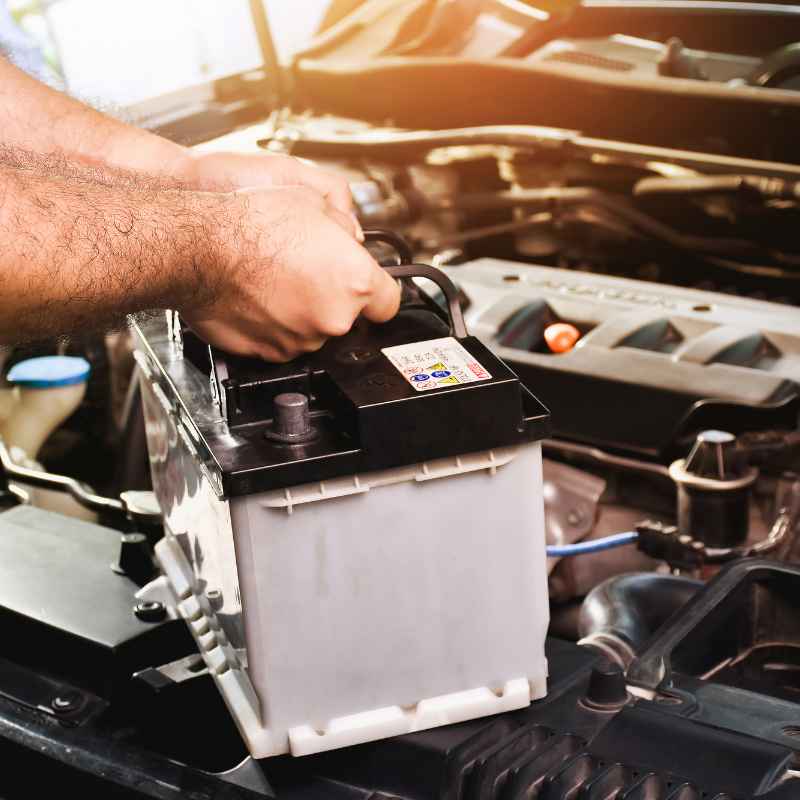
Yes, for many vehicles, replacing a car battery is a straightforward DIY task. You’ll need basic tools like a wrench or socket set. It’s crucial to disconnect the negative terminal first and reconnect it last to prevent short circuits. Always wear safety glasses and gloves. However, if you’re unsure or your car has complex electronics, it’s safer to have a professional do it.
What is the warranty on a car battery?
Car battery warranties vary greatly by brand and type. They typically range from 1 to 5 years. Some warranties are “pro-rated,” meaning you get a full replacement during the initial period, and then a partial credit towards a new battery based on how long you’ve owned the old one. Always check the warranty details when you purchase a battery.
Does extreme cold actually damage a car battery permanently?
Extreme cold doesn’t typically damage a car battery permanently by itself, but it severely reduces its starting power. If a battery is already weak and you try to start a cold engine, the strain can cause the battery to fail. Repeatedly trying to start in extreme cold with a weak battery can lead to damage over time by depleting its charge and stressing its components.
How often should I clean my car battery terminals?
You should clean your car battery terminals if you notice any white or bluish powdery buildup (corrosion). This might be every 6 months to a year, or more often if you live in a humid climate or your battery is older. It’s a good idea to check them when you get your oil changed.
What does a “load test” for a car battery involve?
A load test is a diagnostic test performed by auto technicians. They use a special device that simulates the heavy electrical load placed on the battery when starting the engine. This test measures how well the battery maintains voltage under this stress. It’s a more accurate way to assess a battery’s health than just checking its static voltage.
Conclusion
Your car battery is a vital component. Knowing its typical lifespan of 3 to 5 years is helpful. Pay attention to driving habits, climate, and your car’s electrical needs.
These factors all influence how long your battery will last. Watch for signs like slow engine cranks and dimming lights. These often signal that replacement is near.
Taking simple care of your battery can extend its life. Regular drives, clean terminals, and periodic testing are key. Don’t wait until you’re stranded.
Be proactive about your battery’s health. This ensures reliable starts and keeps you on the road with peace of mind.
Products related to this article
Sponsored / affiliate links. As an Amazon Associate I earn from qualifying purchases. I may earn additional commission from eligible campaigns.