Does Carmax Paint Cars Before Selling? The Honest Answer
You’re looking for a car, and you want it to be in great shape. When you see a car at CarMax, you might wonder about its history. One big question is, “Do they paint the cars?” It’s a common thought.
You want a car that looks good and has been cared for. Let’s dive into what really happens.
CarMax does not paint all cars before selling them. They focus on cosmetic repairs like fixing minor scratches and dents. Their goal is to make cars look good and safe, but a full repaint is not a standard step for every vehicle on their lot.
What Does CarMax Do to Cars?
When a car arrives at CarMax, it goes through a detailed inspection. This is where they check everything. They look at the engine, the brakes, and all the mechanical parts.
Safety is a huge focus. If something isn’t working right, they fix it. This includes worn-out parts and safety features.
They also check the car’s body. This is where the painting question comes up. CarMax aims to make cars look their best.
They will fix small issues. Think about small scratches or tiny dents. They use touch-up paint for minor chips.
They might even buff out light scratches.
The goal here is to make the car look presentable. It’s not about making it look brand new. It’s about fixing visible flaws that a typical buyer would notice and care about.
They want the car to look clean and well-maintained. This helps in selling the car faster.
If a car has bigger problems, like a large dent or deep scratches, they might repair those. This could involve some bodywork. But a full repaint of the entire car is usually not part of their standard process for every vehicle.
They try to be cost-effective. Painting a whole car is expensive.
My Experience: The Used Car Maze
I remember when I was first buying a used car. It felt like walking into a maze. So many cars, so many questions.
I was at a dealership, looking at a sedan that seemed almost perfect. The paint gleamed under the lights. But then I noticed a tiny ding on the door.
I asked the salesperson about it.
He said, “Oh, that? We can touch that up for you.” It got me thinking. What else might they touch up?
Or, what if they painted the whole car to hide something? That thought stuck with me. I ended up walking away from that car, feeling a bit unsure.
I wanted to know the real story behind used car preparation. It felt like a mystery I had to solve.
CarMax Cosmetic Repair Focus
What they fix:
- Minor scratches
- Small dings and dents
- Paint chips (touch-up)
- Scuffed wheels
- Worn tires (if below tread depth)
What they usually DON’T do (for every car):
- Full vehicle repainting
- Major body panel replacement
- Extensive rust repair
Why Not Paint Every Car?
Painting a car is a big job. It costs a lot of money and takes time. Most dealerships, including CarMax, try to be smart about their costs.
They want to make a profit. If they painted every car that came in, their prices would have to be much higher.
Think about it. A professional paint job can cost thousands of dollars. If CarMax did that for every car, the cars they sell would be out of reach for many buyers.
Their business model is built on selling a high volume of cars. This means keeping costs down where they can.
Their approach is more about making the car look good enough. They focus on making sure the car is mechanically sound and safe. Then, they address the most obvious cosmetic flaws.
This usually means fixing smaller issues. It’s a balance between making the car appealing and managing expenses.
So, when you see a car that looks great, it’s often because it was already in good shape. Or, it had minor issues that were easily fixed. They are not hiding major problems with a fresh coat of paint.
That would be too costly and risky for them.
What Are the Common Repairs CarMax Performs?
CarMax has a rigorous inspection process. This happens before they even put a car on the lot. They have a set of standards.
Cars must meet these standards to be sold. Here’s a look at common repairs they do:
Mechanical Repairs: If the engine is making a strange noise, they fix it. If the brakes feel spongy, they replace the brake pads or rotors. They check the transmission, the suspension, and all the fluids.
Any safety issue must be corrected.
Tire Checks: Tires are crucial for safety. CarMax checks the tire tread depth. If the tires are too worn, they will replace them.
They make sure the tires are safe for you to drive on.
Interior Cleaning and Repair: The inside of the car gets a deep clean. They shampoo carpets and seats. They check for rips or tears.
Small tears might be repaired. Stains are removed if possible. They want the interior to look fresh and clean.
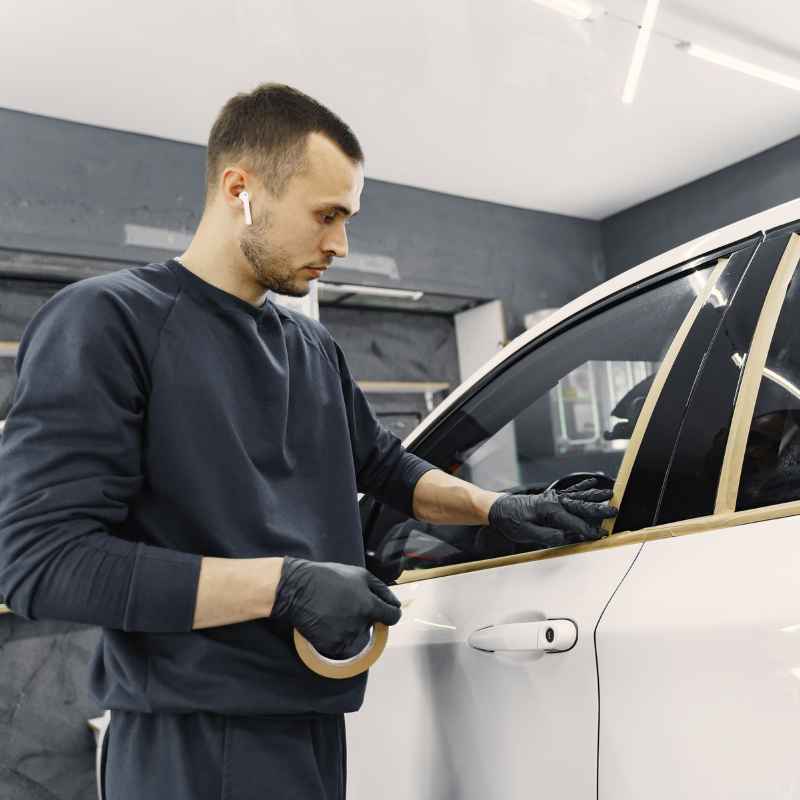
Exterior Touch-Ups: This is where the painting comes in, but in a limited way. If there are small paint chips, they use a color-matched touch-up paint. This fills the chip and makes it less noticeable.
For minor scratches, they might try to buff them out. If there’s a small dent that can be popped out without damaging the paint, they will do that.
Headlight Restoration: Over time, headlights can become hazy and yellow. This reduces visibility. CarMax often restores cloudy headlights.
This makes them clear again, improving safety and the car’s look.
Wheel Refurbishment: Scratched or scuffed wheels can make a car look old. CarMax may repair minor damage to the wheels. They aim to make them look much better.
These are the typical things you can expect. They are focused on making the car safe and presentable, not perfect or like-new. They are clear about their process.
CarMax Inspection Checklist Sample
| Category | Checks Performed | Common Repairs |
| Engine & Drivetrain | Fluid levels, leaks, noises, performance | Oil change, filter replacement, belt repair |
| Brakes & Suspension | Pad life, rotor condition, fluid, ride quality | Brake pad/rotor replacement, shock/strut check |
| Tires & Wheels | Tread depth, damage, pressure | Tire replacement, minor wheel repair |
| Interior | Cleanliness, upholstery, electronics, A/C | Deep cleaning, stain removal, minor upholstery repair |
| Exterior | Paint condition, dents, glass, lights | Scratch touch-up, minor dent repair, headlight restoration |
My Neighbor’s CarMax Experience
My neighbor, Sarah, recently bought a car from CarMax. She was a bit nervous because it was her first time buying a car there. She had done her research and knew they didn’t paint every car.
She found a small SUV she really liked. It was a few years old.
When she went to see it, it looked really good. The paint was shiny. She looked closely for any flaws.
She noticed a very small scratch on the rear bumper. She asked the salesperson about it. He explained that they had touched it up.
He showed her where it was, and honestly, she could barely see it.
She also asked about the tires. The salesperson showed her the report. The tires had plenty of tread left.
They had also
What to Look For When Buying
Even though CarMax has a process, it’s always good to be a savvy buyer. Here’s what you should pay attention to:
CarFax or AutoCheck Report: Always get the vehicle history report. This shows accidents, title issues, and previous owners. It’s a crucial first step.
Your Own Inspection: Don’t just rely on what the salesperson tells you. Walk around the car. Look at the paint in natural light.
Check for uneven paint lines or overspray. This could indicate a repair. Look for differences in paint color or texture.
Panel Gaps: Check the gaps between body panels. If they are uneven, it might mean the car was in an accident and not repaired perfectly.
Test Drive: Drive the car on different roads. Listen for strange noises. Feel how it handles.
Test the brakes and acceleration. Make sure everything feels right.
Ask Questions: Don’t be afraid to ask about specific repairs. If you see a spot that looks like a touch-up, ask about it. CarMax is usually pretty good about answering these questions.
Bring a Friend: If you can, bring someone with you who knows cars. An extra pair of eyes can catch things you might miss.
By being observant, you can feel more confident about your purchase. You’ll know the car has been checked thoroughly.
Buyer’s Checklist: Key Areas to Inspect
Exterior:
- Paint: Look for consistency in color and texture. Check for overspray on rubber seals or trim.
- Dents/Scratches: Note any visible damage. Are they minor touch-ups or larger issues?
- Panel Gaps: Ensure they are even all around the car.
- Lights & Glass: Check for cracks or fogginess.
Interior:
- Upholstery: Look for tears, stains, or excessive wear.
- Electronics: Test the radio, A/C, windows, locks, and dashboard lights.
- Smell: Check for musty odors or strong air freshener smells that might hide something.
Mechanical (During Test Drive):
- Engine: Listen for unusual noises.
- Brakes: Do they feel firm and stop the car smoothly?
- Transmission: Does it shift gears smoothly?
CarMax’s “125+ Point Inspection”
CarMax often talks about its “125+ Point Inspection.” This sounds very thorough. It means they have a detailed checklist. They go through each point for every car.
This covers a lot of ground.
Some points are about the engine and transmission. Others are about the brakes and suspension. They also check the electrical systems.
The interior and exterior get a lot of attention too.
This inspection is designed to catch problems. It’s not just a quick look-over. It’s a systematic check.
If a car doesn’t pass a certain point, it usually needs a repair before it can be sold. This is where the cosmetic fixes come in.
For example, if a tire tread is too low, it fails that point. They will replace the tire. If a headlight is dim or cloudy, it fails.
They will restore or replace it.
The cosmetic part of this inspection is focused on making the car look good, but not perfect. They will note minor scratches and decide if they need a touch-up. They aren’t looking for flaws that would require a full repaint.
They are looking for issues that affect the car’s appeal or safety.
So, while the inspection is extensive, it’s important to understand its limits. It’s about making the car roadworthy and presentable, not brand-new. They are transparent about this.
Their website often explains their reconditioning process.
When Does CarMax Repaint a Car?
A full repaint is a significant expense. CarMax reserves this for very specific situations. It’s not their everyday practice.
Major Damage: If a car has suffered significant body damage, perhaps from a larger accident or vandalism, a repaint might be necessary after repairs. This could be if a whole panel needs to be replaced and blended.
Restoration Projects: In rare cases, if they acquire a classic or collector car that’s part of a special inventory, they might consider a more extensive restoration. But this is not common for their regular selection.
Fleet Vehicles: Sometimes, if they acquire a fleet of identical cars that have uniform wear and tear, they might consider a coordinated effort for repainting to make them look consistent. This is also not a standard policy for all cars.
Damage That Can’t Be Otherwise Fixed: If a car has widespread, deep scratches or fading that touch-ups can’t handle, and it significantly impacts the car’s value and appeal, they might consider a repaint. However, they often opt to sell such cars at a reduced price if a full repaint isn’t economically viable.
The key takeaway is that a full repaint is an exception, not the rule. They prefer to fix individual cosmetic issues. This is more cost-effective and fits their business model.
The “As-Is” Nature of Used Cars
It’s important to remember that any used car, regardless of where you buy it, will have some history. Cars are not new when you buy them used. They have been driven.
They have experienced the road and weather.
CarMax works hard to prepare their cars. They want to give you a good product. But there will always be some signs of previous use.
This is normal. The goal of their preparation is to ensure the car is safe and looks good for its age and mileage.
They are not trying to deceive you. They are trying to present a used car in the best possible condition without the extreme cost of making it “like new.” Their “125+ Point Inspection” and their focus on cosmetic touch-ups and mechanical repairs are all part of this effort.
So, while you might wonder if they paint cars, the honest answer is they don’t paint them all. They fix what’s needed to make them safe, reliable, and appealing. It’s about smart repairs, not full restorations, for the vast majority of vehicles.
Frequently Asked Questions About CarMax Vehicle Preparation
Does CarMax offer a warranty on their cars?
Yes, CarMax includes a 30-day money-back guarantee and a 90-day limited warranty on all their vehicles. This covers many common mechanical and electrical issues that might arise shortly after purchase.
Can I get a pre-purchase inspection at CarMax?
CarMax generally doesn’t allow third-party pre-purchase inspections at their dealerships. However, their own extensive inspection process and warranty are designed to give buyers confidence.
What if I find a problem after buying a car from CarMax?
If you discover a problem within the 30-day money-back guarantee period, you can return the car. For issues covered by the 90-day limited warranty, you can take it to an authorized repair facility.
How does CarMax determine the price of their cars?
CarMax uses a no-haggle pricing system. Prices are set based on market demand, the car’s condition, mileage, features, and recent sales data for similar vehicles in the area.
Do CarMax cars come with a clean title?
CarMax aims to sell vehicles with clean titles. They will disclose if a vehicle has a branded title (like salvage or flood) before you buy it.
What is the CarMax “MaxCare” plan?
MaxCare is an extended service plan that offers longer coverage beyond the initial 90-day warranty. It can cover many parts and systems for several years, providing additional peace of mind.
Final Thoughts on CarMax Car Preparation
Understanding how CarMax prepares its vehicles is key. They focus on mechanical soundness and visible cosmetic appeal. Painting every car is not part of their strategy.
It’s too expensive. They use smart, targeted repairs to make cars ready for sale. Always inspect yourself, and you’ll feel more confident.
Products related to this article
Sponsored / affiliate links. As an Amazon Associate I earn from qualifying purchases. I may earn additional commission from eligible campaigns.