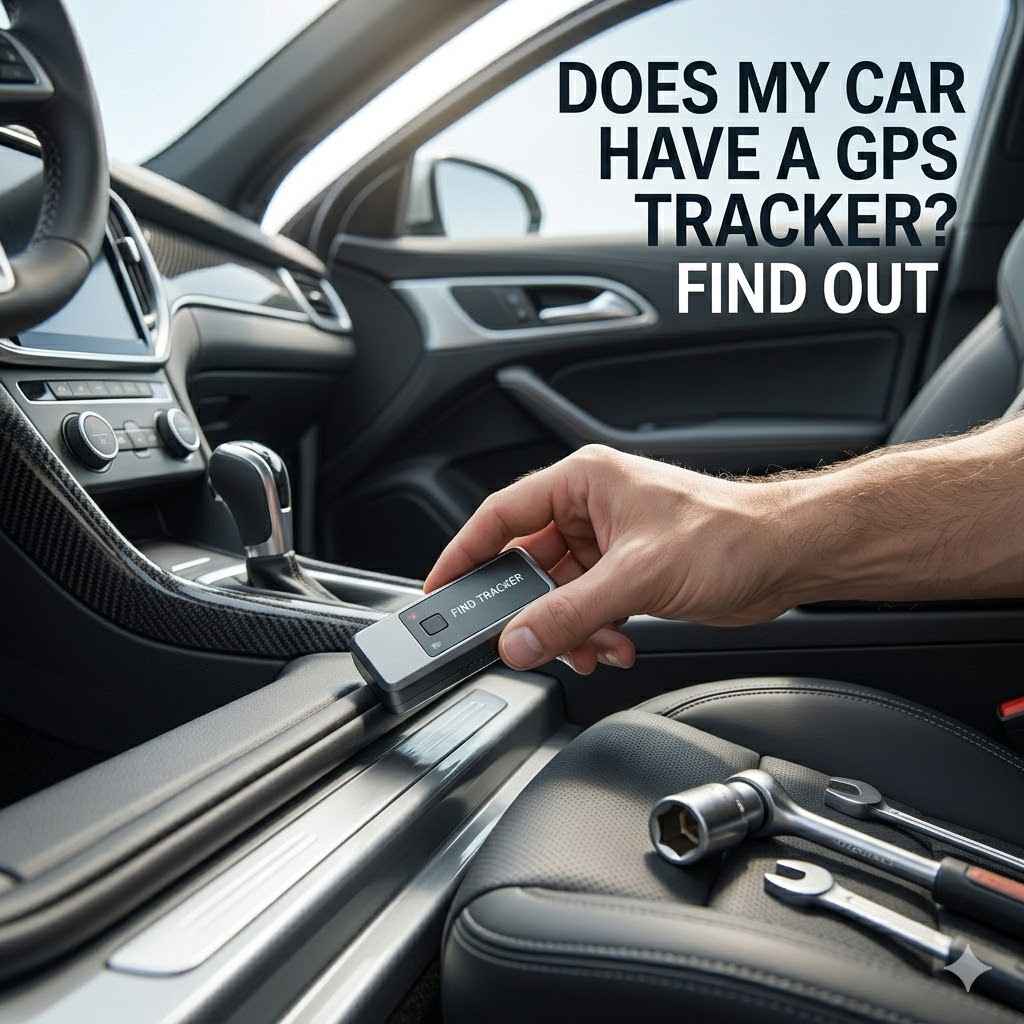
Does My Car Have a GPS Tracker? Find Out
It’s a question many car owners wonder about: Does My Car Have a GPS Tracker? Find Out is something beginners often find tricky. You might be worried about privacy or just curious.
Don’t worry, figuring this out is simpler than you think. This guide will walk you through it step-by-step. We’ll cover where to look and what to look for so you can get a clear answer without any confusion.
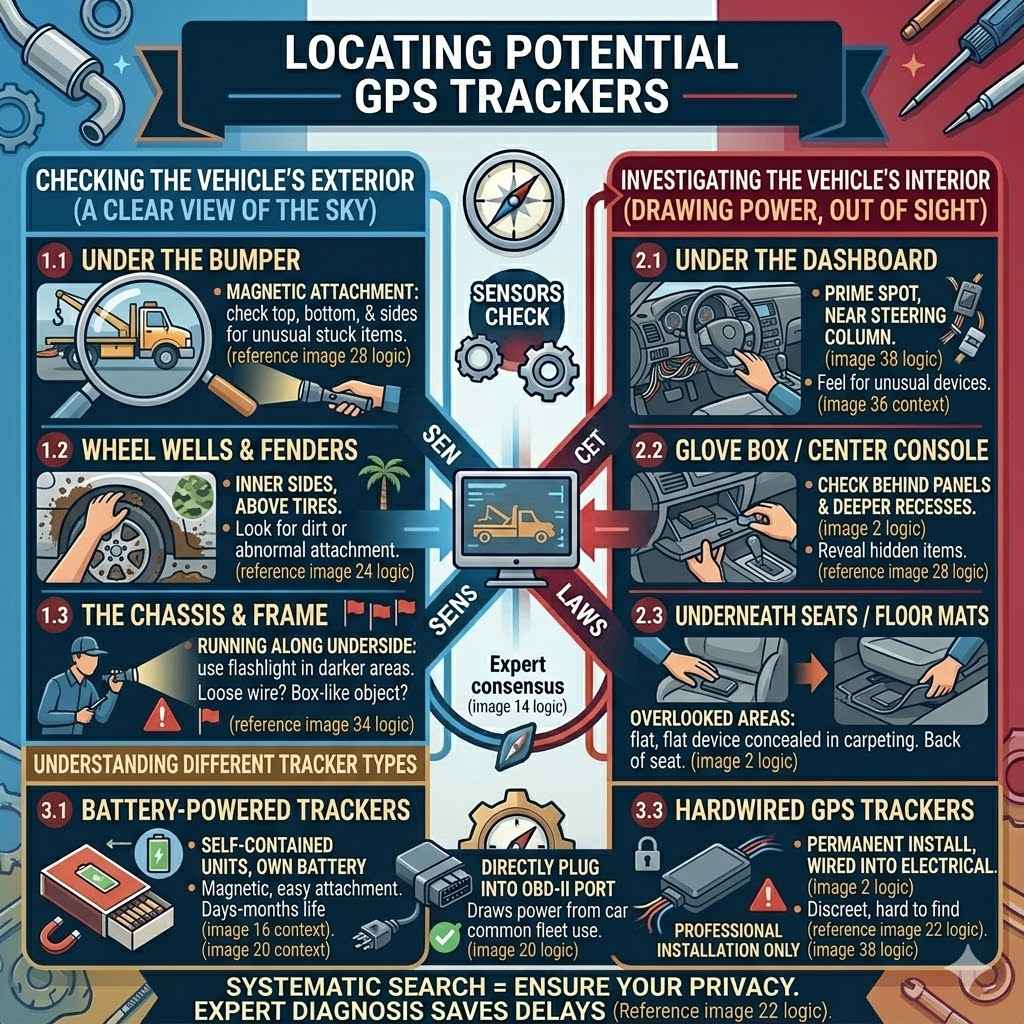
Locating Potential GPS Trackers
Many car owners wonder if they have a GPS tracker hidden in their vehicle. This is a common concern for those who want to ensure their privacy or understand who might be monitoring their movements. Finding a GPS tracker, if one exists, involves a systematic search of your vehicle’s interior and exterior.
These devices are typically small and designed to be discreet. They can be powered by your car’s battery or have their own power source. Knowing where to look and what to look for is key to successfully identifying any unauthorized tracking devices.
This section will guide you through the common hiding spots and the types of devices you might encounter.
Checking the Vehicle’s Exterior
GPS trackers are often placed on the exterior of a car because they are small and can be easily attached. These devices need a clear view of the sky to get a good GPS signal, which helps them pinpoint your location accurately. Because of this, they are frequently mounted on metal surfaces where they can be magnetically attached or securely screwed into place.
Under the Bumper: The rear bumper is a very common spot. It’s out of sight and offers a large metal surface for magnetic trackers. Check the top, bottom, and sides of both the front and rear bumpers thoroughly. Look for anything unusual stuck to the metal or plastic.
This area is ideal because it’s mostly hidden from view. A tracker here can get a good signal without being easily spotted by a casual glance. The metal of the bumper also helps with magnetic adhesion for many tracking devices.
Wheel Wells and Fenders: The inner sides of the wheel wells, especially above the tires, can also hide a tracker. These areas are less exposed than the underside of the bumper but still offer a place for attachment. Pay attention to any areas that look dirty or have something attached that doesn’t seem to belong.
The wheel wells are often covered in plastic or mud, making it a good place to camouflage a device. It’s a spot that most people don’t think to check unless they are specifically looking for something hidden.
The Chassis and Frame: Running along the underside of your car, the chassis and frame offer numerous nooks and crannies where a tracker could be hidden. Many trackers are magnetic, so they might be attached to any accessible metal part. You might need a flashlight to see into these darker areas.
The chassis is a vast network of metal, providing many potential attachment points. Look for anything that seems out of place, a loose wire, or a small box-like object stuck to the metal.
Investigating the Vehicle’s Interior
While exterior placement is common, trackers can also be hidden inside the car. Interior placement often aims for devices that are wired into the car’s electrical system or are battery-powered and concealed within the cabin’s various compartments. These locations are chosen to be out of sight and to potentially draw power, meaning they won’t run out of battery as quickly.
Under the Dashboard: The area beneath the dashboard, especially near the steering column, is a prime spot. Wires and electrical components are present here, making it a natural place to tuck a small device. Use a flashlight and your hands to feel around for anything unusual.
This area is full of nooks and crannies. A tracker could be taped, tied, or wired into this section, often near other electrical components to blend in.
Inside the Glove Compartment or Center Console: While these are obvious places to look, trackers can be hidden behind panels or within the deeper recesses of these storage areas. Remove any items and check all surfaces, including the back and sides.
Sometimes, a tracker is placed just out of immediate sight. Removing the contents of the glove box or console can reveal a hidden compartment or a device taped to the interior wall.
Underneath Seats and Floor Mats: Check thoroughly underneath the car seats, especially towards the back. Also, lift up floor mats and feel the carpeting beneath them. Some trackers are designed to be flat and easily concealed in these areas.
The undersides of seats and the carpeted floor are often overlooked. They provide flat, accessible surfaces where a small, flat tracker could be placed without being easily detected.
The Trunk Area: Similar to the interior, the trunk can hide trackers. Check under the spare tire, behind panels, and in any storage compartments.
The trunk has many hidden areas, especially around the spare tire well and side panels, making it a good spot for discreet placement.
Understanding Different Types of Trackers
When looking for a GPS tracker, it helps to know what you’re looking for. Trackers come in various shapes and sizes, and their power sources can differ. Understanding these differences can make your search more efficient.
Battery-Powered GPS Trackers: These are self-contained units that use their own batteries. They are often magnetic and designed for easy attachment to metal surfaces. Their size can vary, but many are no bigger than a small box of matches.
Battery-powered trackers are popular because they don’t require wiring into the car. This makes them easy to install and remove, but their battery life is a limiting factor, usually lasting from a few days to a few months depending on usage and battery size.
Vehicle-Powered GPS Trackers (OBD-II): These devices plug directly into your car’s On-Board Diagnostics (OBD-II) port, which is usually located under the dashboard near the steering wheel. They draw power directly from the car’s battery.
OBD-II trackers are very common for fleet management and vehicle tracking services. They are easy to install as they simply plug in, and they have an unlimited power source as long as the car is running or has a charged battery.
Hardwired GPS Trackers: These are more permanently installed trackers that are wired directly into your car’s electrical system. They are often more discreet and reliable as they have a constant power supply.
Hardwired trackers are usually installed by professionals. They can be hidden very effectively within the car’s wiring harness, making them extremely difficult to find without a thorough professional inspection.
How to Search for a GPS Tracker
Searching for a GPS tracker requires a methodical approach. You need to be patient and thorough, checking every possible location. Using the right tools and techniques can significantly improve your chances of finding a hidden device.
It’s not just about looking; it’s about feeling and listening for anything that seems out of place.
Tools to Aid Your Search
While your eyes and hands are your primary tools, a few extra items can make the search much easier. A good flashlight is essential for peering into dark spaces. A small mirror can help you see into tight corners.
If you suspect a device is electronic, a bug detector can sometimes help, though its effectiveness varies.
Flashlight: A bright, focused beam is crucial for illuminating dark areas under the dashboard, inside the trunk, or beneath the car. Many hidden devices are black or dark-colored, making them hard to spot without good lighting.
The beam should be strong enough to cut through dust and shadows. Modern LED flashlights are excellent for this purpose due to their brightness and small size.
Small Mirror: A dentist’s mirror or a small inspection mirror on an extendable handle can help you see around corners and into inaccessible spots without having to contort your body into difficult positions.
This tool is invaluable for checking the tops of surfaces or the back of panels where your eyes cannot easily reach. It allows for a more complete visual inspection of tight areas.
Gloves: Wearing gloves can protect your hands when feeling around in dirty or potentially sharp areas, especially underneath the vehicle. They also prevent you from leaving fingerprints if you are checking a leased or recently purchased vehicle where you might want to avoid suspicion.
Using gloves is also a matter of hygiene. Many areas you’ll be checking are likely dusty or have road grime.
Device Detector (Optional): Electronic bug sweepers can detect radio frequencies emitted by some GPS trackers. However, many modern trackers use sophisticated communication methods that might not be easily detected by basic sweepers.
These devices work by picking up radio signals. If a tracker is actively transmitting its location, a detector might alert you. However, trackers that only record data and upload it later, or those using encrypted signals, might evade detection.
The Step-by-Step Search Process
Start your search from the outside of the car and work your way in. Be systematic, and don’t rush. Check every inch.
Exterior Inspection: Begin by walking around your car. Look underneath the bumpers, in the wheel wells, and along the chassis. Use your flashlight to look for anything that seems out of place, like a small black box, wires, or an unusual bulge.
Focus on metal surfaces where magnetic trackers can easily attach. Also, check plastic parts that might be hiding something.
Interior Inspection (Cabin): Move inside the car. Systematically check under the dashboard, behind panels, in the glove compartment, center console, and under the seats. Feel around with your hands for any unusual objects or wires.
Pay close attention to areas where electronic components are usually located. Sometimes trackers are disguised as common car parts.
Interior Inspection (Trunk): Don’t forget the trunk. Lift the carpet, check around the spare tire, and inspect any side compartments or panels.
The trunk is often overlooked but can easily conceal a tracker, especially in the spare tire well.
Under the Hood (Less Common but Possible): While less common due to heat and vibration, some trackers might be hidden in the engine bay. This is usually done for devices that are wired into the car’s power or for longer-term tracking. Only do this if you are comfortable working around engine components.
This area is more difficult to search and potentially dangerous if you’re not familiar with car engines. However, it’s a place where a device could be hidden to avoid detection.
Why Would a Car Have a GPS Tracker?
Understanding the reasons behind car tracking can help you identify potential scenarios. While it’s natural to feel concerned, knowing the common purposes for GPS trackers can provide context. These devices are used for various legitimate and sometimes less legitimate reasons.
Common Legitimate Uses
Many car tracking devices are used for practical, legal purposes. These applications often benefit vehicle owners or businesses.
Fleet Management: Businesses with multiple vehicles often use GPS trackers to monitor their fleet’s location, optimize routes, track driver behavior, and manage logistics. This helps improve efficiency and reduce costs.
Companies use this data to ensure drivers are on schedule, not wasting fuel, and taking safe routes. It’s a business tool for productivity and accountability.
Vehicle Recovery (Anti-Theft): Some car owners install hidden GPS trackers to help recover their vehicle in case of theft. If the car is stolen, the tracker can help law enforcement pinpoint its location.
This is a proactive security measure that can significantly increase the chances of getting a stolen vehicle back quickly and intact.
Teen Driver Monitoring: Parents may use GPS trackers to keep an eye on their teenage drivers, ensuring they are driving safely, sticking to designated routes, and not going to unsafe areas.
This is often done with the child’s knowledge as a safety measure, providing peace of mind for parents and promoting responsible driving habits in young drivers.
Loan or Lease Agreements: Financial institutions may require a GPS tracker to be installed on a vehicle that is financed or leased. This allows them to repossess the vehicle more easily if payments are not made.
This is a common practice in the auto finance industry to mitigate risk for lenders, especially with subprime loans.
Potential Illegitimate Uses
Unfortunately, GPS trackers can also be used for surveillance without a person’s knowledge or consent. This is where privacy concerns arise.
Stalking or Harassment: In some disturbing cases, individuals may illegally install a GPS tracker on someone else’s car to monitor their movements for malicious purposes. This is illegal and a serious privacy violation.
This is a criminal act that can have severe legal consequences for the perpetrator. If you suspect this, it is important to contact law enforcement immediately.
Unwanted Surveillance: A former spouse, a disgruntled employee, or even a curious acquaintance might install a tracker to gain information about someone’s daily routine or activities.
The intent behind such tracking is usually to gather information for personal gain or to exert control. It’s crucial to remember that unauthorized tracking is a violation of privacy.
What to Do If You Find a Tracker
Discovering a GPS tracker on your vehicle can be unsettling. Your next steps depend on who you believe placed it and your comfort level with the situation. It’s important to act calmly and consider your options carefully.
If You Suspect Illicit Tracking
If you believe the tracker was placed illegally, your primary concern should be your safety and privacy.
Do Not Remove It Immediately (If Suspecting Criminal Activity): If you suspect stalking or harassment, contact law enforcement before touching the device. The tracker and its placement might be crucial evidence. They can advise you on the best course of action.
Law enforcement agencies have procedures for handling evidence related to illegal surveillance. Tampering with it prematurely could compromise an investigation.
Contact Law Enforcement: Report your findings to the police. They can investigate the matter, help identify the responsible party, and advise you on legal protections.
Providing them with the location and any details you observed can help them start an investigation into potential privacy violations or criminal activity.
Consult a Legal Professional: A lawyer specializing in privacy law or civil rights can advise you on your legal options and recourse.
Legal counsel can help you understand your rights and guide you through the process of seeking justice or protection from further unwarranted surveillance.
If You Believe It’s for Legitimate Reasons
If you find a tracker and suspect it’s for a legitimate reason (e.g., a lease agreement, fleet management for a company car), you have a few options.
Review Your Contracts: Check your car purchase agreement, lease agreement, or employment contract. These documents often specify if a vehicle is equipped with or subject to GPS tracking.
Understanding the terms you agreed to is the first step. This can clarify whether the tracking is authorized by a contract you signed.
Contact the Relevant Party: If it’s a company car, talk to your HR department or fleet manager. If it’s a leased vehicle, contact the leasing company. If you bought the car used, contact the previous owner or dealership if you have concerns.
Open communication can resolve many issues. You might learn the tracker is for a legitimate purpose or arrange for its removal if it’s no longer needed or desired.
Request Removal: If the tracker is there for a reason that no longer applies or if you are uncomfortable with it, you can request its removal. Be prepared for them to potentially refuse if it’s a condition of a lease or loan.
The ability to request removal often depends on the terms of your agreement. If it’s a condition of your financing, removal might not be an option without fulfilling certain requirements.
Common Places Trackers Are NOT Found
While many places can hide a tracker, some areas are less common or impractical due to various factors. Knowing these can save you some searching time.
Inside the Engine Block: The engine block itself is a harsh environment with extreme heat and vibrations. It’s not conducive to the longevity of most electronic devices unless specifically designed for such conditions, which is rare for consumer GPS trackers.
The intense heat generated by the engine could damage sensitive electronics, and the constant vibrations could dislodge or break connections.
Within the Airbags or Safety Systems: These critical safety components are highly sensitive and have strict manufacturing standards. Adding an unauthorized electronic device would compromise their integrity and safety, making it highly unlikely.
Tampering with safety systems is extremely dangerous and illegal. Manufacturers ensure these systems are sealed and tamper-proof for passenger safety.
Inside Most Car Speakers: While small speakers might seem like a hiding spot, the vibrations, potential for moisture, and the specific design of speaker enclosures make it an inconvenient and less effective location for a GPS tracker compared to other areas.
A tracker placed inside a speaker would likely be affected by the sound vibrations and might not be easily accessible for maintenance or data retrieval.
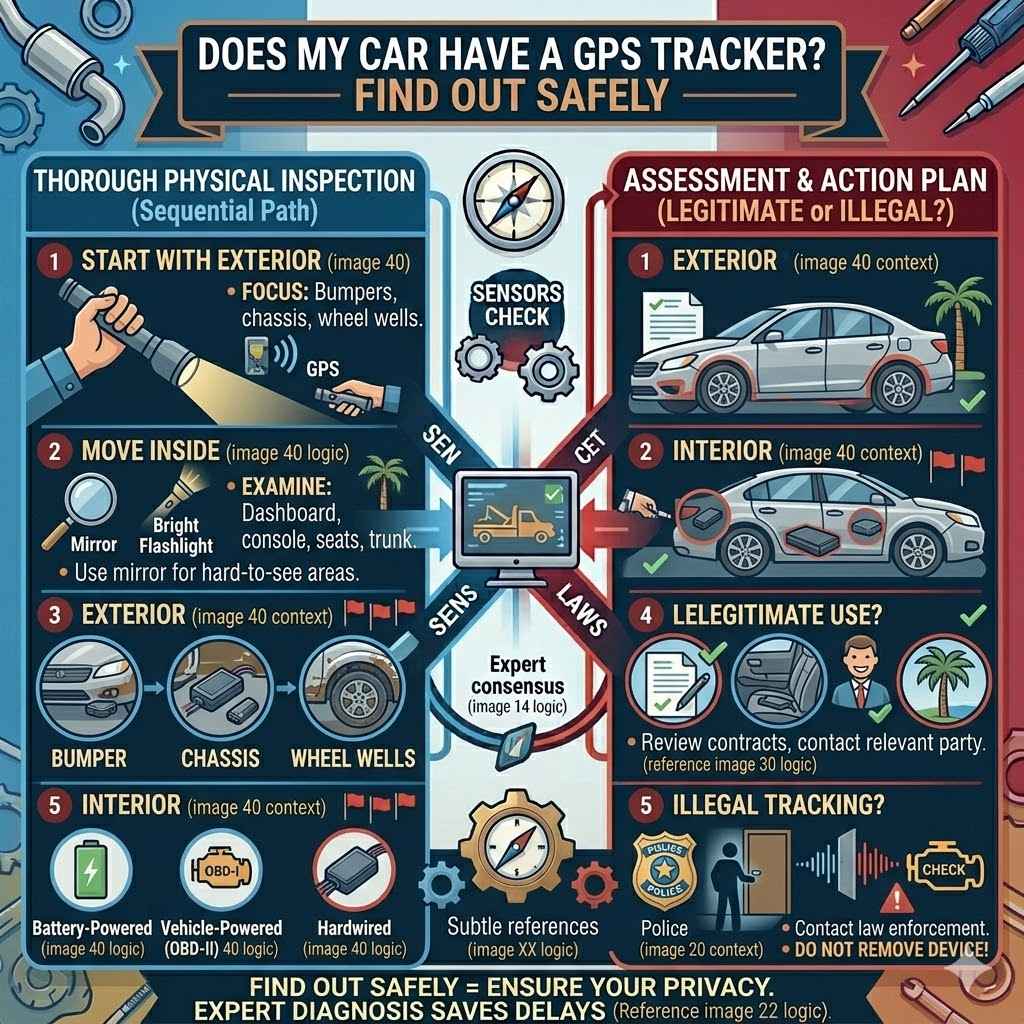
Does My Car Have a GPS Tracker? Find Out Safely
To determine, Does My Car Have a GPS Tracker? Find Out by performing a thorough physical inspection. Start by checking the exterior, focusing on the bumpers, chassis, and wheel wells.
Then, move inside to examine the dashboard, console, seats, and trunk. Use a bright flashlight and a mirror for hard-to-see areas. Understand the different types of trackers and their common hiding spots.
If you find one, assess whether it’s likely for legitimate use or potentially illicit. For suspected illegal tracking, contact law enforcement immediately and do not remove the device. If it’s likely legitimate, review your contracts or contact the relevant party.
Frequently Asked Questions
Question: How can I tell if a GPS tracker is active?
Answer: Some GPS trackers have small indicator lights, but many are designed to be completely hidden and do not show any outward signs of activity. If you find a device, and it has no visible lights or sounds, it could still be active.
Question: Can a mechanic find a GPS tracker for me?
Answer: Some mechanics might be able to assist, especially if the tracker is wired into the car’s system. However, they are not always trained to look for surveillance devices. A specialized security or private investigator might be more effective.
Question: What if the tracker is very small?
Answer: Smaller trackers are harder to find. They might be the size of a USB drive or even smaller. You need to be very thorough in your search, feeling in all hidden nooks and crannies.
Question: Is it legal to have a GPS tracker on my car?
Answer: It is generally legal for a vehicle owner to place a GPS tracker on their own car. However, placing a tracker on someone else’s vehicle without their knowledge or consent is illegal in most places.
Question: What is an OBD-II port and where is it located?
Answer: An OBD-II port is a standard diagnostic connector found in most cars manufactured since 1996. It’s usually located under the dashboard on the driver’s side, often near the steering column or brake pedal.
Summary
You can find out Does My Car Have a GPS Tracker? Find Out by carefully searching key areas. Check the exterior and interior thoroughly.
Understand why a tracker might be there, whether for security, business, or privacy concerns. If you find one, act cautiously. For illegal tracking, call the police.
If it’s legitimate, check your agreements.