How to Put Up a Sun Shade in Your Car (Install, Fold and Fit Guide)
To put up a car sun shade, measure your windshield, press the shade flush against the inside of the glass, and flip both sun visors down to pin the top edge. Then take it down before you drive. In Florida Solar Energy Center (FSEC) tests, a conventional shade cut average interior air temperature by about 15°F but dashboard temperature by about 40°F, so the biggest win is protecting the surfaces you touch. This guide covers installing, sizing, folding, the mirror-sensor catch, what the heat data really says, and why a shade never makes a parked car safe for a child or pet.
How to Put Up a Sun Shade in Your Car (Step by Step)
These four steps work for most accordion, roll-up and custom-fit windshield shades. The type-specific differences follow below.
Best Accordion Sun Shade Pick
|
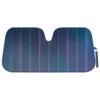
BDK Accordion Folding Windshield Sunshade (58 x 27 in)
|
As an Amazon Associate we earn from qualifying purchases. Picks are based on listing specs, not hands-on testing.
- Measure first: Measure the glass at its widest and tallest points and compare the numbers with the maker’s size chart before you buy anything.
- Open the shade outside the car: Unfold it fully and hold it against the windshield from outside to check the fit.
- Press it flat against the glass: From inside, seat the bottom edge against the base of the windshield and press the shade flush to the glass, keeping it clear of any sensor housing behind the mirror.
- Lock it in place: Flip both sun visors down against the top edge so they pin the shade, and tuck the corners into the pillars so there are no gaps.
Once you have done it twice it takes under a minute. If the shade sags or leaves a gap at the sides, the size is wrong, not your technique.
Sun Shade Types: Which One Are You Putting Up?
Install steps differ slightly by design. This table compares the main types by how they hold in place, which is the part that matters when you are installing one.
| Type | How it holds in place | Watch out for |
|---|---|---|
| Accordion (folding) | Visors pin the top edge, mirror and glass support it | Universal sizes leave gaps on large or steeply raked windshields |
| Twist-fold (pop-up) | Springy frame presses against the glass edges | Needs the maker’s fold diagram or it will not collapse |
| Roll-up or retractable | Rolls out from a tube and tucks behind the visors | Tube size must match your glass height |
| Umbrella-style | Opens like an umbrella and rests against the glass, with the handle on the dash | Handle and ribs can touch the dash or mirror area, so check clearance |
| Custom-fit | Cut to your model, with a mirror cutout | Cutout position must match your mirror housing |
| Side or rear window | Suction cups, static cling or clips | Never use anywhere it blocks the driver’s view while driving |
How to Measure Your Windshield for a Sun Shade
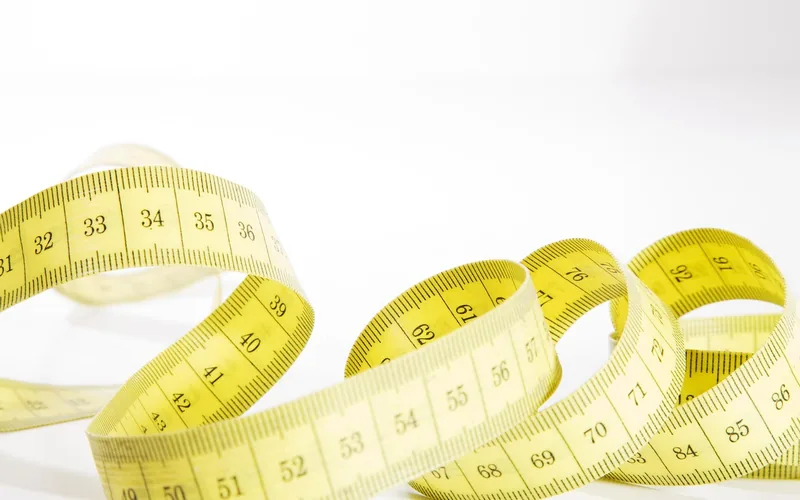
Sizing is the most common reason a shade falls or leaves sunny gaps. Measure the glass from the inside, not the outside, because the outside includes trim that the shade cannot cover.
- Width: measure across the widest part of the glass, usually near the bottom.
- Height: measure from the base of the windshield to the top edge, along the center.
- Compare: use the maker’s own size chart for your make and model, rather than guessing from a generic “fits most” label.
The BDK accordion shade in the box above is listed as 58 x 27 inches and described as universal, which suits many cars but not every large SUV or truck windshield.
Putting Up Each Type of Sun Shade
Accordion Shade
- Unfold it fully and check the fit against the glass from outside.
- From inside, seat the bottom edge and press the shade flat against the windshield.
- Fit it around the mirror and tuck the corners into the pillars.
- Flip both visors down to pin the top edge.
Twist-Fold (Pop-Up) Shade
- Remove it from its pouch and let the frame spring open. Open it inside the car if there is wind.
- Hold it against the glass so the frame presses on all four edges.
- Pin the top with the visors.
- Check for gaps at the corners and adjust.
Roll-Up or Retractable Shade
- Roll the shade out across the glass, following the maker’s direction for which side faces out.
- Tuck the top behind the visors and secure any straps or clips.
- Check that the tube sits clear of the mirror housing.
Umbrella-Style Shade
- Open the umbrella with the handle toward the dash.
- Seat the open canopy against the glass and rest the handle on the dash.
- Confirm the canopy edges clear the mirror area before you walk away.
Custom-Fit Shade
- Hold it against the glass with the mirror cutout aligned.
- Press the edges flat to the glass.
- Use the visors or the included straps to hold it.
For side and rear windows, clean the glass first so suction cups or adhesive stick, and follow the product instructions for that window.
Installing Around the Mirror: Sensors and Cameras Behind the Glass
Many newer cars put a rain sensor, light sensor or driver-assist camera in the housing behind the rearview mirror. A shade that presses against that spot can interfere with it. The 2025 Nissan Qashqai owner’s manual, for example, says the rain sensor is on the upper windshield in front of the rear view mirror and tells owners not to touch or cover the glass where it sits. Your car may be different, so read the sensor section of your own manual before you install anything.
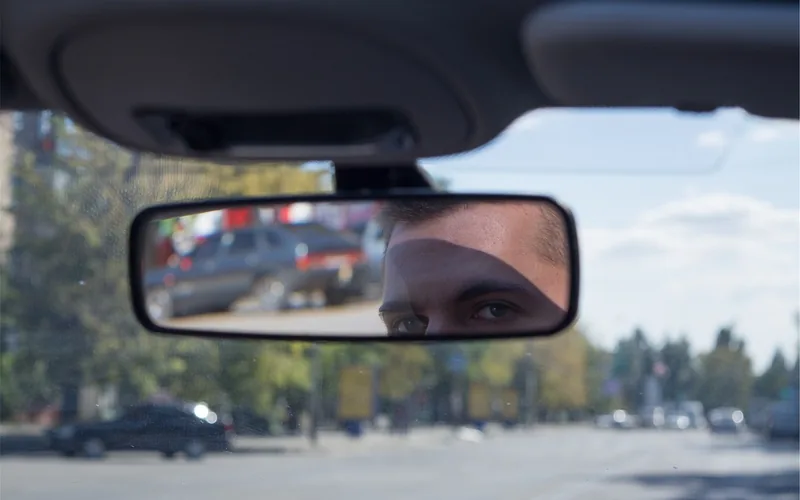
- Look first: check what sits behind the mirror and what your manual says about covering it.
- Choose a mirror cutout: custom-fit shades are built around the mirror housing.
- Do not tape or stick anything: keep adhesives and suction cups off the glass in front of a sensor.
If your manual does not say, ask a dealer service department rather than guessing. This is a model-by-model issue we could not settle for every car.
Which Side Faces Out? What the Lab Test Actually Used
Most guides state a flat rule, but the research behind sun shades is more specific. In the FSEC report, the best-performing shade was a radiant-barrier design: cardboard with foil laminated to the cabin-facing side and a flat white outer face. A shade with foil on both faces performed no better, and its cabin-facing surface ran hotter. The report does not test modern accordion shades.
So there is no universal rule we can verify. Follow the label on your own shade, which most makers print on the shade itself, and treat “shiny side out” as a maker instruction, not a physics law. If the shade has no label, check the maker’s product page.
How Much Cooler Does a Sun Shade Really Make a Car?
FSEC monitored parked cars at its Cape Canaveral lab in summer 1988. Without a shade, interior air reached over 150°F and dashboards rose to nearly 200°F. Here are the measured reductions:
| Comparison | Interior air | Dashboard |
|---|---|---|
| Conventional shade vs no shade | about 15°F lower | about 40°F lower |
| Foil-faced radiant-barrier shade vs no shade (June 23 test) | 13.4°F lower on average | 44.3°F lower on average |
| Foil-faced shade vs conventional shade (June 16-17 tests) | 3.3°F lower on average | 8.2°F lower on average |
These are 1988 results on specific cars in Florida, so treat them as a guide, not a promise for your car. The useful pattern is that a shade does far more for dashboard and steering wheel temperature than for the air you breathe. That fits NHTSA guidance, relayed by the New York State DMV heatstroke notice, that rolling windows down or parking in the shade does little to change interior temperature, so a shade is no substitute for checking the back seat.
How to Fold and Store a Sun Shade
- Accordion: collapse along the creases until flat, then close the strap.
- Twist-fold: follow the maker’s diagram printed on the pouch; the hoop folds into a smaller circle.
- Roll-up: roll it back onto its tube, keeping the reflective surface clean.
- Storage: keep it where you can reach it without moving cargo, such as behind a seat.
If you are still choosing, see our guide to the best car sun shades for windshields.
Take It Down Before You Drive
A sun shade is for parked cars only. It blocks your view through the windshield and can slip while moving. Take it down before you start the car, fold it, and stow it. Rules on objects that obstruct the windshield vary by state, so check your state vehicle code or DMV for the exact wording where you live.
A Shade Never Makes a Parked Car Safe for Kids or Pets
Do not treat a sun shade as a safety device. NHTSA data relayed by the New York State DMV says that in 2024 nationally 39 children died of heatstroke in vehicles, and that the temperature inside a vehicle can rise by 20 degrees in 10 minutes. Never leave a child or pet in a parked car, even for a minute with a shade up. If you see a child alone in a locked car, call 911 right away.
For the cooling side of the story, read whether cracking your car windows helps with heat, and for surface care see our guide to dashboard protectants.
When to Replace Your Sun Shade
- Tears or holes: sunlight leaking through means the layer is no longer shading the glass.
- Warped or floppy frame: a twist-fold shade that will not press flat leaves gaps.
- Peeling reflective layer: a flaking coating means less reflected sunlight.
- Stiff or cracked folds: creases that split mean it will not fold or seat properly.
Frequently Asked Questions
How do I put a sun shade in my car windshield?
Measure your glass and compare it with the maker’s size chart, unfold the shade and press it flush against the inside of the windshield, then flip both sun visors down to pin the top edge. Keep it clear of any sensor housing around the rearview mirror and take it down before you drive.
Which side of a car sun shade faces out?
Follow the label on your shade, because makers differ. Most reflective shades are sold with the reflective side facing out. In the 1988 Florida Solar Energy Center tests, the best-performing shade had foil on the cabin-facing side and a white outer face, and a shade with foil on both sides performed no better.
How do I fold a car sun shade?
For an accordion shade, collapse it along its creases until it is flat, then close the strap. For a twist-fold pop-up shade, follow the maker’s diagram: the usual method is to hold opposite sides, twist the hoop and fold it into the smaller circle.
Will a sun shade work if I just leave it on the dash?
It helps less, because gaps let sunlight reach the glass and dashboard. In FSEC’s tests the shade sat against the windshield, which is why fit matters.
Can I leave a sun shade up while driving?
No. It blocks your view through the windshield. Take it down before you start the car. Rules on objects that obstruct the windshield vary by state, so check your state’s vehicle code.
Is it safe to leave a child or pet in a car with a sun shade up?
No. A sun shade does not make a parked car safe. NHTSA, as relayed by the New York State DMV, says the temperature inside a vehicle can rise by 20 degrees in 10 minutes and that parking in the shade does little to change interior temperature. Never leave a child or pet in a parked car.
How do I install a sun shade around the rearview mirror sensor?
Look at the housing behind the mirror. If it holds a rain, light or camera sensor, check your owner’s manual. One manual, the 2025 Nissan Qashqai, says not to touch or cover the windshield where the rain sensor sits, so choose a shade with a mirror cutout and keep it off that patch.
Conclusion
Putting up a sun shade takes three decisions: size it from your own measurements, press it flat against the glass with the visors, and keep it clear of any sensors behind the mirror. The FSEC data says to expect a big dashboard benefit and a smaller air-temperature one. Take the shade down before driving, and never rely on it when a child or pet is in the car.
Products related to this article
Sponsored / affiliate links. As an Amazon Associate I earn from qualifying purchases. I may earn additional commission from eligible campaigns.