Does Salt Make Your Car Rust? Yes, Here Is How Fast
Yes, salt makes your car rust faster, and exposed steel can start visibly corroding within weeks of regular exposure to road salt or ocean spray. Salt speeds up rusting because it turns plain water into a stronger conductor, accelerating the oxidation reaction between iron and oxygen – saltwater alone corrodes metal roughly five times faster than freshwater, and salty air corrodes it about ten times faster than dry air. That is why cars in salt-belt states like Michigan or Massachusetts rust years ahead of the same model in Arizona, and why a few defensive habits make such a big difference.
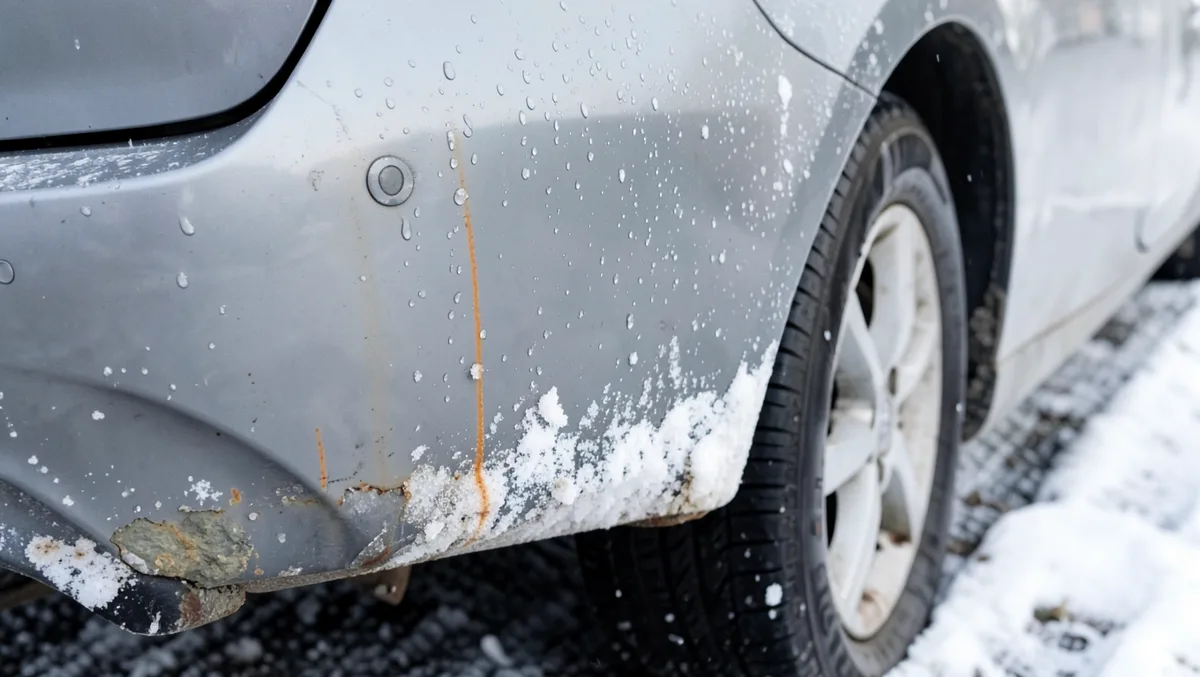
Rust is a reddish-brown byproduct of oxidation, and it is not just cosmetic – left alone, it can weaken a car’s frame, floor pans, and exhaust system enough to fail a safety inspection. Salt does not create rust on its own, but combined with water it turns a slow, minor problem into a fast-spreading one. Here is what actually causes it, which parts of a car take the worst of it, and what works to stop it.
What Is Rust, and Why Should You Care?
BEST FOR FIXING SMALL RUST SPOTS BEFORE THEY SPREAD
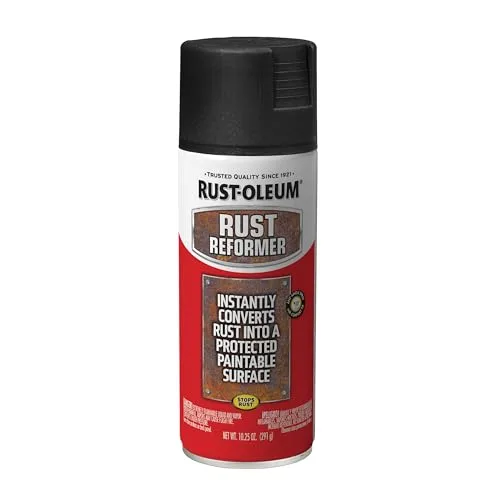 |
Rust-Oleum Stops Rust Reformer Spray – $8.97 Converts surface rust into a paintable, protected surface in one step, which is exactly what the “treat it with a rust converter” advice below means in practice.
|
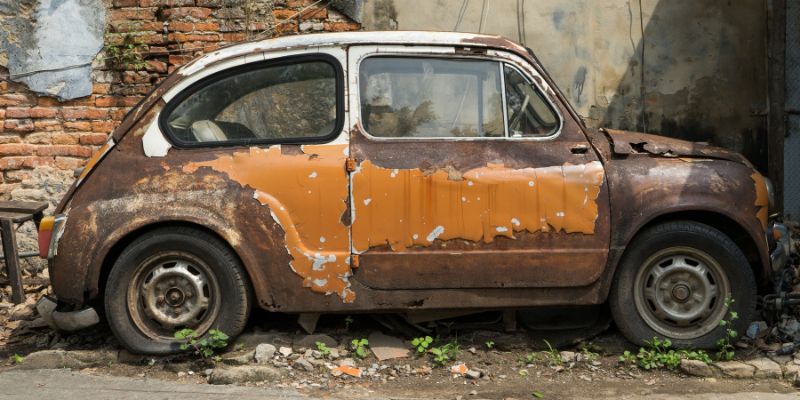
Rust is what happens when iron or steel reacts with oxygen and water. It is a chemical process called oxidation, and it creates the flaky, reddish-brown coating you see on metal surfaces. If you have noticed rust on a car’s undercarriage, wheel wells, or door seams, you have seen it firsthand. Rust does more than ruin a car’s looks – it can eat away at critical parts like the frame or exhaust system, leading to expensive repairs.
Rust rarely stays small. A tiny spot near a wheel well or door seam can keep spreading under the paint for months before it resurfaces as a much larger patch, and by the time it is visible again, the repair bill is often in the hundreds of dollars. Catching it early, while it is still a small spot, is far cheaper than waiting until it spreads.
Rust forms when three things come together: metal, oxygen, and water. A car’s body, made mostly of steel, is already a prime target. Add moisture from rain, snow, or morning dew, and there is a recipe for trouble. One ingredient makes the whole process worse – salt.
How Does Salt Get Involved in Rusting?
Salt does not directly cause rust, but it acts like a catalyst that makes the rusting process happen faster. When salt mixes with water, it creates a solution that conducts electricity better than plain water does, and that speeds up the chemical reaction between the metal in a car and oxygen in the air.
Think of it this way: a car that gets wet from rain or snow is already at some risk of rusting. Add salt to the mix, and it is like pouring fuel on a fire – the salt makes the water more corrosive, eating away at a car’s metal surfaces faster. This is why cars in places like Michigan, New York, or anywhere with heavy snow and lots of road salt tend to rust faster than cars in sunny, dry states like Arizona.
How Fast Does Salt Actually Rust a Car?
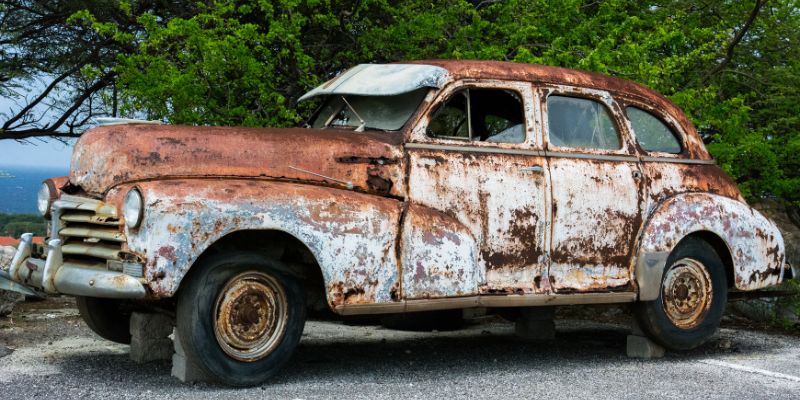
There is no single timeline, but corrosion research has put real numbers on how much faster salt makes the process. Saltwater corrodes metal roughly five times faster than plain freshwater, and moist, salt-laden air corrodes it about ten times faster than dry air with no salt in it. On an exposed, unprotected steel surface, that means visible pitting can start within a few weeks of regular exposure, and noticeable deterioration in vulnerable spots – rocker panels, wheel arches, brake lines – is common within two to three years in a heavy road-salt climate.
The exact speed depends on how much salt is on the road, how often the car drives through it, how old the car’s protective coatings already are, and how humid the air stays afterward. A car that gets rinsed regularly can go years longer without a visible rust spot than one that never sees a wash between snowstorms.
Where Does the Salt Come From?
Salt shows up in a couple of ways, and it is not just about a spilled snack in the cupholder. Here are the main sources:
- Road Salt: In the USA, especially in the Midwest and Northeast, road salt is used to melt ice and snow during winter. It is great for keeping roads safe, but it sticks to a car’s undercarriage, wheels, and body. If it is not washed off, it sits there, quietly eating away at the metal.
- Ocean Air: Cars parked near the coast, like in California or Florida, pick up salty air from the ocean. Over time, this salt builds up, especially without regular rinsing.
- Industrial Areas: Some areas have salt in the air from nearby factories or chemical plants. It is less common, but it can still contribute to rust.
Even a short exposure to salty air can start the rusting process once a car’s protective coating – paint, wax, or clear coat – has already been chipped or scratched, so a parking spot near the beach is not as harmless as it looks.
Which Parts of Your Car Are Most at Risk?
Not every part of a car rusts at the same rate. Some areas are more vulnerable because they are exposed to salt and water more often. Here is a quick rundown of the danger zones:
| Car Part | Why It’s at Risk |
|---|---|
| Undercarriage | Constantly exposed to road salt, water, and debris. Hard to clean thoroughly. |
| Wheel Wells | Traps salt, mud, and moisture, creating a perfect rusting environment. |
| Seams and Joints | Tiny crevices where water and salt can collect and stay for a long time. |
| Exhaust System | Exposed to heat, moisture, and salt, which accelerates corrosion. |
| Body Panels | Chips or scratches in the paint expose bare metal, inviting rust to form. |
An exhaust system that rusts through is a common and expensive result of ignoring these danger zones. Once salt eats a hole in exhaust piping, the usual fix is replacing the affected section rather than patching it, which is why the exhaust and undercarriage deserve extra attention during winter washes.
Can Salt Alone Cause Rust?
A common question: can salt cause rust on its own? The short answer is no. Salt needs water to do its damage. Without moisture, salt just sits there, harmless. But in the real world, moisture is almost always present, whether it is rain, snow, or humidity in the air. Once salt gets wet, it becomes a problem.
Even a single short drive on a snowy, salted road leaves salt clinging to the underside of a car, and if rain or more snow follows before it is rinsed off, that residue turns back into a corrosive solution. Acting quickly, by rinsing the undercarriage as soon as possible, matters more than how far the car actually drove.
How Does Salt Affect Different Car Materials?
Not all cars are made the same, and different materials handle salt differently. Most car bodies are made of steel, which rusts easily when exposed to salt and water. Some parts, like aluminum wheels or stainless steel exhausts, are more resistant. Aluminum does not rust like steel, but it can still corrode in a different way, forming a white, powdery substance. Stainless steel is tough, but even it can pit or corrode under extreme conditions.
Modern cars often come with protective coatings, like galvanization (a zinc layer) or paint, to shield the steel from salt. But if that coating gets scratched or chipped, the bare metal is exposed, and rust can start. A single rock chip or scratch left untreated is one of the most common ways rust gets started on an otherwise well-protected car, which is why fixing small chips quickly matters as much as washing.
How Can You Protect Your Car from Salt-Induced Rust?
Once salt is a known threat, protecting a car from it comes down to a short list of habits and a couple of one-time upgrades:
- Wash Your Car Regularly: This is the number one way to fight salt. Washing every one to two weeks during winter, with attention to the undercarriage and wheel wells, is the single most effective defense. A pressure washer reaches hard-to-reach spots that a garden hose cannot.
- Wax Your Car: A fresh coat of wax twice a year acts like a shield, making it harder for salt to bond to the paint.
- Use Rust Inhibitors: Sprays and coatings, such as Fluid Film or similar lanolin-based products, can be applied to a car’s undercarriage for extra protection where salt collects most.
- Fix Paint Chips Quickly: A scratch or chip should get touch-up paint as soon as it is spotted. Keeping a small bottle of the car’s exact paint color on hand turns this into a five-minute fix instead of a future rust repair.
- Avoid Puddles: Driving through salty slush puddles splashes extra salt onto the body and undercarriage, so steering around them after a snowstorm helps.
- Park Indoors: A garage or covered parking spot cuts down on how much salt spray and moisture ever reaches the car in the first place.
Of all these habits, washing consistently through the winter months does the most to keep salt from ever sitting on bare metal long enough to cause damage. A dedicated wash mitt and a two-bucket method also help rinse off salt without dragging grit across the paint.
Does the Type of Salt Matter?
Not all salt is equally bad. The salt used on roads is usually sodium chloride, but some areas use calcium chloride or magnesium chloride to melt ice. These alternatives can be even more corrosive than regular salt because they are more effective at melting ice and stay wet longer, which means they cling to a car and keep working their corrosive damage.
Calcium chloride and magnesium chloride brines are stickier than plain rock salt and take longer to dry, which is one reason cars in areas that use these de-icers can show undercarriage rust faster than expected. Regardless of which type is used, rinsing it off quickly is what actually matters.
How Does Climate Affect Salt and Rust?
Where a car lives in the USA makes a big difference. In a snowy state like Ohio or Pennsylvania, road salt is a constant threat during winter. Coastal areas like Miami or San Diego have salty air year-round, a slower but steady problem. Dry, desert areas like Nevada or Arizona are the safest bets for rust-free cars because there is less moisture to team up with salt.
Coastal salt exposure tends to build up slowly and steadily, while a single heavy winter of road-salt driving can do more visible damage in one season than years of ocean air. Either way, a car parked in a rust-prone region needs a more consistent care routine than one in a dry climate.
Can Rust Be Fixed Once It Starts?
If rust has already started, it is not the end of the world. Small rust spots can be sanded down, treated with a rust converter to stop it from spreading, and repainted. For bigger problems, like a rusted-out panel or undercarriage, a professional may need to replace parts. For an undercarriage or wheel well that has already started rusting, a mechanic can grind away the affected metal and apply a fresh protective coating, which stops the damage from spreading further before it eats through structural panels.
The key is to catch it early. Once rust spreads deep into the metal, it is harder and more expensive to fix. Checking a car every few months for rust, especially right after winter, is the easiest way to catch a new spot before it spreads.
Are Newer Cars Less Prone to Rust?
Modern cars are built with rust in mind. Manufacturers use galvanized steel, better paint, and undercoatings to protect against salt. But no car is rust-proof. If the protective layers get damaged, salt can still do its thing. A newer vehicle with factory-applied galvanized steel typically holds up noticeably better than an older one without it, but regular washing still matters even on a brand-new car.
Some brands, like Toyota or Honda, are known for good rust protection, but even they need maintenance. Luxury cars often have extra coatings, but they are not immune either. No matter how new or fancy a car is, salt and water can still find a way to cause trouble.
What About Electric Cars?
Electric cars are not that different when it comes to rust. Their bodies are still made of steel or aluminum, so salt can still cause corrosion. The good news: EVs often have fewer exposed metal parts since they do not have exhaust systems. But the undercarriage and battery housing can still rust if not protected. Owners of EVs in snowy states report the same undercarriage and battery-housing corrosion issues as gas-car owners once road salt gets involved, so skipping winter washes is not a shortcut just because there is no exhaust system to worry about.
Conclusion
So, does salt make your car rust? Yes – salt speeds up the oxidation process by making water a better conductor, and it does the most damage in snowy states with heavy road-salt use and in coastal areas with constant salty air. The fix is not complicated: wash regularly, especially the undercarriage, wax a couple of times a year, treat rust inhibitors as cheap insurance, and fix paint chips before they turn into holes.
If rust has already started, small spots can usually be sanded, treated with a rust converter, and repainted; bigger problems, like a rusted-out panel or a compromised undercarriage, call for a professional. Newer cars with galvanized steel and better coatings hold up longer, but nothing is rust-proof, and EVs face the same risk as gas-powered cars once salt and water get involved.
A little maintenance now is cheaper than a rust repair later. Regular washing through the winter, especially around the wheel wells and undercarriage, is the single habit that prevents most salt-related rust damage.
Frequently Asked Questions
Does salt cause rust on its own?
No, salt alone does not cause rust. It needs water to become corrosive. Once salt mixes with moisture, it accelerates the rusting process by making water more conductive.
How much faster does salt make a car rust?
Saltwater corrodes metal roughly five times faster than freshwater, and salty air corrodes it about ten times faster than dry, salt-free air. That is why cars driven on salted winter roads or parked near the coast tend to show rust years earlier than the same model in a dry climate.
How often should I wash my car in winter to prevent rust?
Washing every one to two weeks during winter, especially after driving on salted roads, is a good rule of thumb. Focus on the undercarriage and wheel wells, where salt collects.
Can rust be prevented entirely?
Rust cannot be prevented entirely, but it can be slowed down a lot. Regular washing, waxing, and fixing paint chips quickly are the best defenses. Indoor parking helps too.
Are some cars more rust-resistant than others?
Yes, newer cars with galvanized steel and better coatings are more rust-resistant. Brands like Toyota and Honda often have good rust protection, but no car is completely rust-proof.
What should I do if I see rust on my car?
For small rust spots, sand them down, apply a rust converter, and repaint. For larger rust issues, like rusted panels, see a professional for repairs or part replacement.
Products related to this article
Sponsored / affiliate links. As an Amazon Associate I earn from qualifying purchases. I may earn additional commission from eligible campaigns.