Best Car Dog Harnesses: Top 3 Picks Reviewed
Start with the distinction most ranking pages blur: a crash-tested restraint is not the same thing as a travel-friendly harness. A true car harness is built to hold a dog in place under load, while a convenience harness mainly makes rides calmer, keeps a dog from roaming, or clips into a belt system without proving crash performance.
What fails in a crash is usually the weakest link in the chain. That can be stitching at a stress point, a buckle that opens under load, webbing that stretches too much, or a seatbelt path that twists the harness sideways instead of keeping the chest plate flat.
The best dog restraints depend on whether you want crash-tested restraint or a car-and-walk hybrid. Among the three reviewed here, Ruffwear Load Up is the strongest restraint-first choice, Kurgo Impact is the best value for car-only use, and PetSafe 3-in-1 is the most versatile for dogs that also need a walking harness. A poor fit can let a dog shift, slip, or turn into a projectile during hard braking.
What matters in a car harness


Crash-tested restraint versus travel-friendly harnesses
Crash-tested restraint matters most for dogs that ride often, ride loose, or stand up and move around during braking. Travel-friendly harnesses can still help with organization and calm, but they should not be sold as equal to a harness with published crash evidence.
For a dog that settles quickly on short trips, a less rigid harness may be acceptable if it fits well and stays connected correctly. For a dog that lunges, braces, or travels on highways, restraint strength should come first.
What can fail in a crash?
The failure points are practical. Narrow straps can cut into soft tissue. A weak buckle can pop open. A loose seatbelt loop can let the harness rotate. And a poor chest design can push force toward the neck instead of spreading it across the sternum and ribcage.
That is why materials, routing, and geometry matter as much as the sales copy. The best design keeps load off the throat, keeps the torso centered, and limits forward movement without relying on a single thin strap.
Who each type is actually
Crash-tested restraint is the right call for large dogs, strong pullers, and any dog that rides frequently in a vehicle with hard braking or highway speeds. A convenience harness fits better for dogs that also need a walking harness and do not fight the car connection.
Senior dogs and injured dogs often need the easiest entry path and the broadest chest support, but they also need the least twisting during loading. That pushes the choice toward a wide chest plate, multiple adjustment points, and a simple buckle layout.
Car dog harnesses table
The table below separates the three picks by crash evidence, fit, and the practical tradeoff you accept with each one.
| Pick | Crash-test evidence | Size range | Adjustment count | Restraint style | Seatbelt integration | Materials / construction | Comfort tradeoff | Ease of fitting | Ideal dog profile | Value risk |
|---|---|---|---|---|---|---|---|---|---|---|
| Kurgo Impact Dog Car Harness | Kurgo says it was crash tested with simulated dogs up to 108 lbs | Small to X-Large; size chart covers 10 to 108 lbs | 4 adjustment points | Car travel safety restraint only | Fully integrated into your vehicle’s seatbelt system | Single piece of 4,000 pound tubular webbing | More restraint-focused than casual walking harnesses | Moderate; fewer adjustments than the PetSafe option | Dogs that ride often, need clear restraint, or stay calmer in a fixed position | Lower price than many crash-focused options, but it is not a two-purpose harness |
| PetSafe 3-in-1 Dog Harness | Convenience-focused; the available evidence here centers on features, not a published crash-test report | 4 sizes; 13 to 42.5 inch chest range | 5 points of adjustment | Front and back clips; built-in car restraint | Includes a car-rides strap | Reflective stitching; dual-clip harness construction | More versatile, but not as restraint-specific as a dedicated car harness | More complex because of the extra fit points and clip choices | Dogs that also walk on the same harness, especially moderate pullers | Good utility, but you trade away some restraint specialization |
| Ruffwear Load Up Harness | Crash-tested car harness with a safety-first design focus | Manufacturer sizing varies by listing | Varies by model listing | Restrains movement in the car | Vehicle restraint compatibility depends on the specific seatbelt path | Wide chest support and car-oriented build | Comfort is secondary to limiting movement | Usually simpler than a dual-use harness, but fit still needs careful checking | Large dogs, steady riders, and owners who want restraint over walking versatility | Higher purchase-risk if you want one harness for both long walks and car travel |
Kurgo Impact Dog Car Harness verdict: choose this if you want a car-only harness with published crash-test language, integrated seatbelt compatibility, and a clear size chart that reaches up to 108 lbs.
PetSafe 3-in-1 verdict: choose this if you want one harness for daily walks and car rides, especially for a dog that benefits from both front and back clips.
Ruffwear Load Up verdict: choose this if restraint matters more than walking convenience and you want a car harness that is built to hold position rather than double as a general-purpose harness.
What do crash tests really prove?
Crash tests are useful because they show how a restraint behaves in a repeatable scenario, not because they make every harness equally safe. The best public evidence comes from named test bodies, clear methods, and published video or reports that show how the harness held simulated dogs or dummies under load.
That is different from a vague “tested” claim. It tells you whether the harness stayed intact, how much motion it allowed, and whether the seatbelt path or buckle became the weak point.
Center for Pet Safety testing and published reports
The Center for Pet Safety is a name shoppers may want to look for in public crash evidence. Its reports and videos matter because they show the restraint system under simulated crash conditions instead of only describing materials or comfort features.
Published evidence also helps you compare models from different brands on the same page. Without that, you are left with marketing language that may describe a harness as safe without showing how it behaves when the vehicle stops hard.
Why FMVSS 213 is not a dog-harness standard
FMVSS 213 is a child restraint standard rather than a dog-harness approval. A claim that a dog harness is “FMVSS 213 certified” should be treated carefully, because that standard was written for child restraint systems and does not automatically validate a pet harness.
That distinction matters. A seller can borrow the language of vehicle safety without proving that the product is tested as a pet restraint under the right conditions.
What to look for in public test evidence
Look for the test body, the exact model name, the test setup, and whether the evidence includes a video or written report. Also check whether the product was tested as sold, not as a prototype with different hardware.
Say your 70-lb Labrador stands up every time the car slows for a light. A harness with published crash evidence and a seatbelt path that holds the chest low is a better fit than a soft travel harness that only keeps the dog from wandering.
How do you size a car harness?
Measure chest circumference first, then use weight only as a starting point. Weight charts help narrow the search, but chest girth and torso shape decide whether the harness will sit flat, stay centered, and avoid rubbing at the shoulders or throat.
Fit is not just about tightness. It is about whether the straps stay in place when the dog sits, turns, or leans forward against the belt.
Measure chest circumference the right way
Wrap a soft measuring tape around the broadest part of the chest, just behind the front legs. Keep it snug, but do not compress the fur or chest. Compare that number with the manufacturer’s chest range before you order.
For a deep-chested dog or a broad-shouldered breed, chest shape can matter as much as total weight. A harness that fits the ribcage but pinches the front legs is the wrong size even if the weight chart looks right.
Why weight ranges are only a starting point
Kurgo lists sizes from Small to X-Large and a chart that covers dogs from 10 to 108 pounds. That helps, but the right size still depends on body shape, coat length, and how much room the vehicle seat gives the dog to sit or lie down.
A 42-pound dog with a deep chest may need a different fit than a 42-pound dog with a shorter torso. The number on the scale is useful. It is not the whole answer.
Buckles, adjustment count, and fit complexity
More adjustment points can make a harness fit more dogs, but they also make setup slower. PetSafe’s 5 points of adjustment give you more control over chest and neck fit, while Kurgo’s 4 adjustment points keep the design simpler.
Comfort rises when the harness can be tuned to the dog. But complexity rises too. If the straps are hard to thread or the buckles are buried under the chest plate, the user may leave the fit too loose.
Top 3 picks for different dogs
The three products below separate restraint-first choices from convenience-first choices. That separation matters more than brand popularity, because the safest harness for a small calm dog is not always the safest choice for a large dog that braces against the belt.
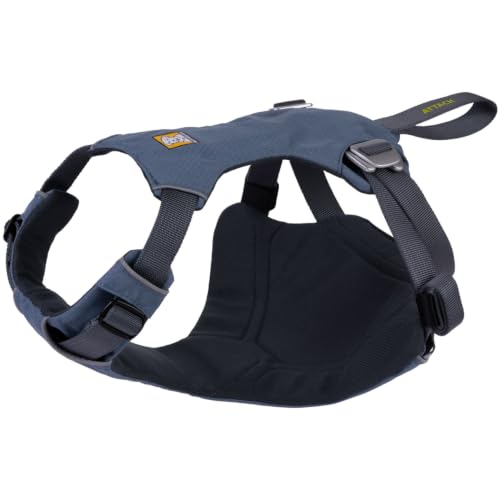
Kurgo Impact Dog car harness
The Kurgo Impact Dog Car Harness costs $78.95. Kurgo says it is recommended as a car travel safety harness only, lists sizes from Small to X-Large, and says the size chart covers dogs from 10 to 108 pounds. It also uses 4 adjustment points, a single piece of 4,000 pound tubular webbing, and a seatbelt system that is fully integrated into the vehicle’s seatbelt system.
This is the car-only pick for owners who want a dedicated restraint and do not need the harness to double as a walking piece. The value proposition is straightforward: fewer moving parts, a clearer car focus, and crash-test language tied to simulated dogs up to 108 lbs.
PetSafe 3-in-1 Dog Harness
The PetSafe 3-in-1 Dog Harness is the most flexible choice here. Available information lists 4 sizes for chests from 13 to 42.5 inches, 5 points of adjustment, front and back clips, a car-rides strap, and reflective stitching. Business Insider also notes two leash clip positions.
This is the best fit for a dog that needs one harness for walks and car rides. The tradeoff is that a dual-use harness asks more of the user: you need to choose the right clip, route the car strap correctly, and accept that it is not as restraint-specific as a dedicated car harness.
Ruffwear Load Up harness
The Ruffwear Load Up Harness is the restraint-first option for owners who value movement control in the car more than day-to-day walking versatility. It is widely discussed as a crash-tested car harness, and its design focus is limiting motion rather than acting like a general walking harness.
That makes it a strong match for larger dogs and more serious vehicle use. The comfort-versus-restraint tradeoff is plain: it should feel secure and stable, but it is not trying to be a casual all-purpose harness.
Picture a 90-lb dog in a crossover SUV with a bench seat. A harness that stays centered and connects cleanly to the seatbelt is a better fit than a soft dual-purpose harness that shifts when the dog turns around. The car type matters because the belt path and seat depth affect how much room the dog has to move.
Are seatbelt loops crash-tested?
Seatbelt loops are not automatically crash-tested just because they exist. Some are simple compatibility features, while others are part of a more integrated restraint system. What matters is whether the loop, strap, and buckle hardware were actually evaluated together under a published test setup.
In practice, that means you should inspect the belt path, confirm how the harness locks into the vehicle, and make sure the connection does not twist or slide when the dog leans forward.
Loop compatibility versus integrated seatbelt systems
A loop-compatible harness accepts a vehicle belt or clip without adding much hardware. An integrated seatbelt system is more specific: the harness is built to work with the vehicle restraint in a defined way, rather than relying on a loose afterthought strap.
Kurgo says the Impact is fully integrated into your vehicle’s seatbelt system. That is different from a harness that simply includes a loop and leaves the rest to generic belt routing.
No extra straps or attachments
Fewer add-ons can mean fewer failure points. Extra straps, carabiners, or adapters can also create routing mistakes if they are clipped to the wrong ring or left too slack.
A good check is simple: the harness should connect to the car in the way the manufacturer intended, without improvised hardware or spare clips that are not part of the tested setup.
What vehicle compatibility to confirm before buying
Confirm whether the harness fits your seatbelt geometry, anchor position, and seat depth. Some vehicles make it easier to route a belt low across the body; others create slack that lets the dog shift too much.
Also confirm whether the harness works on the back seat you actually plan to use. A product can fit the dog and still fail in the car if the belt path sits too high or the connector cannot stay flat.
Choose Kurgo Impact if… / PetSafe 3-in-1 if…
Choose Kurgo Impact if you want a dedicated car harness, prefer a simpler fit, and want published crash-test language tied to simulated dogs up to 108 lbs. It also makes sense if you value a car-only product over a walking hybrid.
Choose PetSafe 3-in-1 if you need one harness for both car rides and walks, want front and back clip options, or need more adjustment points to tune a mixed-purpose fit. It is the better pick for daily use outside the vehicle.
Choose Ruffwear Load Up if your priority is limiting movement in the car and you are willing to give up some walking versatility. It is the strongest fit for restraint-first shoppers who want the dog centered and controlled on the road.
What features should I look for in a car dog harness?
Look for crash evidence, a chest design that spreads force, a seatbelt connection that stays flat, and enough adjustment to fit your dog’s body rather than just its weight. Reflective stitching or stripes help in low light, but visibility features do not replace restraint performance.
The best features are the ones that reduce injury risk and fitting error. That means broad load distribution, secure buckles, and a car connection that is simple enough to use correctly every time.
Chest plate and load distribution
A wide chest plate or broad web design helps spread force across the torso instead of concentrating it near the throat. That matters because a narrow strap can dig in under sudden load and raise the risk of bruising or soft-tissue pressure.
For car use, the goal is not to let the dog roam the cabin. It is to let the dog sit or lie down while limiting forward motion.
Back clip versus chest clip
Back clips are usually better for car restraint because they keep the connection centered and away from the neck. Chest clips can help with pulling on walks, but they are not automatically the right setup for vehicle use.
A dual-clip design is useful if the same harness must handle both sidewalk control and car travel. If the harness will stay in the vehicle most of the time, a car-specific layout is often the cleaner choice.
Reflective safety elements
Reflective stitching or stripes help when loading or unloading at dusk. They are a visibility feature, not a crash feature, but they still matter in parking lots and roadside stops.
Business Insider notes reflective stitching on the PetSafe 3-in-1, which makes sense for owners who travel at night or early in the morning.
What is the best dog harness for car safety?
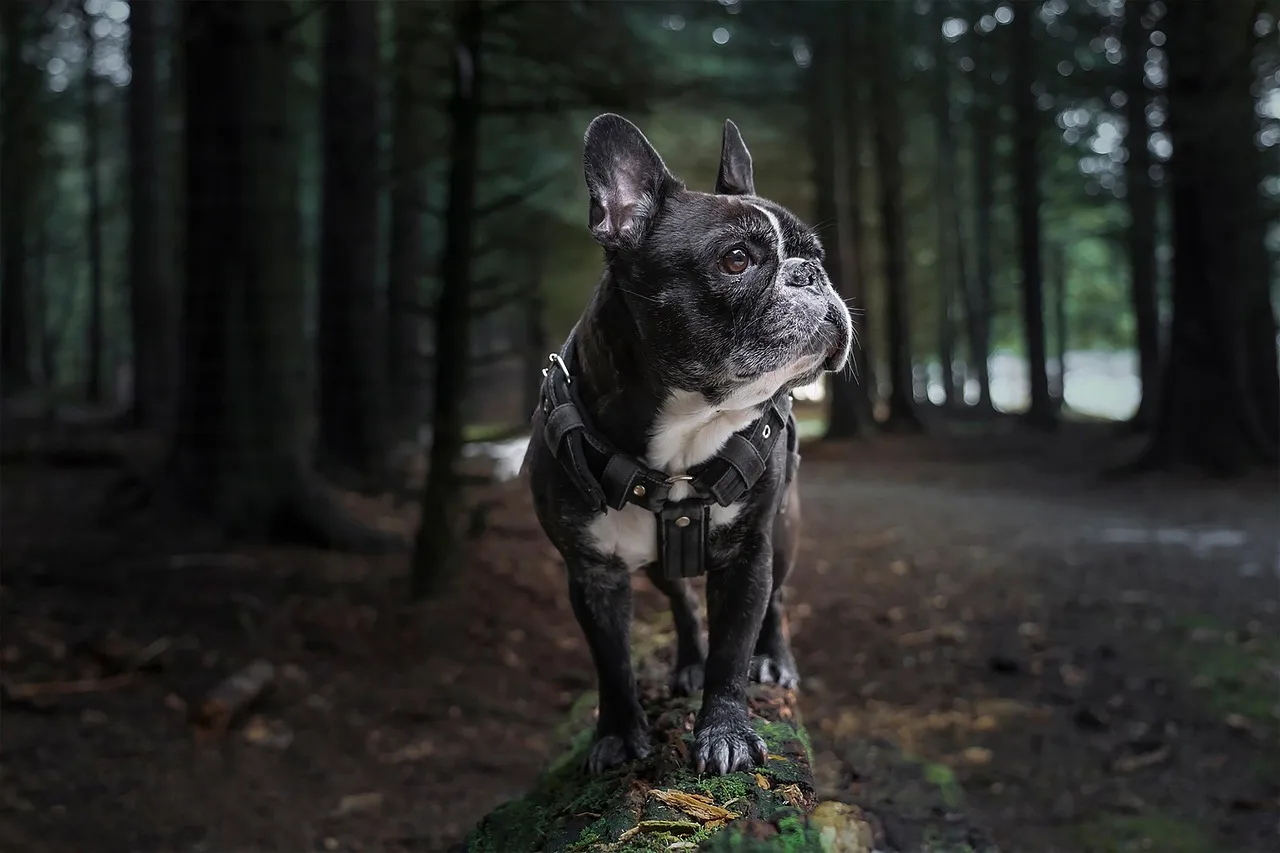
The best answer is a crash-tested harness with published evidence, a secure seatbelt connection, and a chest design that limits movement without pushing force at the neck. Among the three reviewed here, Ruffwear Load Up is the restraint-first choice, Kurgo Impact is the dedicated car-only value pick, and PetSafe 3-in-1 is the hybrid choice.
There is no universal best pick for every dog. Large dogs, nervous riders, and frequent highway travelers need stronger restraint. Calmer dogs on short trips may do fine with a more versatile harness if the fit is correct.
What is the best dog car harness for large dogs?
For large dogs, the best car harness is usually the one with the clearest restraint focus and the least chance of shifting under load. That points first to Ruffwear Load Up and then to Kurgo Impact, which Kurgo says is crash tested with simulated dogs up to 108 lbs.
Large dogs need a harness that distributes pressure well and does not rely on a narrow strap. They also need a vehicle setup that keeps the belt path stable so the harness does not rotate during braking.
Frequently asked questions
What is the safest way to secure a dog in a car?
The safest transport method is a strapped-down crate, according to Whole Dog Journal. If you are choosing a harness instead, select a crash-tested model with a published test report, fit it tightly to the chest, and connect it exactly as the manufacturer specifies. Loose routing weakens the system.
Can I use a walking harness for car travel?
You can, but that does not make it the safest choice. A walking harness may help keep the dog from roaming, yet many are not built or tested to control crash forces. If you use one, make sure the chest fit is secure and the connection is vehicle-specific, not improvised.
How do I choose the right size for a car harness?
Measure the chest circumference first, then compare it with the manufacturer’s range. Weight can guide you, but it cannot replace fit. A proper harness should sit flat, allow enough room for breathing, and stay centered when the dog turns or braces.
Are seatbelt loops on dog harnesses crash-tested?
Not always. Some loops are only compatibility features, while others are part of a tested restraint system. Check whether the brand publishes crash-test evidence, whether the belt path is integrated, and whether the harness was evaluated in the same configuration you will use in the vehicle.
What are the best harnesses for dogs that pull and ride in cars?
A dual-clip harness is often the best fit for that dog. The PetSafe 3-in-1 stands out because it offers front and back clips plus a car-rides strap, so you can use one harness for walking control and vehicle restraint. Just do not treat it as a crash-tested equivalent to a car-only restraint.
Products related to this article
Sponsored / affiliate links. As an Amazon Associate I earn from qualifying purchases. I may earn additional commission from eligible campaigns.