3 Best Roof Cargo Boxes for Cars (2026): Research Shows
The Kamei husky 510 is the best overall roof cargo box here because it pairs 510L of space with a 75kg maximum loading capacity, dual-side opening, and a shape that leaves more roof room than a wider box. A poor fit can raise fuel use, block hatch clearance, and turn loading into a two-person job.
Quick comparison
| Product | Badge | Best for | Price | ||
|---|---|---|---|---|---|
 |
Yakima SkyBox NX Skinny Roof Cargo Carrier, 12 Cu Ft, SKSYakima | Our pick | $798.95
Price as of 21 Oct 2026
|
View | |
 |
Rhino-Rack Vortex Bar 49" Single Bar Aerodynamic Roof RackRhino Rack | Also great | $106.53
Price as of 21 Oct 2026
|
View | |
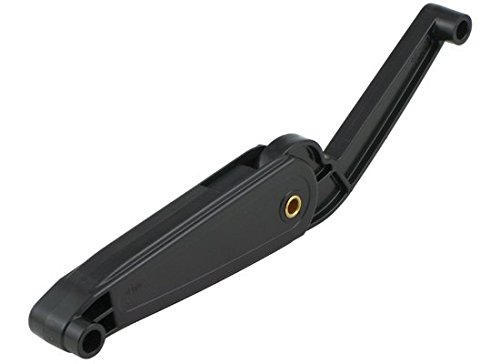 |
Thule Car Roof Box Replacement Lid LifterThule | Also great | $30.95
Price as of 21 Oct 2026
|
View |
This ranking gives more weight to install ease, roof-space fit, and packing usefulness than to raw volume alone. Capacity matters, but so do opening side, bar spacing, and whether the box steals space from skis, bikes, or a rear hatch.
How we chose
The three picks were weighed on five practical points: install complexity, crossbar and roof fit, access from the side of the vehicle, lock confidence, and how the box shape changes real trip packing. The goal is not the biggest number on the spec sheet. It is the box that fits your roof and your use case.
Hard-shell rooftop cargo boxes mount to roof bars or crossbars. Most also use a single-side or dual-side opening design, and their stated load limits often sit around 50 kg to 75 kg. Those numbers only matter if your vehicle roof limit and bar spacing can support the box you want.
Capacity in liters or cubic feet does not map neatly to suitcase count. A tall duffel packs differently from a hardshell carry-on, and a box with a long, narrow shell may take skis better than a short, wide one even when the published volume looks lower.
Roof box fit matrix
| Box | Install complexity | One-person loading ease | Usable opening width | Roof-space footprint | Locking confidence | Wrong choice if… |
|---|---|---|---|---|---|---|
| Kamei husky 510 | Moderate | Good | Wide, because it opens from both sides | Narrow enough to leave room for other gear | Strong, with central locking system | You need the cheapest box or a very short shell for a tiny car |
| Hapro roady 350 | Low to moderate | Fair | Limited to one side | Medium-width design | Solid, but simpler with a single rear-mounted lock | You need frequent curbside access or the biggest opening possible |
| Halfords 320l grey roof box | Low to moderate | Fair to good | Single-side opening only | Full-width shape uses more roof real estate | Adequate for value use, but less flexible than dual-side boxes | You need to carry other roof gear at the same time |
Kamei husky 510: best for mixed loads
The Kamei husky 510 is the best fit for mixed family luggage, ski bags, and awkwardly shaped cargo because its 510L capacity and 75kg maximum loading capacity give it room without forcing a bulky roof footprint. The narrow shape matters when you also need space for roof bars, ski carriers, or a second accessory.
Dual-side opening is the practical advantage here. It reduces the penalty of tight parking spaces and makes loading less awkward on tall vehicles, where reaching the far side of the box can be frustrating. The central locking system also gives it a more confidence-inspiring closure setup than a basic one-lock design.
The tradeoff is size. A box this large needs careful checking against hatch clearance and garage height, and it is not the best answer for a smaller car that only needs weekend luggage. If your trips are usually two carry-ons and a couple of soft bags, this is more box than you need.
Why the 510L shape matters
Five hundred ten liters sounds simple until you try to pack real luggage. That volume can fit a strong family trip load, but actual usable space depends on shell depth, lid curve, and the shape of the items you pack. Long, narrow cargo often uses the box better than bulky hard cases.
Because it is narrow enough to share roof space, the husky 510 makes more sense than a wider box when you need room for skis or other roof gear. That is the key difference between volume on paper and trip use in practice.
Dual-side opening and central locking
Dual-side opening is worth paying for when the vehicle sits close to a curb, the driveway is tight, or the driver is shorter and loading from one side is awkward. It also helps when parking leaves only one side fully accessible.
The central locking system is part of the appeal because box security is not only about a key. A well-designed latch path reduces the chance of leaving one end not fully seated, which is a common failure mode on cheaper cargo boxes.
When this box is the wrong choice
Skip it if your vehicle has a low roof limit, short crossbar spread, or limited garage clearance. Also skip it if your trips are light and your roof is already carrying bikes or a kayak rack. A large box can crowd the roof into a cluttered setup fast.
Hapro roady 350: best budget pick
The Hapro roady 350 is the value pick because its 300L capacity and 50kg maximum loading capacity cover common trip luggage without pushing you into a premium price tier. Its medium-width design is easier to fit on smaller cars than a bigger family box, and the simpler format keeps the buying decision straightforward.
The single rear-mounted lock is the main compromise. It is simpler than a dual-side system and means you will want to be more deliberate about closure checks, especially in poor light or in a busy parking lot. That simplicity is part of the budget appeal, but it is also the weak point.
Its size also limits packing flexibility. Three hundred liters can work for a couple’s road trip or a lighter family load, but it is not the box for bulky sports bags, multiple hard cases, or a long ski trip with lots of loose gear.
What the 300L size can carry
Three hundred liters is enough for practical luggage, but not endless packing freedom. Think in terms of a few medium bags, smaller duffels, and items that stack well. A family of four with hard-shell suitcases will reach the limit faster than a pair of travelers with soft bags.
That is why capacity figures should be read with caution. The same 300L can feel generous with soft gear and cramped with boxy luggage. Roof box shape matters as much as the number on the label.
Single rear-mounted lock and medium width
A rear-mounted lock is easy to understand and usually quick to operate. The downside is less convenience when one side of the vehicle is blocked. You have to plan where you park, because access is less flexible than with dual-side opening.
The medium-width design helps it fit more cars without crowding the roof, which is useful if your vehicle has a shorter crossbar spread. It is a sensible middle ground for drivers who care more about value than maximum ease.
Where the value tradeoffs show up
The tradeoff shows up in curbside loading, not on a spec sheet. If you often load in busy streets, hotel drop-off lanes, or angled parking spots, a single-side box is more awkward. If you mostly load in a driveway, the compromise is easier to accept.
Halfords 320l grey roof box: best for value packing
The Halfords 320l grey roof box is the value-packing choice because its 320L capacity slightly improves usable room over the Hapro while staying in the 50kg class. Its full-width shape is useful when you want a broader load floor for odd-shaped bags and weekend gear.
Its single-side opening is the main limitation. That is manageable on a sedan or wagon with easy access, but it becomes annoying on taller SUVs or when you park close to another vehicle. The box is useful, but not especially flexible.
Because it uses more roof width, it can be a poor match if you also want to carry bikes, skis, or another accessory. Full-width boxes consume the roof more aggressively than narrow shells, and that can matter more than a small difference in liters.
Full-width shape and 320L capacity
The 320L figure gives it a slight edge in space over the 300L Hapro roady 350, but the shape is the bigger story. A wider shell can be easier for bulky bags that do not stack neatly. That helps on family trips where luggage is a mix of hard cases and soft gear.
It is still not a universal fit. Full width can interfere with other roof accessories and can make the car look and feel taller than expected once mounted.
Single-side opening and 50kg limit
Single-side opening is fine if the car is parked where that side is always available. It is less useful for curbside loading, and it makes one-person packing more awkward when you need to reach the far side of the shell.
The 50kg maximum loading capacity is in line with many budget boxes, but it should never be confused with the car roof limit. The vehicle roof, bars, and box all have to agree. The lowest limit wins.
When a full-width box is a bad fit
Choose a narrower box if you already carry bikes, a kayak, or ski racks. A full-width shell can leave too little bar space for a second accessory, and it can create clearance headaches with garage doors and parking structures.
Will it fit your roof bars?
Fit starts with the bars, not the box. Most rooftop cargo boxes need roof bars or crossbars, and compatibility changes with vehicle roof type, bar spacing, and mounting hardware. A box can be a good value and still be the wrong fit if the bars are too close together or the roof style is incompatible.
Crossbar spread and mounting hardware
Measure the spread between your crossbars before buying. Too little spread can leave the box unstable or make the clamps land in the wrong place. Too much spread can push the lid or mounting points into a bad position, especially on shorter boxes.
Also check the clamp style. Some boxes are easier to center and tighten than others, and adjustable bar clasps can save time. The point is to match the box to the bars you already have, not to hope the hardware sorts it out later.
Roof type limits and clearance checks
Factory rails, fixed points, raised rails, and bare roofs do not behave the same way. Some need different crossbar systems before a cargo box can even mount. That means the vehicle roof type matters as much as the box itself.
Then check garage clearance and parking height. A large hard-shell box can be a simple answer on the road and a problem in the driveway if the finished height exceeds your normal clearance.
What to measure before buying
- Crossbar spacing.
- Roof type and mounting system.
- Available hatch clearance with the rear hatch open.
- Garage or parking height where the car sits most often.
- Whether you need room for bikes, skis, or a kayak rack at the same time.
Say your SUV already carries a bike rack half the year. A wide box that looks perfect on paper can leave no usable bar space for the bike mount, which turns one purchase into a roof-layout problem.
Are dual-side roof boxes worth it?
For many drivers, yes. Dual-side opening is worth paying for if you often park on one side of the curb, load in tight spaces, or use a taller vehicle where leaning over the roof is awkward. It is less essential if you always load in a driveway with space on both sides.
Curbside loading in parking lots
Dual-side access is a real advantage in crowded lots. If one side is blocked, the other side still gives you a workable opening. That matters more than people expect until the first rainy hotel drop-off or airport pickup day.
Access on tall vehicles
On taller SUVs and crossovers, reaching into a single-side box can become a stretch. Opening from either side reduces the awkward reach and usually makes it easier to place and remove bags without dragging them across the shell.
Who can skip dual-side opening?
If you drive a sedan, park in your own driveway, and load the box only a few times a year, a single-side design may be enough. You can save money and still get weather-resistant storage, as long as you are willing to live with the access limit.
How much weight can a roof cargo box hold?
Most hard-shell boxes sit in the 50kg to 75kg load class, but that figure is only one part of the answer. The box limit, the crossbar limit, and the vehicle roof limit all matter. You must respect the lowest rating, not the highest number printed anywhere on the setup.
Do not mix up box load limit and roof limit
The box may say 75kg, but your roof system may allow less. That is where overloading risks begin: latch strain, shell flex, and added stress on the bars. Overfill a box and the closure can stop feeling secure even before anything obvious fails.
How packing changes the real limit
Light but bulky items can use up space before they hit weight limits. Heavy dense gear can hit weight limits quickly while leaving empty space. A box loaded with ski boots, tools, or other dense items needs more care than one full of soft jackets and duffels.
How do roof boxes affect fuel economy and wind noise?
Roof boxes usually increase drag, so fuel economy and wind noise both take a hit. The size and shape of the box matter, and a taller, wider shell generally has more effect than a shorter, narrower one. The change is most noticeable on highway runs, where airflow is constant.
Aerodynamics in practical terms
The most aerodynamic roof cargo box is usually the one that sits lower, matches the car’s roof line better, and does not overhang the windscreen area more than necessary. That does not mean small is always best. It means shape and placement matter as much as raw volume.
Noise and storage tradeoffs
A quieter box is one that is mounted correctly and kept within the roof’s size limits. Rattles often come from poor clamp tension or a box sitting too far forward. If the box is large, expect some noise. If it is improperly fitted, expect more.
Which one should you buy?
Buy the Kamei husky 510 if you take family road trips, carry mixed luggage, or want room for other roof gear. Buy the Hapro roady 350 if you want the lowest-cost path into a hard-shell box and you can live with single-side access. Buy the Halfords 320l grey roof box if you want a value-focused full-width shell and your roof has enough space for it.
If you travel often, a premium box with better access and locking is easier to live with. If you travel only a few times a year, a simpler budget box may be enough. If you already carry bikes or skis, pick the narrowest box that still fits your luggage, because roof space disappears faster than capacity numbers suggest.
A common first-timer mistake is choosing a roof cargo box by storage size alone instead of checking mount compatibility and roof clearance. Suppose your car can technically fit a large shell, but you also need ski racks in winter. A wide box can crowd the bars so much that the “larger” choice becomes less useful than a narrower model with more mounting room.
For used boxes, inspect hinges, latch action, lock operation, and clamp hardware before buying. Premium boxes make the most sense for frequent travel and year-round use. Budget boxes make sense for occasional trips. Used boxes only make sense if the shell, seals, and mounting parts are complete and the fit is confirmed first.
Frequently asked questions
What are the best roof cargo boxes for cars?
The best roof cargo boxes for cars are the ones that fit your roof bars, leave enough hatch clearance, and match your trip style. For this ranking, the Kamei husky 510 is the best overall because it combines large capacity with dual-side access and a narrower shape than many big boxes.
How do I choose the right roof cargo box size for my car?
Choose size by measuring crossbar spread, roof length, and clearance first, then match capacity to your luggage. Do not buy by liters alone. A shorter, wider box may suit bulky bags, while a narrow, longer box can be better if you need to keep space for skis or another roof accessory.
Are dual-side opening roof boxes worth it?
Yes, if you load in tight parking spots, drive a tall vehicle, or want easier access from either side. They are less necessary for drivers who always park in a driveway with open access on both sides. The convenience premium is easiest to justify on frequent trips.
Will a roof cargo box fit with my roof bars?
Maybe, but only after checking crossbar spread, bar style, and your vehicle’s roof type. Some roofs need specific crossbars before any box can mount safely. The fit is not universal, so verify mounting hardware and clearance before you buy, especially if your roof already carries another accessory.
Do roof cargo boxes protect luggage from rain?
Hard-shell boxes protect luggage from weather better than soft bags, but they are not all equally sealed. Closure quality, gasket condition, and latch engagement matter. You should still pack sensitive items in bags inside the box if you want extra protection against moisture.
Products related to this article
Sponsored / affiliate links. As an Amazon Associate I earn from qualifying purchases. I may earn additional commission from eligible campaigns.