Electronic Deer Whistle for Car: What It Is and Does It Work
An electronic deer whistle for a car is a battery- or 12-volt-powered device that emits a constant warning tone regardless of speed – unlike the far more common passive air-activated whistles, which only make sound once wind rushes through them above roughly 30-40 mph.
Most products sold under the generic name “deer whistle” are actually the passive, air-activated kind – small plastic tubes that stick to a bumper with adhesive tape and only work at highway speed. A genuinely electronic deer whistle is a different, less common product: it plugs into your car’s 12-volt outlet or wires to the electrical system, so it can produce sound at any speed, including in city or stop-and-go traffic.
Before you buy one, it’s worth knowing what the research says about whether any deer whistle – electronic or air-activated – actually changes deer behavior. We cover that honestly below, along with how electronic units differ from the adhesive kind and how to install one.
Quick Answer
An electronic deer whistle is powered (usually through a 12-volt car outlet), so it emits a tone at any speed – unlike passive air-activated whistles, which only work above 30-40 mph. Neither type has been shown in controlled field studies to reduce deer-vehicle collisions, so treat either as a minor extra, not a substitute for slowing down and staying alert in deer country.

What Makes a Deer Whistle “Electronic”?
The word “electronic” gets used loosely in deer whistle marketing. Many adhesive, air-activated whistles are labeled “ultrasonic” or even “electronic” on the packaging, even though they contain no battery, no wiring, and no power source at all – they’re just a shaped plastic tube that whistles when wind passes through it at speed. A genuinely electronic deer whistle is a separate category: it draws power from your vehicle, usually through a cigarette-lighter-style 12-volt adapter, and produces a tone continuously or on demand, independent of how fast you’re driving.
| Feature | Air-Activated Whistle | Electronic (Powered) Whistle |
|---|---|---|
| Power source | None – relies on wind | Car’s 12V outlet or wiring |
| Works below 30-40 mph? | No – needs airflow to activate | Yes – not speed-dependent |
| Installation | Adhesive tape, no tools | Plug-in adapter or basic wiring |
| Typical price | $8-$15 for a multi-pack | $40-$60 for a single unit |
| Can get blocked by debris? | Yes – mud or bugs can silence it | No – sound isn’t airflow-dependent |
In practice, that means an electronic whistle is the only type that can theoretically produce a warning tone while you’re idling at a stop sign in a deer corridor, or crawling through a rural town at 25 mph – conditions where an air-activated whistle stays completely silent. Whether that constant tone actually changes deer behavior any better is a separate question, covered next.
True Electronic Pick
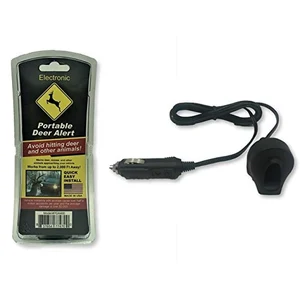 |
Portable Electronic Deer Alert (12V Adapter) – $59.99 One of the few listings that’s genuinely powered rather than a relabeled air-activated whistle – it plugs straight into a 12-volt outlet.
|
Do Electronic Deer Whistles Actually Work Better Than Air-Activated Ones?
Being speed-independent is a real, mechanical advantage – but it is not the same thing as proof that deer respond to the sound. The controlled field research on deer whistles, including trials from university wildlife programs, has focused mostly on the far more common air-activated whistles and found no measurable reduction in deer-vehicle collisions. We break that research down in full, including the frequency-mismatch problem (deer hear best around 2-8 kHz, not the 16-20 kHz many whistles claim to use), in our deep dive on whether deer whistles for cars actually work.
No independent study we could find has separately tested electronic, always-on whistles against that same benchmark. That absence of evidence isn’t proof they work, either – it just means the “always on, any speed” advantage is a real engineering difference, not a demonstrated safety benefit. The same frequency-mismatch and unpredictable-deer-behavior concerns that undercut air-activated whistles would apply just as much to a powered unit that produces the same type of tone.
The honest takeaway: an electronic whistle removes one limitation (the speed threshold) but doesn’t remove the bigger, unresolved question of whether deer reliably react to any whistle’s sound at all. If a whistle in either category makes you feel safer and less alert in known deer areas, that false confidence is a bigger risk than any whistle could offset.
How to Install an Electronic Deer Whistle
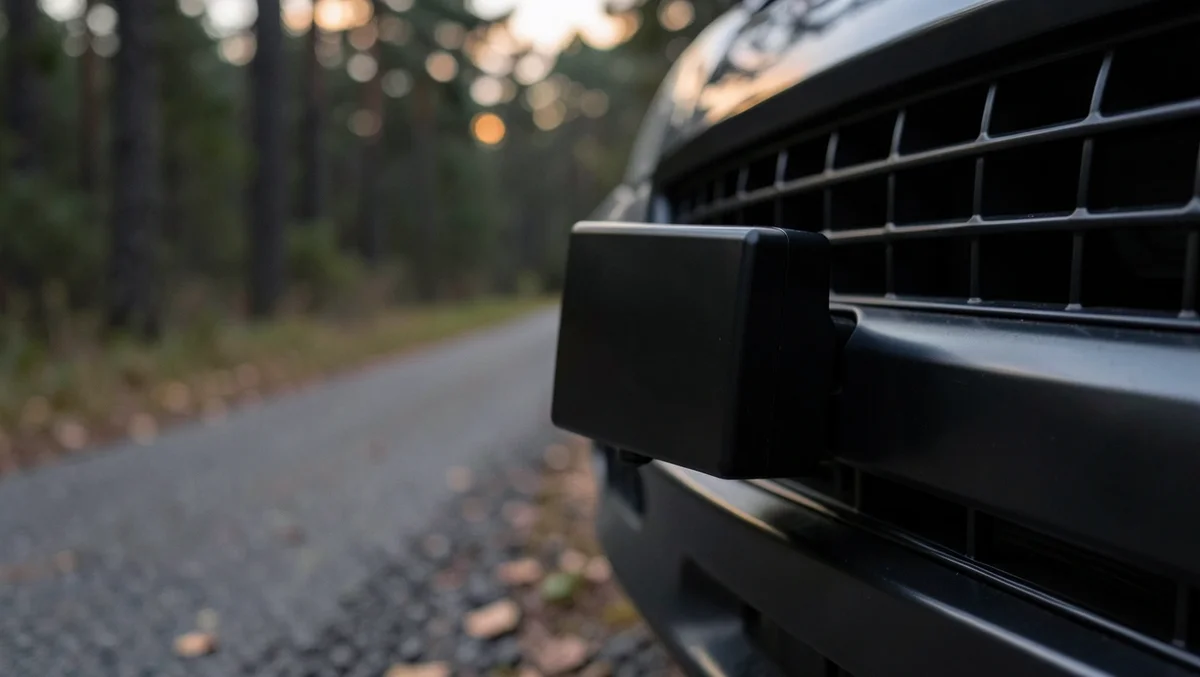
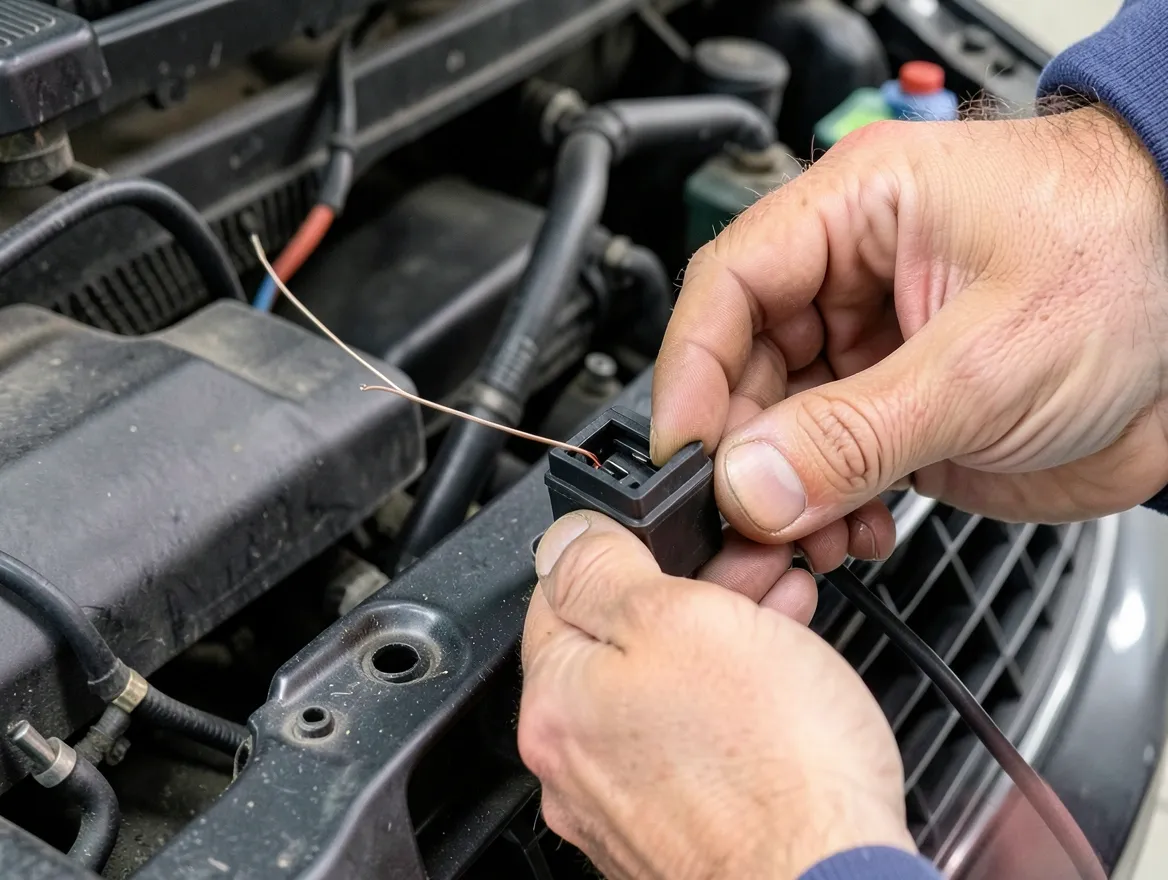
Installation is different from the adhesive-and-done process used for air-activated whistles. A plug-in electronic unit like the one above simply connects to your car’s 12-volt accessory outlet, with the speaker or emitter positioned near the front of the vehicle, often tucked behind the grille or bumper for weather protection. A hardwired electronic whistle instead taps into a switched power source in the engine bay, which is closer to a small aftermarket accessory install than a sticker-on job.
If you decide to go with a passive air-activated whistle instead – the cheaper and far more common option – placement and orientation genuinely matter, since the whistle only makes sound when air enters it correctly at speed. Our guide on which way deer whistles should face on your car covers that orientation in detail, and our general step-by-step deer whistle installation guide walks through mounting either type on the bumper or grille.
What Actually Helps Prevent Deer-Vehicle Collisions
Whistles of any kind are a minor extra at best. The measures with real evidence behind them are driving habits and vehicle technology: slowing down in known deer corridors, scanning the roadsides at dawn and dusk when deer are most likely to dart into the road, using high beams when it’s safe to do so, and braking in a straight line rather than swerving if a collision looks unavoidable. Many newer vehicles also include forward collision warning and automatic emergency braking that can detect large animals and brake automatically – a documented benefit that no whistle currently has.
For the full comparison of which deer-avoidance methods actually have evidence behind them, see the research breakdown in our deer whistle effectiveness guide.
Frequently Asked Questions
What Is an Electronic Deer Whistle?
An electronic deer whistle is a powered device, usually plugged into a car’s 12-volt outlet or wired into the electrical system, that emits a warning tone meant to alert deer near the road. Unlike the more common air-activated whistle, it doesn’t need airflow to work, so it can produce sound at any speed, including while idling or driving slowly.
Is an Electronic Deer Whistle Better Than an Air-Activated One?
It’s mechanically different, not proven to be more effective. An electronic whistle works at any speed, while an air-activated whistle only sounds above roughly 30-40 mph. But no controlled study has tested whether the always-on tone actually changes deer behavior any better – the frequency-mismatch and unpredictable-response issues found in air-activated whistle research would likely apply to electronic units too.
Do Electronic Deer Whistles Work at Low Speeds?
Yes, mechanically – a powered electronic whistle can produce its tone regardless of vehicle speed, since it doesn’t rely on wind moving through it. That’s different from proving the sound deters deer at low speed; no independent research we found has specifically tested that claim.
How Do You Install an Electronic Deer Whistle?
A plug-in electronic whistle connects to your car’s 12-volt accessory outlet, with the emitter mounted near the front of the vehicle. A hardwired version taps into a switched power source under the hood instead. Either way, this is a more involved install than an air-activated whistle, which only needs cleaning the surface and pressing on an adhesive pad.
Is There Any Harm in Using an Electronic Deer Whistle?
The device itself won’t harm your car and costs little to run off a 12-volt outlet. As with any deer whistle, the real risk is behavioral: if it makes you feel safer and less alert while driving through deer country, that false confidence can raise your actual collision risk more than the whistle could ever lower it.
Conclusion
An electronic deer whistle is a genuinely different product from the adhesive, air-activated whistles that dominate most “deer whistle” listings – it’s powered, so it works at any speed instead of only above highway speed. That’s a real mechanical advantage, but it isn’t proof that deer react to it any more than they do to a passive whistle. Controlled research on deer whistles overall has found no measurable drop in collisions, so treat an electronic unit as a low-cost extra, not a substitute for slowing down, scanning the road at dawn and dusk, and braking straight if a deer appears.
Products related to this article
Sponsored / affiliate links. As an Amazon Associate I earn from qualifying purchases. I may earn additional commission from eligible campaigns.