Best Primer for a Car Bumper (Metal vs. Plastic Explained)
Rust-Oleum, Dupli-Color, and Custom Shop are three solid picks for priming a car bumper before paint, and each is sandable and formulated to fill minor surface imperfections.
Rust-Oleum’s 2-in-1 Filler & Sandable Primer and Dupli-Color’s Perfect Match Scratch Filler Primer are both built for metal, wood, and fiberglass panels. The Custom Shop pick below is the one of the three rated for flexible plastic, which matters because most modern bumper covers are plastic, not metal. Below is what each product does best, plus how to tell which one your bumper actually needs.
Rust-oleum Stops Rust Automotive 2-in-1 Filler & Sandable Primer Spray
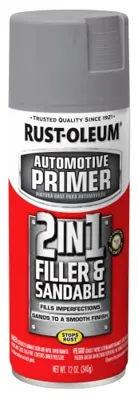
The Rust-Oleum 260510 Stops Rust Automotive 2-in-1 Filler & Sandable Primer Spray is built for automotive enthusiasts and DIYers looking to get a smooth, paint-ready surface on metal, wood, and fiberglass bumper brackets and body panels. It is not marketed for plastic, so save it for the metal reinforcement bar behind the bumper cover or for a fiberglass bumper rather than a bare plastic cover.
Pros:
- Versatile use for both filling and priming
- Easy application with spray nozzle
- Fast drying formula saves time
- Improves paint adhesion for a lasting finish
Cons:
- Limited color options available
- Not rated for plastic bumper covers
This primer combines filler and primer in one spray, so it fills minor scratches, dings, and pinholes and leaves a smooth surface before painting. The sandable formula is easy to work down to a flat finish, which matters for a professional-looking result once the color coat goes on.
It also dries fast enough to move through a repair in one session, and the improved paint adhesion helps the top coat bond to the primed surface instead of chipping or peeling later.
To buy this product, click here.
Dupli-color Ebpr00310 Gray Perfect Match Scratch Filler Primer
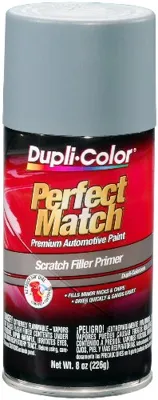
The Dupli-Color EBPR00310 Gray Perfect Match Scratch Filler Primer is ideal for DIY enthusiasts and professional auto body workers who need a reliable primer that can fill scratches and level a panel before sanding and painting.
Pros:
- Easy to use aerosol spray for convenient application
- Quick drying formula saves time
- Adjustable 360-degree nozzle for a wide, even spray pattern
- Provides a smooth and even base for painting
Cons:
- Limited to gray color, which may not suit all needs
- Best suited to chipped or scratched paint rather than bare plastic
This primer dries quickly, which helps when you are working on a tight schedule. Its aerosol spray design and adjustable nozzle give even coverage without extra tools, which makes it a convenient choice for both professionals and first-time DIYers.
It also creates a smooth, even base that is essential for a good paint finish. By filling scratches and small imperfections, it helps the final color coat adhere better and last longer. It is only sold in gray, but that neutral tone works as a base under nearly any topcoat color.
To buy this product, click here.
Custom Shop 1K High Build Primer Spray Paint, Gray
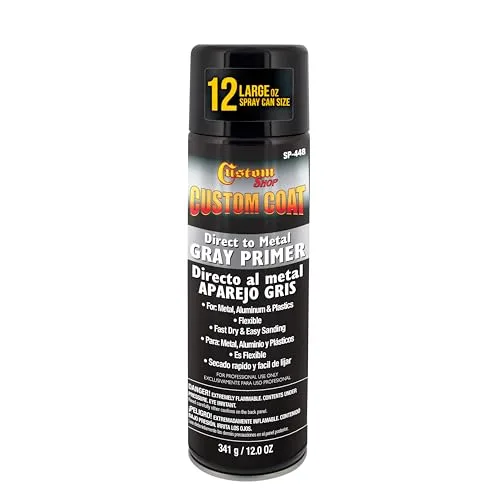
This direct-to-metal, high-build primer bonds to steel, aluminum, and fiberglass, and, notably, SMC and urethane-painted plastic surfaces. It is the pick in this lineup built for flexible substrates, which makes it a safer default if you are not sure whether your bumper cover is metal or plastic.
Pros:
- Rated for flexible plastic as well as metal and fiberglass
- High-build formula fills minor imperfections in one pass
- Fast drying and easy to sand
- Wide fan-pattern nozzle for even coverage
Cons:
- Only available in gray
- Direct-to-metal use requires no primer coat, but bare plastic still benefits from an adhesion promoter first
Because it is formulated to adhere to flexible or rigid substrates, this primer is less likely to crack at the flex points on a plastic bumper cover than a rigid metal-only primer. It still sands down to a smooth, paintable surface and is compatible with most refinish topcoats, so it slots into the same prep routine as the other two products above.
To buy this product, click here.
Metal Bumper Brackets vs. Plastic Bumper Covers: Why Primer Choice Matters
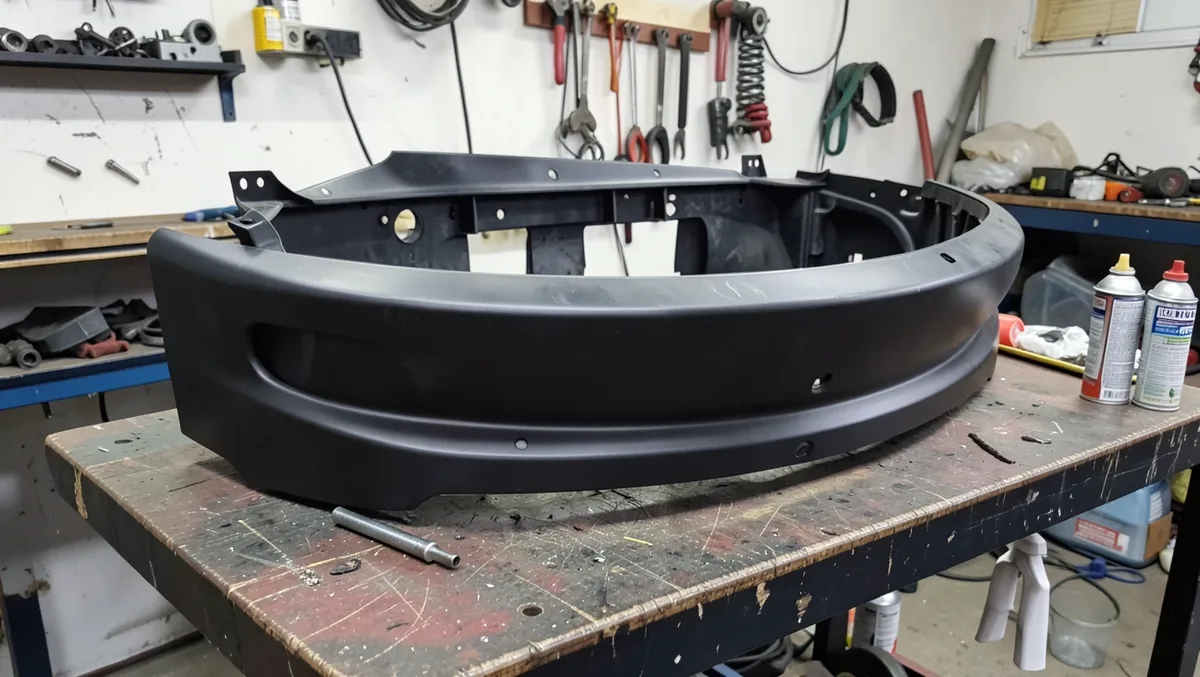
The bumper on most cars built in the last three decades is really two parts: a steel or aluminum reinforcement bar that absorbs impact, and a plastic bumper cover (usually TPO or polypropylene) bolted over it for shape and styling. That distinction matters for primer choice. A rigid, metal-only primer like the first two products above can crack or peel at the flex points on a plastic cover once it heats up in the sun and contracts overnight, because the primer film does not move the way the plastic does.
If you are priming a plastic bumper cover, look for a primer rated for flexible substrates, like the Custom Shop pick above, or add a plastic adhesion promoter before priming bare, unpainted plastic. For the full step-by-step process, including where an adhesion promoter fits into the repair, see our plastic bumper flex primer guide. If you are working on a metal panel or bracket instead, any of the three primers above will do the job without an extra step.
Frequently Asked Questions
How Do Rust-Oleum And Dupli-Color Primers Compare?
Rust-Oleum and Dupli-Color primers both offer good adhesion and protection on metal, wood, and fiberglass surfaces. Rust-Oleum is a 2-in-1 filler and sandable primer, ideal for rust prevention. Dupli-Color is a scratch filler primer that matches automotive paint. Neither is rated for plastic bumper covers.
Does The Custom Shop Primer Work On Plastic Bumpers?
Yes, this primer is rated to bond to flexible or rigid substrates, including SMC and urethane-painted plastic, in addition to steel, aluminum, and fiberglass. That makes it the better default of the three if your bumper is a plastic cover rather than a metal panel.
Is Rust-Oleum Primer Easy To Sand?
Yes, it sands down easily to a smooth, flat finish, which improves paint adhesion. Sanding it evenly helps you get a professional-looking topcoat on metal, wood, or fiberglass automotive surfaces.
Can Dupli-Color Primer Fix Scratches?
Yes, it is designed to fill minor surface scratches and level the panel before painting. It blends into automotive paint prep well and works best on chipped or scratched paint rather than bare plastic.
What Surfaces Can The Custom Shop Primer Be Used On?
It is rated for steel, aluminum, and fiberglass, plus SMC and urethane-painted plastic surfaces. It is a direct-to-metal formula, meaning bare metal does not need a separate primer coat, though bare plastic still benefits from an adhesion promoter first.
Do I Need A Flexible Primer For A Plastic Car Bumper?
If the bumper cover itself is plastic, yes. A rigid, metal-only primer can crack at flex points as the plastic expands and contracts with temperature. Use a primer rated for flexible substrates, or add a plastic adhesion promoter before priming bare plastic, to keep the repair from failing later.
Conclusion
Picking the right primer for a car bumper comes down to what the bumper is made of. The Rust-Oleum and Dupli-Color picks above are both easy to use, sandable, and effective on metal, wood, or fiberglass. Custom Shop’s 1K High Build Primer is the one to reach for on a plastic bumper cover, since it is rated for flexible substrates the other two are not.
Match the primer to the material, use an adhesion promoter first on bare plastic, and any of these three will give you a smooth, paint-ready surface that holds up over time.
Products related to this article
Sponsored / affiliate links. As an Amazon Associate I earn from qualifying purchases. I may earn additional commission from eligible campaigns.