Ford F150 Intermittent Starting Problem: Causes & Fixes
Intermittent starting problems in a Ford F150 most often stem from a weak battery, a faulty starter, fuel system issues, or a failing crankshaft position sensor — a cause most guides skip entirely, despite triggering specific OBD codes (P0335/P0339) that make it easy to confirm.
The Ford F150 is a popular truck known for its reliability and performance. However, many owners encounter intermittent starting issues that can be frustrating. These problems may manifest as the engine cranking but not starting, clicking with no crank at all, or occasional failure to turn over.
Below you’ll find the common culprits in order of likelihood, plus the one cause — a failing crankshaft position sensor — that many owners spend months chasing a battery or starter problem before finding.
Quick Answer
Intermittent F150 no-starts are usually a weak battery, failing starter, or fuel system fault — but a failing crankshaft position sensor (OBD codes P0335/P0339) is one of the most commonly overlooked causes. On 2011-2014 5.0L trucks, also check Fuse 27 first — a melted fuel pump fuse mimics a bad sensor.

Common Symptoms
Intermittent starting problems in Ford F150s often manifest as the engine failing to crank or start. Common symptoms include clicking sounds, dimming dashboard lights, or the engine cranking slowly. Identifying these signs early can help prevent further complications and costly repairs.
No Start, Just Clicks
Experiencing a clicking sound with no engine start indicates a potential issue. This sound often comes from the starter motor or solenoid. A weak battery can also cause this problem. Checking the battery’s voltage and connections is essential.
Engine Turns Over But Won’t Start
If the engine cranks but doesn’t start, several factors might be at play. Issues like a failed fuel pump or a clogged fuel filter can prevent fuel delivery. Additionally, malfunctioning fuel injectors may also cause this problem — including a failing crankshaft position sensor, which is often overlooked (see below). Ensure all wiring and connections are secure and free from corrosion.
The Most Overlooked Cause: A Failing Crankshaft Position Sensor
Many F150 owners replace a battery or starter two or three times before finding the real cause: a failing crankshaft position sensor (CKP). This sensor tells the engine computer exactly where the crankshaft is, and when its signal starts dropping in and out — rather than failing completely — the truck can crank fine sometimes and refuse to start other times, which matches “intermittent” far better than a battery or starter ever would.
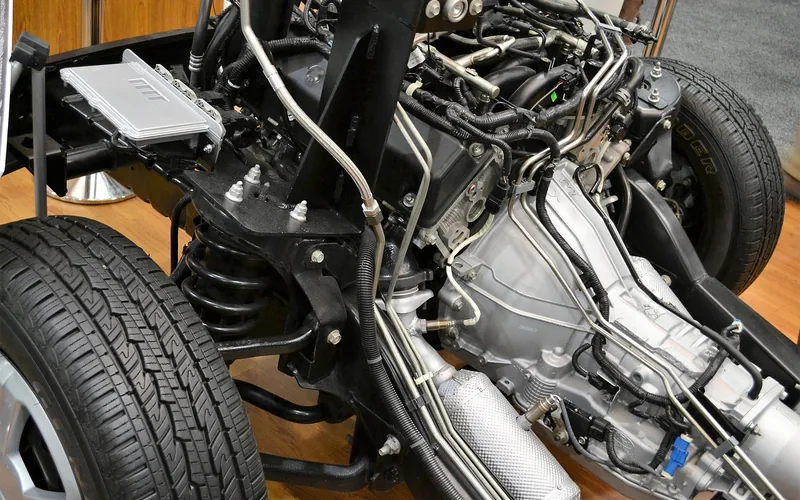
Data Callout: OBD Codes That Point to the Crank Sensor
| P0335 | Crankshaft Position Sensor “A” Circuit — sensor has likely failed |
| P0339 | Crankshaft Position Sensor “A” Circuit Intermittent — signal dropping in and out |
| P0315 | Crankshaft Position System Variation Not Learned — appears if a relearn wasn’t done after a sensor swap |
On 2011-2014 5.0L trucks, check Fuse 27 (fuel pump fuse) first — it’s known to melt and can produce a crank/no-start that looks identical to a bad sensor.
Technicians working on 2011-2014 5.0L trucks have documented a specific fix under a known TSB: rather than replacing the whole crankshaft position sensor, installing a fresh O-ring on the existing sensor resolves the intermittent signal in many cases — a much cheaper repair than a full sensor swap, and worth trying first.
Recommended Diagnostic Tools
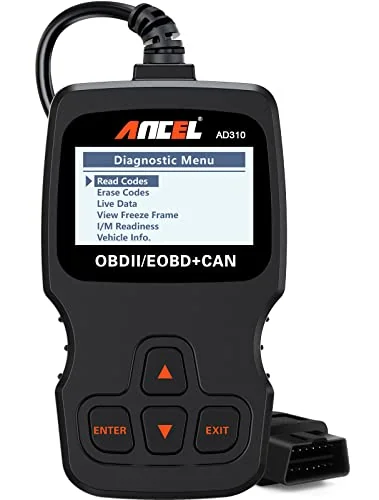
ANCEL AD310 OBD2 Scanner
Our top pick because it’s the only way to actually confirm P0335/P0339 instead of guessing at battery, starter, or sensor.
View Our Pick on Amazon
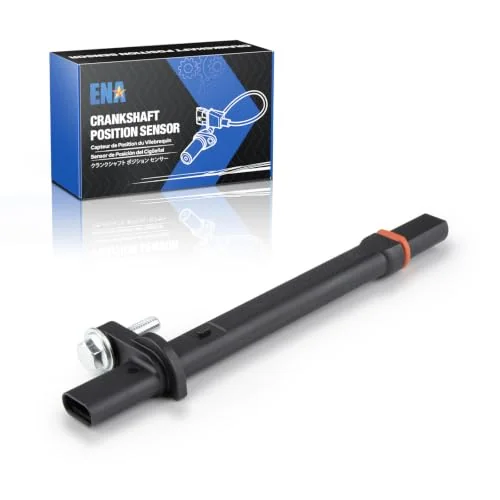 5.0L Crank Sensor (Direct-Fit) Best for: replacing a confirmed-bad sensor on 5.0L F150s. Check on Amazon |
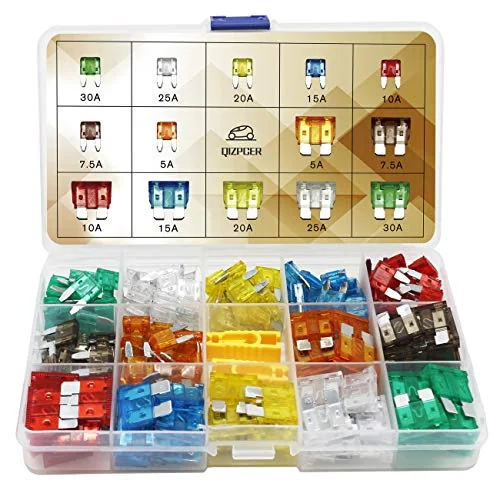 Fuse Assortment Kit Best for: ruling out Fuse 27 before assuming a sensor problem. Check on Amazon |
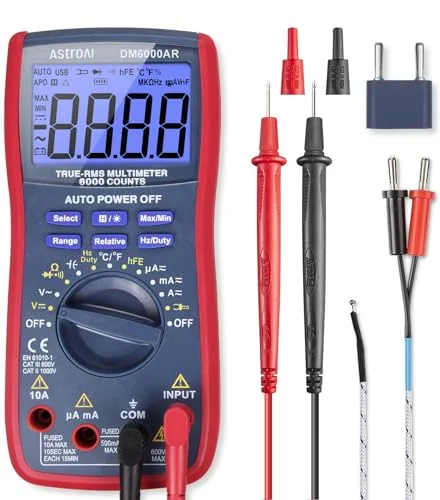 Digital Multimeter Best for: checking battery voltage and connections before chasing the sensor. Check on Amazon |
As an Amazon Associate we earn from qualifying purchases.
Diagnosing The Issue
Start with checking the battery. A weak battery can cause intermittent starting problems. Ensure it is fully charged. If the battery is old, consider replacing it.
Next, inspect the starter and solenoid. A faulty starter may click but fail to engage. Check the wiring and connections for any damage or corrosion. Cleaning or replacing these parts might solve the issue.
Finally, troubleshoot the fuel system. A malfunctioning fuel pump or clogged filter can prevent the engine from starting. Listen for the fuel pump’s sound when turning the key. If absent, further investigation is necessary.
Quick Fixes At Home
Battery maintenance is crucial for your Ford F150. A weak battery can lead to intermittent starting problems. Always ensure the battery is fully charged. Regularly check for corrosion on terminals. Clean any dirt or rust to maintain good connections.
Replacing the starter relay can often solve starting issues. A faulty relay may prevent the starter from getting power. It’s a simple fix that can restore functionality. Always use a relay that matches your vehicle specifications.
Cleaning ground connections is essential too. Rusty or loose connections can disrupt the electrical flow. Make sure to inspect all ground points regularly. Tightening and cleaning these connections can greatly improve reliability.
When To Replace The Battery
Look for dim headlights or interior lights. These can indicate a weak battery. Slow engine cranking is another sign of battery trouble. If the engine struggles to start, the battery may be fading.
Check for corrosion on battery terminals. This can hinder the battery’s performance. A swollen battery case suggests the battery is overcharged or damaged. Lastly, a battery older than three years may need replacement.
Choosing the right battery is crucial. Ensure it matches your vehicle’s specifications. Consider the cold cranking amps (CCA) rating for better performance in cold weather. Look for a warranty period to protect your investment.
Addressing The Fuel System
To resolve the Ford F150 intermittent starting problem, checking the fuel pump is essential. A faulty pump can stop fuel from reaching the engine. Test the pump’s pressure to ensure it meets specifications.
Cleaning the fuel injectors is also crucial. Clogged injectors can disrupt fuel flow. Use a professional cleaner or replace them if necessary. Clean injectors help maintain engine performance.
Don’t forget to replace the fuel filter regularly. A clogged filter can hinder fuel delivery. This simple step can prevent starting issues and prolong engine life.
Electrical System Insights
The solenoid plays a crucial role in starting your Ford F150. It sends current from the battery to the starter motor. A malfunction can cause intermittent starting issues. Testing the solenoid is key for diagnosing problems.
Next, check the fuse box, and specifically Fuse 27 on 2011-2014 models — this fuel pump fuse is prone to melting and can cause a crank-but-no-start condition that mimics a bad sensor. Inspect each fuse for damage and replace any that are blown. See our guide on cleaning corroded battery cables if connections nearby look rusty.
Finally, examine the fuel pump driver module. This component is located on the frame near the spare tire. Faulty modules can prevent fuel delivery. Inspect for signs of wear or corrosion and replace if necessary.
Professional Help
Experiencing a Ford F150 intermittent starting problem can be frustrating. Seeking professional help is crucial when issues persist. A mechanic should be consulted if the truck fails to start multiple times or shows electrical faults.
At the auto shop, expect a thorough diagnosis of the starting system. Mechanics will check the battery, starter motor, and fuel system. They may also inspect fuses, connections, and the crankshaft position sensor for corrosion or wear. A detailed report on necessary repairs will be provided, ensuring transparency.
| Service | Description |
|---|---|
| Battery Check | Ensure battery is fully charged and functional. |
| Starter Inspection | Test the starter motor for proper operation. |
| Fuel System Check | Examine fuel delivery components for faults. |
| Crank Sensor Scan | Read OBD codes (P0335/P0339) to check for a failing crankshaft position sensor. |
| Electrical System | Inspect fuses and connections for corrosion. |
Preventing Future Issues
Regular maintenance can help prevent future starting problems with your Ford F150. Regularly check the battery and make sure it is fully charged — see our guide on fixing a weak car battery at home. A weak battery often causes intermittent starting issues. Inspect the fuses and clean any rusted grounds in the fuse box area. This simple step can improve electrical connections.
Additionally, ensure that the fuel filter is clean. A clogged filter can block fuel flow to the engine. Monitor the fuel pump for any signs of failure. A faulty pump can lead to starting difficulties. Schedule routine checks for the starter motor and related components — if your key itself feels like the problem, also check why your key won’t turn in the ignition.
Finally, consider using a diagnostic tool to monitor your F150’s health. Regular diagnostics can catch problems early and save you from costly repairs.
Frequently Asked Questions
Why Is My Ford F-150 Having Trouble Starting?
Your Ford F-150 may struggle to start due to a weak battery, faulty starter, or bad fuel pump. Clogged fuel filters and ignition issues can also contribute. Check connections and fuses for corrosion. Regular maintenance helps prevent these problems. Consider consulting a mechanic for a thorough diagnosis.
How Do I Know If My Starter Is Bad On My F150?
To determine if your F150 starter is bad, listen for clicking sounds when turning the key. A grinding noise or failure to crank also indicates a problem. Check battery connections and voltage. If the engine doesn’t start after these checks, the starter may need replacement.
How Much Does It Cost To Replace A Starter On A 2018 Ford F-150?
Replacing a starter on a 2018 Ford F-150 typically costs between $300 and $600. This price includes parts and labor. Prices may vary based on location and service provider. Always get a detailed quote before proceeding with repairs.
Why Is My Truck Saying Starting System Fault?
A “starting system fault” message often indicates issues with the battery, starter, or fuel system. Check the battery charge, starter connections, and fuel pump for problems. Malfunctioning fuel injectors or a clogged filter can also prevent engine start. Address these components for a potential fix.
Can a Bad Crankshaft Position Sensor Cause Intermittent No-Start?
Yes — this is one of the most overlooked causes. A crankshaft position sensor that’s failing (not fully dead) can produce OBD codes P0335 or P0339 and cause the truck to start fine one moment and refuse to crank the next. On 2011-2014 5.0L trucks, also check Fuse 27 first, since a melted fuel pump fuse can produce identical symptoms.
Conclusion
Intermittent starting problems in your Ford F150 can be frustrating. Identifying the root cause is essential for a reliable fix. Regular maintenance and timely diagnostics can save you time and money. Don’t hesitate to consult a professional if issues persist.
A well-functioning truck ensures a smoother driving experience.
Products related to this article
Sponsored / affiliate links. As an Amazon Associate I earn from qualifying purchases. I may earn additional commission from eligible campaigns.