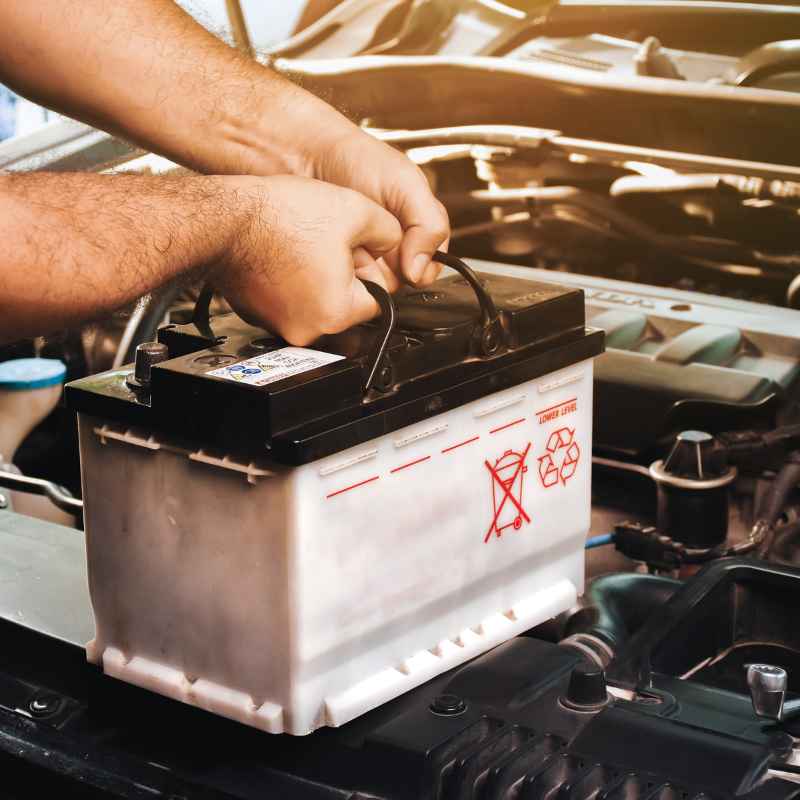
How To Clean Car Battery Cables (Remove Corrosion Fast)
Cleaning car battery cables involves removing white or blue fuzzy buildup, called corrosion, from the terminals and clamps. This process uses simple tools and household items like baking soda and water to restore good electrical connection, preventing starting issues and extending battery life.
What is Car Battery Corrosion?
Car battery corrosion is a common issue. It looks like a white or bluish-green powdery substance. This happens on the metal parts of your battery.
These parts are the terminals and the cable clamps. They connect the battery to the car’s electrical system. Corrosion is caused by gases escaping from the battery.
This gas is usually hydrogen. When it mixes with air and moisture, it creates a chemical reaction. This reaction forms the crusty stuff you see.
This fuzzy stuff is not just ugly. It’s bad for your car. It stops electricity from flowing well.
Think of it like a blanket on the metal. The blanket makes it hard for the power to get through. This can lead to problems.
Your car might not start. The lights might be dim. Other electric parts might not work right.
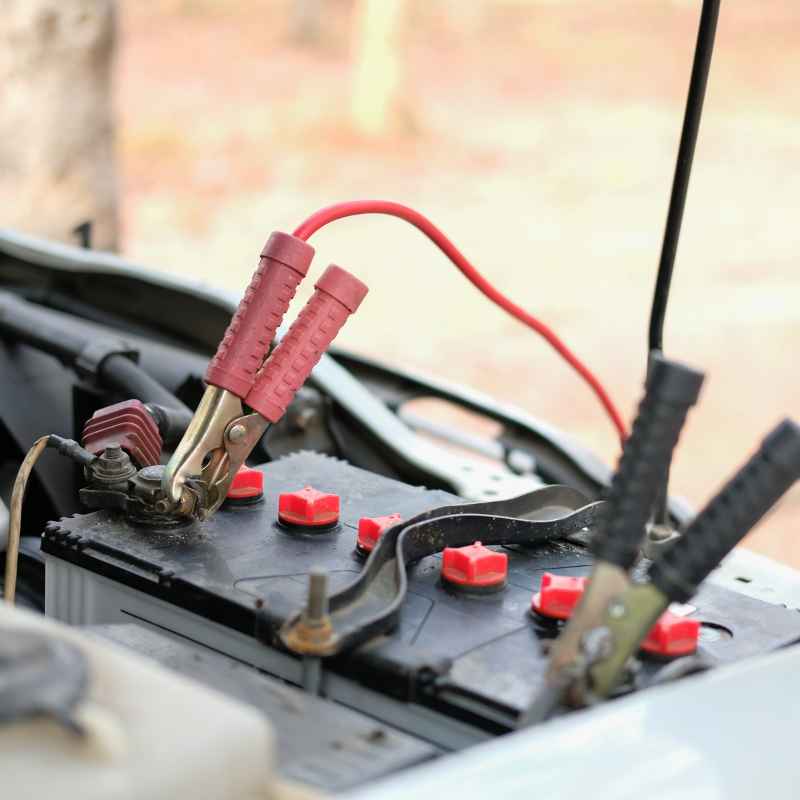
Why Cleaning Battery Cables Matters
Keeping your battery terminals clean is super important. It ensures a strong connection. A strong connection means electricity flows freely.
This is vital for your car. It helps the engine turn over quickly. It powers your headlights.
It runs your radio. It keeps your car’s computer happy.
Corrosion acts like an insulator. It builds up over time. This buildup gets thicker.
It makes the connection weaker and weaker. Eventually, it can be so bad that the car won’t start at all. It’s like trying to talk through a thick wall.
The message (electricity) gets lost or distorted.
Cleaning the corrosion is a simple job. It saves you money. You avoid expensive repairs.
You also prevent the headache of a car that won’t start. It’s a small task with big benefits. Many people miss this step.
They think a battery is just a box. But its connections need care too. It’s part of good car care.
It keeps your ride reliable.
My Own Battery Cable Fiasco
I remember one very cold morning. It was the kind of cold that bites your nose. I had to get to an important meeting.
I turned the key in my car. Nothing happened. Just a weak click.
I tried again. Still nothing. Panic started to set in.
I looked at the battery under the hood. I saw it. That nasty white powder.
It was all over the terminals. It looked like a small snowstorm had hit my battery.
I had completely ignored the battery. I thought it would just work. I was wrong.
The corrosion was blocking the power. I felt so silly. And a little frustrated with myself.
I ended up calling a tow truck. It cost me time and money. Later, I learned how easy it was to clean.
It just took a few minutes. And some simple stuff from my kitchen. I felt a bit foolish.
But I learned a big lesson that day. Always check your battery terminals.
Understanding the Corrosion Build-Up
Let’s talk more about what causes this fuzzy stuff. Batteries contain a liquid called electrolyte. This is a mix of sulfuric acid and water.
Sometimes, tiny amounts of this electrolyte can leak out. Or gases can escape. This often happens when the battery is charging.
Or if it gets very hot. Or if it’s just getting old. These gases can mix with the air.
When these gases meet the metal terminals, they react. This reaction creates sulfates. These sulfates are the powdery white or bluish substance you see.
The longer you leave it, the more it builds up. It forms a thick layer. This layer is not conductive.
It’s like a rubber coating on metal. Electricity needs metal to metal contact. Corrosion stops that.
The type of metal matters too. Battery terminals are usually lead alloy. This metal is soft.
It can react easily with the escaping gases. The clamps that hold the cables to the terminals are often made of the same stuff. Or they can be made of other metals.
But the reaction with battery gases is common.
Corrosion Types at a Glance
White or Gray Powder: This is the most common. It’s usually lead sulfate. It’s the result of battery gassing.
It means the battery is working, but it’s also venting.
Blue or Green Crust: This often means copper or brass parts are reacting. Sometimes, brake fluid can get on terminals. It can cause this color.
It’s also a sign of a bad connection.
Gathering Your Cleaning Supplies
You don’t need fancy tools for this job. Most people have what they need at home. It’s good to have a few things ready.
This makes the cleaning quick and easy.
- Safety First: Always wear safety glasses. Batteries can splash. Wear old gloves too.
- Baking Soda: This is your best friend for cleaning corrosion.
- Water: Plain old tap water works great.
- Small Wire Brush or Stiff Brush: A toothbrush can work for tight spots. A small wire brush is better for tougher buildup.
- Rag or Paper Towels: For wiping and drying.
- Wrench or Pliers: You’ll need these to loosen the cable clamps. Check your car manual for the right size.
- Dielectric Grease or Petroleum Jelly (Optional): This helps prevent future corrosion.
Having everything in one place makes the job much smoother. You can tackle it right away. You won’t be running back and forth.
It’s like prepping for a cooking recipe. Get all your ingredients and tools ready. Then the actual task is simple.
Quick Supply Checklist
Essential:
- Safety Glasses
- Gloves
- Baking Soda
- Water
- Wire Brush
- Rag/Paper Towels
- Wrench/Pliers
Nice to Have:
- Dielectric Grease
- Old Toothbrush
Step-by-Step: Cleaning Your Battery Cables
Now, let’s get down to business. Follow these steps carefully. They are designed to be simple and safe.
Step 1: Safety First!
Before you touch anything, put on your safety glasses. And your gloves. This protects you from acid.
It also keeps your hands clean. Make sure your car is turned off. The parking brake should be on.
You don’t want the car to move.
Step 2: Disconnect the Cables
This is a very important step. You need to disconnect the battery cables. Always disconnect the negative (black) cable first.
It usually has a minus (-) sign. Then, disconnect the positive (red) cable. It has a plus (+) sign.
Use your wrench or pliers. Loosen the nut on the clamp. Then, twist and pull the cable off the battery terminal.
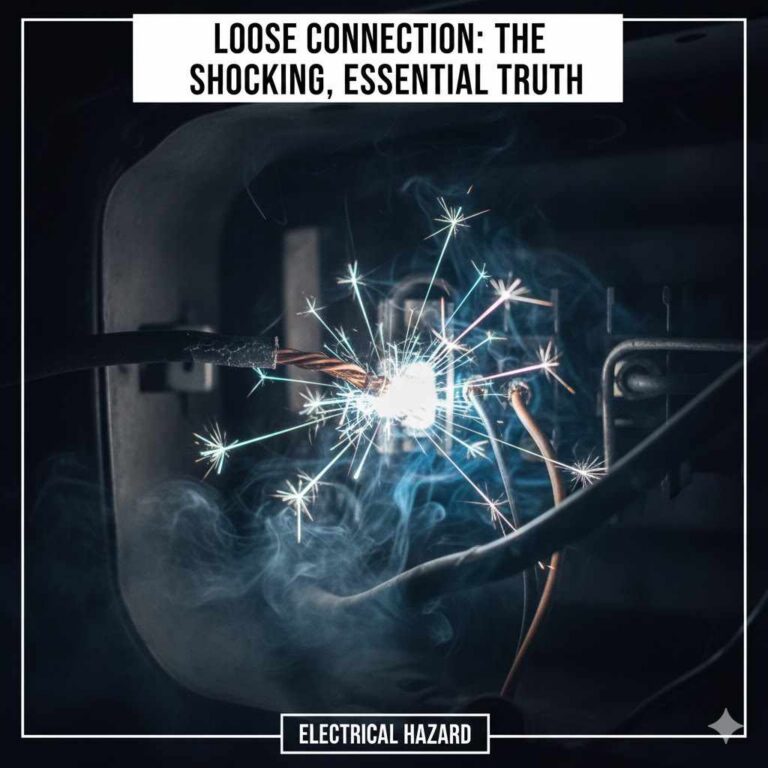
Why this order? Disconnecting the negative first stops sparks. If your wrench touches the car body while on the positive terminal, it won’t spark.
If you did the positive first, and the wrench touched the car body, you could create a dangerous spark. This spark could ignite gases from the battery. So, negative first, then positive.
Always remember that.
Order Matters: Cable Disconnection
Correct Order:
- 1. Negative Cable (Black, -) First: Loosen nut, pull off terminal.
- 2. Positive Cable (Red, +) Second: Loosen nut, pull off terminal.
Incorrect Order:
- Positive first, then Negative. (This is unsafe!)
Step 3: Make a Cleaning Paste
In a small, non-metal container, mix baking soda with water. You want to make a thick paste. It should be like toothpaste.
This paste is great for cutting through the corrosion. The baking soda is a mild alkali. It neutralizes the acid in the corrosion.
You only need a small amount. A tablespoon of baking soda and a little water is usually enough. Mix it well.
Make sure there are no big lumps. This paste will fizz a bit. That’s the baking soda reacting with any leftover acid.
It’s a good sign!
Step 4: Clean the Terminals and Clamps
Now, take your wire brush or stiff brush. Dip it into the baking soda paste. Apply the paste to the battery terminals.
Scrub them well. Get into all the nooks and crannies. Do the same for the inside of the cable clamps.
You want to see clean, shiny metal.
If the corrosion is really thick, you might need to apply the paste and let it sit for a minute or two. Then scrub again. You can also use an old toothbrush for very small or awkward areas.
The goal is to remove all traces of the powdery buildup.
Step 5: Rinse and Dry
Once you’ve scrubbed everything clean, rinse off the baking soda paste. Use a clean rag or paper towels dampened with plain water. Wipe down the terminals and the inside of the clamps.
Make sure all the baking soda residue is gone. You don’t want any paste left behind.
After rinsing, dry everything thoroughly. Use a clean, dry rag or paper towels. It’s very important that the terminals and clamps are completely dry.
Water and battery acid don’t mix well. A dry surface is key for a good connection.
Cleaning Paste Application
Process:
- Mix baking soda and water into a paste.
- Dip brush into paste.
- Scrub battery terminals.
- Scrub inside of cable clamps.
- Rinse with damp cloth.
- Dry thoroughly with clean cloth.
Step 6: Reconnect the Cables
Now it’s time to put it all back together. This is the reverse of how you took them off. Connect the positive (red) cable to the positive terminal first.
Make sure it’s snug. Then, connect the negative (black) cable to the negative terminal. Tighten the nuts securely with your wrench.
You want the clamps to be tight. A loose connection can cause its own problems. But don’t overtighten.
You could damage the terminal or the clamp. Just make sure they are firm and don’t wiggle. You should see bright, clean metal where the cable touches the terminal.
Step 7: Apply Protective Coating (Optional but Recommended)
To help prevent corrosion from coming back, you can apply a protective coating. You can use dielectric grease. Or petroleum jelly (like Vaseline).
Smear a thin layer onto the terminals and inside the clamps. Do this after you have reconnected the cables. This coating creates a barrier.
It stops moisture and air from reaching the metal.
This step is highly recommended. It adds an extra layer of protection. It keeps your connections clean for longer.
It’s a small effort that pays off. You’ll find yourself cleaning less often. And your car will start more reliably.
It’s a bit of preventative magic.
Optional Protection Step
Purpose: Prevent future corrosion build-up.
How-to:
- Apply a thin layer of dielectric grease or petroleum jelly.
- Spread it on the battery terminals.
- Spread it inside the cable clamps.
- Do this after cables are reconnected.
When to Call a Professional
Most of the time, cleaning battery cables is a DIY job. But there are times when you should seek expert help. If you’re not comfortable with car repairs, that’s okay.
There’s no shame in asking for help. It’s better to be safe.
You should call a mechanic if:
- The battery cables are badly damaged or frayed.
- The battery itself looks swollen or cracked.
- You try to clean it, but the problem persists.
- You’re unsure about any step in the process.
- You don’t have the right tools.
A professional mechanic has the experience and tools. They can diagnose bigger issues. They can also replace parts if needed.
Sometimes, the battery might be failing. Or the charging system could have a problem. These are things a mechanic can check easily.
When to Seek Mechanic Help
Signs to Call a Pro:
- Damaged or frayed cables.
- Swollen or cracked battery case.
- Cleaning doesn’t fix the starting issue.
- You feel unsafe or unsure.
- Lack of necessary tools.
Real-World Scenarios Where This Matters
Think about where and when you drive. This affects how often you might see corrosion. Cold weather is a big factor.
Batteries work harder in the cold. They are more prone to leaking gases. This means more potential for corrosion.
If you live in a humid climate, that can also contribute. Moisture in the air speeds up chemical reactions. So, if you’re in Florida or Hawaii, you might see it more often.
Cars that sit for long periods are also at risk. When a car isn’t used, the battery can lose charge. This can lead to gassing.
Also, consider the age of your battery. Most car batteries last 3-5 years. As they age, they aren’t as efficient.
They can start to leak or vent more. So, an older battery is a higher risk for corrosion. It’s a good habit to check your battery regularly.
Especially before winter or long trips.
Factors Contributing to Corrosion
Climate:
- Cold weather (battery works harder).
- Humid environments (moisture speeds reactions).
Usage:
- Cars that sit unused for long periods.
- Frequent short trips where the battery doesn’t fully recharge.
Battery Age:
- Older batteries (3-5+ years) are more prone to issues.
What This Means for You and Your Car
So, what’s the takeaway? Clean battery cables mean a happy car. It means you can start your car when you need it.
It means your lights will be bright. It means your radio will play clearly. It’s about reliability.
It’s about peace of mind.
When is this normal? Seeing a little bit of white dust is somewhat normal over time. It happens to most cars.
What’s NOT normal is a thick, crusty buildup. Or if it’s green or blue. Or if your car starts having trouble starting.
Or if lights flicker. These are signs that the corrosion is causing a problem.
You can do a simple check. Just pop your hood once a month. Look at the battery terminals.
Are they clean? Or do you see any fuzzy stuff? If you see a little, clean it.
If you see a lot, clean it right away. It’s easy to prevent bigger issues.
Corrosion: Normal vs. Concerning
Normal Signs:
- Very light, powdery white dust.
- Occurs slowly over months or years.
- No impact on car performance.
Concerning Signs:
- Thick, crusty buildup.
- Blue or green colored corrosion.
- Car has trouble starting.
- Dimming lights or electrical glitches.
- Corrosion spreading to battery case.
Quick Tips for Battery Cable Care
Here are some quick tips to keep your battery cables in top shape.
- Regular Checks: Make it a habit to look at your battery every few weeks.
- Clean Promptly: Don’t wait for corrosion to build up. Clean it as soon as you see it.
- Use Protection: The dielectric grease or petroleum jelly really helps. Use it!
- Secure Clamps: Make sure the cable clamps are always tight.
- Consider Battery Age: If your battery is over 4 years old, pay extra attention. It might be nearing the end of its life.
These small habits go a long way. They help your battery last longer. They keep your car running smoothly.
It’s all about proactive care. Think of it like brushing your teeth. You do it regularly to avoid cavities.
This is the same for your car battery.
Frequently Asked Questions
Can I just spray water on the corrosion?
No, you should not just spray water. While water is part of the cleaning process, you need something to break down the corrosion. Baking soda mixed with water creates a paste that actively neutralizes the acid.
Simply spraying water might wash away loose powder but won’t effectively remove the crusty buildup. Also, you must disconnect the cables first to avoid short circuits.
What kind of wrench do I need for battery terminals?
Most car battery terminals use either a 10mm or 13mm wrench. Some might use a Phillips or flathead screwdriver. It’s best to check your car’s owner’s manual or simply look at the nuts on your battery cable clamps.
Having a small set of common wrenches or a socket set will cover most vehicles.
Is corrosion bad for my car?
Yes, car battery corrosion is bad for your car. It creates resistance in the electrical system. This means less power gets to where it needs to go.
This can lead to the car not starting, dim lights, or other electrical problems. It can also damage the battery terminals and cables over time.
How often should I clean my car battery cables?
You should clean your car battery cables whenever you see corrosion building up. For most cars, this might be once or twice a year. If you live in a very humid or cold climate, or if your battery is older, you might need to check and clean them more often, perhaps every 3-6 months.
Regular checks are key.
Can I use vinegar instead of baking soda?
Yes, you can use white vinegar to clean battery corrosion. Vinegar is acidic, and it can help break down the alkaline deposits. However, baking soda is generally preferred because it’s alkaline and neutralizes the battery acid, while also acting as a mild abrasive.
If you use vinegar, apply it, let it bubble, then scrub and rinse thoroughly.
What happens if I don’t clean the corrosion?
If you don’t clean the corrosion, it will get worse. The buildup will get thicker. This will lead to poor electrical connections.
Your car might struggle to start. Your lights might flicker. Eventually, the corrosion can become so bad that it completely blocks electricity.
This can leave you stranded. It can also damage the battery terminals and cables, requiring more expensive repairs.
Final Thoughts on Battery Care
Taking care of your car battery cables is simple. It doesn’t take much time. But it makes a big difference.
It keeps your car running strong. It saves you from unexpected problems. Remember the steps: safety first, disconnect, clean, reconnect, and protect.
You’ve got this!
Products related to this article
Sponsored / affiliate links. As an Amazon Associate I earn from qualifying purchases. I may earn additional commission from eligible campaigns.