How To Fix A Car Battery At Home (Quick & Simple Guide)
It’s a moment that can stop your day dead in its tracks. You turn the key, or push the start button, and… nothing. Just a click, or a faint hum.
Your car battery is dead. This is a super common problem, and the feeling of helplessness can be really frustrating, right? You might think you need to call a tow truck or a mechanic immediately.
But often, there are simple things you can do yourself, right at home, to get your car running again. We’re going to break down how to fix a car battery at home, covering common issues and easy steps. No fancy tools or super-technical jargon needed.
We’ll help you understand what might be going on and what you can try first.
Fixing a car battery at home often involves simple checks and cleaning. Common issues include corroded terminals, a loose connection, or a battery that needs a jump start. With basic tools and safety precautions, you can often resolve these problems yourself without needing professional help.
Understanding Your Car Battery
A car battery is like the heart of your vehicle’s electrical system. It stores energy. This energy powers everything when the engine isn’t running.
This includes your lights, radio, and especially the starter motor. The starter motor needs a big burst of power to get the engine turning over. When you start your car, the alternator takes over.
It recharges the battery. It also powers the car’s electrical needs while you drive.
Car batteries are usually lead-acid batteries. They have six cells inside. Each cell produces about 2.1 volts.
This adds up to around 12.6 volts when fully charged. They are pretty robust, but they have a lifespan. Most last about 3 to 5 years.
Several things can make them fail sooner. Extreme temperatures are a big one. Both very hot and very cold weather can stress a battery.
Leaving lights or accessories on is another common cause of a dead battery. Old age is also a factor. Batteries just wear out over time.
It’s important to know that a car battery doesn’t just “die” out of the blue. There are usually signs. You might notice dimming headlights.
Or maybe your car cranks slower than usual. Ignoring these signs can lead to a complete failure. Knowing these basics helps you understand what you’re dealing with when your car won’t start.
Personal Experience: The Morning I Froze
I remember one particularly frigid January morning. I had a big meeting across town. I woke up early, ready to go.
I put my coffee in the holder, grabbed my bag, and headed out to the driveway. I put the key in the ignition and turned it. Click.
Just a single, pathetic click. Nothing else. My heart sank.
I tried again. Click. My mind raced.
I’d parked the car the night before, and it had been working fine. I had a sudden wave of panic. This meeting was important!
I popped the hood, even though I wasn’t sure what I was looking for. It was so cold, my fingers were already numb. I could see the battery.
It looked… dirty. There was some weird, fuzzy stuff around the terminals. I’d seen that before but never thought much of it.
Now, I wondered if that was the problem. I didn’t have any tools with me. I just stood there for a minute, feeling the cold seep into my bones and the frustration build.
That’s when I remembered a trick my dad had shown me years ago. It involved cleaning those terminals. I just hoped I could do it safely.
Common Car Battery Problems and What They Look Like
When your car battery seems dead, it’s usually one of a few things. Understanding these can save you a lot of time and worry. We’ll look at the most common culprits you can often fix yourself.
Battery Terminal Corrosion
This is probably the most common issue you can fix at home. You’ll see a powdery, white, blue, or greenish buildup around the battery posts (the little metal caps where the cables connect). This corrosion is a result of battery gases escaping.
It’s also caused by heat. This gunk acts as an insulator. It stops the electrical current from flowing properly.
You might have a strong battery, but the corrosion prevents it from sending power to the starter.
Loose Battery Cables
Sometimes, the problem is as simple as a loose connection. The cables that hook up to the battery terminals can wiggle free over time. This is especially true if the battery has been bumped or if the clamps aren’t tight.
A loose cable means a poor electrical connection. This can lead to a car that won’t start or has intermittent electrical issues. You might hear a clicking sound when you try to start the car.
A Dead (But Functional) Battery
This is what happens when the battery is just old or has been drained. If you accidentally left lights on, or if the battery is past its prime, it might not hold a charge. You’ll likely get a clicking sound or no sound at all.
The battery itself might be the issue, needing a jump start or eventual replacement. This isn’t something you can “fix” permanently at home, but you can get it going again temporarily.
Low Fluid Levels (Older Batteries)
Some older car batteries are not sealed. They have caps you can remove. Inside, there are plates covered by battery acid and water.
If the fluid level drops too low, the plates can be exposed. This damages them and reduces the battery’s ability to hold a charge. You can often top these up with distilled water.
Newer batteries are usually maintenance-free and sealed, so this is less common now.
Safety First! What You Need to Know
Working with car batteries requires caution. They contain sulfuric acid, which is corrosive. They also produce flammable hydrogen gas.
So, safety is super important before you start tinkering.
Essential Safety Gear
Always wear eye protection. Safety glasses are a must. You also need gloves.
Rubber or nitrile gloves will protect your skin from acid. Wear old clothes, too. Acid can damage fabric.
Ventilation is Key
Work in a well-ventilated area. Avoid enclosed spaces like a closed garage. This is because of the hydrogen gas.
Make sure there are no open flames or sparks nearby. No smoking!
Avoid Short Circuits
Never let metal tools touch both battery terminals at the same time. This creates a spark and can cause a short circuit. This can damage the battery and other car electronics.
It can also cause injury. Keep metal objects away from the battery area.
Tools You Might Need
Most simple fixes don’t require a full mechanic’s toolkit. Here are a few things that are handy to have around:
Wire Brush or Terminal Cleaner
This is crucial for cleaning corrosion. A stiff wire brush works well. You can also buy specific battery terminal cleaning tools.
These often look like a wire brush on a handle. They fit inside the post and on the cable clamps.
Wrench Set (or Adjustable Wrench)
You’ll need this to loosen and tighten the battery cable clamps. Usually, a 10mm or 13mm wrench is needed for most cars. An adjustable wrench can also work if you don’t have the right size socket or wrench.
Baking Soda and Water Paste
This is a great homemade cleaner for corrosion. Mix a tablespoon or two of baking soda with a little water to make a paste. It neutralizes the acid.
Rag or Paper Towels
For wiping away the cleaner and debris.
Battery Hydrometer (Optional)
If you have an older, non-sealed battery, this tool checks the specific gravity of the electrolyte. This tells you how charged the battery is. It’s useful for diagnosing deeper issues.
Distilled Water (for older batteries)
If your battery has removable caps and the fluid level is low, you’ll need distilled water. Do not use tap water, as minerals can damage the battery.
How to Fix a Car Battery at Home: Step-by-Step
Let’s get to it. Here’s how to tackle those common battery issues.
Step 1: Safety Check and Battery Inspection
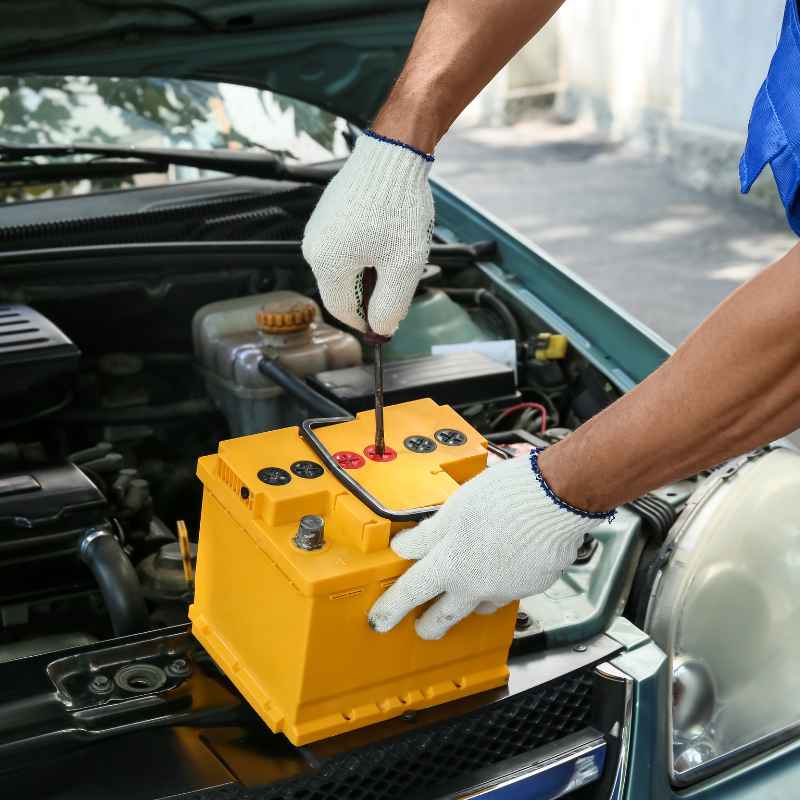
First, put on your safety gear: glasses and gloves. Open the hood. Locate the car battery.
It’s usually a rectangular box, often black, with two posts sticking out. Take a good look at the battery itself. Are there any cracks or leaks?
If you see any, the battery might be damaged. It’s best not to try to fix it and get it replaced.
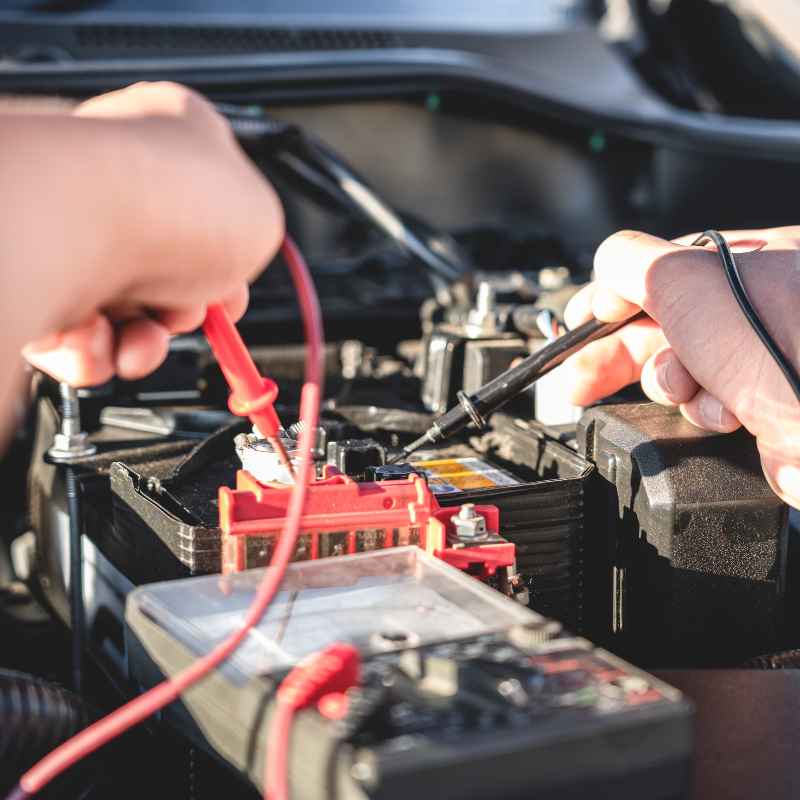
Next, examine the terminals. These are the metal posts the cables connect to. Are they covered in that white, powdery, or greenish stuff (corrosion)?
Are the cables attached firmly? Try gently wiggling the cable clamps. They shouldn’t move much.
Step 2: Cleaning Corroded Battery Terminals
This is where the baking soda paste and wire brush come in. If you see corrosion, this is likely your main problem. First, disconnect the battery cables.
It’s usually easier to disconnect the negative terminal first. It’s often marked with a minus (-) sign and might have a black cable. Then, disconnect the positive terminal (+ sign, red cable).
You might need your wrench for this. Loosen the nut on the clamp. Then, gently twist and pull the cable off the post.
Make a paste with baking soda and water. Apply this paste to the corroded terminals. Let it fizz for a minute.
Then, use your wire brush or terminal cleaner. Scrub both the battery posts and the inside of the cable clamps. You want to get them shiny and clean.
Wipe away the paste and debris with a rag or paper towel.
For a more thorough cleaning, some people use a specific battery terminal cleaner spray. After cleaning, rinse the terminals and clamps with a little clean water. Dry them thoroughly with a clean cloth.
Once they are clean and dry, you can apply a thin layer of dielectric grease or petroleum jelly to the posts. This helps prevent future corrosion.
Step 3: Tightening Loose Battery Cables
If your cables felt loose, this is the step for you. After cleaning (or if there was no corrosion), make sure the cable clamps are properly seated on the battery posts. Reconnect the cables.
It’s best to connect the positive terminal first, then the negative. Use your wrench to tighten the nuts on the clamps. Make sure they are snug.
You don’t want them to move at all. But don’t overtighten either, as you could strip the threads or damage the clamps.
Once the cables are reconnected and tightened, give them a gentle tug. They should not be loose. If they feel secure, you’ve likely fixed the connection issue.
Step 4: Checking Battery Fluid Levels (for older batteries)
If you have an older, serviceable battery (one with removable caps), and you suspect low fluid levels, you can check them. With the battery disconnected and clean, carefully pry off the caps. Use a flashlight to look inside each cell.
The fluid (electrolyte) should cover the lead plates inside. If the plates are exposed, you need to add distilled water. Use a small funnel or a plastic syringe.
Add just enough distilled water to cover the plates. Do not overfill. You don’t want the water to reach the top of the filling hole.
Replace the caps securely.
Important Note: If your battery is a “maintenance-free” or “sealed” type, you cannot (and should not) open it to check or add fluid. These batteries are designed to be sealed.
Step 5: Trying to Jump Start the Battery
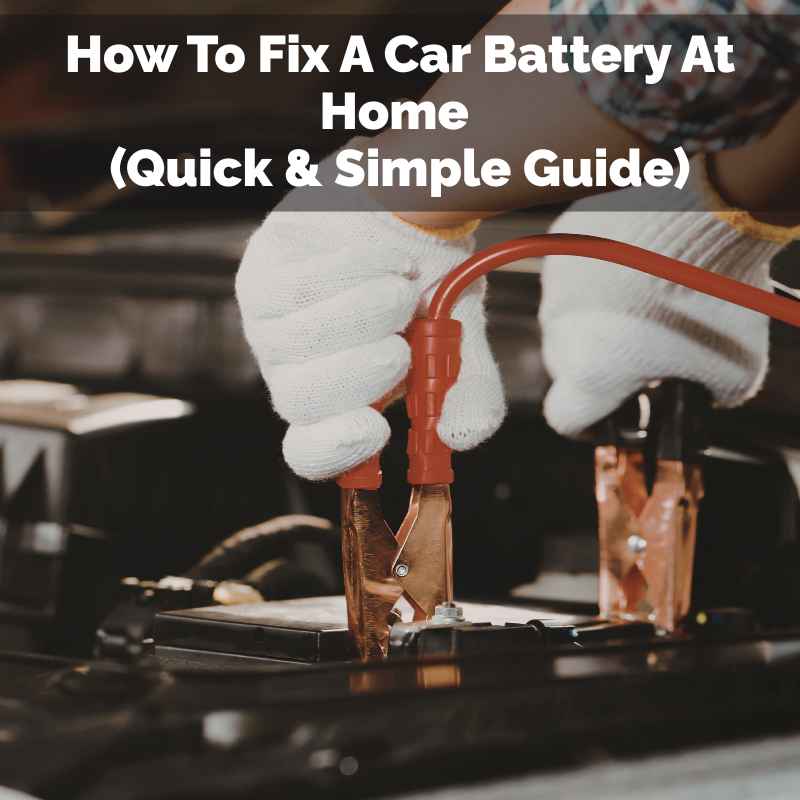
If cleaning and tightening didn’t work, your battery might just be drained. You can try to jump-start it. This requires another vehicle with a working battery and a set of jumper cables.
It’s a process best done with two people. Always follow the instructions that come with your jumper cables. Generally, you’ll connect the positive clamps together, and then the negative clamps, being very careful not to let them touch each other or the car body.
Here’s a simplified overview:
- Park the working car close enough to reach the dead battery with the jumper cables. Turn off both cars.
- Connect one red clamp to the positive (+) terminal of the dead battery.
- Connect the other red clamp to the positive (+) terminal of the good battery.
- Connect one black clamp to the negative (-) terminal of the good battery.
- Connect the final black clamp to an unpainted metal surface on the engine block or chassis of the car with the dead battery. This is called a ground. Do NOT connect it to the negative terminal of the dead battery.
- Start the engine of the working car. Let it run for a few minutes.
- Try to start the car with the dead battery.
- If it starts, let both cars run for several minutes.
- Disconnect the cables in the reverse order: black from the dead car, black from the good car, red from the good car, red from the dead car.
After a successful jump-start, drive your car for at least 20-30 minutes. This allows the alternator to recharge the battery. If the battery dies again soon after, it likely needs to be replaced.
When Home Fixes Aren’t Enough
While these home fixes can solve many common battery problems, there are times when you need more help. If you’ve tried cleaning and tightening, and jump-starting doesn’t keep the car running, it’s time to consider other issues.
What to Watch For
Persistent Clicking: If you still hear just a clicking sound, and cleaning/tightening didn’t help, the starter motor might be the issue, not the battery itself. Or the battery might be completely beyond saving.
No Power at All: If absolutely nothing happens when you turn the key – no click, no lights – it could be a blown fuse, a faulty ignition switch, or a completely dead battery that won’t accept a charge.
Battery Warning Light: If the battery warning light stays on while you’re driving, it usually indicates a problem with the charging system (alternator). The battery isn’t getting recharged.
Swollen Battery Case: A battery case that looks swollen or deformed is a sign of internal damage. This can happen due to overcharging or extreme heat. A damaged battery is dangerous and needs immediate professional attention.
Preventing Future Car Battery Problems
The best way to “fix” a car battery problem is to prevent it from happening in the first place. A few simple habits can extend your battery’s life and prevent those dreaded dead-battery mornings.
Regular Inspections
Make it a habit to look at your battery every few months. Check for corrosion and ensure the connections are tight. This takes maybe two minutes but can save you a lot of trouble.
Avoid Draining the Battery
Make sure all lights, the radio, and any accessories are turned off when you leave your car. Many modern cars have reminders, but it’s still a good habit to double-check.
Consider Your Driving Habits
Short trips don’t give the alternator enough time to fully recharge the battery. If you only drive short distances daily, consider taking a longer drive once a week. This helps keep the battery healthy.
Extreme Temperatures
If you live in an area with extreme heat or cold, be extra mindful of your battery’s age. Heat is particularly hard on batteries. Cold weather makes an already weak battery struggle even more.
Professional Testing
Most auto parts stores offer free battery testing. If you’re unsure about your battery’s health, have it checked. They can tell you its remaining capacity and if it’s likely to fail soon.
Frequently Asked Questions About Car Batteries
How long does a car battery typically last?
A car battery typically lasts between 3 to 5 years. However, this can vary based on climate, driving habits, and battery quality. Extreme temperatures, especially heat, can shorten a battery’s lifespan.
Can I really fix a car battery at home?
Yes, for common issues like corrosion or loose connections, you can often fix a car battery at home with basic tools and safety precautions. For a completely dead or damaged battery, home “fixes” are usually limited to jump-starting or cleaning for temporary relief.
What does the white powdery stuff on my car battery mean?
The white, blue, or greenish powdery substance is called battery terminal corrosion. It’s a buildup of sulfate crystals. It forms when gases escape from the battery and react with the metal terminals.
This corrosion is an electrical insulator, preventing proper current flow.
How do I know if my car battery needs to be replaced?
Signs your battery needs replacement include slow engine cranking, dimming headlights or interior lights, frequent jump-starts, and a battery warning light on your dashboard. A professional battery test can confirm its condition and remaining life.
What is the best way to clean car battery terminals?
The best way is to disconnect the battery cables (negative first, then positive). Make a paste of baking soda and water, apply it to the terminals, scrub with a wire brush, and then rinse and dry. Applying dielectric grease or petroleum jelly afterward helps prevent future corrosion.
Is it safe to jump-start a car battery myself?
Yes, it is generally safe if you follow the correct procedure carefully. Always wear safety glasses and gloves, ensure proper ventilation, and connect the jumper cables in the correct order to avoid sparks or damage to the electrical systems of either vehicle.
Can I add water to a sealed car battery?
No, sealed or “maintenance-free” car batteries are not designed to be opened. You should not attempt to add water to them. If a sealed battery is showing signs of low electrolyte, it usually indicates internal damage or failure and needs replacement.
Conclusion
Dealing with a dead car battery can feel like a major roadblock. But as we’ve explored, many common battery issues are surprisingly simple to address. By understanding what to look for, taking basic safety steps, and using a few common tools, you can often get your car back on the road yourself.
Remember that regular checks and preventative habits are your best defense against unexpected battery failures. Stay safe out there!
Products related to this article
Sponsored / affiliate links. As an Amazon Associate I earn from qualifying purchases. I may earn additional commission from eligible campaigns.