Best Auto Insurance for Road Trip Travelers: What to Buy
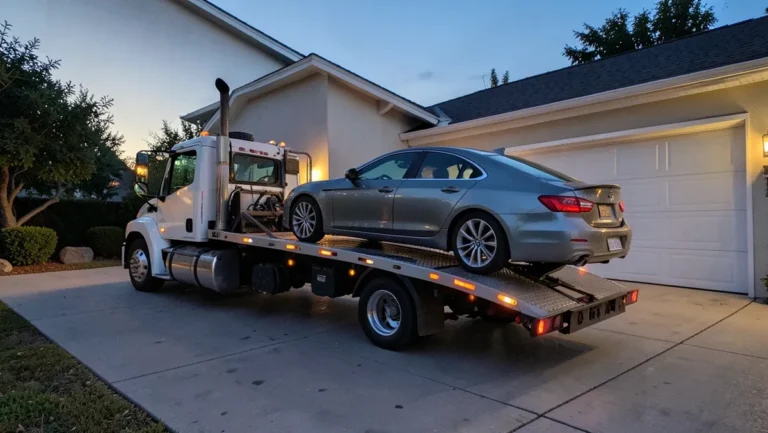
For road trip travelers, the best auto insurance is usually a policy with strong towing and labor, roadside assistance, rental reimbursement, and trip interruption; buy zero-deductible glass only if you drive through debris-heavy routes. Skip the wrong add-ons and a blown tire, dead battery, or accident miles from home can turn into a hotel bill, a tow bill, and a ruined itinerary. I match coverage to the failure on the shoulder, compare insurer types for long drives, and show where to trim cost without leaving highway gaps.
This guide is part of our Car insurance coverage guide series.
Best auto insurance for road trip travelers: top pick and why it fits

Geico is the best overall fit for many road-trip travelers because it balances affordability with the add-ons long drives actually use: roadside assistance, rental car reimbursement, and mechanical breakdown insurance. CNBC names Geico best for affordability on road trips, and its roadside assistance can cost as little as $14 per year, which matters when you want help without paying for a bloated policy.
The real question is not “Who is cheapest?” It is “Who pays for the failures that happen 300 miles from home?” A bare-bones policy can look fine on a commute and still leave you paying out of pocket for towing, rental days, or a repair delay that strands you in an unfamiliar town.
What the top pick needs to solve on a long drive
Road trips change the risk picture fast. High heat, long highway stretches, tired tires, heavy luggage, and unfamiliar roads make flats, overheating, battery failures, and animal strikes more likely than the usual parking-lot scuffs and low-speed fender benders.
That is why the best road-trip auto insurance usually includes more than liability. It should solve the failure mode, not just the claim paperwork.
Quick picks by road trip type
- Family vacation road trips: Look for rental reimbursement, strong roadside assistance, and comprehensive coverage for theft, hail, and animal strikes.
- Older cars and breakdown risk: Mechanical breakdown insurance matters more here than a flashy premium discount.
- Low-mileage drivers who still take one big trip: Pay-per-mile can work before departure, but long mileage can wipe out the savings fast.
- Cross-country moves and long repairs: Prioritize towing, rental-day limits, and claims service that is easy to manage from a phone.
Best for family vacation road trips
Families need fewer surprises and more predictable help. Rental reimbursement and roadside assistance are the two add-ons most likely to save the trip when a minivan gets a flat, the battery dies at a hotel, or a minor crash keeps the car in a body shop.
Best for older cars and breakdown risk
Older vehicles are where mechanical breakdown insurance starts making sense. A roadside tow gets the car off the shoulder. Mechanical breakdown coverage helps with non-accident repairs once the tow ends and the mechanic starts finding real parts failures.
Best for low-mileage drivers who still take one big trip
Nationwide SmartMiles is identified as a usage-discount option, and CNBC names it best for pay-per-mile road-trip insurance. That setup can fit drivers who stay local most of the year, but a long summer drive can add enough miles to shrink or erase the bargain.
Best for cross-country moves and long repairs
Allstate is listed with competitive rates starting at $59/month, CNBC names it best for mechanical breakdowns, and its company facts show an A.M. Best rating of A+. That mix can appeal to drivers who want repair protection, claims strength, and less pain if a delay stretches for days.

What coverage do I need before a road trip?

Before a road trip, the most useful coverage is collision, comprehensive, roadside assistance, and rental reimbursement, plus mechanical breakdown insurance if the vehicle is older or the trip is long. The right mix depends on what can actually fail on the route, not on a generic insurance brochure.
Collision and comprehensive coverage
Collision coverage pays for damage to your car in a covered accident. Comprehensive coverage can help with theft, hail, fire, animal strikes, and other non-collision damage. If a driver finances or leases a vehicle, both are often required by the lender or leasing company.
Deductible matters here. A lower deductible usually means less pain after a loss, but it can raise the premium. For a road trip, that tradeoff is worth checking before departure, not after a deer strike or parking-lot theft.
Roadside assistance and towing
Roadside assistance is the first line of defense for flat tires, dead batteries, lockouts, and fuel delivery. It is not the same as repair coverage. It gets the driver moving or towed to a shop, but it does not pay to rebuild a transmission or replace brake components.
Rental car reimbursement
Rental reimbursement helps pay for replacement transportation after a covered claim, typically subject to a daily limit and a set number of days. That cap matters on road trips, because a small daily allowance can disappear quickly when repairs take longer than expected.
Mechanical breakdown insurance
Mechanical breakdown insurance helps with some non-accident repairs and can be useful on older vehicles or long highway trips. It is not a warranty clone. Warranty coverage usually comes from the manufacturer or a service contract, while mechanical breakdown coverage is an insurance-style add-on with its own eligibility rules and exclusions.
Why deductible and daily limit details matter
A policy can look generous and still fail in practice. If towing only covers a short distance, or rental reimbursement only covers a few days, a breakdown two states away turns into a real expense fast. Those limits matter more on road trips than on local driving.
How do common road trip failures map to the right add-on?

The cleanest way to buy road-trip insurance is to match each likely failure to the specific add-on that fixes it. Flat tires need roadside service. Theft needs comprehensive coverage. A long repair needs rental reimbursement. Mexico driving needs confirmed territorial coverage before crossing the border.
| Road-trip failure | Best add-on | What it should do | Where it can fall short |
|---|---|---|---|
| Flat tire | Roadside assistance | Send tire service or tow help | May not pay for a new tire |
| Dead battery | Roadside assistance | Provide a jump-start or tow | May have service-call caps |
| Lockout | Roadside assistance | Send lockout help | Can exclude repeated calls |
| Fuel delivery | Roadside assistance | Bring enough fuel to reach a station | Fuel cost may not be covered |
| Breakdown or overheating | Mechanical breakdown insurance plus towing | Help with non-accident repairs after the tow | May exclude wear items and maintenance failures |
| Theft, hail, animal strike | Comprehensive coverage | Cover non-collision damage or loss | Deductible still applies |
| Rental loss after claim | Rental car reimbursement | Pay for temporary transportation | Daily cap and day limit can run out |
| Mexico driving | Verified cross-border coverage | Confirm territorial rules before departure | Many U.S. policies exclude Mexico |
| Claim delay while away | Claims service and rental reimbursement | Keep the process moving from the road | Slow adjuster response can still drag out repairs |
Flat tire, dead battery, lockout, and fuel delivery
These are the classic roadside failures. Roadside assistance is the right tool, but drivers should check service-call limits, tow distance, and whether tire changes or fuel delivery are included in the plan price or charged separately.
Breakdown, overheating, and non-accident repairs
Roadside assistance gets the car to a shop. Mechanical breakdown insurance is what matters after the mechanic opens the hood and finds a failed water pump, alternator, or other non-accident issue. That distinction matters most on older cars and long trips.
Theft, hail, animal strike, and rental loss
Comprehensive coverage addresses damage or loss from events outside a collision. Rental reimbursement helps the trip keep moving after a covered claim. Together, they are the difference between a repair inconvenience and a full travel disruption.
Mexico driving and out-of-state claim delays
Driving across state lines is usually straightforward. Driving into Mexico is not. U.S. policies may have territorial exclusions, so drivers should verify coverage in writing before departure and confirm whether they need a separate policy for driving in Mexico.
Do I need roadside assistance for a road trip?
Yes, roadside assistance is one of the most useful add-ons for a road trip because it addresses the failures most likely to strand you: flats, dead batteries, lockouts, and empty tanks. The value depends on tow distance, service-call limits, and whether the plan works where you will actually be driving.
Tow distance and service-call limits
The cheapest roadside plan is not always the best value. Some plans handle a jump-start or tire change but keep towing distances short enough that a breakdown on an interstate still creates a large out-of-pocket bill.
Geico roadside assistance can cost as little as $14 per year, which is cheap enough to be worth checking, but the driver still needs to confirm the tow radius and call limits before relying on it for a long trip.
Battery jumps, flat tire service, lockout help, and fuel delivery
These services solve the most common road-trip nuisance failures. A flat tire on the shoulder, a dead battery after an overnight stop, or a lockout at a gas station can be fixed quickly if the plan includes those services and dispatch coverage in the states you will cross.
When roadside help ends and a tow starts costing you
Roadside assistance is not magic. If the car needs a longer tow, specialty recovery, or repeated service calls, the plan may pay only a portion or stop altogether. That is why towing distance and labor limits deserve more attention than the monthly premium alone.
Is mechanical breakdown insurance worth it for long drives?
Mechanical breakdown insurance can be worth it for long drives if the vehicle is older, the trip is long, or the repair risk is higher than average. It helps with certain non-accident repairs, which makes it different from warranty coverage and more useful after the roadside tow ends.
How it differs from warranty coverage
Warranty coverage comes from the vehicle maker or a service contract. Mechanical breakdown insurance is an insurance add-on with its own eligibility rules, covered parts, and exclusions. It is not a blanket promise to fix anything that fails.
Eligibility limits and vehicle age rules
These policies often have mileage, age, or inspection rules. That matters because a driver cannot always add the coverage the day before a 2,000-mile trip and expect it to cover pre-existing wear. Check eligibility early, while there is still time to compare alternatives.
When it helps most on a road trip
It helps most when the driver is planning a long trip in a vehicle that is out of basic warranty, but still in decent shape. CNBC names Allstate best for mechanical breakdowns, which is a useful sign for drivers who want repair protection instead of just roadside dispatch.
Can I drive in another state or Mexico with my policy?
Most U.S. auto policies travel with the driver across state lines, but Mexico is different because territorial exclusions often apply. Before crossing the border, the driver should verify coverage, confirm what is excluded, and get proof of valid protection in hand if required.
Out-of-state coverage basics
For ordinary interstate travel, the bigger issue is claims handling, not coverage validity. The policy usually follows the car, but a claim filed far from home can still be slowed by app handling, local repair shop coordination, and customer service delays.
Territorial exclusions and Mexico requirements
Mexico is where many travelers get surprised. U.S. coverage often does not fully apply there, and border crossings may require separate proof of insurance that meets Mexican rules. Never assume a domestic policy automatically covers the trip south of the border.
What to verify before crossing the border
- Ask the insurer whether Mexico is covered at all.
- Confirm whether liability, damage, and theft coverage apply.
- Check whether the policy has territorial exclusions.
- Carry proof of valid coverage before departure.
- Confirm how claims would be handled if the car is damaged in Mexico.
How can I lower the cost without cutting the wrong coverage?
The best savings come from discounts and the right policy type, not from stripping out the coverage a road trip actually needs. Multi-policy, multi-vehicle, safe-driving, low-mileage, paperless, and autopay discounts can all help, but eligibility varies by insurer and state.
Multi-policy, multi-vehicle, safe-driving, and low-mileage discounts
Progressive offers a maximum low-mileage discount of up to 10%, and its multi-policy discount can be up to 10%. Those discounts can matter for drivers who keep the car insured year-round but only take occasional long trips.
Nationwide SmartMiles can help low-mileage drivers, but a long trip can push annual mileage high enough to reduce the advantage. That is why pay-per-mile insurance should be compared against the actual miles planned for the trip.
Paperless and autopay savings where offered
These discounts are common, but they are not universal. They are worth taking if the insurer offers them, though they should come after the driver has chosen the right roadside, rental, and collision setup for the trip.
When pay-per-mile insurance stops making sense
Pay-per-mile is built for low driving volume. A cross-country vacation can blow up the math. What starts as a bargain for a commuter can become expensive once the odometer climbs fast over a few days.
How to choose the right policy for your trip
Start with the failure mode. If the route is long and remote, roadside assistance and towing come first. If the car is older, mechanical breakdown insurance deserves a look. If the trip could involve theft, hail, or deer, comprehensive matters. If the car is financed or leased, collision usually does too.
Then compare the limits, not just the premium. A cheap policy with a tiny rental cap or short towing range can cost more once the trip goes sideways. Claims service, mobile app quality, and online quote flow matter because repair delays are harder to manage when you are out of town.
What discounts help lower road trip car insurance costs?
Multi-policy, multi-vehicle, safe-driving, low-mileage, paperless, and autopay discounts can lower the bill if the insurer offers them and the driver qualifies. The savings are useful, but they should never replace the core road-trip coverage: towing, rental reimbursement, and the right physical damage protection.
Can I get temporary car insurance for a road trip?
Sometimes, but it is not a universal fix and it is not always legal or available in every state. Short-term coverage is often limited, hard to buy, or poor for a long trip, so drivers should treat it as a niche option rather than a substitute for proper trip coverage.
Frequently asked questions
What is the best auto insurance for road trip travelers?
The best auto insurance for road trip travelers is usually a policy with roadside assistance, towing, rental reimbursement, and comprehensive coverage. Geico is a strong overall fit for many drivers because CNBC names it best for affordability on road trips and its add-ons cover the problems that show up far from home.
Does my insurance cover me in another state or Mexico?
Most U.S. policies follow the driver across state lines, but Mexico is different. Territorial exclusions often apply, and drivers should verify coverage before crossing the border. If Mexico is on the route, confirm liability, damage, and theft protection in writing before departure.
What coverage should I add before a road trip?
Add roadside assistance, towing, rental reimbursement, and the right collision and comprehensive protection for the vehicle. If the car is older, mechanical breakdown insurance may also be worth considering. The right mix depends on what is most likely to fail on the route.
Is pay-per-mile insurance good for road trips?
It can be good for drivers who stay local most of the year, but a long road trip can erase the savings quickly. Nationwide SmartMiles is a usage-discount option, which helps low-mileage drivers, yet heavy trip mileage can push the policy out of bargain territory.
Products related to this article
Sponsored / affiliate links. As an Amazon Associate I earn from qualifying purchases. I may earn additional commission from eligible campaigns.