Hearing Water Sloshing in Your Car? What It Means
If you’ve noticed a gurgling sound coming from your vehicle, you might be asking yourself, “Hearing Water Sloshing in Your Car? What It Means?” This can be a bit confusing if you’re not a car expert, but don’t worry. It’s actually a pretty common problem that can be easily fixed if you know what to look for. This post will break down the most likely causes of this sound and how to get your car back to running smoothly. We’ll explore step-by-step solutions to help you identify the issue and take action. Let’s get started!
What’s That Gurgling Noise? Common Causes of Water Sounds
The sound of water sloshing around in your car can be pretty annoying, and it often points to a problem. Usually, it’s not a major issue, but it’s important to figure out what’s causing it. The gurgling sound is often related to the car’s cooling system, air conditioning, or sometimes even rainwater getting trapped somewhere. Identifying the source early can prevent bigger troubles down the road. Let’s explore the most typical causes and get you on the path to a quieter ride.
Low Coolant: A Common Culprit
One of the top reasons you might be hearing water sloshing in your car? What It Means is often a low coolant level. Coolant, or antifreeze, is essential for keeping your engine from overheating. It circulates through the engine, absorbing heat and preventing it from reaching damaging temperatures. If the coolant level drops, air can get into the system, leading to gurgling sounds, particularly when accelerating or turning. Regular checks of your coolant reservoir can help you prevent this.
- The Role of Coolant: Coolant prevents your engine from overheating, by circulating the engine to absorb heat.
- How It Causes Sounds: When there’s a leak or shortage, air gets trapped in the system. The air pockets move around, making the sloshing noise.
- Checking the Coolant: Find the coolant reservoir (usually a translucent plastic container) in your engine bay and check the level against the “min” and “max” lines.
- Possible Leak Spots: Check for leaks around the radiator, hoses, and water pump. Look for green or orange puddles under your car.
A car mechanic I know shared a story. A customer kept hearing sloshing sounds and ignored it. They didn’t check the coolant and ended up damaging their engine. This repair ended up costing them a lot of money because they delayed maintenance. Remember, a simple check could have prevented this situation. Another car owner had a cracked radiator hose. This leak caused them to need to replace the hose and top up the coolant.
Air in the Cooling System
Air can enter the cooling system even if there’s no coolant leak. Air pockets can get trapped during coolant refills or after some repairs. These air bubbles move around, causing the gurgling noise. Air in the system can also reduce the cooling efficiency, potentially leading to overheating. A proper “burping” or bleeding of the cooling system to remove trapped air is often needed. This process ensures the coolant flows freely.
- Why Air Matters: Air doesn’t absorb heat like coolant, reducing the cooling system’s performance.
- Bleeding the System: The process involves opening a bleed valve or loosening a hose while the engine runs to let the air escape.
- DIY vs. Professional Help: Some cars have easy bleed valves. However, it’s safer to let a professional handle the process if you’re not familiar.
- Checking for Overheating: Watch your temperature gauge closely after bleeding the system.
Scenario: You recently had a radiator replacement. After the repair, you start hearing the gurgling sound. This often means air was trapped. In another case, a car owner noticed the sloshing sound only after changing their coolant. They didn’t fully burp the system. Taking these steps is often enough to fix these problems.
More Potential Sources of Sloshing Sounds
While low coolant and air in the cooling system are common causes, other parts of your car can cause water-like sounds. The air conditioning system and even blocked drain lines can lead to unusual noises. If you’ve addressed the cooling system and the noise continues, it’s time to explore these other areas. This can also include things like rain water finding its way in. It’s often necessary to consider multiple areas when trying to discover the cause of gurgling sounds.
Air Conditioning System Issues
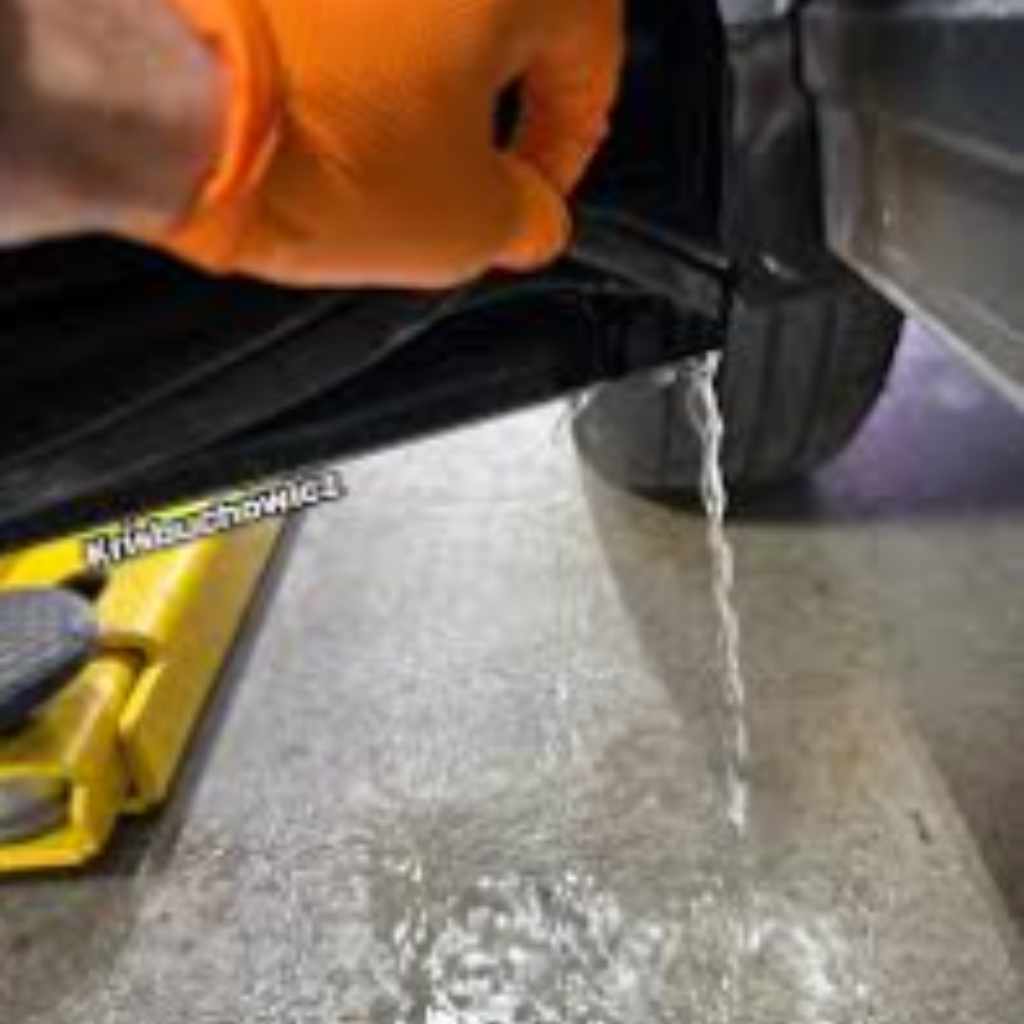
Your car’s air conditioning system can create a sloshing sound, too. Condensation is a natural part of how the AC works. It collects inside the evaporator housing. Usually, this water drains out through a tube, but if the drain is blocked, the water can build up and make a sloshing noise, particularly when you turn or accelerate. This blockage may also lead to mold and mildew buildup.
- Condensation Buildup: AC systems pull moisture from the air, creating condensation.
- Blocked Drain: The drain tube can get clogged with debris (like leaves or dirt), causing water to back up.
- Finding the Drain: The drain tube is typically found underneath the car, often near the firewall.
- Cleaning the Drain: You can try to unclog it using compressed air or a wire.
Here’s a sample scenario: You start hearing the sloshing after a heavy rain. This could point to the AC drain being blocked and rainwater accumulating. A friend told me they had this problem and found leaves and debris blocking the drain tube, which caused a noticeable smell. By clearing the blockage, they solved the problem and eliminated the sloshing sound.
Blocked Drain Lines in the Body
Water can sometimes get into areas where it shouldn’t be, such as inside your car doors or rocker panels. These areas usually have drain holes to let water escape, but these holes can become blocked by debris, such as leaves or dirt. When this happens, water can accumulate, leading to the sloshing sound. This can happen especially after periods of rain or car washes. Solving the problem often involves locating and clearing these drain holes.
- Rainwater Entry: Water can enter through door seals, sunroofs, or other openings.
- Finding the Drain Holes: These are usually located at the bottom of doors and the rocker panels.
- Clearing the Blockage: Use a wire or compressed air to clear the drain holes.
- Preventing Future Issues: Regular cleaning and inspections can help prevent future blockages.
Stat: According to a study, about 15% of car owners experience water accumulation inside their car doors due to clogged drain holes. Another real-life example: A driver found water sloshing in their doors after a particularly heavy rainstorm. They discovered the drain holes were blocked. Cleaning the holes fixed the problem and stopped the noise.
Diagnosing and Fixing the Issue: Step-by-Step
When you start hearing water sloshing in your car? What It Means, it’s time to take action. Identifying the exact source of the noise involves a few simple steps. You’ll need to check the coolant, inspect your AC drain, and look for any signs of leaks. It’s also critical to decide when to seek professional help. The goal is to address the issue quickly and to prevent more serious problems.
Inspecting Your Car
The first step in diagnosing the problem is a thorough visual inspection. Start by checking the coolant level in the reservoir. Look for any visible leaks around the radiator, hoses, and water pump. Next, check the AC drain tube, which is typically found underneath the car near the firewall. Finally, consider checking the drain holes in your doors and rocker panels. This first step helps in isolating the source of the sound.
- Coolant Level Check: Check the coolant level in the reservoir when the engine is cool. Ensure it’s between the minimum and maximum lines.
- Leak Inspection: Examine the radiator, hoses, and water pump for leaks. Look for any drips or stains.
- AC Drain Inspection: Locate the AC drain tube, usually near the firewall. Check for any blockages by looking for dirt or debris.
- Drain Hole Inspection: Check the drain holes at the bottom of the doors and rocker panels for any blockages.
Troubleshooting the Cooling System
If you suspect the cooling system is the source of the problem, you’ll need to troubleshoot it. First, top off the coolant if the level is low. If the gurgling continues, you may have air trapped in the system. Try “burping” the system by opening a bleed valve or loosening a hose while the engine is running. If you’re not comfortable with this process, take your car to a mechanic. If you see leaks, you may need a repair.
When to Call a Professional
While some issues can be handled at home, there are times when it’s best to seek professional help. If you’re not comfortable working on your car’s cooling system, or if you’re not sure where the leak is coming from, it’s best to take it to a mechanic. Professionals have the tools and experience to diagnose and fix the problem correctly. Signs that you need professional help include persistent leaks, overheating, or complex repairs.
- Complex Problems: If you’re not sure how to “burp” the cooling system, or if the leak is difficult to find, call a mechanic.
- Overheating: If your engine is overheating, turn off the car and get help immediately.
- Persistent Leaks: Continuous coolant leaks require professional attention.
- Lack of Tools: Certain repairs may need specialized tools.
A car owner I know tried to fix a coolant leak at home and ended up causing more problems. They didn’t have the right tools, and they made the issue worse. This led to a costly repair later. Another person ignored a recurring sloshing sound and eventually faced engine damage. They would have saved money by taking their car in sooner.
Protecting Your Car: Prevention and Maintenance
Preventing water-related issues in your car involves regular maintenance and some simple checks. Regularly checking your coolant and AC system, cleaning drain holes, and having your car inspected are all key parts of protecting your vehicle. This helps prevent minor problems from turning into costly repairs. Maintaining your car correctly can also extend its life and make it safer.
Regular Maintenance Tips
Regular maintenance is important for keeping your car in top shape and preventing problems like sloshing sounds. Regularly check the coolant level and condition. Inspect your AC system’s drain for blockages. Also, perform a visual inspection of your car, including looking for leaks. Periodic inspections by a professional mechanic are also a good idea. This proactive strategy can prevent bigger problems.
- Coolant Checks: Check the coolant level monthly and top it off when needed.
- AC Drain: Inspect and clean the AC drain regularly.
- Visual Inspections: Regularly look for leaks, drips, or unusual conditions.
- Professional Inspections: Have your car inspected by a mechanic at least once a year.
Stat: According to a study, vehicles that receive regular maintenance have a 30% lower chance of major repair issues compared to those that don’t. Case Study: A car owner began checking their coolant monthly after hearing a sloshing sound. They discovered a small leak and were able to repair it before major damage occurred.
Cleaning Drain Holes
Cleaning the drain holes in your car is a simple but important task. Clogged drain holes can lead to water buildup and potential damage to your car’s body and interior. The job is easy to do by regularly inspecting and cleaning the drain holes in your doors and rocker panels. This preventative step can save you the cost of more expensive repairs in the future.
- Locate the Drain Holes: Find the drain holes at the bottom of your doors and the rocker panels.
- Check for Blockage: Inspect the holes for leaves, dirt, or other debris.
- Clear the Blockage: Use a wire or compressed air to remove any blockages.
- Repeat Regularly: Repeat this process at least twice a year, or after heavy rain or car washes.
A friend said that they kept their car cleaner. They regularly cleaned their drain holes. They avoided having a water buildup problem. This small effort resulted in savings, avoiding rust and damage. Another car owner mentioned using a small wire coat hanger to effectively clear out drain holes and prevent future clogs.
Frequently Asked Questions
Question: Why am I hearing water sloshing in my car?
Answer: This sound usually indicates air in the cooling system, a low coolant level, a blocked AC drain, or water trapped in the doors or rocker panels.
Question: Is it safe to drive if I hear this sound?
Answer: It’s generally safe to drive short distances, but it’s important to diagnose the problem quickly. Continuing to drive with these sounds could lead to overheating or damage.
Question: How can I check my coolant level?
Answer: Find the coolant reservoir in your engine bay (usually a translucent plastic container) and check the level against the “min” and “max” lines.
Question: How do I unclog my AC drain?
Answer: Locate the AC drain tube (often near the firewall), and use compressed air or a wire to remove any obstructions.
Question: When should I take my car to a mechanic?
Answer: If you’re not comfortable working on your car, you notice persistent leaks, or your engine overheats, it’s best to get help from a professional.
Final Thoughts
Discovering the reason behind Hearing Water Sloshing in Your Car? What It Means, doesn’t need to be tough. In most cases, the sloshing sound is caused by issues like low coolant, air pockets in the cooling system, a blocked AC drain, or water buildup in the body. Solving the problem often involves simple checks and straightforward solutions, such as topping up coolant, bleeding the cooling system, or cleaning drain holes. Regular maintenance and visual checks will keep your car healthy. So, next time you hear that gurgling, take a few minutes to check these areas and get your car running quietly again.