How Can I Rent Out My Car? Your Real Options in 2026
In 2026, Turo is the only major platform left for renting out a standard car in the US. Getaround and HyreCar both shut down their US operations in February 2025, and Allstate’s Avail wound down its peer-to-peer program too — so two of the three platforms most “how to rent out your car” articles still list are simply gone.
What is left still works well: Turo hosts typically keep 60% to 90% of every trip price depending on the protection plan they choose, and the average active host earns several hundred dollars a month from a single car. But the fee table and platform list you will find on most older guides are stale, and getting the insurance and tax details wrong can cost you real money.
This guide covers what actually happened to Getaround and HyreCar, the platforms that still exist, what Turo really pays you, whether you need commercial insurance, who qualifies to list a car, and how to get set up.

Can You Still Rent Out Your Car on Getaround or HyreCar?
No. Getaround abruptly shut down all US car-sharing operations in February 2025, ending the ability for both hosts and renters to use the platform in this country. Getaround had acquired HyreCar, the platform many rideshare and delivery drivers used to rent cars, back in 2023 — when Getaround wound down, HyreCar shut down with it.
Avail, the peer-to-peer car-sharing arm Allstate ran as a Turo alternative, also shut down its host program. If your old bookmarks or a past article pointed you to any of these three, that advice is now out of date — the listings, the accounts, and the payouts are gone.
The result is a much more consolidated market than it was even two years ago. For a standard sedan, SUV, or truck, Turo now holds close to a monopoly among US car-sharing platforms. That is not necessarily bad news for hosts — less competition between platforms for driver attention can mean more bookings per listing — but it does mean you have fewer places to compare before you commit.
HOST PEACE-OF-MIND PICK
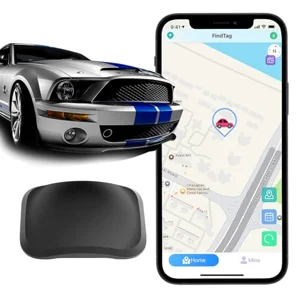 |
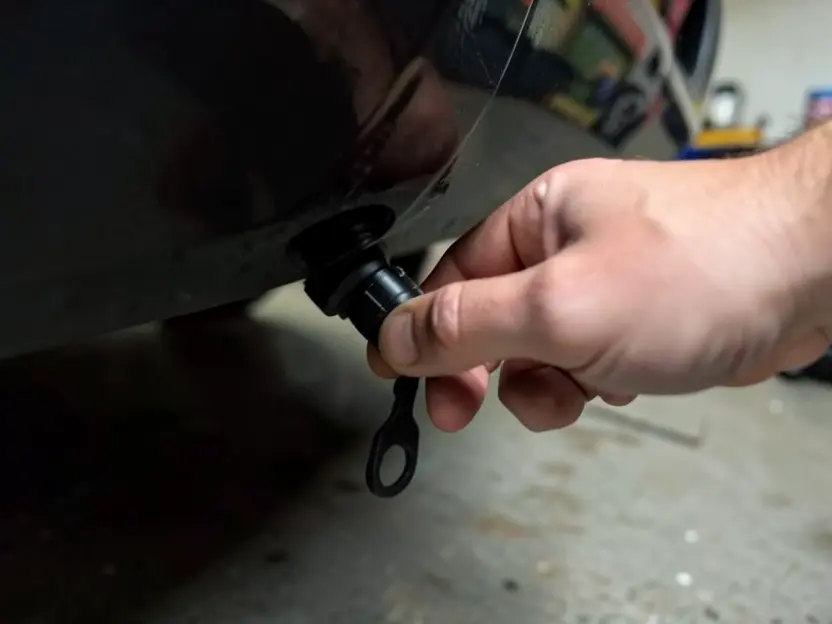
Real-Time Weatherproof Mini GPS Vehicle Tracker – $13.99 Turo’s liability coverage only applies during an active trip, not while the car is parked between bookings — a small magnetic tracker like this gives hosts extra visibility either way.
|
Your Real Options for Renting Out a Car in 2026
With Getaround, HyreCar, and Avail out of the picture, most owners renting out a standard passenger vehicle in the US are choosing between three paths.
- Turo — the dominant peer-to-peer marketplace for everyday cars, SUVs, and trucks. No sign-up or monthly fee; Turo takes a percentage of each completed trip instead.
- Niche peer-to-peer marketplaces — if your vehicle is not a standard car, a specialty platform may fit better: Outdoorsy for RVs and campervans, Riders Share for motorcycles, and Hagerty DriveShare for classic or exotic cars.
- Independent or private rental — renting your car directly to someone you know, or through a local classified ad, without going through any marketplace at all. This gives you full control over price and terms, but you take on the insurance and screening work the platforms normally handle.
A handful of newer, smaller peer-to-peer startups have launched to compete with Turo since the 2025 shutdowns, but none has matched its size, vehicle selection, or renter demand yet. For most owners with a normal car sitting unused part of the week, Turo remains the practical default. If you want the full click-by-click process for creating a Turo listing, see our complete Turo host guide.
What Turo Actually Pays You
Turo does not charge hosts a listing fee or a monthly subscription. Instead, it takes a cut of each completed trip based on which of five host protection plans you choose. The plan you pick trades off how much of the trip price you keep against how much you are on the hook for if the car comes back damaged.
| Protection Plan | You Keep | Deductible Level |
|---|---|---|
| 60 Plan | 60% of trip price | None — lowest risk to you |
| 75 Plan | 75% of trip price | Moderate |
| 80 Plan | 80% of trip price | Higher |
| 85 Plan | 85% of trip price | Higher still |
| 90 Plan | 90% of trip price | Highest — most risk to you |
Most active hosts land somewhere in the 70% to 90% range. Turo also includes up to $750,000 in third-party liability coverage for guests during an active trip on eligible plans — but that coverage only applies while a trip is in progress. Between bookings, while your car is parked in your own driveway, you are covered by your personal auto policy, not Turo’s trip protection. That gap is one reason some hosts add a simple tracking or dash-cam device of their own, on top of whatever the platform provides.
Do You Need Commercial Auto Insurance to Rent Out Your Car?
It depends on how you rent it out, and this is a detail a lot of older guides get wrong. If you list your car on Turo, the platform’s own trip protection applies automatically during each booking — that is part of what the percentage Turo keeps is paying for, and it is why you do not need to buy a separate commercial policy just to use the platform.
A standard personal auto insurance policy, on the other hand, almost always excludes rental-for-money use. If you skip the platforms entirely and rent your car out privately — to a coworker, a neighbor, or through a classified ad — your personal policy will likely not cover a crash that happens while someone else is driving your car for pay. In that scenario, you genuinely do need either a commercial auto policy or a “rental” endorsement from your insurer before you hand over the keys. It is worth a call to your insurance company either way, since some insurers will drop or restrict a policy once they learn the car is used for ride-share or rental income, even through a covered platform.
Who Can List a Car on Turo
Turo’s host requirements cover both you and the vehicle.
- Host age: at least 21 years old, with a valid driver’s license held for at least one year.
- Vehicle age and mileage: under 12 years old with fewer than 130,000 miles for a standard listing.
- Specialty vehicles: cars between 12 and 25 years old can still qualify under Turo’s specialty category, up to a fair market value of about $85,000.
- Title and condition: a clean, valid title with no salvage or rebuilt-title history, plus documentation of recent maintenance.
- Registration: current US registration and plates, and a seating capacity of 10 or fewer including the driver.
Turo also operates in New York, reversing an earlier ban — though New York-specific liability coverage rules changed again in mid-2026, so hosts there should double-check the current default coverage limits before listing. For the fuller breakdown of eligibility, fees, and insurance specifics by plan, see our Turo requirements and fees guide.
How to Get Your Car Ready to Rent Out
Once you know you qualify, a handful of practical steps make the difference between a listing that books and one that sits idle.
- Handle basic maintenance first. Check oil level and condition, tire tread and pressure, brake wear, and that every light works. A car that needs obvious repairs will get flagged in reviews fast.
- Detail the car inside and out. Wash and polish the exterior, vacuum and wipe down the interior, and clear out anything personal. A clean car photographs better and rents at a higher price.
- Shoot at least 10 photos in daylight. Cover every exterior angle plus the interior, dashboard, and trunk. Skip flash photos and blurry shots — they are the single most common reason a listing gets passed over.
- Write an honest, specific description. Mention mileage, fuel type, transmission, and any extras like a backup camera, GPS, Bluetooth, or a phone mount. Renters trust listings that read like they were written by someone who actually knows the car.
- Price against comparable local listings rather than guessing. Look at similar year, make, and model in your area, and expect to adjust seasonally — demand and prices both tend to rise in summer and around holidays.
Is the Income From Renting Out Your Car Taxable?
Yes, and this is true whether or not you receive a tax form for it. Every dollar you earn renting out your car counts as taxable income, and you can typically deduct related expenses — maintenance, cleaning, platform fees, and depreciation — against that income.
For 2026, the IRS Form 1099-K reporting threshold sits at $20,000 in gross payments and more than 200 transactions from a given platform — both conditions have to be met before Turo is required to send you one. That is a reversal of an earlier plan to drop the threshold to $600 with no transaction minimum. A few states, including Maryland, Massachusetts, Vermont, and Virginia, set their own lower state-level threshold. Either way, not receiving a 1099-K does not mean the income is not reportable — if you earn money renting out your car, it belongs on your tax return.
Staying Safe as a Host
Handing your car to a stranger, even through a platform with built-in screening, is worth taking seriously.
- Let the platform’s driver verification run its course — do not skip or rush past license and driving-history checks for a renter who seems impatient.
- Keep all communication inside the platform’s messaging system, both for your own paper trail and because most platform protections only apply to bookings made through the app.
- Set a clear cancellation policy up front and stick to it, so renters know what to expect if plans change.
- Respond to requests quickly — fast replies both build trust with renters and tend to push your listing higher in search results.
- Consider a low-cost tracking device or dash cam of your own for the gap between what the platform covers and what your personal policy covers while the car is parked.
Frequently Asked Questions
Can I Still Rent Out My Car on Getaround or HyreCar?
No. Getaround shut down all US car-sharing operations in February 2025, and HyreCar, which Getaround owned, shut down along with it. Neither platform accepts new host listings or renter bookings in the US anymore.
Is Turo the Only Way to Rent Out My Car Now?
For a standard car, SUV, or truck in the US, Turo is the dominant option after Getaround, HyreCar, and Avail all shut down their peer-to-peer programs. You can also rent independently, without any platform, if you are willing to arrange your own insurance and screening.
Do I Need Commercial Auto Insurance to Rent My Car Out on Turo?
No, not to use Turo specifically. Turo’s own trip protection plans cover eligible damage and liability during each active trip. You would only need a separate commercial or rental insurance policy if you rented your car out privately, outside of a platform like Turo.
How Much Does Turo Take From Each Rental?
It depends on the protection plan you choose. Turo’s host plans range from the 60 Plan, where you keep 60% of the trip price with no deductible, up to the 90 Plan, where you keep 90% but carry a much higher deductible. Most hosts choose a plan somewhere in the 70% to 90% range.
What Cars Qualify to Be Listed on Turo?
A standard listing needs a car under 12 years old with fewer than 130,000 miles, a clean title, and current registration. Older cars between 12 and 25 years old can still qualify as specialty vehicles, up to a fair market value of about $85,000.
Is the Income From Renting Out My Car Taxable?
Yes. All income from renting out your car is taxable, whether or not you receive a Form 1099-K. For 2026, Turo is only required to send you a 1099-K once you cross $20,000 in gross payments and more than 200 transactions in a year, but the income is reportable either way.
Conclusion
The honest answer to “how can I rent out my car” has changed since Getaround, HyreCar, and Avail all shut down their US programs in 2025 — for most owners, Turo is now the practical starting point, not one option among several. It costs nothing to list, pays out 60% to 90% of each trip depending on the protection plan you choose, and covers liability during active trips, though not while the car sits parked between bookings.
Check that your car meets the age, mileage, and title requirements, get it cleaned and photographed well, and be upfront in your listing. From there, the process is largely about staying responsive to renters and keeping your own paper trail through the platform’s messaging system.
Products related to this article
Sponsored / affiliate links. As an Amazon Associate I earn from qualifying purchases. I may earn additional commission from eligible campaigns.
 GPS Tracker for Vehicles, Real Time Tracking Devices for Cars Hidden, No Monthly Fee Car Tracker, Work with Find My (iOS Only), Magnetic GPS Tracker, Waterproof Tracker Device for Vehicles, White
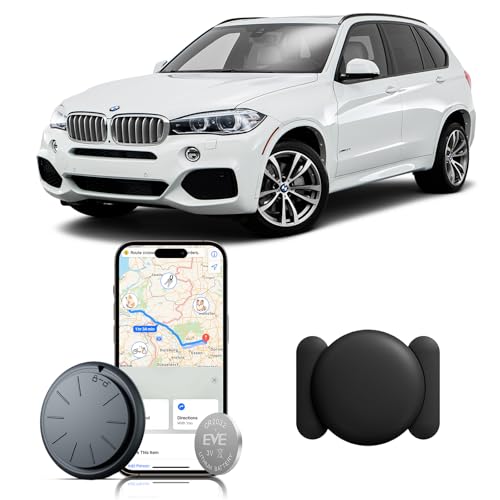 ZFSJTAG Car GPS Tracking Device for Vehicles, 1PCS Real Time GPS Tracker for Car, Work with Find My (iOS Only),Hidden Mini GPS Tracker,No Monthly Fee (Black Tracker, Black Magnetic Case)