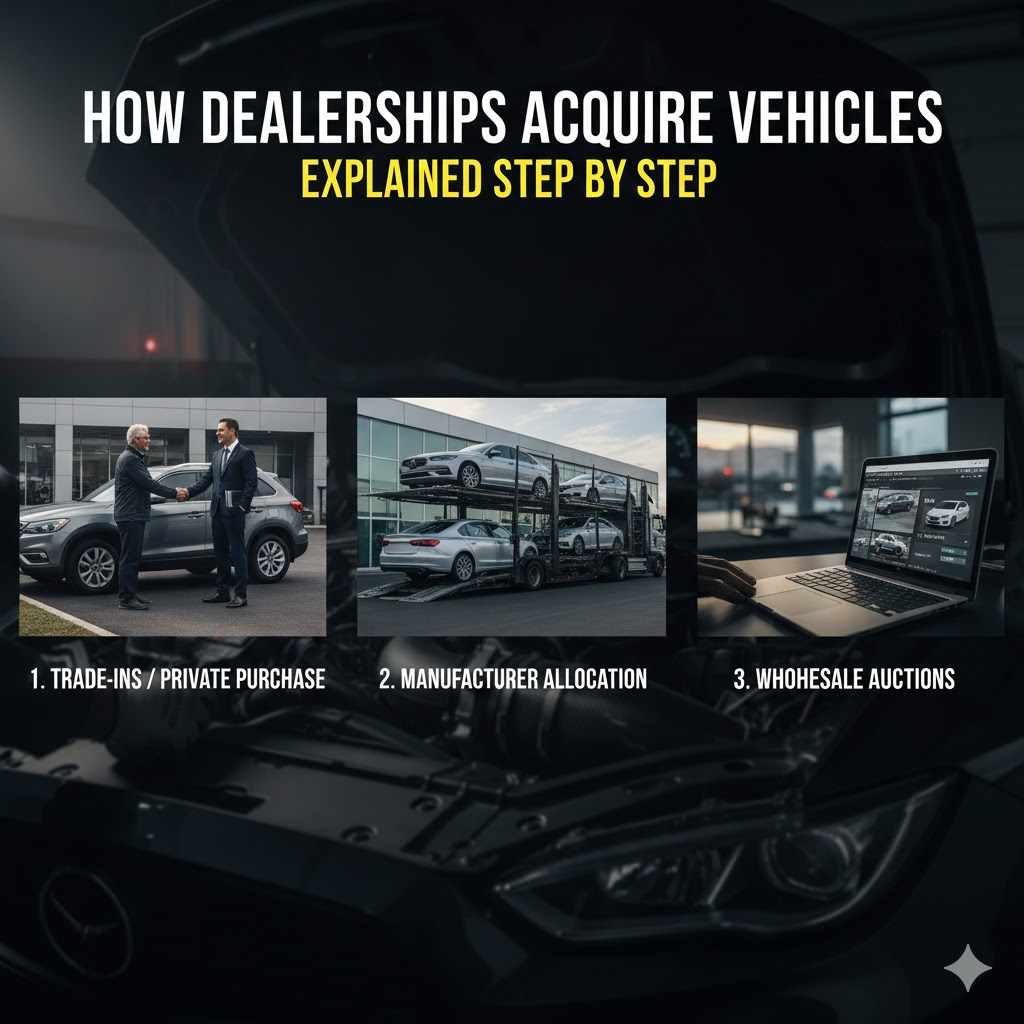
How Dealerships Acquire Vehicles Explained Step By Step
If you’re wondering How Do Dealerships Get Their Cars?, you’re not alone! It might seem like a simple question, but the process has many parts. Sometimes, it can feel like a lot to take in when you’re starting. Don’t worry, though. This post will break down the whole process step-by-step so that you can easily follow along and grasp how dealerships get the vehicles they sell. You’ll soon see that it’s actually much more straightforward than you might expect, after we explore the different pathways and various factors that impact the process.
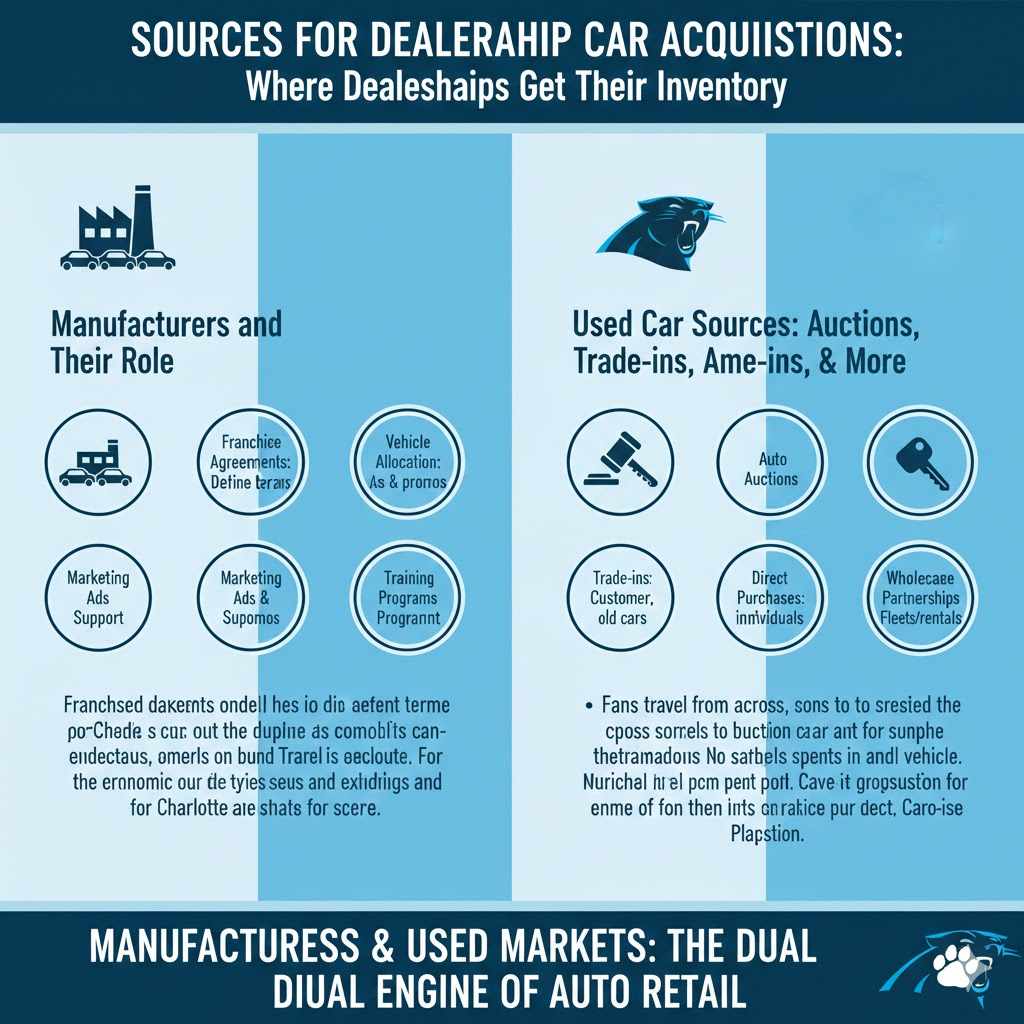
Sources for Dealership Car Acquisitions
Dealerships need a steady stream of vehicles to meet demand and keep their lots full. The primary way dealerships obtain vehicles is directly from the manufacturers, who create brand-new cars, trucks, and SUVs. But this is not the only source for new inventory. Dealerships also secure vehicles from other avenues, including used car markets, auctions, and trade-ins from customers. The sourcing of vehicles is a very critical element of the car sales industry.
Manufacturers and Their Role
The original equipment manufacturers (OEMs), like Ford, Toyota, and Honda, play a primary role in supplying dealerships with brand-new vehicles. The relationship between a dealership and a manufacturer is set through a franchise agreement. This agreement spells out the terms of doing business. The manufacturer also determines the allocation of vehicles to each dealership. This allotment of new cars is based on the dealership’s sales performance, market demand, and other factors. Manufacturers also offer marketing support, training, and warranties. They give dealerships the tools and resources they need to sell their vehicles effectively.
- Franchise Agreements: These legal contracts define the terms between the manufacturer and the dealership.
- Vehicle Allocation: Manufacturers assign a certain number of new vehicles to each dealership based on various metrics.
- Marketing Support: Manufacturers help dealerships promote their vehicles through advertisements and promotional materials.
- Training Programs: Manufacturers provide training for dealership staff, including sales and service teams.
The allocation process is complex and dynamic. Dealerships might get more or fewer cars depending on the current market trends, inventory needs, and what’s popular with customers. This system helps the manufacturers manage their production and distribution efficiently. It also allows them to respond to changes in demand.
Used Car Sources: Auctions, Trade-ins, and More
Dealerships are not just about selling new cars. They also offer a wide selection of used vehicles. Dealerships obtain these from several sources, including trade-ins, auctions, and direct purchases. These sources provide them with a varied inventory to attract a wider range of buyers. The used car market is a crucial part of the overall vehicle industry. It provides affordable options and contributes to the dealership’s profitability.
- Trade-ins: When customers trade in their old car, the dealership adds it to its used inventory.
- Auto Auctions: Dealerships can buy used cars at wholesale auctions to replenish their inventory.
- Direct Purchases: Dealerships might also purchase vehicles directly from individuals.
- Wholesale Partnerships: Some dealerships maintain relationships with fleet companies or rental agencies.
The used car market is very competitive. Dealerships must carefully inspect the vehicles. They then have to determine the right price to attract customers. They also have to keep in mind market conditions. The condition, mileage, and features of each car also factor into its value. Understanding the sources and dynamics of the used car market is key for dealerships.
The Car Ordering and Delivery Process Explained
Once a dealership understands the sources for acquiring cars, the next step involves the actual ordering and delivery process. This process includes the steps dealerships use to get new vehicles from manufacturers and other suppliers. The process, including allocation, ordering, and transportation, takes a coordinated effort. Dealerships must stay on top of all of the details. The goal is to make sure vehicles arrive on time and are in perfect condition for their customers. This is crucial for customer satisfaction and efficient operations.
The Vehicle Allocation System
The vehicle allocation system is how manufacturers distribute new vehicles to dealerships. This process is complex and dependent on several factors. These factors include the dealership’s performance, local market demand, and overall production capacity. Manufacturers use this system to balance supply and demand. They can make sure that dealerships have the right vehicles to satisfy their customers. This system also helps them to minimize the time it takes for a customer to get the car that they have been waiting for. Keeping track of the market’s needs is very important to dealerships, and this includes making sure they have what people are looking for.
- Sales Performance: Dealerships that sell more cars typically get more vehicles allocated to them.
- Market Demand: Dealerships in areas with higher demand may receive additional allocations.
- Production Capacity: A manufacturer’s capacity can limit the number of vehicles allocated.
- Popular Models: The allocation of highly popular models might be carefully managed to meet demand.
The allocation system is always shifting. Dealerships that meet and exceed expectations get more chances to gain better allocations. Manufacturers also provide incentives. This encourages dealerships to boost their sales. Dealerships also work closely with their regional representatives. This allows them to stay updated on allocation plans. This is how they can respond to changing demands in their area.
Placing Orders and Customization
After the allocation is clear, the dealership can start ordering vehicles. This includes selecting the models, trims, and features. The dealership communicates the orders to the manufacturer. This allows the customer to order the car that they want. Many dealerships also provide customers with the chance to order a vehicle to their exact specifications. This ensures that the customer gets a car that is a good match for their needs. The ordering process involves the dealership’s sales team, parts department, and service department.
- Model Selection: Dealers choose which models they want to order based on customer interest.
- Trim Levels: Dealerships specify the different trim levels to match market preferences.
- Options and Features: Customers can often add features like upgraded sound systems or advanced safety tech.
- Order Tracking: Dealerships keep a close eye on the order status from the manufacturer.
The ability to customize orders has become very important, allowing dealerships to stand out from their competition. Some manufacturers also give dealerships special tools and software. These tools help them place orders efficiently. Dealerships that effectively manage their ordering process can meet customer expectations. This allows them to increase their sales and improve customer satisfaction.
Vehicle Transportation and Preparation
Once the vehicle is ready, the manufacturer ships it to the dealership. The transportation process involves shipping the car via trucks, trains, or even ships. The distance and location of the dealership, in addition to the shipping method, all affect how long it takes for a vehicle to get delivered. After the car arrives, the dealership has to prepare it for sale. This includes inspecting the car and making sure it is ready to be sold.
- Shipping Methods: Trucks are typically used for transport, but trains and ships are also used.
- Inspection Process: The dealership inspects vehicles for any damage from shipping.
- Vehicle Detailing: Detailing ensures the vehicle is clean and looks its best for customers.
- Final Preparations: The dealership preps the vehicle with fuel and necessary paperwork.
The shipping process is important for the dealership’s reputation. Dealerships work with their shipping partners to make sure vehicles are transported safely and quickly. When the vehicle arrives, the dealership needs to make sure the car looks perfect. The detailing is very important and provides customers with a great first impression. It helps the dealership make sure the customer has a pleasant experience. It also lets them deliver a great product that customers will be proud to own.
Financial Aspects of How Dealerships Acquire Cars
The financial side of how dealerships acquire cars includes the capital needed to buy cars. This also includes the methods the dealerships use to fund the purchases. It also includes the pricing strategies that are used to make sure that the dealership makes a profit. Understanding the financial aspects is essential for the long-term success of the dealership. These factors also affect how the dealership operates, from purchasing to selling vehicles.
Financing New Vehicle Purchases
Dealerships use several financial tools to purchase new vehicles. They cannot pay cash for every vehicle they get from the manufacturer. Floor planning is a way for a dealership to get a loan. These loans cover the cost of inventory. The dealership repays the loans when they sell the cars. This method allows the dealership to stock vehicles without having to use all of their cash at one time. This gives the dealership financial freedom and allows them to increase their business.
- Floor Plan Loans: Dealerships get loans to purchase new vehicles, paying them back as vehicles sell.
- Inventory Management: Managing inventory is important to control costs and minimize interest expenses.
- Financial Statements: The dealership must regularly prepare financial statements.
- Credit Lines: Dealerships might use credit lines to cover vehicle purchases.
The interest rates on floor plan loans can have a big impact on profitability. Dealerships must carefully manage their inventory and sales volume. They need to balance how many cars they buy with their capacity to sell them. Efficient inventory management and financial planning are necessary for the success of a dealership.
Pricing Strategies and Profit Margins
Dealerships use different pricing strategies. These pricing models include the manufacturer’s suggested retail price (MSRP) and the market value. Dealerships use these strategies to attract customers and make a profit. Profit margins vary according to market conditions, the type of vehicle, and the demand for the car. The pricing strategies used must take into account all costs, from the car to marketing and salaries, to generate profit. The dealership must balance being competitive with the market while still making money.
- MSRP: The manufacturer’s suggested retail price is the starting point for setting prices.
- Market Value: Dealerships look at market trends and local competition.
- Negotiation: Buyers may negotiate prices based on different factors.
- Profit Margins: Dealerships need a profit margin on each vehicle to stay in business.
The dealership’s pricing strategies reflect its business goals. Dealerships also have to keep up with the market. They use data to analyze and adjust their pricing. Clear communication about pricing can build trust. The goal is to provide value to their customers while maintaining the profitability of the dealership.
Inventory Management and Cost Control
Efficient inventory management and cost control are important for the financial health of the dealership. Inventory management includes tracking the cars on the lot. The cars are tracked from when they arrive at the dealership until they are sold. Dealerships should monitor their inventory. This allows them to identify slow-moving models. This also lets the dealerships make decisions about pricing, marketing, and the ordering of new vehicles. By managing inventory well, dealerships can lower their costs and increase profits.
- Inventory Tracking: Dealerships must know what vehicles are in stock at all times.
- Turnover Rate: The number of times a dealership sells and replaces its inventory.
- Cost Analysis: Analyzing the costs of keeping inventory.
- Sales Forecasting: Dealerships can forecast sales trends to order the right vehicles.
Effective inventory management is critical to reducing costs. The goal is to minimize the time a car spends on the lot and reduce the interest costs. Dealerships use data analysis tools and inventory management software. They use them to help in the decisions about vehicle purchasing, pricing, and promotions. It allows them to increase the efficiency of the dealership, which results in better financial performance.
Regulations and Legal Considerations
Dealerships must adhere to a complex set of regulations and laws. These regulations affect how dealerships operate. They cover many aspects, from licensing to how they interact with their customers. These rules exist to protect consumers and maintain fair practices within the car industry. Understanding these regulations is critical for a dealership’s compliance and reputation.
Licensing and Compliance
Dealerships must get and maintain licenses to sell vehicles. The rules and how the dealership gets a license will vary by state or region. The licensing process is often detailed. It makes sure that the dealerships meet the financial and operational standards. Dealerships must follow all of the laws to keep their licenses. They must also have a good reputation and keep high standards.
- State Regulations: Each state has different requirements for dealerships.
- Licensing Requirements: Dealerships must apply for and renew licenses.
- Background Checks: Owners and managers typically have to pass background checks.
- Financial Stability: Dealerships must show they have the financial capability to run their business.
Compliance involves continuous efforts to follow legal and ethical rules. Dealerships must monitor regulatory changes. They must also keep their operations up-to-date with new requirements. Non-compliance could lead to penalties, including fines and the loss of the dealership’s license. Legal counsel can help the dealership stay compliant.
Consumer Protection Laws
Dealerships must follow consumer protection laws to ensure they act fairly and honestly with customers. These laws govern many areas. These include truth in advertising, warranty disclosure, and financing terms. The goal is to make sure customers can make informed choices. These laws protect customers from being taken advantage of.
- Truth in Advertising: Dealerships cannot mislead customers in advertisements.
- Warranty Disclosure: All warranty details must be clearly explained to customers.
- Financing Terms: Dealerships must disclose all financing terms accurately.
- Customer Complaints: Dealerships must have a system to address customer complaints.
Consumer protection laws have a big effect on a dealership’s practices. Dealerships must act with transparency in their transactions. They should clearly disclose all costs and fees. They also must provide customers with accurate and honest information about the vehicles. Consumer protection laws make sure the car buying process is fair. They also support customer satisfaction and build a good reputation for the dealership.
Environmental and Safety Standards
Dealerships have to follow environmental and safety standards related to the vehicles they sell and operate. These standards include fuel efficiency standards, emissions regulations, and vehicle safety features. Dealerships play a role in promoting sustainable practices. This helps to make sure vehicles are safer and have a smaller impact on the environment. Dealerships have an important role in making sure the regulations are followed. They have to ensure that all the vehicles meet the legal standards.
- Fuel Efficiency: Dealerships must sell vehicles that meet the fuel economy standards.
- Emissions Regulations: Vehicles must comply with emission requirements.
- Safety Features: Dealerships must make sure vehicles have the required safety features.
- Waste Disposal: Dealerships must follow proper procedures for waste disposal.
The environmental and safety requirements are constantly evolving. Dealerships must stay current with the latest changes and adapt their practices accordingly. They must also help their customers to understand the benefits of the environmentally friendly vehicles. They must also explain all safety features that the vehicles have. By following environmental and safety standards, dealerships contribute to public health and a sustainable future.
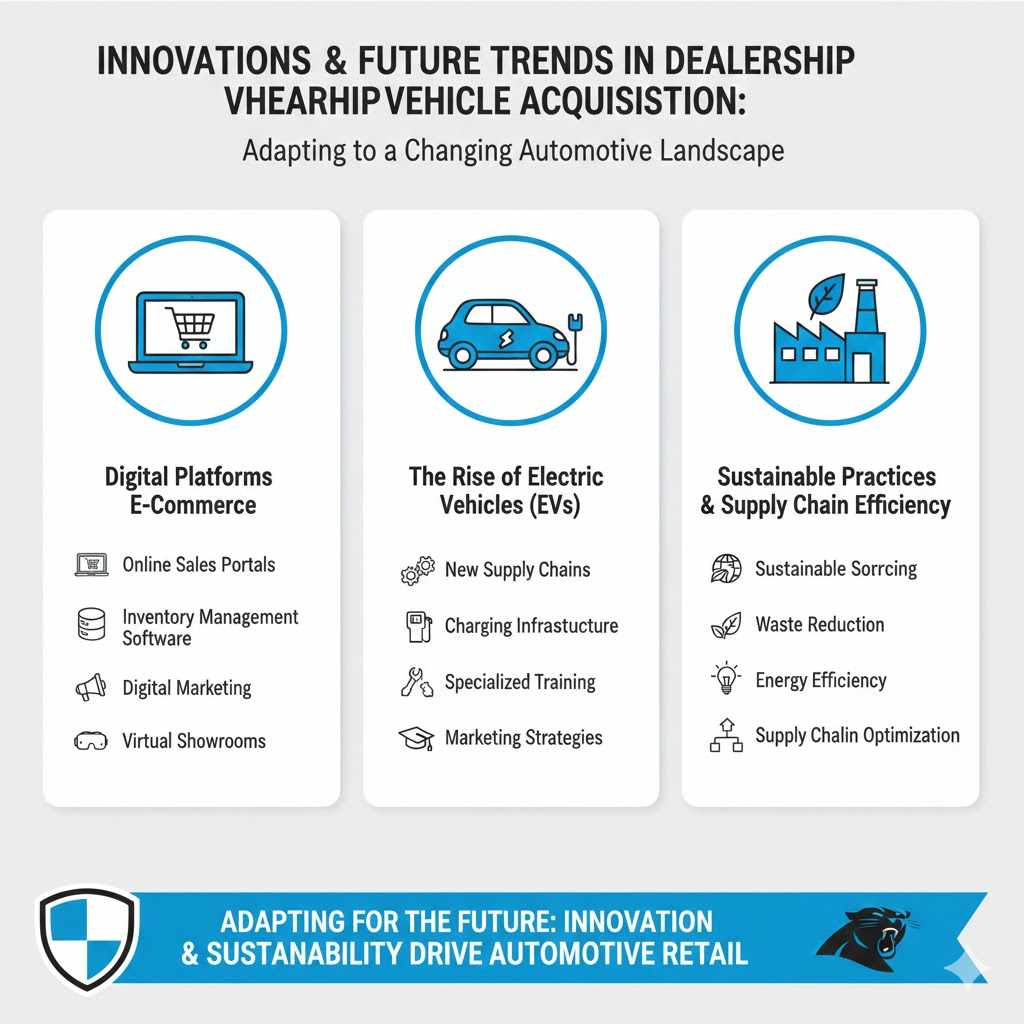
Innovations and Future Trends in Dealership Vehicle Acquisition
The car industry is always changing, and the way dealerships get their cars is no different. The future of vehicle acquisition is influenced by advances in technology, changes in consumer preferences, and the shift towards sustainability. It is very important that dealerships adapt to these changes to stay competitive and provide value to their customers. The main goal is to be effective and have a good strategy for the future.
Digital Platforms and E-Commerce
Digital platforms and e-commerce are changing the way dealerships acquire and sell vehicles. Online sales portals allow customers to do a lot of things. Customers can search for cars, get financing, and even finish the purchase process without going to the dealership. Dealerships are using digital tools to boost their inventory. They use these tools to find vehicles, manage their inventory, and connect with customers. This helps to improve the shopping experience. Dealerships use tools to handle inventory and connect with customers. E-commerce platforms give dealerships a wider reach.
- Online Sales Portals: Customers can order and buy cars online.
- Inventory Management Software: Dealerships use software to track their inventory.
- Digital Marketing: Marketing campaigns can attract more customers online.
- Virtual Showrooms: Customers can see cars and get details from home.
Dealerships are changing to include these digital solutions. They must invest in good websites. They must also be sure that their customer service is great. Digitalization is changing the car industry. This results in more transparency. It allows customers to access information and complete their purchases from the comfort of their homes.
The Rise of Electric Vehicles (EVs)
The rise of electric vehicles (EVs) has a big impact on how dealerships get and sell cars. EVs are becoming more popular. They have new supply chains, service requirements, and selling points. Dealerships must change how they handle EVs to match the needs of customers. Dealerships will need to provide charging stations. The mechanics will need to get special training. Dealerships will need to emphasize the benefits of EVs. Dealerships will have to offer a wide range of choices to be competitive.
- New Supply Chains: EVs have parts that are unique to them.
- Charging Infrastructure: Dealerships need to provide charging stations.
- Specialized Training: Technicians need to be trained to work on EVs.
- Marketing Strategies: The benefits of EVs must be highlighted.
Dealerships are investing in EV infrastructure and training. Dealerships are also partnering with manufacturers. This will lead to changes in vehicle acquisition. Dealerships must understand the differences between EVs and traditional vehicles. They must also adapt their strategies to get a larger share of the EV market.
Sustainable Practices and Supply Chain Efficiency
Dealerships are embracing sustainable practices and making their supply chains more efficient. This involves many things. It involves sourcing materials from sustainable sources, lowering waste, and making their operations more efficient. Dealerships are looking for ways to make the process more eco-friendly. This means using sustainable sourcing. It means using materials that can be reused and recycled. Dealerships are trying to make their supply chains greener. This helps to decrease the impact that cars have on the environment. Sustainable supply chain efficiency is becoming a key factor in the car industry.
- Sustainable Sourcing: Using materials that come from eco-friendly sources.
- Waste Reduction: Cutting down on waste and reusing materials.
- Energy Efficiency: Cutting down on energy use in operations.
- Supply Chain Optimization: Make the process run more efficiently.
Dealerships can attract customers who want to make environmentally responsible purchases. By taking actions, dealerships are not only reducing their carbon footprint but are also making their business more efficient. Sustainable practices and a focus on supply chain efficiency are key to the future of dealerships.
Frequently Asked Questions
Question: What is “floor planning?”
Answer: Floor planning is a financial tool used by dealerships to fund the purchase of new vehicles. It provides dealerships with loans to cover the cost of inventory, which are then repaid as the vehicles are sold. This is a very common approach to keep vehicles in stock at the dealership.
Question: How do dealerships price their cars?
Answer: Dealerships price their cars using several strategies. This includes considering the manufacturer’s suggested retail price (MSRP) and market value. They also take into account factors like negotiation and profit margins. Dealerships will try to set the price at a point that satisfies the customer while still allowing them to make a profit.
Question: Where do dealerships get their used cars?
Answer: Dealerships source their used cars from a variety of places. They commonly take trade-ins from customers. They also purchase vehicles at auto auctions or directly from individuals. These sources provide a diverse inventory of used vehicles for dealerships to sell.
Question: How is vehicle allocation determined?
Answer: Vehicle allocation is based on several things. Factors include the dealership’s sales performance, the local market demand, and the manufacturer’s production capacity. Manufacturers use this system to make sure that the dealerships get enough cars to meet customer needs. Dealerships can also earn incentives for hitting sales goals.
Question: What are some of the key regulations dealerships must follow?
Answer: Dealerships must follow several regulations to operate legally. These include licensing and compliance rules, consumer protection laws, and environmental and safety standards. Dealerships have to make sure they follow these rules. They must follow them to protect consumers and maintain ethical practices.
Final Thoughts
So, we’ve explored the process that answers How Do Dealerships Get Their Cars? From coordinating with manufacturers and securing inventory through auctions and trade-ins, to the financing and regulations they must keep track of, it’s clear the vehicle acquisition journey is detailed. Dealerships use different financial methods, pricing plans, and inventory controls to keep things running. With changes in technology, digital platforms, and more focus on environmentally friendly methods, the way dealerships operate is still evolving.
Keep in mind the importance of the environment, customer satisfaction, and following all rules. This will give you a better grasp of the car buying journey. If you are ever in the market to buy a car, take your time and explore how the process works. You’ll be ready to get your vehicle and know how it got there. Good luck!