A Blast from the Past: Car Phones in the 1970s
I remember watching old detective shows with my dad. The hero would pick up a big, clunky phone in his car and make a call. I thought, How did car phones work in the 70s? They seemed so cool! In this article, I’ll explain how those car phones worked in simple words. You’ll learn what they were, how they connected, and why they mattered. Whether you’re a kid curious about old tech or a fan of vintage cars, this is for you. Let’s dive into the world of 1970s car phones!
What Were Car Phones in the 1970s?
Car phones were special phones built into cars. They let people make calls while driving. In the 1970s, they were a big deal. Only rich people or important workers, like doctors or detectives, had them. They weren’t like today’s cell phones. They used radio signals to connect to a phone network.
Car phones started in the 1940s but got better in the 1970s. They were heavy, expensive, and tricky to use. Still, they were exciting because they let you talk from your car!
How Did Car Phones Work in the 70s?
Car phones used radio signals to connect to a phone network. Here’s how they worked, step by step:
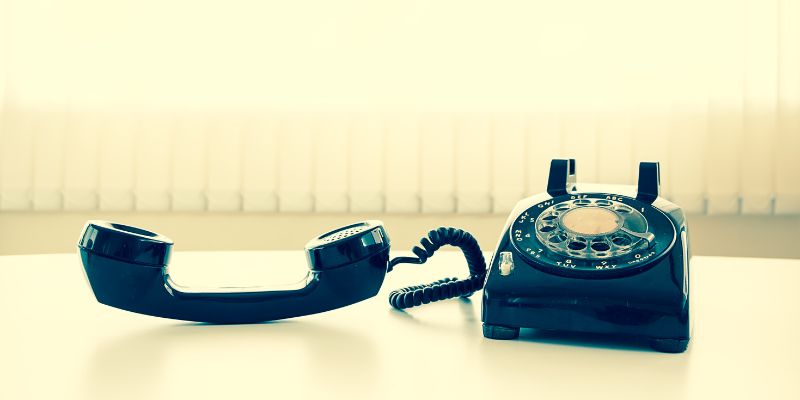
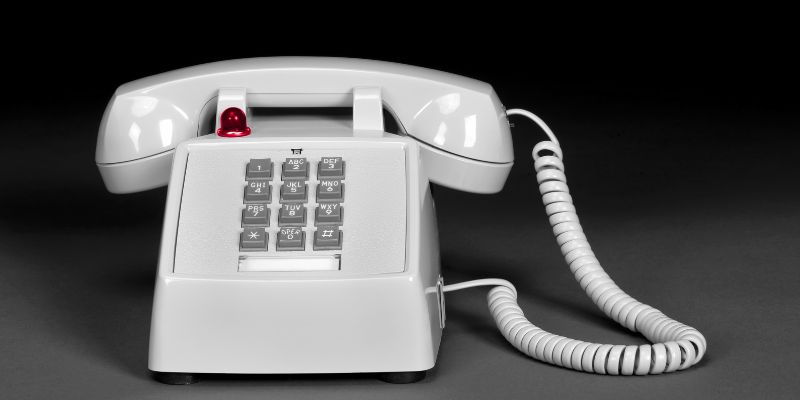
- You picked up the phone. The car phone had a handset, like a home phone, with a curly cord.
- It sent a radio signal. A box in the car’s trunk turned your voice into a radio wave.
- The signal reached a tower. A nearby antenna caught the signal and sent it to a phone company.
- An operator helped. Sometimes, a person at the phone company connected your call.
- You talked! Your voice went through the radio waves to the other person.
This system was called the Mobile Telephone Service (MTS) or Improved Mobile Telephone Service (IMTS). It was slow and had limits, but it was amazing for the time.
The Role of Radio Signals
Car phones used radio waves, like a walkie-talkie. A big box in the car’s trunk held the radio equipment. This box sent signals to a tall antenna, often miles away. The antenna linked to the phone company’s network. You could only call if you were near an antenna. If you drove too far, the call dropped.
The Operator’s Job
In the early 1970s, many car phones needed an operator. You’d press a button, and a light would flash at the phone company. The operator would answer and connect your call. By the late 1970s, newer systems like IMTS let you dial numbers yourself. This was a big upgrade!
What Did You Need for a Car Phone?
Car phones needed special equipment. Here’s what was in a typical setup:
- Handset: A phone with a curly cord, usually on the dashboard.
- Transceiver: A big box in the trunk that sent and received radio signals.
- Antenna: A tall rod on the car to catch and send signals.
- Power: The car’s battery powered the phone, but it used a lot of energy.
You also needed a phone company plan. These plans were expensive, often costing hundreds of dollars a month. Only fancy cars, like limousines or luxury sedans, had car phones.
Table 1: Car Phone Components
| Part | What It Did | Where It Was |
|---|---|---|
| Handset | Let you talk and dial | Dashboard or console |
| Transceiver | Sent and received radio signals | Car trunk |
| Antenna | Connected to the phone company’s tower | Outside the car |
| Battery | Powered the phone | Car’s engine |
| Caption: A simple breakdown of car phone parts in the 1970s. |
Benefits of 1970s Car Phones
Car phones were a game-changer. Here are some reasons people loved them:
- Talk anywhere (almost): You could call from your car, which was new and exciting.
- Business power: Doctors, lawyers, and businesspeople stayed connected on the go.
- Cool factor: Having a car phone made you look rich and important.
Drawbacks of 1970s Car Phones
Car phones weren’t perfect. They had big problems:
- Expensive: They cost a lot to buy and use.
- Heavy equipment: The gear weighed up to 80 pounds!
- Limited range: You could only call near a tower.
- Few channels: Only a few people could call at once, so lines were busy.
Table 2: Car Phones vs. Modern Cell Phones
| Feature | 1970s Car Phone | Modern Cell Phone |
|---|---|---|
| Size | Big and heavy (80 pounds) | Small and light (fits in pocket) |
| Cost | Very expensive ($2000+ to install) | Affordable ($100-$1000) |
| Range | Limited to nearby towers | Works almost anywhere |
| Ease of Use | Needed operator or complex dialing | Easy to use with apps |
| Caption: Comparing car phones to today’s cell phones shows big changes. |
My Tips for Understanding Car Phones
I’ve always loved old tech. Here are my tips for learning about car phones:
- Watch old shows: Shows like Columbo or Charlie’s Angels show car phones in action. They had big handsets and curly cords.
- Visit a museum: Some car or tech museums have working car phones. You can see how heavy they were!
- Talk to older folks: Ask your grandparents if they saw car phones. They might share fun stories.
These tips help you feel what 1970s car phone life was like.
Common Mistakes to Avoid
When exploring car phones, avoid these mistakes:
- Thinking they were like cell phones: Car phones used radio, not cell networks.
- Assuming they were common: Only rich or important people had them.
- Forgetting the operator: Early car phones often needed a person to connect calls.
Visual Ideas for Car Phones
To understand car phones better, imagine these visuals:
- Diagram of a car phone setup: Show the handset, transceiver, and antenna in a car.
- Map of signal range: A simple map showing how far a car phone’s signal reached.
- Photo of a 1970s car phone: A picture of a clunky handset in a fancy car.
These visuals would make the tech easier to picture.
A Personal Story
When I was a kid, my uncle had a car phone in his big Cadillac. It was 1978, and I thought he was a spy! The phone was huge, with a curly cord. He’d call his office while driving, and I’d stare in awe. Once, the call dropped because we drove too far from the tower. He laughed and said, “That’s car phones for you!” That memory makes me love learning about this old tech.
How Car Phones Led to Cell Phones
Car phones helped create today’s cell phones. In the 1970s, companies like Motorola tested car phone tech. They learned how to make radio signals better. By the 1980s, this led to the first cell phones, like the Motorola DynaTAC. Car phones were the first step to phones you could carry anywhere.
Table 3: Evolution of Mobile Phones
| Era | Technology | Key Feature |
|---|---|---|
| 1970s | Car phones (IMTS) | Radio signals, car-based |
| 1980s | First cell phones (AMPS) | Portable, but big and heavy |
| 2000s | Smartphones | Small, with apps and internet |
| Caption: Car phones started a journey to modern smartphones. |
Conclusion
Car phones in the 1970s were big, clunky, and exciting. They used radio signals to connect calls, but only near towers. They were expensive and rare, but they changed how people talked on the go. I love how they paved the way for today’s cell phones. Want to explore more? Watch an old show or visit a tech museum to see car phones in action. Share your thoughts in the comments—what old tech do you love?
Frequently Asked Questions
What Were Car Phones in the 1970s?
Car phones were phones built into cars. They used radio signals to make calls. In the 1970s, they were rare and expensive. Only rich people or workers like doctors had them. They were heavy and needed a big antenna on the car.
How Did Car Phones Work in the 70s?
Car phones sent radio signals to a tower. A box in the car’s trunk turned your voice into a signal. The tower sent it to the phone company. Sometimes, an operator connected the call. You could only call near a tower.
Why Were Car Phones So Expensive?
Car phones cost a lot because the equipment was big and complex. The transceiver and antenna were pricey to make. Phone company plans were also expensive, often $2000 to install and hundreds monthly. Only wealthy people could afford them.
Could Anyone Use a Car Phone?
No, car phones were for rich or important people. Doctors, lawyers, or businesspeople used them for work. They were too expensive for most people. You also needed to be near a tower to make calls.
How Are Car Phones Different from Cell Phones?
Car phones used radio signals and were stuck in cars. They needed big equipment and had limited range. Cell phones are small, portable, and use cell networks. They work almost anywhere and are much cheaper today.
Did Car Phones Work Everywhere?
No, car phones only worked near phone company towers. If you drove too far, the signal dropped. Cities had better coverage, but rural areas often had no signal. This made car phones less reliable than modern phones.
Are Car Phones Still Used Today?
Car phones are mostly gone. Cell phones replaced them in the 1990s. Some collectors restore old car phones for fun, using modern tech like Bluetooth. But for everyday use, cell phones are much better.