How Do Remote Controlled Cars Work?
Hey there! Have you ever watched a remote-controlled (RC) car zoom across the pavement and wondered how it all works? I sure did when I got my first RC car as a kid, and that curiosity stuck with me. I’ve spent years tinkering with these little speedsters, from racing them in my driveway to building custom models in my garage. There’s something so cool about controlling a car from afar, whether it’s a tiny racer or a rugged off-roader. If you’re curious about how remote-controlled cars work, you’re in the right place.
I’ll break it down for you, sharing what I’ve learned from countless hours of driving, fixing, and upgrading my own RC cars. This article will cover the tech, the mechanics, and the fun behind these toys, all in a way that’s easy to follow for anyone. Let’s rev up and explore the world of RC cars together!
What Is a Remote-Controlled Car?
Let’s start with the basics. A remote-controlled car is a small vehicle you control using a handheld device, like a radio transmitter. I remember my first one—a bright blue buggy that zipped around on battery power. These cars can be electric or gas-powered, toy-grade for kids, or hobby-grade for enthusiasts like me who love tweaking them.
RC cars mimic real cars in many ways, with motors, steering, and suspension. But instead of sitting inside, you’re the puppet master from a distance. I’ve seen RC cars as small as my hand and as big as a skateboard, each with its charm. They’re used for racing, stunts, or just cruising around for fun.
The Main Components of an RC Car
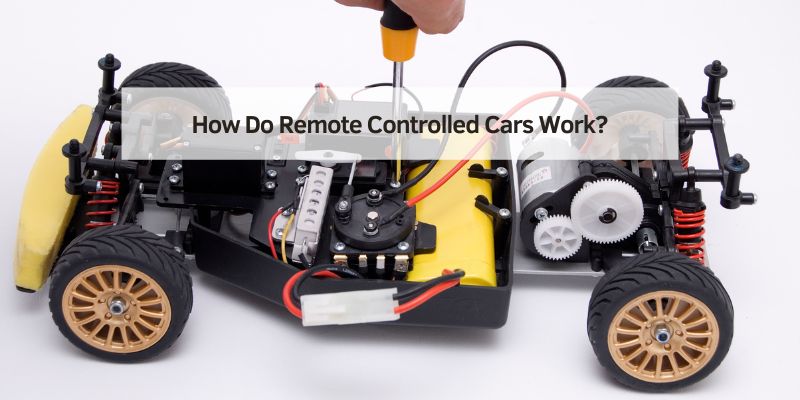
Every RC car has a few key parts that make it tick. I’ve taken apart plenty of these cars, and here’s what I’ve found inside:
Chassis
The chassis is the car’s skeleton. It holds everything together. My favorite RC car has a metal chassis for durability, but plastic ones are common in cheaper models. The chassis supports the wheels, motor, and electronics. I learned the hard way that a flimsy chassis can crack during a rough landing, so I always check mine before a race.
Motor or Engine
The motor is the heart of the car. Most RC cars I own are electric, powered by a brushless motor that spins the wheels. Brushless motors are fast and efficient, perfect for racing. Some hobby-grade cars use nitro or gas engines, which I’ve tried—they’re loud and powerful but need more maintenance.
Battery or Fuel Tank
Electric RC cars run on rechargeable batteries, usually lithium-polymer (LiPo) or nickel-metal hydride (NiMH). My go-to is a LiPo battery because it’s lightweight and lasts longer. I get about 20 minutes of runtime before needing a recharge. Nitro cars have a fuel tank for methanol-based fuel, which I’ve used for outdoor racing—it’s messy but gives a real engine roar.
Electronic Speed Controller (ESC)
The ESC is like the car’s brain for electric models. It controls how much power the motor gets from the battery. I upgraded my ESC once to handle a stronger motor, and it made my car lightning-fast. The ESC also lets you adjust speed smoothly, which is great for precise driving.
Receiver
The receiver is a small box that picks up signals from your transmitter. I’ve opened up my cars to see this tiny device tucked near the motor. It listens for your commands—like “go forward” or “turn left”—and tells the car what to do. A good receiver means better control, especially at long distances.
Servo
The servo is a little motor that moves the steering. When I push the stick on my transmitter, the servo turns the front wheels. I replaced a cheap servo in my first car with a metal-gear one, and it made steering so much smoother. Some cars have extra servos for things like shifting gears in nitro models.
Transmitter
This is the remote you hold. My transmitter looks like a pistol with a trigger for speed and a wheel for steering. It sends radio signals to the receiver in the car. I love my 2.4GHz transmitter because it doesn’t interfere with other racers’ signals, unlike older models I used.
Wheels and Suspension
Wheels and tires vary by terrain. I use knobby tires for off-road and slick ones for pavement racing. The suspension, shocks, and springs keep the car stable over bumps. I tweaked my buggy’s shocks to handle jumps better, and it’s like night and day.
How the Remote Control System Works
The magic of RC cars is in the remote control system. I was amazed when I first learned how it works. The transmitter sends radio waves to the receiver in the car. These waves carry instructions, like “speed up” or “turn right.” My modern RC cars use 2.4GHz frequencies, which are super reliable and let multiple cars race without interference.
When I pull the trigger on my transmitter, it sends a signal to the receiver. The receiver tells the ESC to send power to the motor, making the car move. If I turn the steering wheel, the receiver signals the servo to move the wheels. It all happens in a split second, which feels like magic when I’m racing.
Older RC cars used AM or FM frequencies, but I’ve had issues with interference at crowded tracks. The 2.4GHz systems I use now pair automatically with the car, so I don’t have to mess with channels. It’s made racing so much easier.
Powering the RC Car
Power is what brings an RC car to life. I’ve worked with both electric and nitro cars, and each has its own vibe.
Electric Power
Most of my RC cars are electric because they’re easy to use. The battery sends electricity to the ESC, which controls the motor. I charge my LiPo batteries for about an hour, and they give me 15-30 minutes of run time, depending on how hard I push the car. Electric cars are quiet, which I love for backyard driving, and they need less maintenance than nitro.
The downside? Batteries run out fast if you’re racing at full speed. I always carry spares and a charger to keep the fun going. I also learned to store LiPo batteries safely in a fireproof bag after hearing about rare fire risks.
Nitro Power
Nitro cars run on a mix of methanol, nitromethane, and oil. I tried a nitro monster truck once, and the engine sound was awesome—like a mini race car. The fuel tank feeds the engine, which drives the wheels through a transmission. Nitro cars can run longer than electric ones, about 10-15 minutes per tank, but refueling is messy.
Nitro engines need tuning, like adjusting the carburetor. I spent hours getting it right, and it’s not for beginners. They’re also louder, so I only use nitro cars in open areas to avoid annoying neighbors.
Steering and Control
Steering an RC car feels like driving a real one, but from a distance. The servo moves the front wheels based on my transmitter inputs. I’ve found that precise steering makes all the difference in tight races. My high-end RC car has adjustable steering sensitivity, so I can make it twitchy for quick turns or stable for long straights.
Some advanced cars have four-wheel steering, which I’ve tried—it’s wild how nimble they are. The suspension also helps with control, absorbing shocks so the wheels stay on the ground. I upgraded my buggy’s shocks to oil-filled ones, and it handles corners like a dream.
Types of RC Cars
RC cars come in all flavors, and I’ve played with most of them. Here’s what I’ve learned about the main types:
On-Road Cars
These are built for pavement. My on-road racer has slick tires and a low chassis for speed. They’re great for smooth surfaces like parking lots. I hit 40 mph with one, which was thrilling but hard to control. They’re not good for rough terrain, though—I broke a wheel hitting a curb.
Off-Road Buggies
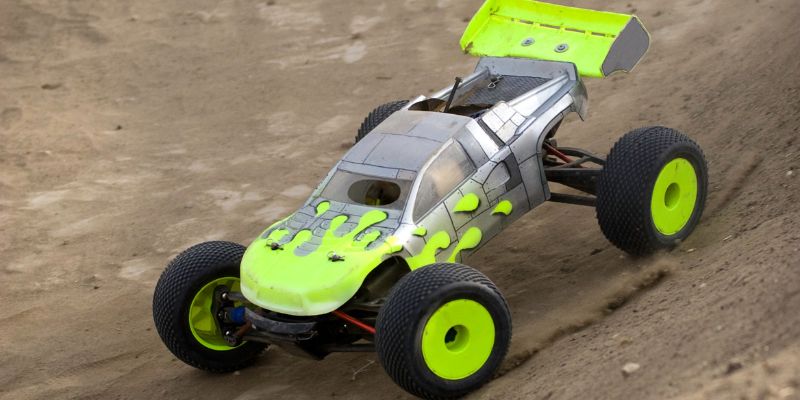
Buggies are my favorite for versatility. They have knobby tires and high ground clearance. I take mine to dirt tracks and grassy fields, and it handles jumps and rocks like a champ. They’re slower than on-road cars but tougher.
Monster Trucks
Monster trucks are all about crushing obstacles. I have one with huge tires that rolls over logs and curbs. They’re slower but super fun for stunts. I broke an axle once from a bad landing, so I’m careful with jumps now.
Crawlers
Rock crawlers are for slow, technical driving. I took one to a rocky trail, and it climbed like a mountain goat. They have flexible suspension and grippy tires. They’re not fast, but I love the challenge of picking the right path.
Drift Cars
Drift cars are for sliding around corners. I tried one with hard tires that make it easy to drift. It’s like a mini Fast and Furious movie. They’re tricky to master, but I got the hang of it after a few crashes.
How to Get Started with RC Cars
If you’re new to RC cars, I’ve got some tips based on my journey:
- Start Simple: I began with a $50 toy-grade car to learn the basics. It wasn’t fancy, but it taught me how to drive.
- Choose Electric: Electric cars are easier for beginners. My first hobby-grade car was electric, and I didn’t have to deal with fuel.
- Buy from Reputable Brands: I stick to brands like Traxxas or Arrma. They’re reliable, and parts are easy to find.
- Join a Community: I found a local RC club, and the members taught me so much. Online forums are great, too.
- Practice Maintenance: I learned to clean my car after every run and check for loose screws. It keeps it running longer.
Starting small helped me build skills before diving into expensive models.
Maintaining Your RC Car
Keeping an RC car in top shape is key. I’ve broken plenty of parts by neglecting maintenance. Here’s what I do:
- Clean After Use: Dirt and dust can gum up the motor. I brush off my car and use compressed air for tight spots.
- Check Batteries: I test my LiPo batteries with a charger to ensure they’re healthy. Weak batteries ruin performance.
- Tighten Screws: Vibrations loosen screws. I check them with a screwdriver after every few runs.
- Lubricate Gears: I add gear oil to the transmission to keep it smooth. It’s a quick job that saves wear.
- Replace Worn Parts: Broken shocks or worn tires slow you down. I keep spares in my toolbox for quick fixes.
Regular care makes my cars last years instead of months.
Upgrading Your RC Car
One thing I love about RC cars is upgrading them. I’ve turned basic models into beasts. Here are upgrades I’ve tried:
- Better Motor: A brushless motor boosted my buggy’s speed by 20 mph. It’s a $50-$100 upgrade.
- Stronger Battery: A higher-capacity LiPo battery gave me longer run times. I spent $40 for one.
- Upgraded ESC: A programmable ESC let me fine-tune performance. It cost $60 but was worth it.
- Tougher Tires: I swapped cheap tires for grippy ones. They cost $20 and improved handling.
- Metal Parts: Replacing plastic gears with metal ones made my car tougher. I spent $30 on a gear set.
Upgrades are fun but can add up, so I budget carefully.
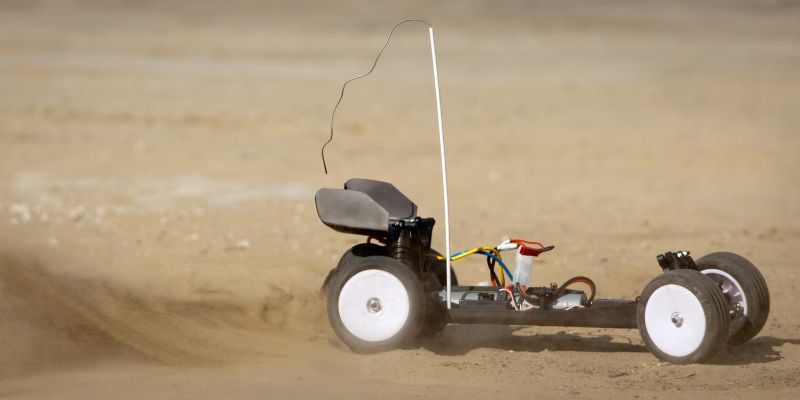
Table of RC Car Types and Features
Here’s a table I made to compare RC car types based on my experience:
| Type | Best For | Pros | Cons | Price Range |
|---|---|---|---|---|
| On-Road | Pavement racing | Fast, precise handling | Fragile on rough terrain | $50-$300 |
| Off-Road Buggy | Dirt, grass, jumps | Durable, versatile | Slower than on-road | $100-$400 |
| Monster Truck | Stunts, obstacles | Tough, fun for crushing | Heavy, less agile | $100-$500 |
| Rock Crawler | Rocky trails | Excellent grip, technical driving | Very slow | $150-$600 |
| Drift Car | Sliding, drifting | Stylish, fun to master | Hard to control, niche use | $100-$350 |
This table helps me pick the right car for my mood or terrain.
My Personal Experience
My RC journey started with a cheap toy car that broke in a week. But it hooked me. I saved up for a Traxxas buggy, and it’s been my pride and joy. I’ve raced it, crashed it, and rebuilt it stronger. One time, I upgraded the motor and hit 50 mph—scary fast! I’ve also tried nitro cars, but the maintenance drove me back to electric. Joining a local RC club was a game-changer; I learned tricks like tuning shocks and made friends who share the hobby. Now, I’m always tweaking my cars or hunting for new tracks to race on.
Conclusion
Remote-controlled cars are more than toys—they’re a blend of tech, mechanics, and pure fun. From the transmitter sending signals to the motor spinning the wheels, every part works together to create a thrilling experience. I’ve loved learning how these cars work, from fixing broken servos to racing at top speed. Whether you’re a kid with a basic model or an enthusiast building a custom racer, there’s something for everyone. Try my tips, start small, and dive into the RC world—you’ll be hooked like I am. Got more questions? Check out the FAQs below for quick answers!
FAQs
How does the remote control talk to the RC car?
It sends radio waves to the car’s receiver. My 2.4GHz transmitter connects instantly, so I can control it from 100 feet away.
Are electric RC cars better than nitro ones?
Electric is easier and quieter. I prefer electric for backyard fun, but nitro’s engine sound is awesome for racing.
How long do RC car batteries last?
My LiPo batteries give me 15-30 minutes of driving. I carry spares to keep going longer.
Can I upgrade a cheap RC car?
Yes, but it’s limited. I added better tires to a $50 car, but hobby-grade models have more upgrade options.
Why does my RC car keep losing control?
It could be a weak battery, loose servo, or interference. I fixed mine by checking the battery and tightening screws.
How do I start racing RC cars?
Get a hobby-grade car and join a local club. I started with a $150 buggy and learned from racers at my track.