How Do You Add Coolant To Your Car? Here’S The Right Way
Adding coolant to your car involves checking the level when the engine is cold, finding the coolant reservoir, adding the correct type and mixture of coolant, and closing the cap securely. Always refer to your car’s manual for specific instructions.
What is Car Coolant and Why is it Important?
Car coolant is a special liquid. It keeps your engine from getting too hot. It also stops it from freezing in cold weather.
Think of it like your car’s thermostat. It works hard to keep things just right.
Your engine makes a lot of heat when it runs. This heat needs to go somewhere. The coolant absorbs this heat.
It then carries it away to the radiator. The radiator then cools the coolant down.
This cycle happens constantly. It keeps your engine at its best working temperature. Without enough coolant, or if the coolant is old, your engine can overheat.
This can cause serious damage.
Coolant also has special additives. These stop rust and corrosion inside your engine parts. These parts are often made of metal.
Rust can block things up and make them break.
So, having the right amount of fresh coolant is key. It protects your engine. It helps it last longer.
It also saves you from costly repairs down the road.
My First Time Adding Coolant
I remember the first time I had to add coolant. My car’s temperature gauge was creeping up. I felt a knot of panic in my stomach.
I was only 19 and driving an older car.
I pulled over and popped the hood. Everything looked hot and steamy. I had no idea what I was doing.
My dad had always done it. I called him, my voice shaking a little.
He calmly talked me through it. He told me to wait until the engine cooled. He explained where the plastic tank was.
He told me what color coolant to look for. I felt a wave of relief wash over me.
When it was cool enough, I found the tank. It had markings on the side. I unscrewed the cap.
The tank was almost empty. I had grabbed the wrong kind of coolant from the store by mistake earlier. Luckily, my dad reminded me to check the manual.
I ran to the store and got the right kind. It was a bright green color. I mixed it with water as he said.
Pouring it in felt like a small victory. The temperature gauge stayed normal on the rest of my trip. It was a simple fix but felt huge to me then.
Understanding Your Car’s Cooling System
Your car’s cooling system is a network of parts. They all work together. The main parts are the engine, radiator, water pump, thermostat, and hoses.
The engine creates the heat. It’s like a tiny furnace. The coolant circulates through it.
It picks up the heat. This is where the magic happens.
The radiator is like a big, flat grid. It sits at the front of your car. Air flows through its fins as you drive.
This air cools the hot coolant inside.
The water pump is what pushes the coolant around. It’s like the heart of the system. It keeps the coolant flowing.
It needs to be in good shape.
The thermostat controls the coolant flow. It’s like a valve. When the engine is cold, it stays closed.
This helps the engine warm up faster. Once it’s hot enough, it opens. This lets the coolant go to the radiator.
Hoses connect all these parts. They are usually made of strong rubber. They carry the hot and cool coolant between the engine and radiator.
Cooling System Parts at a Glance
Engine: Generates heat.
Radiator: Cools the coolant with air.
Water Pump: Circulates the coolant.
Thermostat: Regulates coolant flow based on temperature.
Hoses: Connect system parts.
All these parts must work together. If one part fails, the whole system can struggle. That’s why checking your coolant is so vital.
When and Why to Check Your Car’s Coolant Level
You should check your coolant level often. A good habit is to check it once a month. Also, check it before long road trips.
This is especially true if you live in a hot climate.
The most important rule is: check when the engine is cold. Never open the radiator cap when the engine is hot. The system is under pressure. Hot coolant can spray out.
This can cause severe burns.
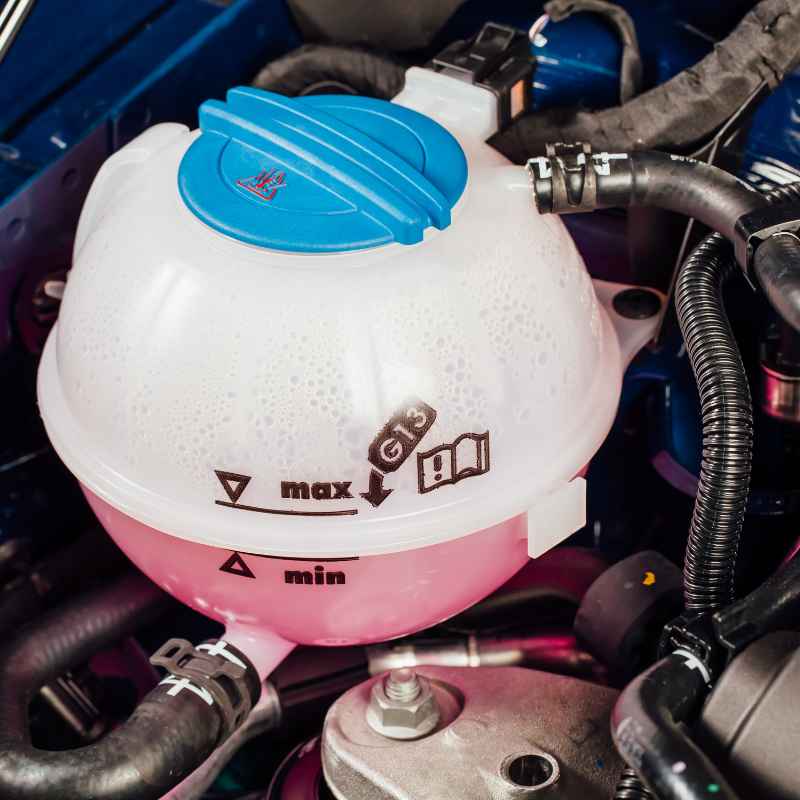
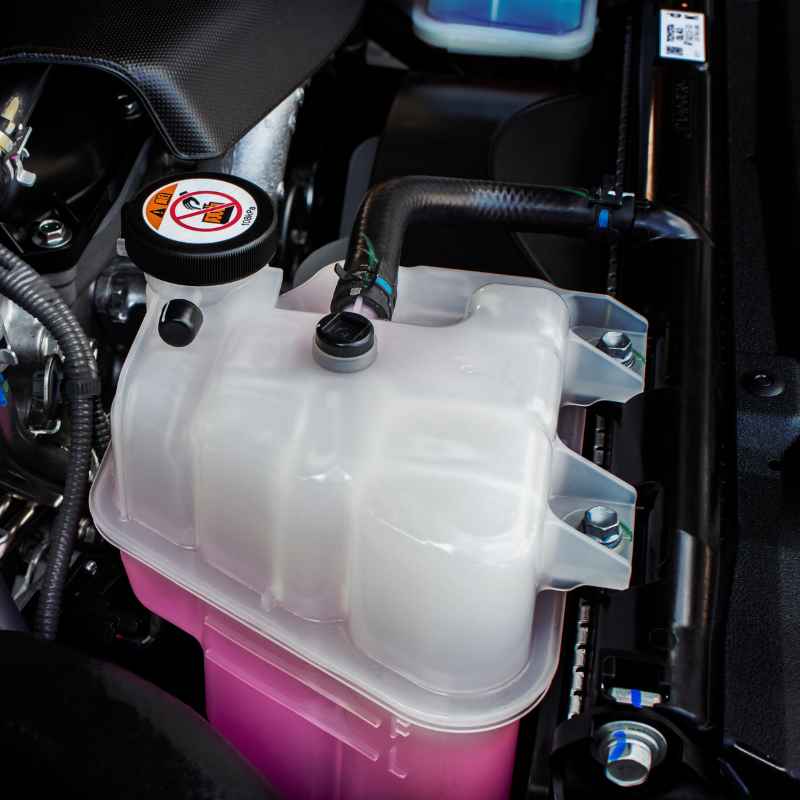
You’ll find a plastic reservoir. It’s usually near the radiator. It has “Min” and “Max” lines.
The coolant level should be between these lines. If it’s low, you need to add more.
Why does it get low? Sometimes it’s just normal evaporation. But often, it means there’s a small leak.
Leaks are common. They can be in hoses, the radiator, or the water pump.
If you see bright colored puddles under your car, that’s a sign. Coolant comes in different colors. The most common are green, orange, pink, and blue.
These puddles are a clear warning sign.
Another sign is your car’s temperature gauge. If it’s higher than normal, check your coolant. If you see steam coming from under the hood, stop the car right away.
Let it cool and check the coolant.
Coolant Check-Up Schedule
- Monthly: Quick visual check of the reservoir.
- Before Long Trips: More thorough check.
- After Warning Lights: Immediate check if temp gauge is high.
- If Puddles Appear: Check immediately.
Regular checks catch problems early. This can save you big money. It also keeps you safe on the road.
A safe car is a happy car.
Choosing the Right Type of Coolant
This is super important. Not all coolants are the same. Using the wrong kind can cause problems.
It might not protect your engine properly. It could even damage it.
Coolants are often categorized by color and technology. The main types are IAT (Inorganic Additive Technology), OAT (Organic Acid Technology), and HOAT (Hybrid Organic Acid Technology).
IAT coolants are older. They often have phosphates and silicates. They are usually green.
They work well but might not last as long.
OAT coolants are newer. They use organic acids. They last longer.
They are often orange or red. They don’t have silicates or phosphates.
HOAT coolants are a mix. They use organic acids with silicates. They are often yellow or blue.
They offer good protection and long life.
Always check your car’s owner’s manual. It will tell you exactly what type of coolant your car needs. It might also tell you the correct color. Don’t guess!
Also, coolant needs to be mixed with water. Usually, it’s a 50/50 mix. This is for most climates.
This mix gives you the best protection against boiling and freezing.
You can buy pre-mixed coolant. This is a 50/50 blend already done for you. Or, you can buy concentrated coolant.
You’ll need to add distilled water to that.
Coolant Mix Matters
50/50 Mix: Best for most areas. Protects against freezing and boiling.
Distilled Water: Use only distilled water for mixing. Tap water has minerals. These can cause problems in your cooling system.
Pre-Mixed: Convenient option, already blended.
Concentrated: Needs to be mixed with distilled water.
If you’re unsure, ask your mechanic. They can tell you the right coolant for your make and model. Getting this right is a big step.
How to Add Coolant: Step-by-Step
Okay, let’s get to the actual process. Remember, safety first. Always work on a cool engine.
Step 1: Locate the Coolant Reservoir. It’s a translucent plastic tank. It’s usually on the side of the engine. Look for hoses connected to it.
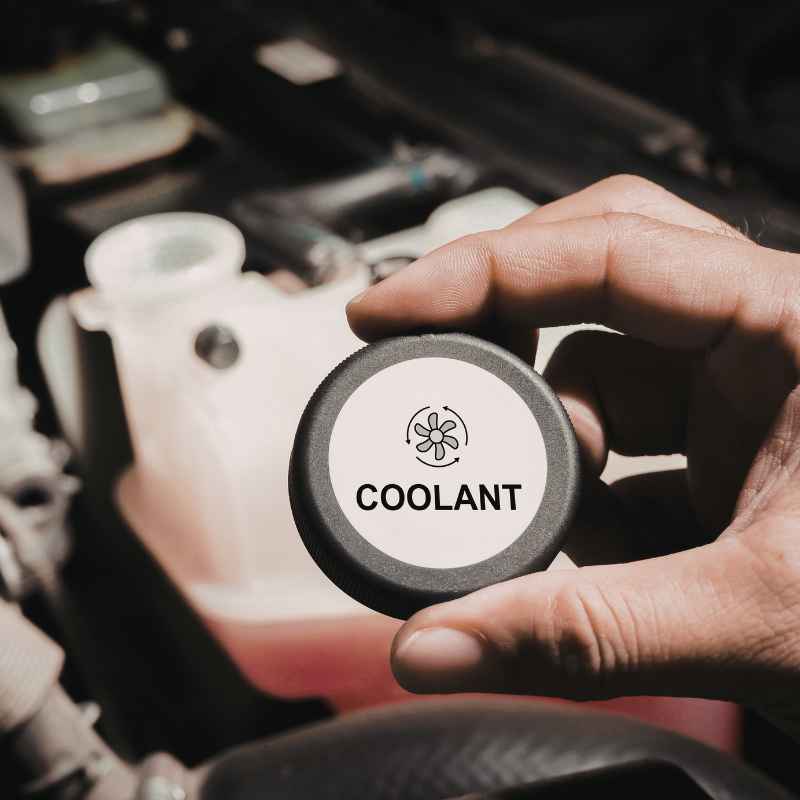
It will have MIN and MAX lines on it. Sometimes it’s labeled “Coolant” or “Antifreeze.”
Step 2: Check the Coolant Level. Look at the side of the reservoir. See where the coolant level is. Is it below the MIN line?
If so, it needs more coolant.
Step 3: Gather Your Supplies. You’ll need the correct type of coolant. You’ll also need distilled water if you have concentrated coolant. Have a funnel ready.
A rag or paper towels are good too.
Step 4: Open the Reservoir Cap. Make sure the engine is totally cool. Gently twist and lift the cap. It might be a bit stiff.
Never force it if the engine is warm.
Step 5: Add Coolant. If your coolant is low, slowly pour in the correct coolant. If you’re using a 50/50 mix, pour that in. If you have concentrated coolant, mix it with distilled water first in a separate container.
Pour the mixture into the reservoir.
Fill it up to the MAX line. Do not overfill it. Overfilling can cause issues too.
Step 6: Close the Cap. Put the cap back on the reservoir. Make sure it’s tight. This keeps dirt and air out.
Step 7: Clean Up. Wipe up any spilled coolant. Coolant is toxic to pets and wildlife. It smells sweet but is harmful.
Dispose of rags properly.
Step 8: Start the Engine. Start your car. Let it run for a few minutes. Keep an eye on the temperature gauge.
Make sure it stays in the normal range.
Step 9: Re-check the Level. After the engine has run for a bit, shut it off. Wait for it to cool down again. Then, check the coolant level in the reservoir one more time.
It might have dropped slightly as the coolant circulated through the system. Add a little more if needed, up to the MAX line.
Quick Coolant Top-Up Checklist
- Engine must be COLD.
- Find the reservoir.
- Check MIN/MAX lines.
- Use correct coolant type.
- Use distilled water if mixing.
- Pour slowly to MAX line.
- Cap it tight.
- Run engine, check temp.
- Re-check level when cool.
It sounds like a lot, but it’s pretty straightforward. Taking your time makes all the difference.
What If Your Coolant is Dirty or Old?
Sometimes, you’ll look in the reservoir, and the coolant won’t look right. It might be rusty brown. It might have little particles floating in it.
This means it’s time for a coolant flush.
Adding fresh coolant to old, dirty coolant isn’t the best solution. The old coolant is less effective. It might have lost its protective additives.
It might be full of gunk.
A coolant flush is like giving your car’s cooling system a deep clean. It involves draining out all the old coolant. Then, you run a special cleaning solution through the system.
Finally, you refill it with fresh coolant.
This is a job many people do themselves. Others prefer to have a mechanic do it. It’s a bit more involved than just topping up.
If your coolant looks like sludge, don’t just keep adding more. It’s a sign of a bigger issue. Over time, coolant breaks down.
It can become acidic. This can eat away at metal parts.
Signs Your Coolant Needs Changing
Color Change: Rusty brown or murky. (Should be bright green, orange, pink, etc.)
Floating Debris: Gunk, rust flakes, or other particles.
Smell: A burnt or sweet smell.
Overheating: Consistent high temperature gauge readings.
Mileage/Time: Coolant has a lifespan. Check your manual. It’s often every 30,000 to 100,000 miles, or every 2-5 years.
Changing your coolant on schedule is part of good car maintenance. It keeps the whole system working efficiently. It prevents those expensive breakdowns.
Common Mistakes to Avoid
Even with simple tasks, mistakes can happen. For adding coolant, there are a few common pitfalls. Knowing them helps you avoid them.
1. Checking a Hot Engine: We can’t say this enough. Never open the radiator or reservoir cap when the engine is hot.
The pressure is dangerous. Wait until it’s cool to the touch. This is the most critical safety rule.
2. Using the Wrong Coolant: Mixing coolant types can cause problems. It can create a gel-like substance.
This blocks your cooling system. Always use the type recommended in your car’s manual. If in doubt, ask a pro.
3. Using Tap Water: Tap water contains minerals. These minerals can build up.
They can cause corrosion and blockages. Always use distilled water for mixing coolant. It’s pure and safe.
4. Overfilling the Reservoir: The MAX line is there for a reason. Too much coolant can expand.
It might overflow. This wastes coolant. It can also make a mess and be a hazard.
5. Ignoring Leaks: If you’re constantly adding coolant, there’s a leak. Don’t just keep topping it up.
Find the leak and fix it. A small leak can become a big, costly problem quickly.
6. Not Mixing Properly: If you buy concentrated coolant, mix it correctly. The 50/50 ratio is usually best.
Too much water lowers the boiling point. Too much coolant might not transfer heat as well.
Mistake Watchlist
Hot Engine: Major burn risk.
Wrong Type: Damages system.
Tap Water: Causes deposits.
Overfilling: Wastes fluid, can cause overflow.
Ignoring Leaks: Leads to bigger damage.
Being aware of these common errors helps you do the job right. It gives you peace of mind.
When to Call a Professional
While adding coolant is often a DIY task, there are times when it’s best to let a mechanic handle it.
If you see a significant leak, especially if you can’t find it, call a mechanic. Leaks can be in hard-to-reach places. They might require special tools to fix.
If your car is constantly overheating, even after adding coolant, there might be a more serious problem. It could be a faulty water pump, a clogged radiator, or a bad thermostat. These need expert diagnosis.
If you notice strange noises coming from the engine area, like a whining or grinding sound, it could be the water pump. That’s a sign to see a mechanic.
If you’re not comfortable working on your car, that’s okay! There’s no shame in calling a professional. They have the knowledge and equipment to do the job safely and correctly.
Also, if you’re due for a coolant flush and aren’t up for it, a mechanic can perform that service. They can also check the overall health of your cooling system.
When to See a Mechanic
Major Leaks: If you can’t find or fix a leak.
Persistent Overheating: If the problem doesn’t go away.
Strange Noises: Whining or grinding sounds from the engine.
Lack of Comfort: If you don’t feel safe or capable.
Coolant Flush Needed: If you prefer professional service.
Your car’s cooling system is vital. If you’re ever unsure, it’s always better to be safe than sorry. A mechanic can help ensure everything is working as it should.
Frequently Asked Questions
How often should I check my car’s coolant?
It’s a good habit to check your coolant level at least once a month. You should also check it before any long road trips. If you notice your car’s temperature gauge climbing higher than usual, check it immediately.
Can I mix different colors of coolant?
No, you should not mix different colors or types of coolant. They can react with each other. This reaction can create a sludge.
This sludge can clog your cooling system. Always use the type recommended by your car’s manufacturer. Check your owner’s manual for details.
What happens if I don’t have enough coolant?
If your car doesn’t have enough coolant, the engine can overheat. Overheating can cause serious damage. This can include a warped cylinder head or a blown head gasket.
These are very expensive repairs. Always keep your coolant level between the MIN and MAX marks.
Is it safe to add coolant to a hot engine?
Absolutely not. Adding coolant to a hot engine is very dangerous. The cooling system is under high pressure.
The hot coolant can spray out violently. This can cause severe burns. Always wait until the engine is completely cool before opening any caps.
What kind of water should I use to mix with coolant?
You should always use distilled water to mix with concentrated coolant. Tap water contains minerals. These minerals can build up in your cooling system.
They can cause corrosion and blockages. Distilled water is pure and will not harm your system.
How do I know if I have a coolant leak?
Signs of a coolant leak include bright-colored puddles under your car (coolant comes in green, orange, pink, or blue). You might also notice a sweet smell. Your engine might overheat more quickly than usual.
If you see steam coming from under the hood, stop the car and check for leaks after it cools.
Final Thoughts on Coolant Care
Taking care of your car’s coolant is a small act of kindness. It keeps your engine healthy. It helps prevent big problems later on.
You’ve learned how to check it. You know how to add it safely. You understand when to get help.
Remember to check your manual. Use the right coolant. Always work on a cold engine.
These simple steps will keep your car running cool.
Products related to this article
Sponsored / affiliate links. As an Amazon Associate I earn from qualifying purchases. I may earn additional commission from eligible campaigns.