How To Fix A Splash Shield Under A Car (Quick & Easy Fix)
Fixing a splash shield under your car is often a simple task. It involves checking for loose fasteners, replacing missing clips, or securing it with new hardware. This guide covers common issues and easy DIY solutions to keep your vehicle protected.
What is a Car Splash Shield?
A car splash shield is also called an underbody shield. It’s a piece of plastic or metal. It sits under your car’s engine.
It also protects other parts below. Think of it as a shield against water and road debris. It stops mud, rocks, and grime from hitting vital components.
These include the engine, transmission, and exhaust system. It also helps with aerodynamics. This means it can improve fuel efficiency a bit.
It also keeps your engine bay cleaner. This can make maintenance easier down the road.
Many cars have multiple splash shields. Some cover the engine. Others protect the area around the wheels.
Sometimes there’s a large one covering a big part of the underside. They are usually made of tough plastic. This plastic is designed to withstand impact.
It can also handle different weather conditions. In some performance cars, they might be made of lighter materials like carbon fiber. But for most daily drivers, it’s sturdy plastic.
These shields are important for a few reasons. They protect your car’s most sensitive parts. They also help keep the undercarriage clean.
This can prevent rust and corrosion over time. A damaged or missing shield lets in more dirt. This dirt can work its way into parts that need to stay clean.
It can also trap moisture. Trapped moisture is a big cause of rust.
Why Do Splash Shields Come Loose?
Several things can cause a splash shield to become loose or damaged. The most common reason is hitting something. This could be a speed bump that’s too high.
It might be a pothole that’s deeper than you thought. Even hitting a curb can be enough to dislodge it. When this happens, the shield might bend, crack, or break.
Its mounting points can also get damaged.
Another common cause is wear and tear. Over time, the plastic can become brittle. The clips and fasteners that hold it in place can also degrade.
Heat from the engine and road can make plastic less flexible. Exposure to salt in winter climates also wears down materials. This makes them more likely to break.
Clips can simply fall out. Screws can rust and strip. This leaves the shield hanging.
Road debris is another enemy. Small stones can get kicked up by your tires. They can hit the shield repeatedly.
Over time, this can weaken the material or the attachment points. Larger debris, like tree branches, can catch underneath. This can yank the shield downwards.
You might hear a scraping sound as this happens.
Accidents, even minor ones, can also cause damage. A fender bender can put pressure on the undercarriage. This can loosen fasteners.
Sometimes, improper jacking during maintenance can also stress the shields. Mechanics might not always re-secure them perfectly. This is especially true if they are in a hurry or if the clips are already worn.
Signs Your Splash Shield Needs Attention
You’ll often notice a few signs that tell you your splash shield is in trouble. The most common one is a noise. If a shield is loose, it can flap against the road as you drive.
This makes a rattling or thumping sound. It might be worse at certain speeds. Sometimes, you can hear it when you go over bumps.
This sound is hard to ignore.
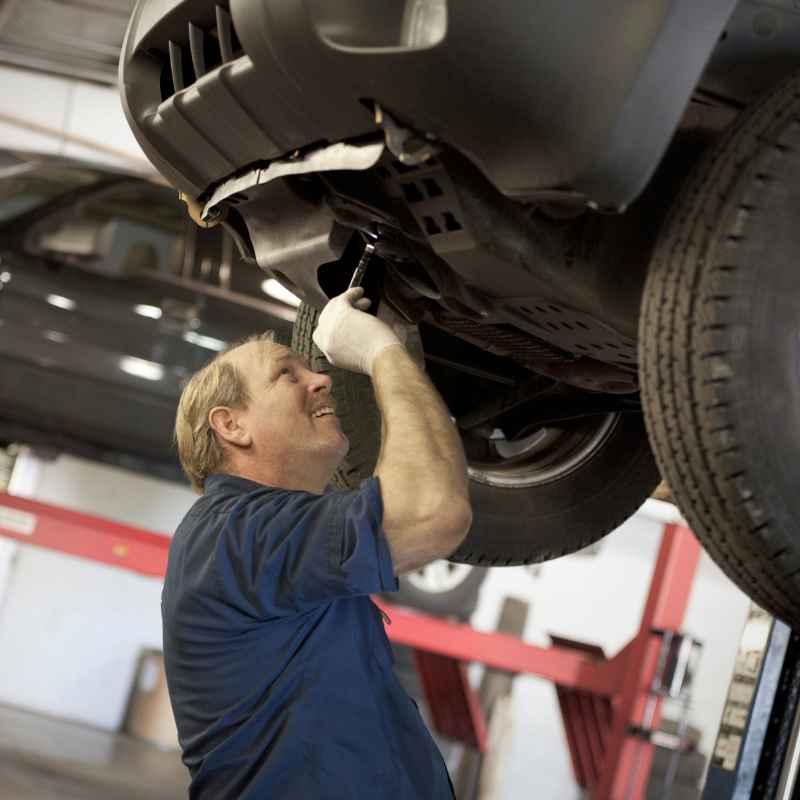
You might also see the shield hanging low. When you look under your car, you can spot it dragging. It might be tilted or pulling away from the frame.
This is a clear sign that something is wrong. If it’s hanging low enough, it can scrape the ground. This can cause more damage to the shield and the road.
It can also be a hazard to other drivers.
Another sign is a change in how your car handles. While less common, a significantly damaged splash shield can affect airflow under the car. This might lead to minor issues with stability at higher speeds.
But mostly, the signs are noise and visual. If you notice a new flapping sound or see something hanging loose, it’s time to check.
Sometimes, a damaged shield can lead to dirt getting into the engine bay. If you see more grime or mud than usual under the hood, it could be the culprit. This is especially true if you drive through puddles or on unpaved roads.
A properly functioning shield should keep most of that out.
When to Worry Most
Noise: A loud flapping or scraping sound is a top warning. It means the shield is loose and likely hitting the ground.
Visual Damage: If you see it hanging, cracked, or broken, it’s a problem.
Loss of Parts: Missing screws or clips mean it’s not secured properly.
Ground Clearance: If the shield is so low it scrapes, it’s urgent.
What You’ll Need to Fix It
The tools you need depend on how your splash shield is attached. Most modern cars use plastic clips and screws. These are often T-30 Torx bits or similar.
So, a basic socket set is a good start. You’ll want common sizes like 10mm, 12mm, and 14mm. A Phillips head screwdriver is also a must-have.
Some cars use specific plastic fasteners. These can be tricky. You might need a trim removal tool kit.
If you need to
For more significant damage, you might need a new splash shield. These can be ordered online or from a dealership. They can be pricey.
If the damage is minor, like a crack, you might be able to repair it with strong adhesive or plastic welding. For this, you’d need a specific plastic repair kit.
Safety gear is also important. Always wear gloves to protect your hands. Safety glasses are a good idea, too, in case debris falls.
You might need a flashlight to see clearly under the car. If you need to lift the car, you’ll need jack stands for safety. Never work under a car supported only by a jack.
Here’s a quick list:
- Socket set (common sizes: 10mm, 12mm, 14mm)
- Torx bit set (T-20, T-25, T-30 are common)
- Phillips head screwdriver
- Flathead screwdriver (for prying)
- Trim removal tool kit (optional but helpful)
- Replacement clips, screws, or bolts
- Gloves
- Safety glasses
- Flashlight
- Jack and jack stands (if needed for access)
Step-by-Step Guide: Simple Fixes
Let’s get started with the simplest fixes. First, park your car on a level surface. Make sure the parking brake is on.
If you need more room to work, you’ll need to lift the car safely. Use jack stands. Never rely on just the jack.
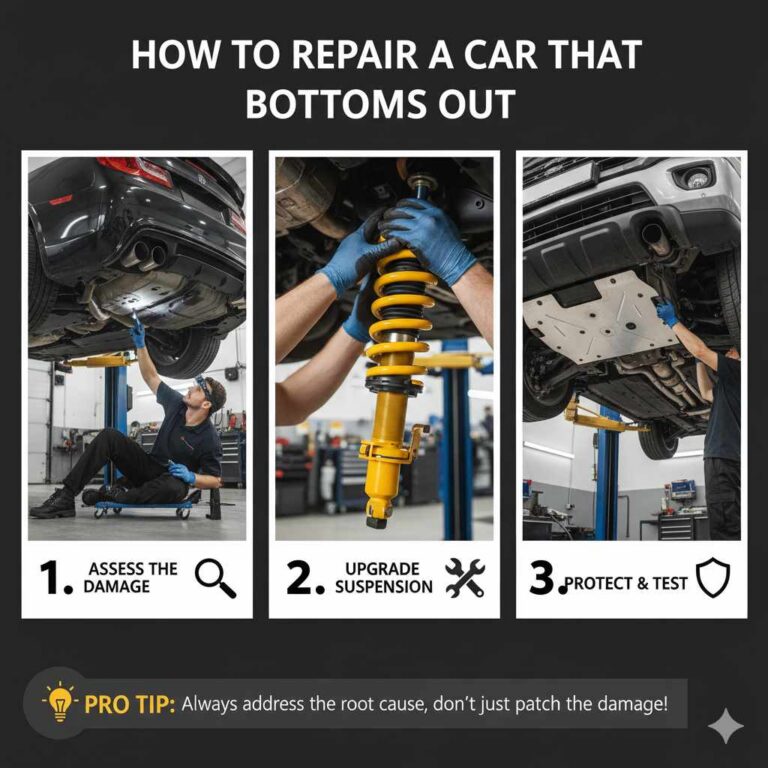
1. Inspect the Damage: Get down and look under the car. Find the loose splash shield.
See where it’s coming undone. Is it a clip that popped out? Is a screw missing?
Is the shield itself cracked?
2. Tighten Loose Fasteners: If you see screws or bolts that are loose, try tightening them. Use the correct size socket or screwdriver.
Don’t overtighten. You don’t want to strip the threads or crack the plastic.
3. Reinsert or Replace Clips: Many splash shields use plastic clips. These push into holes.
If a clip has popped out, you can often push it back in. If a clip is broken or missing, you’ll need to replace it. You can buy exact replacements at an auto parts store or online.
To install a new clip:
- Push the clip stem through the hole in the splash shield.
- Align the clip with the hole in the car’s frame or mounting bracket.
- Push firmly until it snaps into place. Some clips have a center pin you push to expand them.
4. Use Zip Ties (Temporary Fix): If you can’t find the right clip right away, or if a mounting hole is damaged, zip ties can be a good temporary fix. Use heavy-duty zip ties.
Thread them through existing holes in the shield and around a strong part of the car’s frame or a sturdy bracket. Make sure they are pulled tight. This will hold the shield in place until you can get proper parts.
5.
Quick Scan: Securing the Shield
| Problem | Solution |
|---|---|
| Loose Screw | Tighten with screwdriver/socket. |
| Popped Clip | Push back in firmly. |
| Broken Clip | |
| Missing Fastener | Use new screw/bolt or zip tie. |
| Minor Crack | Consider plastic repair kit or heavy-duty tape (temporary). |
When the Shield is Cracked or Broken
If your splash shield has a crack, you have a few options. For small cracks, you might be able to repair it. Clean the area thoroughly.
Then, use a strong plastic adhesive. Some auto parts stores sell specific plastic repair kits. These often involve a special glue and a reinforcing mesh.
Follow the product instructions carefully. Allow it to cure fully before driving.
Another option for cracks is using heavy-duty tape. This is usually a temporary fix. Look for automotive-grade, weather-resistant tape.
Apply it to both sides of the crack for maximum strength. Make sure the area is dry and clean before applying.
If the shield is badly cracked or has a large hole, repair might not be enough. You’ll likely need to replace the entire shield. You can often order these online.
Check major auto parts retailers. You can also get them from your car’s dealership. Replacement shields can range from $50 to $200 or more, depending on the car model.
When replacing a shield, it’s often easiest to remove the old one completely. This gives you clear access to all mounting points. Then, install the new shield in reverse order.
Make sure all clips and fasteners are used. This ensures it’s secure.
Replacing the Entire Splash Shield
Replacing the whole splash shield might seem daunting, but it’s usually straightforward. You’ll need the new shield, your tools, and possibly some new clips or fasteners, even if the new shield comes with them. It’s good to have extras.
1. Access the Old Shield: Park your car on a level surface. Engage the parking brake.
Lift the front of the car using a jack and secure it with jack stands. Ensure the car is stable. You need enough clearance to work underneath comfortably.
2. Remove Old Fasteners: Carefully inspect how the old shield is attached. It will have screws, bolts, and plastic clips.
Use your socket set and screwdrivers to remove them. Keep track of where each fastener came from. Sometimes, different fasteners are used in different locations.
3. Remove the Old Shield: Once all fasteners are removed, the old shield should be free. It might be a bit stiff.
Gently pull it away from the car. Be careful not to damage any other components. You might need to twist or maneuver it to get it out.
4. Prepare for the New Shield: Clean the mounting areas on the car. Make sure there’s no debris or rust.
If the new shield didn’t come with new clips, you might want to install them now onto the new shield, or have them ready to go onto the car.
5. Install the New Shield: Position the new splash shield under the car. Align it with the mounting points on the car’s frame and body.
Start by loosely attaching a few fasteners. This holds it in place while you work. Then, go back and install all the screws, bolts, and clips.
Ensure they are snug but not overtightened.
6. Lower the Car: Once the shield is fully secured, carefully lower the car. Remove the jack stands.
Check that the shield looks properly seated and is not sagging anywhere.
I remember one time I hit a large piece of debris on the highway. It sounded like a bomb went off under my car. I pulled over immediately.
Turns out, it had ripped the entire front splash shield right off. It was dangling by one corner. The noise was awful.
I managed to zip-tie it back enough to limp to a service station. Replacing it later was a relief. It was a simple job with the right tools and a new shield.
What to Expect After Replacement
Quieter Ride: The flapping or rattling noise should be gone.
Better Protection: Your engine and undercarriage are now shielded again.
Improved Aerodynamics: Though minor, it helps airflow.
Cleaner Engine Bay: Less dirt and water will get in.
When to Call a Professional
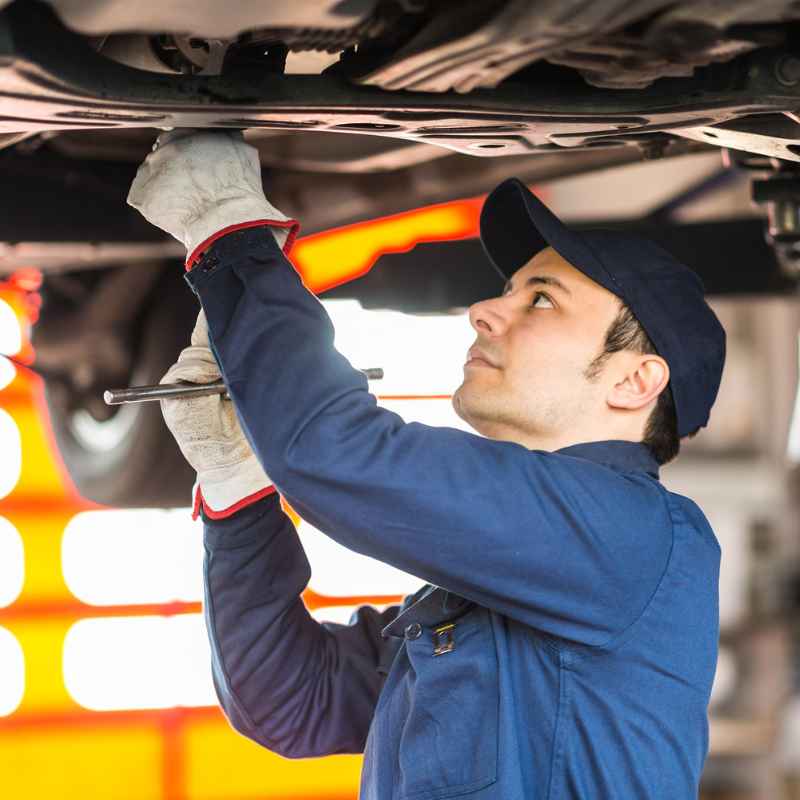
While many splash shield issues are DIY-friendly, there are times when you should call a mechanic. If you don’t have the right tools or feel uncomfortable working under your car, it’s best to seek help. Some cars have splash shields that are difficult to access.
They might require special tools or involve removing other parts first.
If the damage is extensive, it might be beyond a simple fix. For example, if the frame where the shield attaches is bent or broken, that’s a more serious repair. This would need professional assessment and likely body shop work.
Also, if you’re unsure about the cause of the damage, a mechanic can diagnose it correctly.
Safety is paramount. If you’re not confident in lifting and securing your car properly, don’t attempt it. A mechanic has lifts and safety equipment to do the job safely.
They can also ensure the shield is reinstalled correctly, which is important for its function.
If you notice any other issues along with the splash shield problem, like oil leaks or strange noises from the engine, it’s wise to have a professional look at the whole car. They can identify any related problems that might not be obvious.
Real-World Scenarios
Let’s look at a few common situations. Imagine you’re driving after a heavy rain. You hit a large puddle.
You hear a loud thud and then a flapping noise. This is a classic sign that your splash shield has been hit hard. Water can act like a wave, lifting the shield.
Road debris hidden in the water can also cause damage.
Another scenario: You’re driving on a gravel road. You notice a constant rattling sound. It seems to be coming from under the car.
This could be small stones getting stuck between the splash shield and other parts. Or it could be that some of the clips holding the shield are loose from the vibrations.
In the winter, road salt and moisture can cause rust. This rust can weaken the metal brackets that the splash shield attaches to. The plastic clips can also become brittle and break.
You might notice a shield is loose just from normal driving after a harsh winter season.
Consider a car that’s been in a minor fender bender. Even if the body damage looks small, the impact can shift the splash shield. Fasteners can loosen.
A mechanic might have even removed it briefly to assess damage. They might have forgotten to reattach all the clips properly.
Common Situations
Post-Rain Puddle Impact: A sudden thud followed by flapping. The shield likely hit a submerged object or was lifted by water.
Gravel Road Rattles: Continuous rattling can mean loose fasteners or debris trapped underneath.
Winter Wear and Tear: Brittle plastic clips and rusty brackets can lead to a sagging shield.
Post-Minor Accident: Even small impacts can dislodge fasteners, leading to looseness.
What This Means for Your Car
A properly attached splash shield is more than just a piece of plastic. It plays a vital role in protecting your car’s inner workings. When it’s loose or missing, your car is more exposed.
Increased Dirt and Water Ingress: Without a shield, dirt, mud, water, and road salt can easily spray into the engine bay and onto other critical components. This can accelerate corrosion and wear on parts like the alternator, belts, and electrical connectors.
Engine Cooling Issues: While not a primary function, splash shields can help direct airflow. A damaged shield might disrupt this. In some cases, it could slightly impact engine cooling efficiency.
Aerodynamic Effects: Modern cars are designed with underbody panels for better aerodynamics. A damaged or missing shield can create drag. This might lead to a small decrease in fuel economy.
Noise and Vibration: As we’ve discussed, a loose shield creates annoying noises. It can also vibrate against other parts, potentially causing damage or wear over time.
Safety Hazard: In extreme cases, a shield could detach completely. If this happens while driving, it can be a hazard to your car and to other vehicles on the road.
So, fixing a loose splash shield isn’t just about stopping a noise. It’s about maintaining your car’s health and preventing potential problems down the line. It’s a small maintenance task that pays off.
Quick Fixes and Tips
Here are some quick tips to help you manage your splash shield:
- Keep a few spare clips: Auto parts stores sell universal plastic clips. Keep a small assortment in your glove box. They can be very handy.
-
Use heavy-duty zip ties: As mentioned, these are great for temporary fixes.
They can get you to a shop.
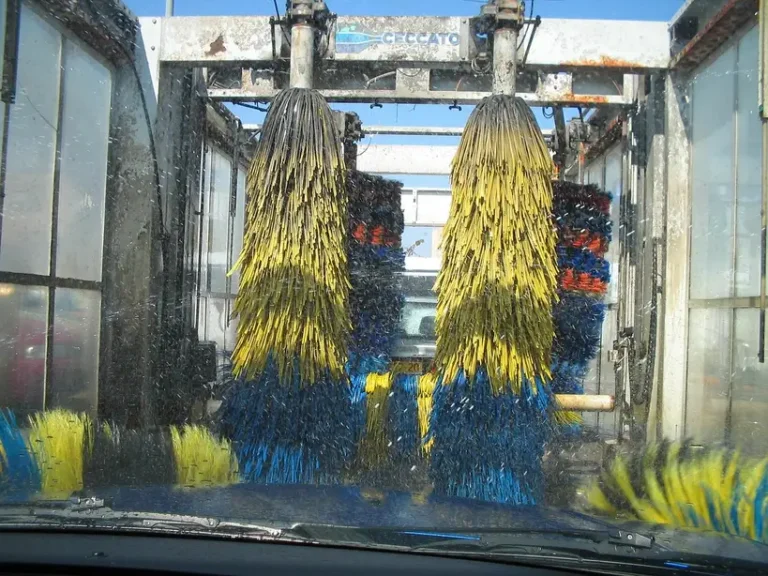
- Check after car washes: Sometimes, powerful sprayers can dislodge clips. A quick look under the car after a wash can catch issues early.
- Be mindful of speed bumps and potholes: Approach them slowly. This reduces the chance of impact.
- Consider undercoating: If you live in an area with a lot of salt, an undercoating can help protect the frame and the mounting points for your splash shield.
-
Don’t ignore it: A small problem can become a bigger one if left unattended.
A flapping shield can eventually break off completely.
One thing I learned is that the plastic clips are often designed to break away easily. This is intentional. It’s to prevent the shield from ripping off a larger, more expensive part of the car’s frame if it gets snagged.
So, if a clip breaks, it’s often doing its job. Just replace it so the shield stays put.
Frequently Asked Questions
How much does it cost to fix a splash shield?
The cost can vary widely. A few clips or screws might only cost a few dollars. Using zip ties is very cheap.
Replacing a whole splash shield can cost anywhere from $50 to $200 for the part itself. Labor at a shop could add another $50 to $150, depending on how complex the job is for your car. Simple DIY fixes are often free if you have the tools.
Can I drive without a splash shield?
You can drive without one for a short time, but it’s not recommended. It leaves your engine and other vital components exposed to dirt, water, and debris. This can lead to corrosion, damage, and potential mechanical issues.
It can also affect aerodynamics and fuel efficiency. It’s best to fix it as soon as possible.
Are all splash shields made of plastic?
Most modern cars use plastic splash shields because they are lightweight, durable, and cost-effective. However, some performance vehicles or trucks might use metal shields, like aluminum or steel, for greater strength and protection. Some high-performance cars might even use carbon fiber for a balance of strength and weight savings.
How often should I check my splash shield?
It’s a good idea to check your splash shield periodically. A good time is when you get an oil change or after driving through harsh conditions like heavy rain, snow, or off-road. If you hear any unusual noises from under your car, that’s a strong signal to check it immediately.
What is the difference between a splash shield and a skid plate?
A splash shield is typically made of lighter material like plastic. Its main job is to protect against splashes and minor debris. A skid plate is usually made of thicker metal.
It’s designed to protect vital components from direct impact, like hitting rocks or other hard objects off-road. Some vehicles might have both.
Can a damaged splash shield affect my car’s emissions?
While not a direct component of the emissions system, a damaged splash shield can indirectly affect it. If it causes other parts to become exposed and damaged, like sensors or wiring related to emissions control, then yes, it could lead to issues. Also, if it disrupts airflow around the engine, it could slightly impact performance, which is linked to emissions.
Conclusion
Fixing a loose or damaged splash shield is a common car maintenance task. It’s often a simple job you can do yourself. By understanding what it is, why it matters, and how to secure it, you can save money and keep your car protected.
Pay attention to noises and visual cues. A quick check can prevent bigger problems. You’ve got this!
Products related to this article
Sponsored / affiliate links. As an Amazon Associate I earn from qualifying purchases. I may earn additional commission from eligible campaigns.