How Do You Drive a Stick Shift Car: Master Manual Skills
Driving a stick shift car involves mastering clutch and gear shifting. Begin by pressing the clutch, shifting the gear, and gradually releasing the clutch as you accelerate.
Stick shift cars, often seen as relics in the era of automatic transmissions, offer a unique driving experience. Understanding the mechanics behind shifting gears can seem daunting at first. Yet, many find the process rewarding. It connects you to the car in a way automatics cannot.
You feel the engine’s power directly and have complete control. Learning to drive a stick shift opens new possibilities. It can enhance your driving skills and make you a more versatile driver. Whether you’re interested for practical reasons or just the thrill, getting comfortable with a manual transmission can be a satisfying achievement. Let’s explore the basics of driving a stick shift car.
Introduction To Stick Shift Driving
Manual cars can be very fun. They offer a better connection with the road. Drivers feel more in control. These cars often cost less than automatic ones. They also use less fuel. This makes them cheaper to run. Some people think manual cars are more reliable. They have fewer parts that can break.
In the past, most cars were manual. Automatic cars were not common. People had to learn how to drive stick. This was the normal way. Over time, automatic cars became more popular. They were easier to drive. But, manual cars stayed around. Many people still prefer them. They like the old way of driving.
Getting Familiar With The Gearstick
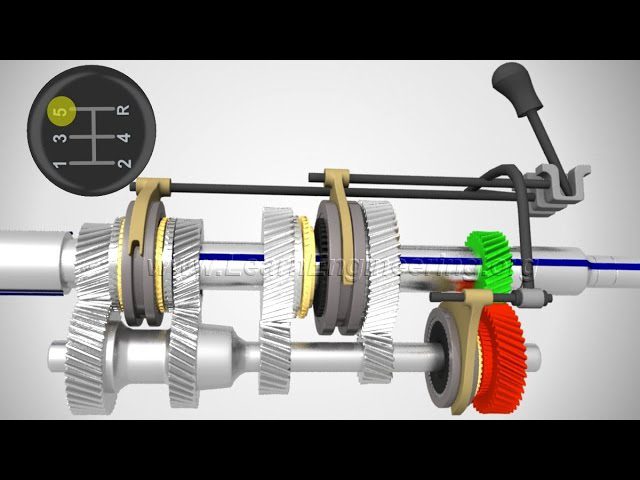
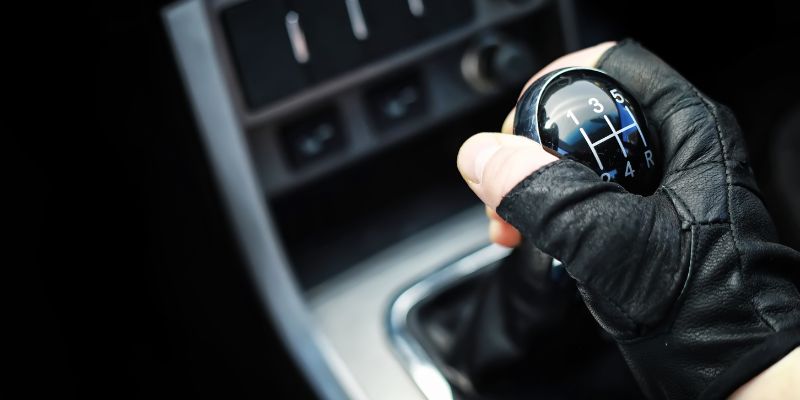
The gearstick in a stick shift car has several positions. Each position corresponds to a different gear. These gears help the car move at different speeds. The gearstick might feel confusing at first. But, it’s easy to learn with practice.
Gears are usually labeled with numbers. The numbers show the order of gears. First gear is for starting the car. Higher numbers are for faster speeds. It’s important to learn the position of each gear. This will help in shifting smoothly.
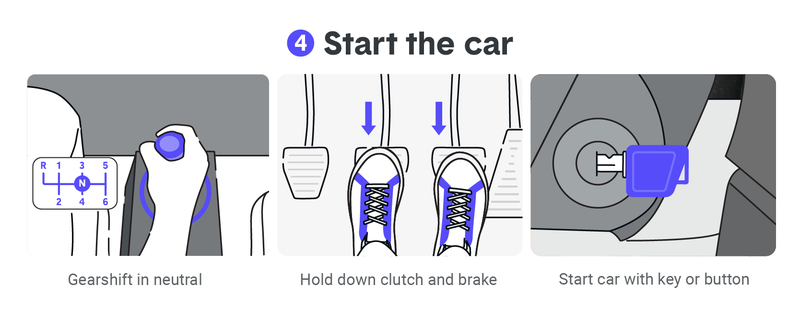
Neutral gear is a special position on the gearstick. In neutral, the car doesn’t move forward or backward. The engine is running, but the car stays still. This is useful when stopping for a short time.
The gearstick moves freely in neutral. It’s between first and second gear. Neutral is important for starting the car. Remember to shift to neutral before starting the engine.
Learning Clutch Control
The clutch pedal helps you change gears. It connects the engine to the wheels. Press the clutch to stop power from the engine. Release it to make the car move. You need to press it fully to change gears. This is an important part of driving a stick shift. Always press it smoothly. This keeps the car from jerking.
Balance is key when using the clutch and accelerator. Press the clutch with your left foot. Use your right foot to press the accelerator. Slowly release the clutch while pressing the accelerator. This makes the car move smoothly. If you let go too fast, the car may stall. Practice will help you get better. Start with small, gentle movements. Over time, you will gain confidence.

Credit: www.drivesafeonline.org
Starting The Car
Engaging the Clutch is the first step. Press the clutch pedal with your left foot. This disconnects the engine from the wheels. Keep it pressed firmly. Next, turn the key to start the engine. The car should come to life.
Selecting First Gear happens after the engine starts. Move the gear stick to the first gear position. Release the clutch slowly. Add a little pressure to the gas pedal. The car begins to move forward. Practice makes it smoother over time.
Shifting Gears Smoothly
Timing is very important when shifting gears. Listen to the engine’s sound. Shift up when the engine is loud. Shift down when it is quiet. Always use the clutch while changing gears. Press the clutch before moving the gear stick. Release it slowly after shifting. This helps to avoid jerks. Practice makes it easier over time.
Gear grinding is a common problem. It happens when gears are not in sync. Always press the clutch fully before shifting. Never force the gear stick. If it resists, try again. Double-check the gear position. Rev matching helps too. Match the engine speed with the gear speed. This reduces grinding and wear on gears.
Credit: www.thezebra.com
Handling Uphill And Downhill Drives
On a hill, keeping the car from rolling back is important. Use the handbrake to hold the car in place. Press the clutch and put the car in first gear. Slowly release the clutch until you feel it catch. At the same time, gently press the gas. Release the handbrake while keeping your foot on the gas. This helps the car move forward without rolling back.
Downshifting helps control the car’s speed on hills. Press the clutch and shift to a lower gear. This gives the engine more power. It also slows the car down safely. Release the clutch slowly while pressing the gas. The car will slow down but not stop. This makes driving downhill safer and easier.
Troubleshooting Common Issues
Driving a stick shift car can be tricky at first. Issues like stalling or grinding gears often arise. To avoid these, practice shifting smoothly and using the clutch carefully.
Stalling The Engine
Stalling happens when the engine stops working. It often occurs when drivers are new to stick shift cars. Press the clutch fully when starting the car. Release the clutch slowly while pressing the gas pedal. This helps keep the engine running. Practice makes perfect. Try starting the car in a safe place. Avoid busy roads at first. Keep calm and try again if the car stalls. Everyone stalls sometimes. It’s normal and part of learning.
Difficulty In Gear Shifting
Gear shifting can be tricky. Press the clutch to change gears. Release it smoothly after shifting. Don’t force the gear lever. It can damage the car. Use gentle motions instead. Listen to the engine sound. It tells when to shift. Low sounds mean it’s time to change gears. High sounds mean to stay in the current gear. Practice shifting in a parking lot. More practice leads to smoother shifting.
Credit: mwg.aaa.com
Tips For Mastering Manual Driving
Find a quiet and open area for practice. Empty parking lots are ideal. Safety is important. Fewer distractions help you focus. Start driving slowly. Feel how the car moves. Practicing turns and stops. Get comfortable with the gear stick. Change gears gently. Listen to the engine’s sound. It tells you when to shift. Patience is key. Take your time.
Use your hands and feet together. Practice with the clutch and gear. Repeat actions many times. They will become easy. Your body will remember. Each drive gets better. Confidence grows with practice. Feel the rhythm of the car. Shifting will become smooth. Your feet will move without thinking. Experience makes you better. Enjoy the journey!
Frequently Asked Questions
How Do You Drive A Stick Shift For Beginners?
Start by pressing the clutch with your left foot. Shift the gear to first. Gradually release the clutch while pressing the gas pedal. Listen to the engine’s sound. Shift to higher gears as speed increases. Practice smooth transitions. Always keep your eyes on the road.
How Do You Drive A Manual Car For The First Time?
Start by pressing the clutch completely. Shift into first gear, then slowly release the clutch while pressing the accelerator. Gradually increase speed and shift gears as needed. Use the clutch when stopping. Practice makes perfect, so be patient and stay calm.
What Is The Hardest Part Of Driving A Manual Car?
The hardest part of driving a manual car is mastering the clutch control. Balancing the clutch and accelerator smoothly during gear changes can be challenging. This skill requires practice and patience to avoid stalling or jerky movements. Once you understand clutch dynamics, driving a manual becomes more enjoyable.
How Long Does It Take To Learn Stick Shift?
Learning stick shift takes around 20 hours of practice. Some pick it up in a week; others may need a month. Consistent practice accelerates the process. Each person’s learning curve varies. Confidence grows with experience.
Conclusion
Driving a stick shift car can be very rewarding. It offers control and connection with the vehicle. Practice makes perfect. Start slowly and build confidence. Remember to stay calm. With time, shifting gears becomes second nature. Enjoy the driving experience.
Happy driving!