Is It Bad to Wash Your Car Too Much? Frequency vs Technique
No, washing your car often is not what damages the paint. Poor washing habits are: a dirty sponge, dish soap instead of real car shampoo, and skipping the towel dry all create the fine swirl marks that people blame on frequent washing. Detailers who use pH-neutral car shampoo, a clean microfiber mitt, and the two-bucket method wash weekly, sometimes more, with no ill effects on the finish.
This guide breaks down what actually causes over-washing damage, the real signs to watch for, and how to keep your car spotless without wearing through the wax or scratching the clear coat, no matter how often you wash it.
What Actually Damages Paint When You Wash Too Much
BEST FOR SAFE, FREQUENT WASHING
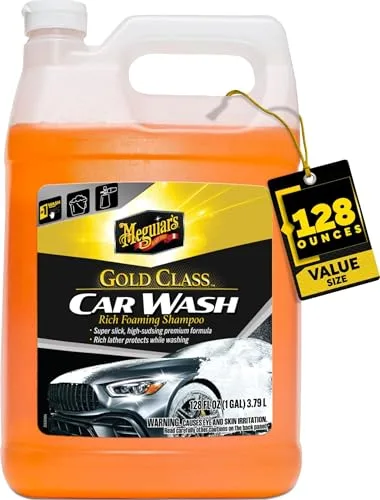 |
Meguiar’s Gold Class Car Wash (1 Gallon) – $19.93 A pH-neutral, high-sudsing shampoo that lifts dirt without stripping wax, so washing weekly stays safe for the paint.
|
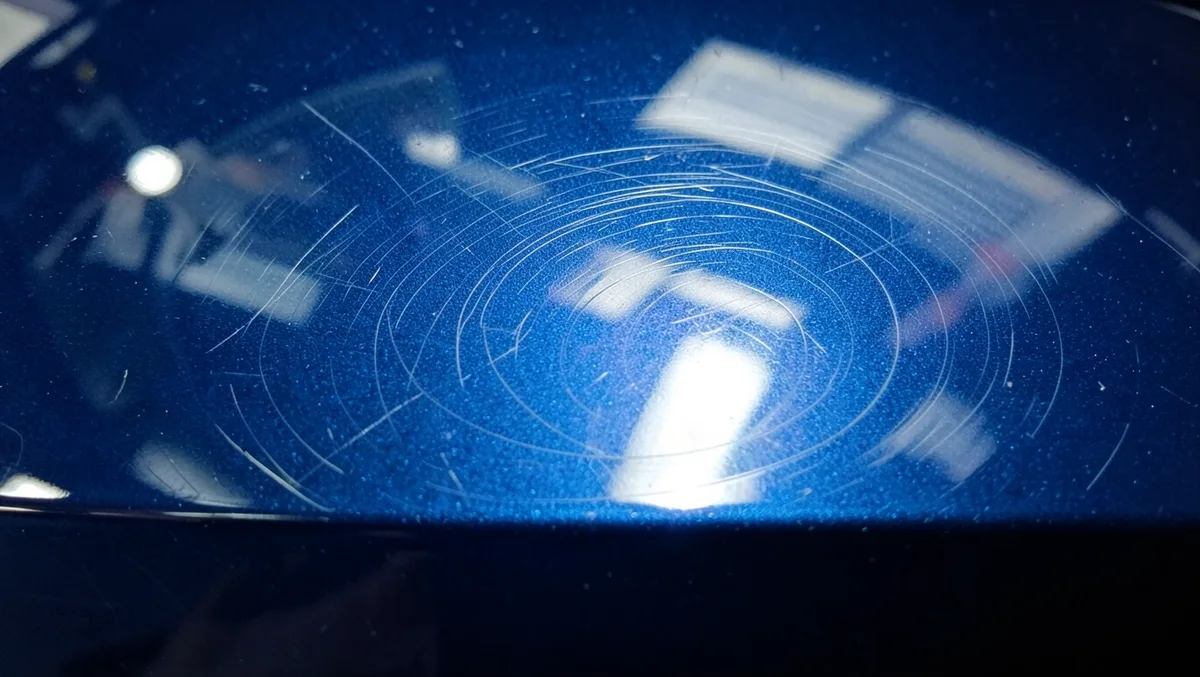
The paint itself does not wear out from contact with water and soap. What wears it down is abrasion: dirt particles trapped in a wash mitt or sponge acting like fine sandpaper as they drag across the clear coat. A gritty, reused sponge or a cheap chamois that was never rinsed out is the real source of the fine circular scratches known as swirl marks, not the act of washing on its own.
Harsh cleaners make the problem worse. Dish soap and all-purpose household cleaners are formulated to strip oils and grease, which is exactly what they do to a car’s wax or sealant layer too. Once that protective layer is gone, the bare clear coat is left exposed to UV rays, and repeated exposure is what leaves paint looking dull instead of glossy. Stick to a shampoo labeled for automotive use, keep your wash mitt clean between uses, and rinse thoroughly before you wipe.
Benefits of Washing Your Car Regularly
A clean car is not just about looks, though a shiny finish is the most obvious payoff. Regular washing removes the substances that actively attack paint if left to sit: road salt, which speeds up corrosion on exposed metal edges; bird droppings and tree sap, which are acidic enough to etch clear coat within days in hot weather; and brake dust, which is abrasive and mildly corrosive on wheels and lower body panels.
Washing on a consistent schedule also makes it easier to spot small problems early, like a stone chip that is starting to rust or a trim seal that is drying out, before they turn into bigger, more expensive repairs. A car that is washed regularly and protected with wax or sealant simply holds its resale value better than one that sits dirty for months at a time.
Signs You Are Washing the Wrong Way, Not Too Often
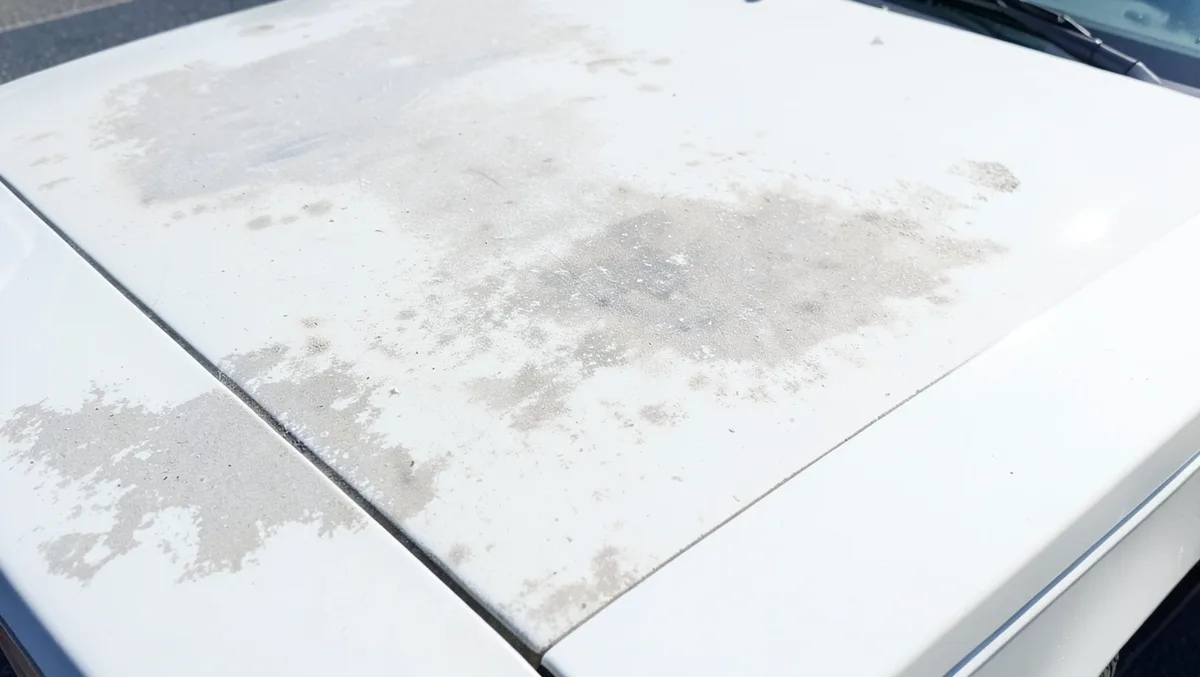
If your car’s paint looks dull or chalky instead of glossy, the wax or sealant layer is gone and the clear coat is taking direct UV damage. Dark colors show this fastest because they absorb more heat and highlight surface imperfections, but any color will fade eventually without a protective layer to reapply after each wash.
Swirl marks are the other telltale sign, and they show up as a web of fine circular scratches visible under direct sunlight or a flashlight held at an angle. They come from washing with a dirty or rough cloth, using circular scrubbing motions instead of straight lines, or running the car through an automatic wash with worn brushes. Switching to a clean microfiber mitt, the two-bucket method, and straight-line wiping motions solves this regardless of how often you wash.
Choosing the Right Washing Technique
Technique matters more than frequency. A gentle, correct wash method protects the paint no matter how often you use it, while a rough method causes damage even if you only wash twice a month.
Hand Wash vs. Automatic Wash
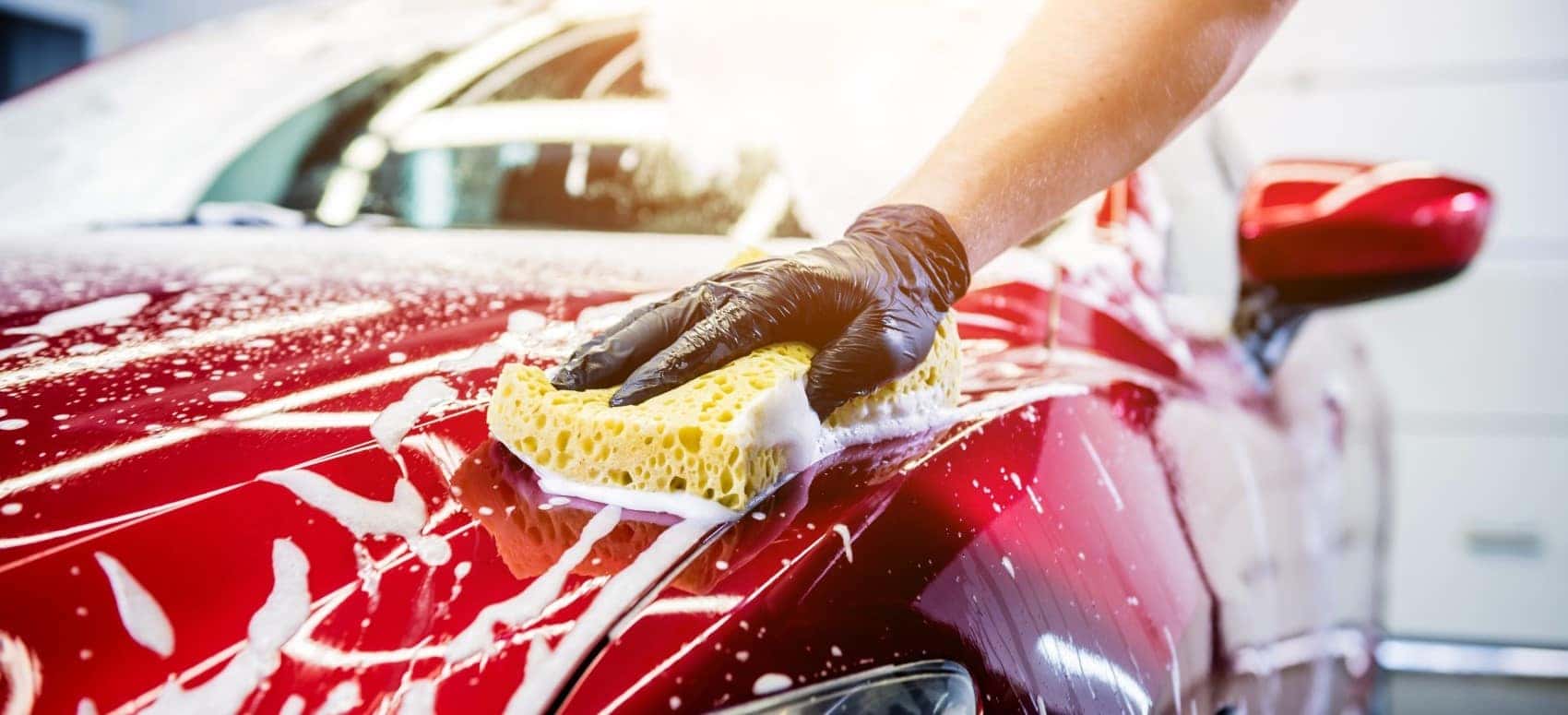
Hand washing gives you full control over pressure, products, and how clean your tools stay, which makes it the safer choice for a car’s finish. It takes longer, but the two-bucket method (one bucket of soapy water, one of clean rinse water for the mitt) keeps grit out of the wash water and dramatically cuts the risk of swirl marks.
Automatic tunnel washes are fast and convenient, but older locations with cloth or bristle brushes can leave fine scratches, since those brushes pick up grit from every car that goes through before yours. A touchless automatic wash, which uses only water pressure and chemicals with no brushes, is a safer middle ground if you want speed without the swirl risk.
Use of Proper Products
Always use a shampoo formulated for cars rather than dish soap or household all-purpose cleaner. Dish soap is built to cut through grease, which means it also strips wax and sealant off your paint in a single wash, leaving the clear coat unprotected. A pH-neutral car shampoo lifts dirt without touching the protective layer underneath.
Reapply wax or a synthetic sealant on a schedule that matches how often you wash, since every wash removes a small amount of that layer. Read the label on any wheel cleaner or bug-and-tar remover before use too, since some formulas are too acidic for clear-coated wheels or trim.
Environmental Considerations
Washing a car with a running garden hose can use over 100 gallons of water in a single session. A two-bucket hand wash with a shut-off nozzle typically uses somewhere around 10 to 20 gallons instead, and a commercial car wash that recycles its water is often even more efficient than washing at home. If you wash on your own driveway, using less water and shutting the hose off between rinses is the easiest way to cut that number down.
Runoff from a driveway wash carries soap, oil residue, and brake dust straight into storm drains in most municipalities, which usually empty into local waterways without treatment. A biodegradable, phosphate-free car shampoo breaks down more safely than a generic household cleaner, and washing on grass or gravel lets the soil filter some of that runoff before it reaches a drain.
How Often Should You Wash Your Car by Season?
Climate and season change how quickly damaging residue builds up on your paint, which is why a single fixed schedule does not fit everyone. In winter, road salt and de-icing chemicals settle into every seam and wheel well, and left there for weeks they accelerate rust on exposed metal, so a weekly wash (or at least rinsing the undercarriage) is worth the extra effort. In summer, dust, pollen, and tree sap build up faster, and sap in particular can etch clear coat within a few hot days, so washing every one to two weeks keeps ahead of it.
Spring and fall bring their own hazards: pollen coats the finish and can stain if it sits through a few rain showers, and falling leaves trap moisture against the paint. Where you live matters as much as the season. Coastal areas deal with salt air that corrodes metal even without direct road exposure, dry inland climates need less frequent washing since less airborne grime settles daily, and cities generally see more soot and brake dust than rural roads. If you wash on your own lawn instead of a driveway, our guide to washing your car on grass safely covers how to do that without killing the grass.
Washing and Waxing for the Long Haul
Regular washing protects a car’s long-term value by removing the contaminants that eat away at paint and metal before they get a chance to do lasting damage. Waxing after a wash is what closes the loop: wax or sealant forms a sacrificial barrier that takes the brunt of UV exposure and light abrasion so the clear coat underneath does not have to. A simple rule that works for most drivers is to wash every one to two weeks and reapply a carnauba wax roughly every four to six weeks, or a synthetic sealant every two to three months.
Washing is only one part of keeping a car healthy long-term. Check the engine oil level and tire pressure on a regular schedule, glance at brake pad wear through the wheel spokes, and listen for new noises when you drive. Catching small mechanical issues early, the same way catching a stone chip early with touch-up paint stops rust before it starts, prevents the costly repairs that come from ignoring a small problem for months. For a fuller picture of what a professional service covers beyond washing, see our guide to what is included in car detailing.
Common Myths About Washing Too Much
The biggest myth is that frequency itself damages paint. It does not. A car washed every few days with a clean mitt, pH-neutral shampoo, and a proper towel dry holds up just as well as one washed monthly, and in most cases holds up better, since dirt, salt, and bird droppings are not sitting on the paint for weeks at a time doing their own damage. Leaving a car dirty is not a way to protect it, contrary to what the myth implies.
Another common myth is that dish soap is a fine substitute for car shampoo because it is also a foaming cleaner. It is not: dish soap is formulated to strip grease and oil, which means it strips wax and sealant off paint in the same pass, leaving the surface dull and unprotected until it is waxed again. A related myth is that a quick rinse with plain water counts as a wash. Water alone cannot break the bond between dirt and paint the way soap does, and skipping the towel dry afterward is what causes the water spots people then blame on washing too much. Sap and bug residue in particular need more than a rinse; see our guide on what removes bugs from cars without damaging the paint for the safer way to handle that.
Frequently Asked Questions
How often is too much to wash your car?
There is no fixed number that counts as too much. Detailers wash cars daily with pH-neutral shampoo, a clean microfiber mitt, and a proper dry with no damage at all. What causes damage is dirty tools, dish soap, and skipping the dry step, not the number of washes. Most drivers do fine washing every one to two weeks.
How do you know if you are overwashing your car?
You are not overwashing from frequency alone. Watch for the actual warning signs instead: fine circular swirl marks visible in sunlight, a dull or chalky look to the clear coat, or water spots that will not buff out. Those point to bad technique, harsh soap, or automatic washes with worn brushes, so switch methods rather than just washing less.
Are frequent car washes bad?
No. Frequent washing is not bad for your car when you use a dedicated car shampoo, a clean wash mitt or the two-bucket method, and dry the paint with a microfiber towel afterward. What is bad is a dirty sponge, dish soap, or an automatic tunnel wash with stiff brushes, since those cause the marring people blame on washing too much.
Is it okay to wash your car once a week?
Yes. Washing once a week is safe and often ideal if you drive in road salt, heavy pollen, bird droppings, or coastal air, since those contaminants etch paint faster the longer they sit. Just reapply wax or sealant every one to two months, since weekly washing does wear that layer down faster than washing every few weeks.
Does washing your car remove wax and sealant?
Yes, every wash removes a small amount of wax or sealant, and washing more often wears the layer down faster. A carnauba wax typically needs reapplying every four to six weeks, while a synthetic sealant can last two to three months, and a professional ceramic coating can survive a year or more of regular washing.
Conclusion
Washing your car often is not the problem. Washing it the wrong way is. Use a pH-neutral car shampoo, a clean microfiber mitt or the two-bucket method, and dry the paint with a microfiber towel every time, and you can wash as often as your driving conditions call for without hurting the finish. Reapply wax or sealant on a schedule that matches your wash frequency, and your car will hold its shine and its resale value far longer than one left dirty to “protect” the paint.
Products related to this article
Sponsored / affiliate links. As an Amazon Associate I earn from qualifying purchases. I may earn additional commission from eligible campaigns.