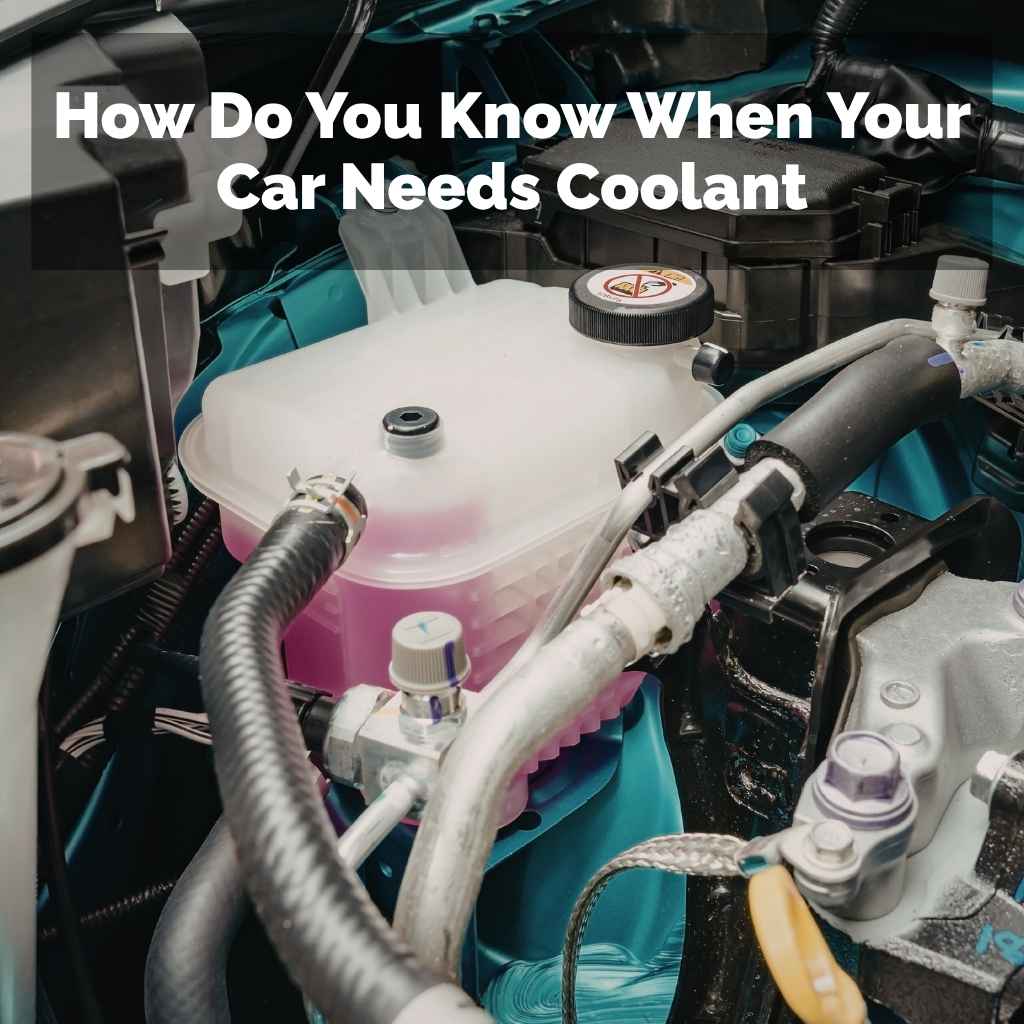
How Do You Know When Your Car Needs Coolant? Warning Signs
Many car owners wonder, “How Do You Know When Your Car Needs Coolant? Warning Signs” are a mystery. This is totally normal for new drivers or anyone who doesn’t spend a lot of time under the hood.
You might see steam, smell something funny, or notice a warning light. It can feel a bit confusing. But don’t worry!
We’ll break it down super simply, step by step, so you can spot the signs and keep your car running great. Get ready to learn what to look for.
Understanding Your Car’s Cooling System
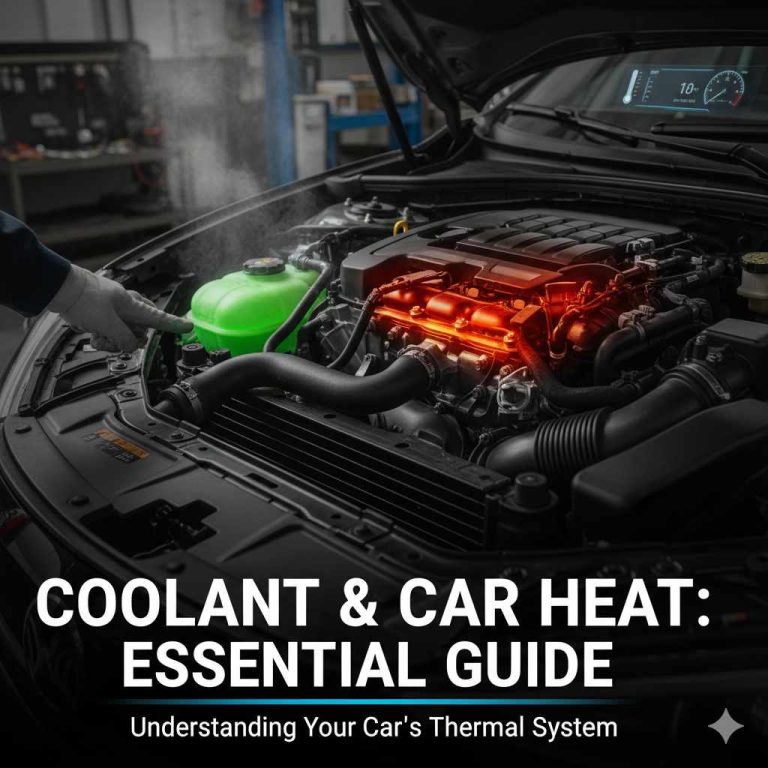
Your car’s cooling system is like your car’s thermostat. It keeps your engine from getting too hot. This is super important because a hot engine can cause big problems.
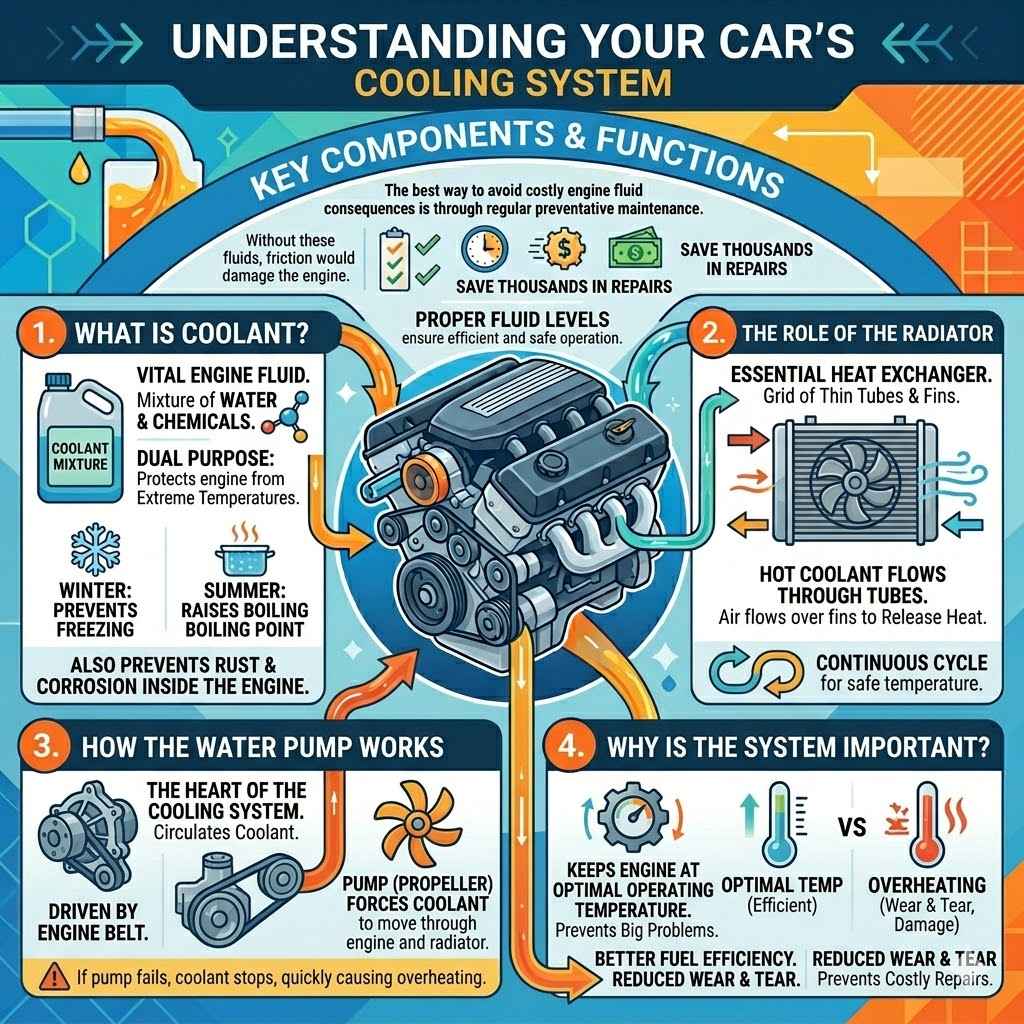
The main job of the cooling system is to move heat away from the engine and out into the air. It uses a special liquid called coolant, sometimes called antifreeze, to do this job. This liquid circulates through the engine, absorbing the heat.
Then, it goes to the radiator, where the heat is released.
Coolant is a mix of water and chemicals. These chemicals do a few important things. They stop the water from freezing in cold weather and stop it from boiling over in hot weather.
They also help prevent rust and corrosion inside the engine and radiator. If the coolant level gets too low, or if the coolant is old and not working well, the engine can overheat. This can lead to costly repairs.
Knowing the signs that your car needs attention is key to preventing these issues.
What Is Coolant and Why Is It Important?
Coolant, often called antifreeze, is a vital fluid for your vehicle’s engine health. It’s primarily a mixture of water and ethylene glycol or propylene glycol. This blend is designed to protect your engine from extreme temperatures.
In winter, it prevents the water in the system from freezing and causing damage. In summer, it raises the boiling point of the water, preventing the engine from overheating. Without the correct coolant mixture, your engine’s temperature can become unstable.
The importance of coolant goes beyond just temperature regulation. The chemicals within the coolant also act as a corrosion inhibitor. They form a protective layer on metal parts within the cooling system, preventing rust and other forms of degradation.
This helps to prolong the life of engine components and the radiator. A properly functioning cooling system ensures that your engine operates at its optimal temperature, leading to better fuel efficiency and reduced wear and tear.
The Role of the Radiator
The radiator is a key component of your car’s cooling system. It’s essentially a heat exchanger. Think of it as a big metal grid with lots of thin tubes and fins.
When the hot coolant flows from the engine into the radiator, it passes through these tubes. Air flows over the fins and tubes, either from the car moving forward or from a fan. This airflow cools the coolant down.
Once cooled, the fluid then flows back to the engine to pick up more heat. This continuous cycle is what keeps your engine at a safe operating temperature. If the radiator is clogged or damaged, it can’t effectively release heat.
This will cause the coolant to get too hot. A faulty radiator is a common reason for engine overheating.
How the Water Pump Works
The water pump is the heart of your car’s cooling system. It’s responsible for circulating the coolant throughout the engine, radiator, and hoses. Imagine it as a propeller that is constantly pushing the coolant around.
The pump is usually driven by a belt connected to the engine’s crankshaft. As the engine runs, the belt turns the pump, forcing the coolant to move.
If the water pump fails, the coolant stops circulating. This means the heat from the engine isn’t carried away to the radiator. The engine will quickly overheat.
Signs of a failing water pump can include leaks, strange noises like grinding or whining, and a warning light. A working water pump is essential for maintaining the flow of coolant and preventing engine damage.
Common Warning Signs Your Car Needs Coolant
Spotting the signs that your car needs coolant is the first step to taking care of it. These signs can show up in a few different ways, and they often get worse if you don’t address them. Paying attention to these signals can save you from bigger problems down the road.
From unusual smells to visual cues, your car is usually trying to tell you something is not quite right.
One of the most obvious indicators is a change in how your car performs or sounds. You might also see physical signs on or around your car. These are not things to ignore.
They are direct messages from your vehicle about its internal health. Let’s look at the most common signals you should be aware of and what they usually mean for your cooling system.
Temperature Gauge Reading High
Your car has a temperature gauge on the dashboard, usually right next to the speedometer. Its job is to show you how hot your engine is. If this needle starts climbing into the red zone or an “H” mark, it’s a clear sign of trouble.
This means the engine is getting hotter than it should be. This overheating is often a direct result of low coolant levels or a problem with the cooling system not working properly.
When the temperature gauge goes up, it means the coolant isn’t doing its job of keeping the engine cool. This can happen if there isn’t enough coolant, or if the coolant is too old and not as effective. Driving with an overheating engine can cause serious damage.
It’s best to pull over safely as soon as you notice the gauge rising into the danger zone. Do not continue driving for long periods if the engine is too hot.
Steam Coming From Under the Hood
Seeing steam rise from under your car’s hood is a very alarming sign, and it usually means something is seriously wrong with the cooling system. This steam is often the result of coolant leaking onto hot engine parts. When the hot liquid hits hot metal, it turns into steam very quickly.
This indicates a leak somewhere in the system, like a hose, radiator, or water pump.
If you see steam, it’s important to pull over safely as soon as possible and turn off the engine. Do not open the hood immediately, as the steam can be extremely hot and cause burns. Wait for the engine to cool down completely before attempting to inspect for leaks.
This sign usually means your car is overheating and has lost a significant amount of coolant. It’s a clear signal to get professional help.
Sweet Smelling Odor
That sweet, syrupy smell you might notice around your car, especially when it’s running or has just been turned off, is often a sign of a coolant leak. Most coolants have a distinct sweet odor because of the chemicals, usually ethylene glycol, used in their formula. This smell means that some of the coolant is escaping the system and burning off on hot engine components, or it’s simply leaking onto the ground.
This smell is often one of the first indicators that there might be a small leak that’s not yet causing a dramatic drop in the temperature gauge. Even a small leak needs to be addressed promptly. If you detect this sweet smell, it’s a good idea to check your coolant level when the engine is cool.
If it’s low, you’ll need to find the source of the leak and have it repaired. Ignoring this smell can lead to a more serious coolant loss.
Puddles Under Your Car
Finding colorful puddles under your parked car is a very strong indicator of a coolant leak. Coolant comes in various colors, most commonly green, orange, pink, or yellow. If you see a puddle of one of these colors under your vehicle, especially in the front or middle area, it’s very likely that your cooling system is leaking coolant.
The color helps you distinguish it from other fluids like engine oil (which is usually black or brown) or transmission fluid.
The location of the puddle can also give you a clue about where the leak might be. A puddle directly under the front of the engine might point to a problem with the water pump or radiator. Leaks further back could indicate issues with hoses or the heater core.
It’s important to note that even a small puddle means coolant is escaping, and this needs to be investigated by a mechanic to prevent engine damage from overheating.
Corrosion or Rust in the Coolant Reservoir
The coolant reservoir, often a translucent plastic tank, is where you can check the coolant level. If you look inside and see rust-colored deposits or a gritty, flaky substance clinging to the sides, it’s a sign that the coolant is old or degraded. This corrosion indicates that the protective anti-rust properties of the coolant have weakened over time.
This can lead to rust particles circulating within your cooling system.
These rust particles can clog up the narrow passages in the radiator and engine block, hindering the coolant’s ability to flow freely and dissipate heat effectively. In severe cases, this rust can even damage the water pump and other metal components. If you notice corrosion, it’s a strong signal that the coolant needs to be flushed and
Low Coolant Level
The most direct sign that your car needs coolant is simply seeing that the coolant level is low. Most cars have a coolant reservoir tank that is marked with “MIN” and “MAX” lines. When the engine is cool, you should be able to see the coolant between these two lines.
If the level is below the “MIN” line, your car is low on coolant. This is the most straightforward warning sign there is.
A low coolant level means there isn’t enough fluid to properly circulate and keep the engine cool. This can happen due to normal evaporation over a long period, but more often it’s a sign of a leak somewhere in the cooling system. If you frequently find yourself needing to top off the coolant, it strongly suggests there’s a leak that needs to be found and fixed by a mechanic.
Driving with low coolant is a fast track to overheating.
Troubleshooting and What to Do Next
When you notice these warning signs, it’s important to know how to react. The first step is always to ensure your safety. Pulling over and letting the engine cool down is crucial.
Once the engine is cool, you can perform a basic check of the coolant level. If it’s low, you might be able to add more coolant yourself, but you should also plan to have the system inspected.
Don’t ignore these signs. A small problem now can become a very expensive repair later if left unattended. Taking prompt action is the best way to keep your car running smoothly and prevent major engine damage.
We’ll explore the simple steps you can take and when it’s time to call in the professionals.
Checking Your Coolant Level Safely
It’s important to check your coolant level when your car’s engine is completely cool. This is usually in the morning before you start driving. Never open the radiator cap when the engine is hot.
The cooling system is pressurized when hot, and opening the cap can cause scalding hot coolant to spray out, leading to serious burns. Find the coolant reservoir tank, which is usually a translucent plastic container with a cap. It will have markings indicating the minimum and maximum fill levels.
If the coolant level is below the minimum mark, you will need to add more. You can purchase coolant at most auto parts stores. Make sure to buy the correct type for your car, as specified in your owner’s manual.
Typically, you’ll add a 50/50 mix of coolant and distilled water. Carefully pour the coolant into the reservoir until it reaches the “MAX” line. If you’re unsure about the type of coolant or how to add it, it’s best to consult your owner’s manual or a mechanic.
Adding Coolant Yourself
When your engine is cool, locate the coolant reservoir. This is usually a white or translucent plastic tank with a cap, often located near the radiator. You’ll see lines on the side of the tank indicating the “MIN” and “MAX” fill levels.
If the coolant is below the “MIN” line, you need to add more. Most modern cars use a pre-mixed 50/50 coolant and water solution, so you can buy this ready-to-use. Check your owner’s manual to be sure of the correct type and color of coolant your car needs.
Slowly pour the coolant into the reservoir until the level reaches the “MAX” line. Do not overfill. If you accidentally overfill, you may need to carefully siphon out some of the excess.
After adding coolant, securely replace the cap. It’s a good idea to start the engine and let it run for a few minutes, then check the level again. If the level drops significantly, it indicates a leak that needs professional attention.
Keeping a spare bottle of the correct coolant in your car is always a good idea for emergencies.
When to Call a Mechanic
While adding coolant yourself can be a temporary fix, it’s crucial to know when to seek professional help. If you have to add coolant frequently, it’s a clear sign of a leak. Small leaks can be hard to spot, and a mechanic has the tools and expertise to find them.
This could be a faulty hose, a cracked radiator, a worn-out water pump, or even a problem with the head gasket, which is a more serious engine issue.
Furthermore, if you see steam coming from the engine, experience a rapid rise in the temperature gauge that doesn’t quickly resolve after adding coolant, or hear unusual noises like grinding or whining from the front of the car, it’s time to call a mechanic immediately. These symptoms can indicate a more significant failure in the cooling system that requires immediate attention to prevent catastrophic engine damage. Don’t delay in seeking professional help if you suspect a serious problem.
Preventative Maintenance for Your Cooling System
Taking care of your car’s cooling system before problems arise is the smartest approach. Regular checks and maintenance can prevent those alarming warning signs from ever appearing. It’s much easier and cheaper to perform simple checks and
This proactive care ensures that your coolant is always at the right level and in good condition. It also means that all the parts of the cooling system, like hoses and the radiator, are working as they should. By following a few simple maintenance steps, you can significantly extend the life of your engine and avoid unexpected breakdowns.
Let’s explore how you can keep your cooling system in top shape.
Regular Coolant Flushes
Over time, coolant degrades. The anti-corrosion properties wear out, and it can become contaminated with rust, scale, and other debris. This is why regular coolant flushes are so important.
A coolant flush involves draining out the old coolant and replacing it with fresh coolant. This process removes any buildup and ensures the cooling system is filled with effective fluid.
The frequency of coolant flushes depends on your car’s make and model, as well as the type of coolant used. Your owner’s manual will have specific recommendations. Generally, a flush is recommended every 30,000 to 60,000 miles, or every 2 to 5 years.
Skipping this maintenance can lead to reduced cooling efficiency, corrosion, and potential damage to engine components. It’s a relatively inexpensive procedure that can save you a lot of money in the long run.
Inspecting Hoses and Belts
The hoses that carry coolant throughout your car can become brittle, cracked, or swollen over time, especially with exposure to heat and cold. Inspect these hoses regularly for any signs of wear. Squeeze them to see if they feel too hard, too soft, or if there are any bulges.
Also, look for any leaks or wet spots around the hose connections. A burst hose can cause an immediate and massive loss of coolant, leading to rapid overheating.
Similarly, the belts that drive components like the water pump can wear out. Check these belts for cracks, fraying, or excessive looseness. A broken belt will stop the water pump from circulating coolant, and the engine will overheat very quickly.
Most mechanics will inspect your hoses and belts during routine service appointments, but a quick visual check yourself can also help catch potential problems early.
Keeping the Radiator Clean
The radiator’s fins need to be clear of debris to allow air to flow through and cool the coolant effectively. Over time, bugs, leaves, dirt, and other road grime can accumulate on the outside of the radiator. This buildup acts like an insulator, preventing heat from escaping.
You can often see this accumulation by looking through the front grille of your car.
You can clean the radiator yourself by gently rinsing it with a hose. Use low water pressure to avoid bending the delicate fins. If the debris is stubborn, a soft brush can be used carefully.
Ensuring the radiator is clean allows the cooling system to work at its best, especially in hot weather or when driving in stop-and-go traffic. A clean radiator is vital for preventing your engine from overheating.
The Risks of Not Addressing Coolant Issues
Ignoring the warning signs that your car needs coolant can lead to a cascade of serious and expensive problems. The cooling system is designed to maintain a precise operating temperature for your engine. When this system fails, the engine starts to overheat, and the consequences can be severe.
It’s not just about a little inconvenience; it can mean major mechanical failures.
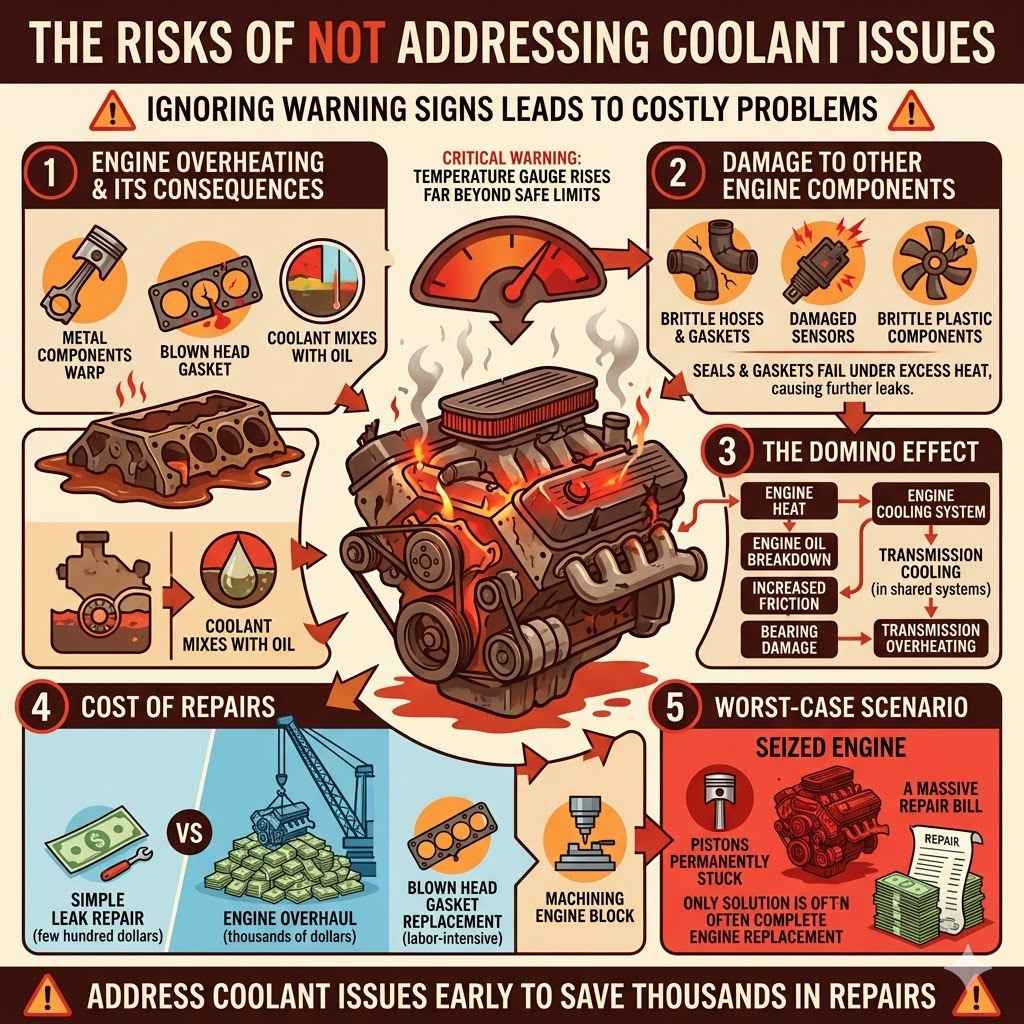
The primary risk is engine damage. Overheating can warp engine components like the cylinder head, damage the head gasket, and even seize the engine entirely. These types of repairs are among the most costly you can face as a car owner.
Additionally, a malfunctioning cooling system can affect other parts of your car, creating a domino effect of problems.
Engine Overheating and Its Consequences
When your engine overheats, it means the temperature inside has risen far beyond its safe operating limits. This extreme heat can cause metal parts to expand and deform. The head gasket, which seals the combustion chambers, can blow out, allowing coolant to leak into the cylinders or oil passages, or vice versa.
This contamination wreaks havoc on engine oil and can lead to bearing damage.
A severely overheated engine can warp the cylinder head or block. In extreme cases, the entire engine can seize up, meaning the pistons are permanently stuck, rendering the vehicle undrivable. The cost to repair or
Damage to Other Engine Components
The heat generated by an overheating engine doesn’t just affect the core components. It can also damage seals, gaskets, hoses, and sensors throughout the engine bay. Rubber and plastic parts can become brittle and crack under excessive heat, leading to further leaks and failures.
Even electronic components can be affected by prolonged exposure to high temperatures.
For example, the engine oil itself can break down and lose its lubricating properties when it gets too hot. This leads to increased friction and wear on moving parts, even if the coolant system itself is eventually fixed. The transmission can also be affected, as it often uses engine coolant for its own cooling system.
Thus, engine overheating is not an isolated issue; it can compromise many parts of your vehicle.
Cost of Repairs
The financial implications of ignoring coolant issues can be significant. A simple coolant leak that could have been fixed for a few hundred dollars can escalate into a repair bill costing thousands if it leads to engine damage. Replacing a blown head gasket, for instance, is a labor-intensive job that involves dismantling a large part of the engine.
If the engine block or cylinder head is warped, those parts may need to be machined or replaced entirely.
In the worst-case scenario, if the engine seizes, the only solution is often a complete engine
Frequently Asked Questions
Question: Can I use plain water in my car’s cooling system if I’m out of coolant?
Answer: In a true emergency, you can use plain water to get your car to a safe place or a repair shop. However, it is not recommended for regular use. Plain water does not have the anti-freeze properties of coolant and can freeze in cold weather, causing severe damage.
It also lacks the corrosion inhibitors that protect your engine. Once you’ve used water, you should have the system flushed and refilled with the proper coolant mixture as soon as possible.
Question: How often should I check my car’s coolant level?
Answer: It’s a good practice to check your coolant level at least once a month, and before any long road trips. You should always check it when the engine is completely cool. This simple check can help you catch a developing leak or low level before it becomes a serious problem.
Question: What happens if my car’s coolant is too old?
Answer: Over time, the chemicals in coolant break down. This means it loses its ability to prevent freezing and boiling, and its anti-corrosion properties diminish. Old coolant can become acidic, leading to rust and corrosion within the cooling system.
This can clog the radiator, damage the water pump, and even lead to leaks or engine damage.
Question: Can a bad thermostat cause my car to overheat?
Answer: Yes, a faulty thermostat can definitely cause your car to overheat. The thermostat’s job is to regulate the flow of coolant. If it gets stuck closed, it prevents coolant from circulating to the radiator, leading to the engine overheating.
If it gets stuck open, the engine may not reach its optimal operating temperature, which can affect performance and fuel efficiency.
Question: Is it bad if my coolant level is between the MIN and MAX lines but not full?
Answer: No, as long as the coolant level is within the “MIN” and “MAX” lines when the engine is cool, it is generally acceptable. The “MAX” line indicates a full system, but there’s usually a small buffer built into the system. The key is that it is not below the “MIN” line, which would indicate it’s too low and needs to be topped up.
Summary
Understanding How Do You Know When Your Car Needs Coolant? Warning Signs is essential for any driver. Watch for a high temperature gauge, steam, sweet smells, puddles under the car, or corrosion in the reservoir.
Low coolant levels are a direct sign. Safely check and add coolant when the engine is cool. If problems persist or are severe, call a mechanic.
Regular maintenance like coolant flushes and hose inspections prevents costly repairs and keeps your engine running cool.