What Does Convertible Car Seat Mean? Clearly Explained
It can feel like a puzzle when you’re picking out baby gear. You see so many types of car seats. What does convertible car seat really mean?
Does it just change its look? Or does it do more? Let’s break it down so you know exactly what you’re looking for.
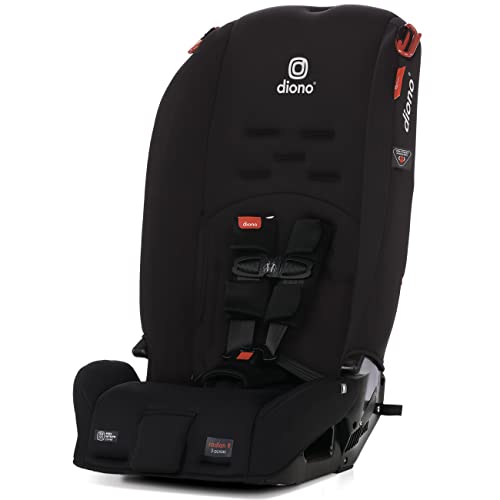
A convertible car seat is a type of child safety seat that can be used in multiple modes. It typically starts as a rear-facing seat for infants. Then, it can be changed to a forward-facing seat for toddlers and young children.
Some models also convert into a booster seat.
What is a Convertible Car Seat?
A convertible car seat is designed to grow with your child. Think of it as a seat that adapts over time. It starts out for the tiniest babies.
Then, as your little one gets bigger, you can switch how the seat is used. This saves you from buying a new seat every few years.
These seats usually have two main modes. The first is rear-facing. This is for infants and very young children.
It’s the safest way for them to ride. Your child faces backward. This protects their head, neck, and spine best in a crash.
The second mode is forward-facing. This is for older toddlers and young children. They face the front of the car.
This mode is used once your child meets certain weight and height limits for rear-facing. Convertible seats offer a longer rear-facing option than infant-only seats.
Some advanced convertible seats even have a third mode. This is the booster seat mode. In this mode, the car seat’s harness is removed.
Your child then uses the car’s seat belt. The booster part of the seat helps position the seat belt correctly on your child’s body.
The key idea is versatility. You buy one seat. It serves your child through many stages of their childhood.
This makes it a very popular choice for parents. It’s an investment that lasts. It supports your child’s safety as they grow from a tiny baby to a bigger kid — see our full guide on what age for a car seat for NHTSA’s exact weight and height ranges per stage.
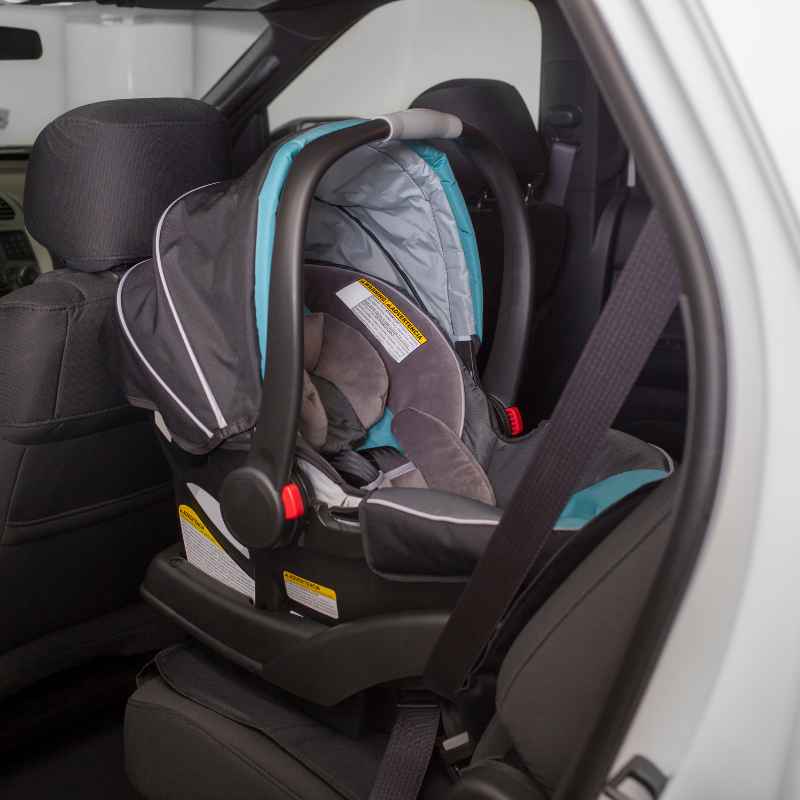
My First Convertible Car Seat Scare
I remember when my daughter, Lily, was about nine months old. We had an infant car seat. It clipped into a base.
It was easy to take in and out of the car. Then, she outgrew it. The store associate told me about convertible car seats.
I looked at them. They seemed so big! I was nervous about installing one.
And how would she even fit in it rear-facing? It looked so snug.
One busy afternoon, we were heading to grandma’s house. My husband, bless his heart, decided to install the new convertible seat himself. I was in the kitchen, packing snacks.
He came in, looking a bit flustered. “I think it’s in,” he said. My stomach did a flip.
It felt wobbly. I remember touching it. It shifted more than I thought it should.
Panic set in. Was my baby safe? I spent the next hour on the phone with customer support.
Then I watched about ten YouTube videos. Finally, I felt confident it was secure. It was a lesson learned.
Safety comes first. And sometimes, you need a little help or a lot of research.
Key Features of Convertible Seats
Adjustable Harness: The straps that hold your child can be moved up or down. This makes sure they fit just right as your child grows. Most have multiple harness slots.
Multiple Recline Positions: This helps you get the best angle for your baby. It’s important for comfort and safety, especially when rear-facing.
Side Impact Protection: Many seats have extra padding around the head and sides. This offers more protection in case of a side crash.
Energy Absorbing Foam: This foam helps soak up the force of an impact. It adds a layer of safety for your child.
LATCH System Compatibility: Most seats work with the LATCH system in your car. This makes installation easier and often more secure than seat belts.
Why Choose a Convertible Car Seat?
There are many good reasons why parents love convertible car seats. One of the biggest is value. You buy one seat.
It lasts for many years. This can save you money. You don’t need to buy an infant seat, then a toddler seat, then a booster.
The convertible seat covers most of that journey.
Another big plus is the extended rear-facing time. Many convertible seats allow children to stay rear-facing longer. This is up to 40 or even 50 pounds.
Safety experts strongly recommend keeping children rear-facing as long as possible. This is because their bodies are still developing. Their bones are not as strong.
Rear-facing provides better support for their head, neck, and spine. A convertible seat makes this possible.
They are also quite sturdy. Once installed, they feel very solid. This gives parents peace of mind.
You know your child is protected. The harness system is usually robust. The materials are often high-quality.
They are built to withstand the demands of daily use and protect your child.
Consider the convenience factor too. While the initial installation might take a bit more effort than a click-in infant seat, it’s a one-time (or few-time) job. You won’t be constantly swapping seats or worrying about compatibility as your child grows.
You set it up, and it’s good to go for a long while.
The ability to adjust the seat is key. As your child grows, you can easily move the harness up. You can change the recline.
This ensures a proper fit. A good fit is crucial for car seat safety. It means the harness straps are in the right place.
The seat belt (in booster mode) is positioned correctly. This keeps your child safe and comfortable on every trip.
Infant vs. Convertible: Quick Look
Infant Seats:
- Typically rear-facing only.
- Lighter and portable.
- Clicks into a base, easy to move between cars or into a stroller.
- Good for newborns.
- Children outgrow them faster by height or weight.
Convertible Seats:
- Can be rear-facing and forward-facing.
- Some convert to booster seats.
- Heavier and not portable.
- Designed for a longer lifespan.
- Offers extended rear-facing options.
Understanding the Modes: Rear-Facing
The rear-facing mode is the most critical for young children. It’s not just a suggestion; it’s a vital safety feature. When a car stops suddenly or crashes, a rear-facing seat cradles your child.
The seat’s shell supports their head, neck, and spine. The forces of impact are spread across the seat’s back and shell.
For infants and very young toddlers, their heads are large and heavy compared to their bodies. Their neck muscles are still developing. In a forward-facing seat during a frontal crash, their head would be thrown forward.
This puts immense strain on their fragile neck. Rear-facing prevents this. It absorbs the shock and keeps their head, neck, and spine aligned.
Most convertible car seats have a rear-facing weight limit of at least 40 pounds. Some go up to 45 or 50 pounds. They also have a height limit for rear-facing.
This is usually indicated by the position of the harness straps. The top of the straps must be at or below the child’s shoulders.
When you’re setting up the seat for rear-facing, pay close attention to the recline angle. For newborns, a steeper recline is needed. This keeps their airway open.
As they get older and can sit up better, you can often make the seat more upright. Always check your car seat manual and your vehicle owner’s manual for specific instructions.
The harness straps in rear-facing mode should be snug. You should not be able to pinch any slack in the straps at your child’s collarbone. The chest clip, if your seat has one, should be positioned at armpit level.
These small details make a big difference in how well the seat protects your child.
Switching to Forward-Facing
When does your child move from rear-facing to forward-facing? This is a big question for parents. The American Academy of Pediatrics (AAP) has clear guidelines.
Children should stay rear-facing until they reach the maximum height or weight limit for their specific car seat in rear-facing mode. Don’t rush this transition.
Once they have outgrown the rear-facing limits, you can then turn the seat around. Forward-facing is the next stage. In this mode, your child faces the front of the car.
The harness straps still keep them secure. The car seat shell still provides protection.
The harness straps in forward-facing mode should be at or slightly above your child’s shoulders. This is different from rear-facing. For forward-facing, the straps need to come down over their shoulders.
This helps keep them in the seat during a crash. Again, make sure the straps are snug. No slack should be noticeable at the collarbone.
The weight and height limits for forward-facing are typically higher. They can often go up to 65 pounds or more. This mode can be used for several years.
It’s important to check the manufacturer’s limits for your specific seat. Every seat is different. Some seats are designed for longer forward-facing use than others.
Many parents wonder if forward-facing is as safe. For older children with stronger necks and spines, it is a safe option. However, rear-facing is always the safest position for as long as the child fits the limits.
The transition happens when the child reaches those limits. It’s about their physical development and the seat’s capabilities.
Signs It’s Time to Turn Forward-Facing
Your child has reached the maximum rear-facing weight limit of the car seat.
Your child has reached the maximum rear-facing height limit of the car seat (often indicated by the top harness slot).
Your child’s head is less than an inch from the top of the car seat shell when rear-facing, and they are at the height limit.
Always consult your car seat manual for exact limits and guidance.
The Booster Seat Conversion (On Some Models)
Some convertible car seats offer a third life. They can convert into a booster seat. This is a fantastic feature.
It means one seat can potentially last your child from birth until they are ready for a regular car seat belt alone.
To convert to a booster, you remove the car seat’s internal harness system. This usually involves unthreading the straps. Then, the shell of the seat acts as a high-back booster or a backless booster.
Your child then uses the vehicle’s seat belt. The booster seat helps position the shoulder and lap belts correctly.
For a high-back booster, the seat’s back is still attached. It helps guide the shoulder belt and can offer head support. For a backless booster, you just use the padded seat portion.
The vehicle’s headrest will then support your child’s head.
The transition to a booster seat is usually based on age, height, and weight. Typically, children need to be at least 5 years old. They should also be mature enough to sit properly in a booster for the entire ride.
They must keep the seat belt positioned correctly.
The seat belt fit is crucial here. The lap belt should lie low across the upper thighs, not the stomach. The shoulder belt should lie across the middle of the chest and shoulder, not across the neck or slipping off the shoulder.
The booster seat helps achieve this fit. It keeps the child at the right height for the vehicle’s seat belt.
This booster conversion extends the usefulness of your initial purchase significantly. It’s a smart way to ensure safety and save money over time. Always check the specific booster mode limits for your car seat model.
It’s important to follow all instructions for conversion and use.
Booster Seat Readiness Checklist
Age: At least 5 years old.
Height: Tall enough for the vehicle’s seat belt to fit properly with the booster.
Weight: Meets the car seat’s booster mode weight limits.
Maturity: Can sit properly for the entire trip without fidgeting or moving out of position.
Seat Belt Fit: Lap belt across upper thighs, shoulder belt across chest and shoulder.
Installation: A Crucial Step
No matter how great a convertible car seat is, it’s only effective if installed correctly. This is where many parents struggle. Fortunately, most seats have clear instructions.
And there are resources to help.
You have two main ways to install a car seat: using the vehicle’s seat belt or using the LATCH (Lower Anchors and Tethers for Children) system. Both can be safe when used correctly. Some parents prefer one over the other.
If using the seat belt, make sure to lock the seat belt. Most cars have a locking clip or a mode where the belt locks automatically. Follow your car seat manual to route the belt through the correct slots.
Press down firmly on the seat base as you tighten the belt.
If using LATCH, find the lower anchor bars in your vehicle’s seats. They are usually marked. Connect the LATCH straps from the car seat to these anchors.
Again, press down on the seat base and pull the LATCH straps tight. Make sure to also attach the top tether strap if you are forward-facing. The top tether is a vital safety feature that significantly reduces head movement in a crash.
The “no-more-than-one-inch” rule is key for a secure installation. Once installed, grab the car seat at the belt path (where the seat belt or LATCH strap goes through). It should not move more than one inch in any direction.
Check this test at the seat’s base, not the top. If it moves more than an inch, it’s too loose.
Many communities offer free car seat checks by certified technicians. The National Highway Traffic Safety Administration (NHTSA) website can help you find a local inspection station. These technicians are experts.
They can check your installation and show you how to do it correctly. This is a highly recommended step for any parent.
Installation Tips for Success
Read Both Manuals: Always read your car seat manual AND your vehicle’s owner manual. They contain specific instructions.
Choose One Method: Use either the seat belt or the LATCH system, not both, unless your car seat manual specifically allows it.
Check the Belt Path: Ensure you are using the correct belt path for rear-facing or forward-facing mode.
Get the Recline Right: Especially for rear-facing infants, the recline angle is crucial for airway protection.
Tighten Firmly: Use your body weight to press down on the seat while tightening the belt or LATCH straps.
Top Tether is Key: Always use the top tether for forward-facing installations if your vehicle has an anchor point.
What This Means for Your Family
Choosing a convertible car seat means you’re making a long-term investment in your child’s safety. It simplifies the process of car seat buying. You’ll likely need fewer seats overall.
This can save you money and reduce clutter.
It allows you to keep your child rear-facing for longer. This is a significant safety benefit. Many parents feel more at ease knowing their child is in the safest position possible.
The extended rear-facing limits on many convertible seats make this practical.
You need to be prepared for the initial setup. Installation requires attention to detail. But once it’s done right, it provides a secure environment for your child for years.
It’s a seat that grows with them through toddlerhood and potentially into early childhood.
When your child outgrows the harness, some seats can then become a booster. This further extends the life of the product. It’s a responsible choice for both safety and the environment, as it reduces waste.
You’re not constantly discarding and replacing car seats.
The key is to stay informed. Understand the weight and height limits. Know when to switch modes.
And always ensure the seat is installed correctly. These steps are vital for maximizing the safety benefits of your convertible car seat.
When to Worry and When It’s Normal
Most issues with convertible car seats stem from installation or misuse, not the seat itself. However, there are some things to watch for.
Normal:
- A bit of a wobble (less than one inch) in the belt path when installed correctly.
- Your child may fuss about being in the seat initially, especially if they are used to being more mobile.
- The seat taking up a good portion of your car’s back seat.
- The need to adjust harness straps as your child grows.
When to Worry:
- The seat moves more than one inch in any direction at the belt path.
- The harness straps are too loose. You can pinch slack at your child’s collarbone.
- The harness straps are too high when rear-facing (above the shoulders).
- The chest clip is too low (below the armpits) or too high (near the chin) when forward-facing.
- You’re unsure about the installation.
- The car seat is nearing its expiration date (usually 6-10 years from the manufacture date).
- The car seat has been in a crash, even a minor one. It may need replacement.
- You notice any cracks or damage to the seat shell or straps.
If you have any doubts about your installation or your child’s fit in the seat, seek help. A certified car seat technician can provide invaluable assistance. Your peace of mind is worth the effort.
Quick Tips for Convertible Seat Owners
Keep it Clean: Spills happen! Most car seat covers are removable and washable. Check your manual for cleaning instructions.
Never use harsh detergents.
Check Expiration Dates: Car seats expire. Materials can degrade over time. Look for a sticker on the seat indicating the manufacture date or expiration date.
Read the Manual: Seriously, read it! It’s your best resource for installation, harness adjustments, and cleaning.
Adjust Harnesses Regularly: As your child grows, their shoulders will rise. Make sure the harness straps stay at or just below the shoulders for rear-facing, and at or just above for forward-facing.
Buddy Check: When you install the seat, have another adult or a trusted friend check it too. A fresh set of eyes can spot things you might have missed.
Top Tether for Forward-Facing: If your car seat and vehicle allow for a top tether when forward-facing, use it! It’s a critical safety feature.
Know Your Limits: Be aware of the weight and height limits for each mode of your car seat. Don’t push these limits.

Frequently Asked Questions About Convertible Car Seats
What is the main difference between an infant car seat and a convertible car seat?
An infant car seat is designed only for rear-facing use and is typically lighter and portable, often clipping into a base or stroller. A convertible car seat can be used rear-facing and then switched to forward-facing as the child grows. Some also convert to booster seats, offering a longer lifespan.
How long can my child stay rear-facing in a convertible car seat?
You should keep your child rear-facing until they reach the maximum weight or height limit for rear-facing use for your specific convertible car seat model. Many seats allow children to stay rear-facing up to 40 or 50 pounds, which is highly recommended for safety.
When should I switch my child from rear-facing to forward-facing?
You should switch your child to forward-facing only when they have outgrown the rear-facing limits (weight or height) of their convertible car seat. Safety experts advise keeping children rear-facing for as long as possible, as it is the safest position for their developing bodies.
Are convertible car seats safe for newborns?
Yes, most convertible car seats are safe for newborns when used in the rear-facing mode with a proper recline angle. However, some newborns may not fit optimally in all convertible seats. It’s essential to check the seat’s minimum weight and height requirements and ensure a snug fit with the harness and recline.
How do I know if the convertible car seat is installed correctly?
A correctly installed convertible car seat should not move more than one inch in any direction when tested at the belt path. Always refer to your car seat and vehicle manuals. Visiting a certified child passenger safety technician for a free inspection is also highly recommended.
How long is a convertible car seat typically used?
A convertible car seat can be used for many years. It supports a child from infancy in rear-facing mode, through toddlerhood in forward-facing mode, and sometimes into booster mode for older children. The exact duration depends on the child’s growth and the car seat’s specific limits, often lasting until the child is ready for a regular seat belt alone (around age 8-12).
Conclusion
So, when you hear convertible car seat, think flexibility and longevity. It’s a seat that adapts to your growing child. It prioritizes safety through extended rear-facing options.
And it can be a smart, cost-effective choice for your family. Make sure to always check the manuals and get a proper installation. Your child’s safety is worth the effort.
Products related to this article
Sponsored / affiliate links. As an Amazon Associate I earn from qualifying purchases. I may earn additional commission from eligible campaigns.