How Do Car Seat Heaters Work? Heating Elements Explained
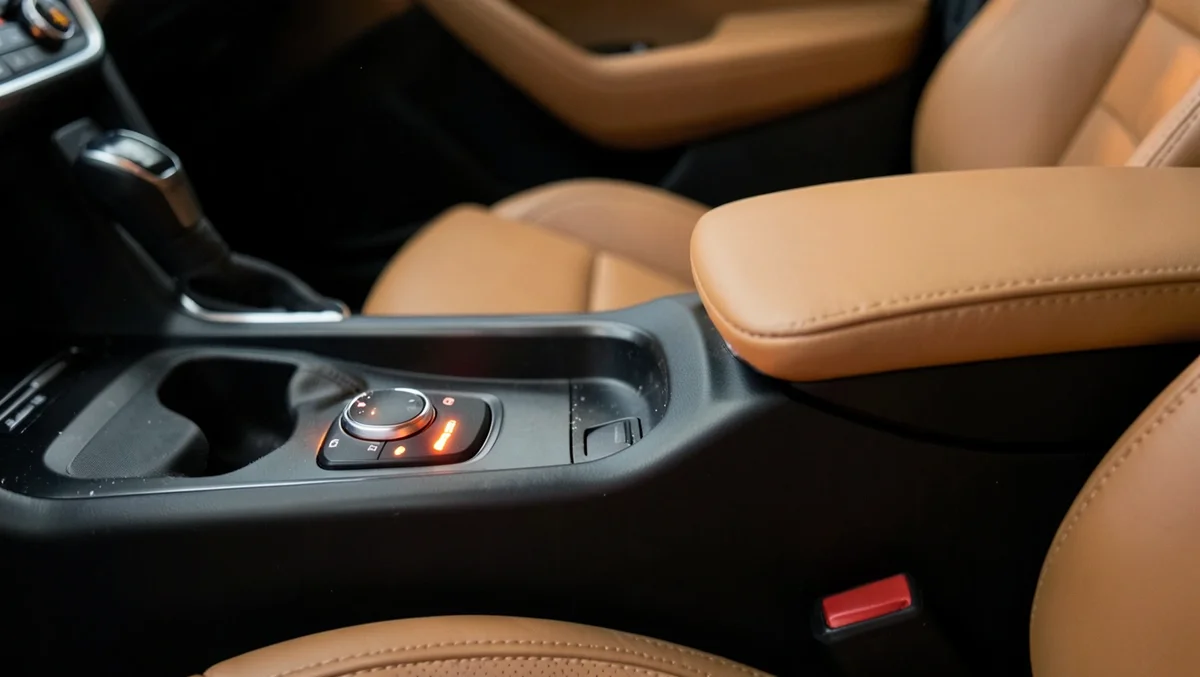
Car seat heaters warm the seat with a thin resistive-wire or carbon-fiber pad hidden under the upholstery. Turning on the switch completes an electric circuit, the element heats up through simple electrical resistance, and a built-in thermostat cycles the power on and off to hold a safe, steady temperature – usually somewhere between 95°F and 113°F (35°C to 45°C).
How the Heating Element Actually Works
Every heated seat relies on the same basic physics: Joule heating, the same principle behind a toaster or an electric blanket. A conductive material resists the flow of electricity, and that resistance is released as heat. In a car seat, that conductive material is molded into a thin, flexible pad sewn beneath the seat cover, so it heats the surface you sit on directly instead of just warming the surrounding air.
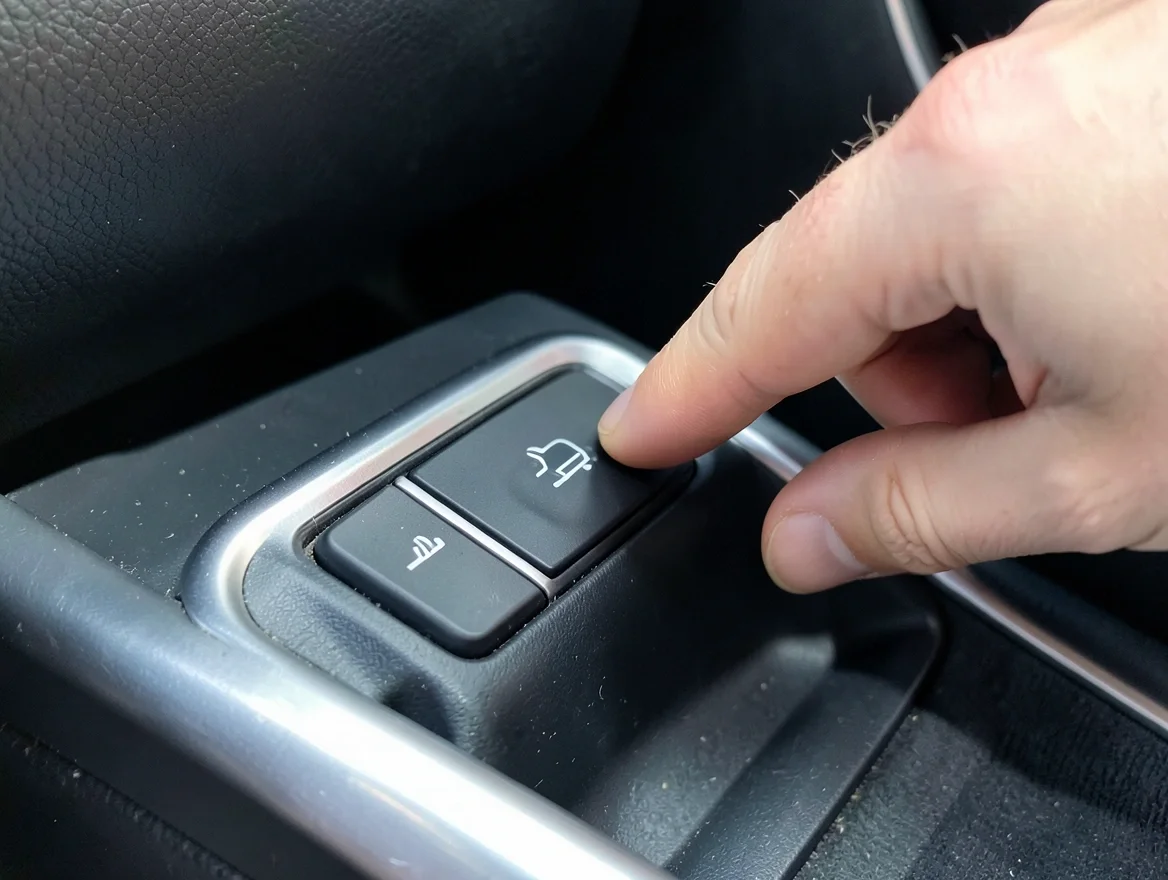
When you press the seat-heater button, you close a low-voltage circuit that runs off the car’s 12-volt electrical system. Current flows through the element, the element warms up, and a temperature sensor built into the pad reports back to a small control module. Once the seat reaches its target temperature, the module cuts power to the element; once it cools a little, the module switches it back on. That constant cycling is why a heated seat feels like it holds a steady temperature instead of just getting hotter and hotter.
Resistive Wire vs. Carbon Fiber Elements
Not every heating element is built the same way, and the type used affects both how evenly a seat warms and how quickly.
- Resistive wire elements are the older, more common design: a coiled nickel-chromium (nichrome) wire is stitched into a backing pad in a zig-zag pattern. They’re cheap and reliable, but heat concentrates along the wire itself, so you can feel warmer lines and cooler gaps if you sit still for a while.
- Carbon fiber elements spread a conductive carbon layer across the entire pad instead of routing it through a single wire path. That gives more even heat across the whole seat surface, a faster warm-up, and a thinner pad that’s easier to fit under factory upholstery or a seat cover without adding bulk. Most newer factory-installed systems and higher-end aftermarket kits use carbon fiber for this reason.
How Long Do Heated Seats Take to Warm Up?
Most factory heated seats produce noticeable warmth within one to three minutes on the highest setting, though some vehicles can take closer to ten minutes depending on the seat design and cabin temperature. Aftermarket carbon fiber kits tend to heat faster than older wire-based systems because the element covers more surface area. Once warm, the seat typically settles into a comfortable range around 95°F to 113°F – hot enough to feel immediately noticeable, but well below a temperature that could burn skin or fabric.
Thermostats and Auto Shutoff: Why Seats Do Not Stay Hot Forever
Two safety systems work together behind the scenes. The thermostat (or a thermistor sensor) constantly measures the pad’s temperature and cycles the current on and off to prevent the element from overheating a single spot. Separately, most vehicles and aftermarket kits include an automatic shutoff timer, typically 15 to 30 minutes, that turns the heater off even if you forget about it. That timer exists to protect the car’s battery and to stop the seat from running unattended for hours – so a seat heater is not designed, and should not be expected, to stay on continuously for an entire long drive without you turning it back on. If you’re also wondering whether that heat is safe for your skin or for long-term use, see our separate breakdown of whether heated car seats are bad for you.
A Brief History: Cadillac First, Saab First as Standard
Heated seats are not a recent invention. Cadillac introduced the first factory heated seat as an optional extra on the 1966 Fleetwood. Six years later, in 1972, Saab became the first automaker to make heated front seats standard equipment, on the Saab 99, 95, and 96. Saab’s original system was designed to switch on automatically whenever the ignition started and the seat cushion was below 57°F, then shut itself off once a thermostat detected the cushion had reached about 82°F – the same thermostat-controlled logic that modern automakers still rely on today, just refined with better sensors and faster-heating materials.
Factory-Installed vs. Aftermarket Seat Heater Kits
Factory heated seats are built into the seat during manufacturing, wired directly into the car’s electrical system, and controlled through the dashboard or center console. If your car did not come with them, an aftermarket kit can add the same functionality. A typical kit includes carbon fiber or wire heating pads sized for the seat bottom and backrest, a wiring harness that taps into a fused 12-volt source, and a control switch or dial you mount somewhere reachable. Installation ranges from a straightforward afternoon project for the seat-bottom pad to a more involved job if you want the heater built invisibly under the original upholstery rather than under a seat cover.
Aftermarket Pick
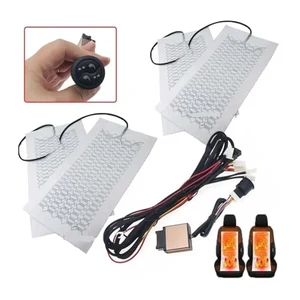 |
PVGVKCKKTA 4-Piece Carbon Fiber Seat Heater Kit – $52.15 A universal carbon-fiber pad kit that uses the same even-heating element technology described above, built for cars without factory heated seats.
|
Do Seat Heaters Still Work With Seat Covers?
Yes, in most cases. A thin, breathable seat cover made of fabric or leatherette generally lets heat pass through fine. Thick neoprene, quilted, or heavily padded covers can insulate the seat enough to slow down or muffle the warmth you feel, since the heating element still has to push heat through an extra layer before it reaches you. If you install an aftermarket kit and plan to use a cover over it, look for one described as heated-seat compatible.
Common Problems and How to Troubleshoot Them
When a heated seat stops working or heats unevenly, the cause is almost always one of three things:
- A blown fuse. Seat heaters run on their own fused circuit. Check the fuse box diagram for the seat heater fuse and swap it if it’s blown – this is the cheapest and most common fix.
- A broken or pinched wire in the element. Years of sitting and sliding can crack the thin heating wire, especially in older wire-based pads. A cracked element usually shows up as a hot spot, a cold spot, or the seat not heating at all.
- A failed switch or control module. If the button lights up but nothing happens, or nothing lights up at all, the switch or its control module may need replacing.
Checking the fuse first takes two minutes and rules out the simplest cause before you consider pulling the seat apart or calling a mechanic.
Frequently Asked Questions
How does a car seat heater work?
A car seat heater warms the seat with a resistive wire or carbon fiber element built into the cushion. Turning on the switch completes an electric circuit, the element heats through electrical resistance, and a thermostat cycles the current on and off to hold a steady temperature, usually adjustable via a switch or dial on the console.
How hot do heated car seats get?
Most heated seats settle into a range of roughly 95°F to 113°F (35°C to 45°C) once fully warmed up. A built-in thermostat prevents the element from climbing past a safe ceiling, so the seat should feel comfortably warm rather than uncomfortably hot.
How long does it take for heated seats to warm up?
Most seats produce noticeable warmth within one to three minutes on the highest setting, though some vehicles take closer to ten minutes depending on the seat design and how cold the cabin is to start.
Can a heated seat stay on for hours without shutting off?
No. Most factory and aftermarket seat heaters include an automatic shutoff timer, typically 15 to 30 minutes, to protect the battery and prevent the element from running unattended. If you want continued warmth on a long drive, you generally need to turn the heater back on rather than expect it to run continuously.
Do seat heaters still work with seat covers?
Yes, thin fabric or leatherette seat covers generally let heat pass through without a problem. Thick, heavily padded, or neoprene covers can insulate the seat and noticeably dampen the warmth, since the heat has to travel through an extra layer to reach you.
What are heated seats powered by?
Heated seats run off the vehicle’s 12-volt electrical system. Pressing the switch draws current from the car’s battery through the heating element, and a control module or thermostat regulates how much power flows to keep the temperature steady.
Conclusion
Car seat heaters are a fairly simple piece of engineering once you break them down: an electric element under the upholstery, a switch that completes the circuit, and a thermostat that keeps everything at a safe, steady temperature. Whether your car came with them from the factory or you add a carbon fiber aftermarket kit yourself, the underlying technology is the same – and knowing how it works makes it much easier to spot the difference between a normal auto-shutoff and an actual malfunction.
Products related to this article
Sponsored / affiliate links. As an Amazon Associate I earn from qualifying purchases. I may earn additional commission from eligible campaigns.
 Coverado Car Seat Covers, Front Covers for Cars, Car Seat Cover Front Seats, Automotive Seat Cover, Waterproof, Leather Car Seat Cushion, Universal Interior Covers Seat Protectors for Most Cars
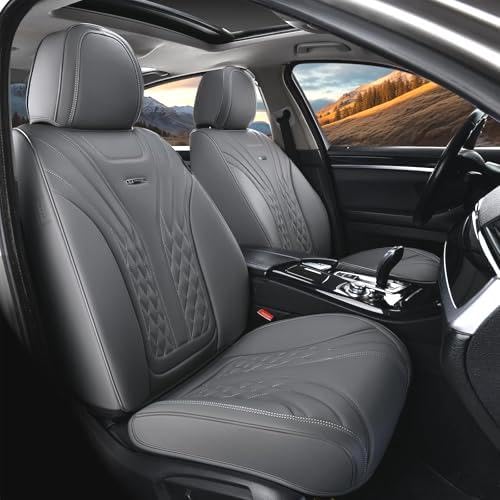 Coverado Car Seat Covers, Car Seat Covers Front Seats, 2-Pack Front Seat Cover, Nappa Leather Waterproof Seat Covers, Car Seat Protectors, Automotive Seat Covers Universal Fit for Most Vehicles