How Long Before Repo in Texas: Essential Guide
In Texas, creditors generally can repossess your car as soon as you miss a payment, with no mandatory waiting period. However, most lenders send notices and try to work with you before taking this step. Understanding your loan agreement and Texas law is key.
Losing your car can feel overwhelming, especially to repossession. It’s a worry many Texans carry, and understanding the process can help you navigate it. When you miss a car payment in Texas, you might wonder, “How long before they repo a car in Texas?” The good news is that it’s not an immediate, automatic process for most lenders. There are usually steps involved before your car is taken. This guide will walk you through what you need to know, ensuring you feel more in control and informed about your situation, no matter where you are in the loan process.
Understanding Car Repossession in Texas
Car repossession, or “repo” for short, is when a lender takes back your vehicle because you haven’t made your loan payments as agreed. This is also known as “peaceable repossession.” It’s a serious step, but it’s a remedy available to lenders when a borrower defaults on their auto loan. In Texas, like in many other states, the specific rules and timelines can vary, but the core principle remains: the loan contract gives the lender the right to reclaim the collateral (your car) if payments are missed.
It’s crucial to realize that lenders don’t want to repossess your car. It’s a costly and time-consuming process for them. They’d rather you make your payments so they can earn interest. Because of this, many lenders will try to contact you and find solutions before initiating repossession. However, the moment you breach the loan agreement by missing a payment, the lender technically has the right to begin the repossession process according to the terms of your contract. This is why knowing your specific loan terms and the general laws in Texas is so important.
What Does “Default” Mean for Your Auto Loan?
When you sign an auto loan contract, you agree to a set of terms. “Defaulting” on that loan means you’ve broken one of those key terms. For most auto loans, the primary trigger for default is missing a payment. However, your loan contract might specify other conditions that constitute a default. These can include:
- Missing one or more monthly payments.
- Failing to maintain required auto insurance.
- Using the vehicle for illegal purposes.
- Selling the vehicle without the lender’s permission.
- Allowing the vehicle registration to lapse if it’s required by your loan.
The specific definition of default is always outlined in your loan agreement. It’s highly recommended to read your contract thoroughly, or at least the sections detailing default and repossession. This will give you the clearest picture of what could lead to your car being repossessed.
How Long Before They Repo a Car in Texas: The General Timeline
This is the million-dollar question, and the answer is… it can be very fast. In Texas, there is no mandated “grace period” after a missed payment before a lender can legally repossess your vehicle. This means, technically, the lender could initiate repossession as soon as your payment is late. However, this is rarely the first step.
Most lenders will follow a process:
- Missed Payment: The day after your payment is due and not received, you are technically in default.
- Lender Contact: The lender’s collections department will likely try to contact you. This might be through automated calls, emails, or letters. They’ll want to know why the payment was missed and when you can make it.
- Reminders and Notices: You may receive further notices from the lender, often by mail, reminding you of your overdue balance and the potential consequences. Some lenders may offer payment plans or deferrals at this stage.
- Demand Letter: In some cases, before repossession, a lender might send a formal “demand letter.” This is a legal notice stating that you are in default and giving you a specific, short timeframe (e.g., 10-15 days) to cure the default by paying the overdue amount plus any fees.
- Repossession Event: If you do not make satisfactory arrangements with the lender or pay the overdue amount, the lender can then arrange for the vehicle to be repossessed. This must be done “peaceably,” meaning without trespassing or breaching the peace.
The actual time between your first missed payment and repossession can vary greatly depending on the lender’s policies, your payment history, and your communication with them. Some lenders are more aggressive than others. For some, it could be as little as a week or two after a missed payment if there’s no communication. For others, it might be a month or more.
Factors Influencing When a Car is Repossessed
Several factors can affect how quickly a lender decides to repossess your vehicle. Understanding these can help you anticipate potential actions and prepare yourself.
Your Lender’s Policies
Every bank, credit union, or financing company has its own internal policies regarding overdue accounts. Some lenders have a stricter approach and may start the repossession process sooner after a missed payment. Others might be more forgiving, especially for customers with a long-standing good payment history. They might allow one or two missed payments before taking action, especially if you communicate with them.
Your Payment History
If you have a history of late payments or defaults with this lender, they are likely to act more quickly. Conversely, if you’ve reliably paid your bills on time for years, they might be more willing to work with you if you suddenly fall behind. A good track record can sometimes buy you more time and flexibility.
Communication with Your Lender
This is a huge factor. If you proactively contact your lender as soon as you know you’ll miss a payment, explain your situation, and propose a solution (like a payment plan or deferment), they are much more likely to work with you. Ignoring their calls and letters signals that you are not taking the loan obligation seriously and can accelerate the repossession process. Open communication is almost always your best first step.
The Value of the Vehicle
Lenders also consider the value of the collateral (your car) relative to the amount you still owe. If you owe significantly more than the car is worth (this is called being “upside down” on your loan), the lender might be more eager to repossess it to minimize their potential losses. If you owe much less than the car is worth, they might be more willing to discuss options, as the car is still good collateral with low risk for them.
What Happens During a Repossession?
Repossession in Texas must be conducted “peaceably.” This means the repo agent (often called a “repo man”) can take your car from a public place or from a location accessible to the public. They can also take it if it’s parked in your driveway if they can do so without trespassing onto your private property or causing a disturbance.
Here’s a breakdown of what typically occurs:
- Vehicle Retrieval: A licensed repossession agent will locate and take possession of your vehicle. They are typically authorized to tow it away, often to an impound lot. They will usually do this without prior notice to you, and it can happen at any time of day or night.
- Personal Property: If you have personal belongings inside the car, the repo agent is generally required to make reasonable efforts to secure them and notify you of where they are being held. You will likely need to make arrangements to retrieve your belongings from the tow yard or repossession company.
- Notice of Repossession: After the vehicle is repossessed, Texas law requires the creditor to send you a written notice. This notice informs you that your vehicle has been repossessed and explains your rights. It will typically include information on how you can get your car back (reinstatement or redemption) and the deadline for doing so.
It’s important to remember that the original loan agreement is still binding, even after repossession. The lender has the right to sell the car to recoup their losses.
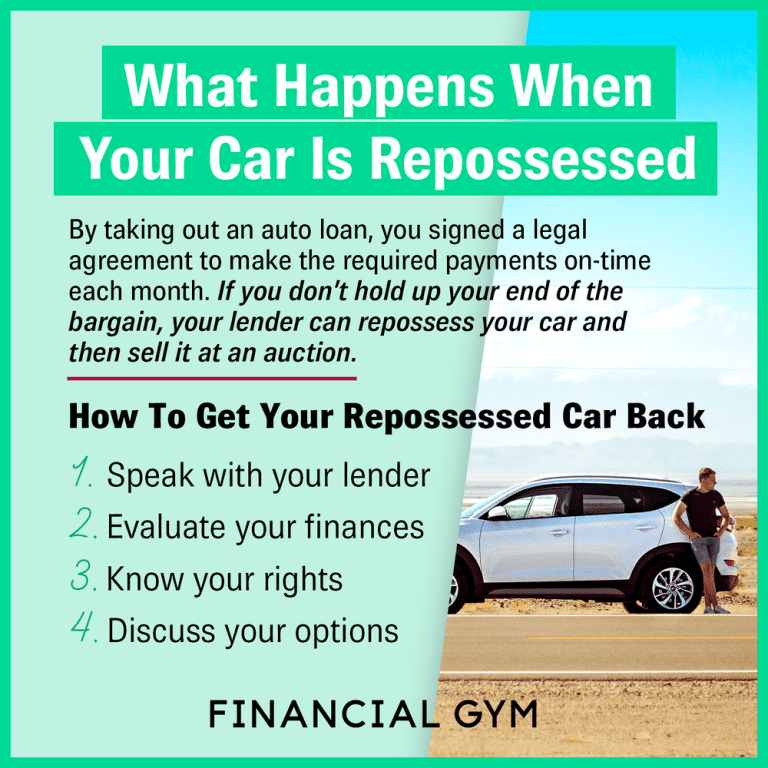
Reinstatement and Redemption: Getting Your Car Back
Texas law provides two primary ways you might be able to get your repossessed car back:
1. Reinstatement:
- This usually involves paying all the past-due payments, plus any late fees, and covering the reasonable costs associated with the repossession (like towing and storage fees).
- The exact terms for reinstatement are outlined in your loan agreement and in the legal statutes.
- You typically have a limited window of time to reinstate the loan, often specified in the notice you receive after repossession.
2. Redemption:
- This means paying the entire remaining balance of your loan, plus any repossession and sale costs.
- This is the more expensive option, as you have to pay off the full debt, but it means the loan is completely satisfied.
- Again, there’s a specific timeframe to exercise your right of redemption.
Missing a payment is stressful, but knowing these options can provide a path forward. For detailed information on your specific rights regarding repossession, you can refer to the Texas Department of Licensing and Regulation (TDLR) guidance on vehicle repossession.
The Deficiency Balance: What Happens After the Sale
If you cannot reinstate or redeem the vehicle, the lender will typically sell the repossessed car. This sale is usually done through an auction. The proceeds from the sale are then applied to your outstanding loan balance, including the repossession costs, late fees, and any other expenses incurred by the lender.
Here’s where the concept of a “deficiency balance” comes in:
- Deficiency Balance: If the amount the car sells for is less than the total amount you owe (loan balance + fees + costs), you are still responsible for paying the difference. This difference is called the deficiency balance.
- Lender’s Right to Suit: The lender can sue you in court to collect this deficiency balance. If they win, they can obtain a judgment against you, which could lead to wage garnishment, bank account levies, or other collection actions.
Example:
Suppose your outstanding loan balance was $10,000, and repossession and sale costs were $1,500, totaling $11,500 owed. If the car sells at auction for only $7,000, you would owe a deficiency balance of $4,500 ($11,500 – $7,000).
It’s important to note that Texas law requires lenders to conduct the sale in a “commercially reasonable manner.” This is intended to help them get the best possible price for the vehicle. You have a right to know the date, time, and place of the sale.
Avoiding Repossession: Proactive Steps You Can Take
The best strategy is always to avoid repossession altogether. If you are facing financial hardship or anticipate trouble making your payments, here are proactive steps you can take:
1. Review Your Loan Agreement
Understand the terms of your contract. Know what constitutes default, what fees are involved, and what your rights are. You can often find this information on your loan documents or by contacting your lender directly.
2. Communicate with Your Lender IMMEDIATELY
This is the most critical step. If you foresee a problem making a payment, call your lender before the payment is due. Explain your situation honestly. They might offer options like:
- Payment Deferment: Temporarily postponing your payments.
- Payment Plan: Spreading missed payments over several months.
- Loan Modification: Changing the terms of your loan, like extending the loan term to lower monthly payments.
Lenders are often willing to work with borrowers who communicate and are willing to solve the problem. You can find tips on effective communication with creditors from consumer protection resources such as the Consumer Financial Protection Bureau (CFPB).
3. Explore Financial Assistance
If your financial difficulties are temporary, look for ways to bridge the gap. This might include:
- Cutting non-essential expenses.
- Seeking temporary employment or side gigs.
- Looking into local charities or government assistance programs that might offer help with transportation or emergency bills.
4. Consider Selling the Vehicle Yourself
If you are significantly behind on payments and know you cannot catch up, and the car is worth more than you owe, consider selling it yourself. You can then use the proceeds to pay off the loan. This can help you avoid repossession fees and a potential deficiency balance. If the sale doesn’t cover the full loan, you can negotiate with your lender to pay off the remaining balance.
5. Seek Professional Advice
If you’re struggling to manage your debt, consider speaking with a non-profit credit counseling agency. They can help you create a budget, negotiate with creditors, and develop a plan to manage your finances. Many reputable agencies offer free or low-cost services.
Legal Rights and Protections for Texas Consumers
While lenders have rights, Texas law also provides certain protections for consumers facing repossession. It’s important to be aware of these:
- Peaceable Repossession: As mentioned, repo agents cannot use force, threats, or break into your home or garage. If they do, it may be considered a wrongful repossession.
- Notice of Sale: You must receive proper notice before the vehicle is sold at auction. This notice should include the date, time, and place of the sale.
- Commercially Reasonable Sale: The lender must sell the car in a way that maximizes its value.
- Right to Notice of Deficiency: If the sale results in a deficiency, the lender must typically notify you of the amount owed.
If you believe your rights have been violated during the repossession process, you should consult with an attorney specializing in consumer law or debt relief. Organizations like Legal Aid or your local bar association can often provide referrals.
Common Misconceptions About Car Repossession in Texas
There are several myths about car repossession that can lead to confusion and unnecessary stress. Let’s clear some of them up:
-
Myth: Lenders must give you a specific number of late notices or a waiting period before repossession.
Fact: Texas law does not mandate a specific waiting period or number of notices. The lender can technically repossess after the first missed payment, though they usually try to contact you first. -
Myth: If the car is in your garage, they can’t take it.
Fact: Repo agents can typically only take your car if they can access it peaceable. If it’s locked in a secured garage that requires breaking in, they cannot enter. However, if it’s in an open driveway or easily accessible area, they can take it. -
Myth: Repossession is the end of the debt.
Fact: As explained with deficiency balances, repossession often doesn’t end your debt. You can still be held responsible for the remaining amount owed. -
Myth: You can’t do anything once the car is repossessed.
Fact: You often have rights to get your car back through reinstatement or redemption, or you have the right to notice of the sale and to dispute a deficiency balance if the sale wasn’t conducted properly.
Being informed about the reality versus the misconception is vital for navigating this situation effectively.
Frequently Asked Questions (FAQ)
Q1: How soon can a car be repossessed in Texas after I miss a payment?
A1: Technically, a lender can repossess your car as soon as you miss a payment, as this constitutes a default. However, most lenders will attempt to contact you first before taking this action.
Q2: Does Texas law require a grace period before repossession?
A2: No, Texas law does not mandate a specific grace period after a missed payment before a vehicle can be repossessed. Your loan agreement may outline a grace period for payment, but not necessarily for repossession.
Q3: What if I still owe money after my car is repossessed and sold?
A3: If the sale of your repossessed car doesn’t cover the full amount you owe (including fees and costs), you will likely owe a “deficiency balance.” Your lender can sue you to collect this remaining amount.