How Long Does Insurance Take To Fix Car: Essential Guide
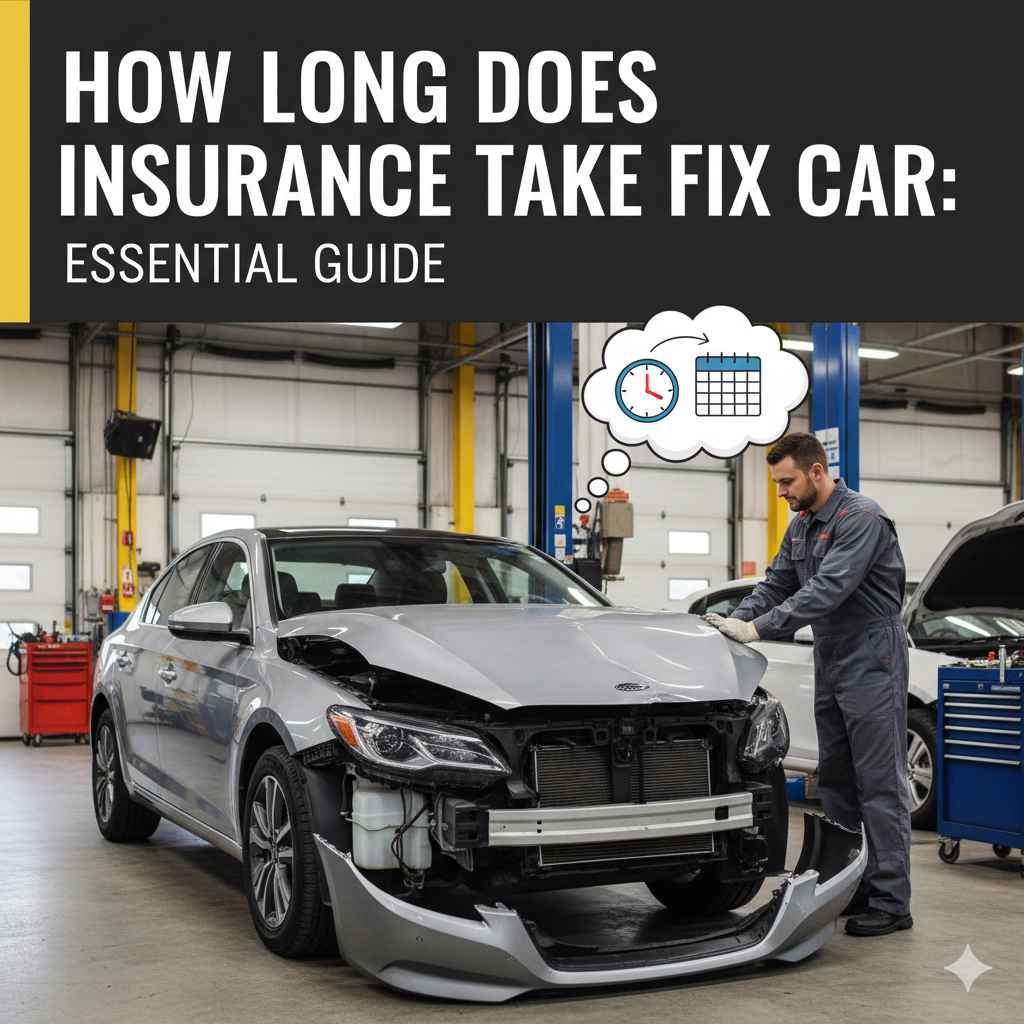
Usually, insurance takes about 1 to 4 weeks to fix your car after an accident. This includes assessment, approval, repair, and inspection. Delays can happen, but understanding the process helps manage expectations and speed things up.
Dealing with a car accident is never fun. The moment you realize your car needs repairs, a big question pops into your head: “How long will this take?” It’s a common worry, and understandably so – being without your car can mess up your daily routine. This guide is here to walk you through the entire process, from filing the claim to getting your keys back. You’ll learn what factors influence the timeline and what you can do to help things move along smoothly. We’ll break down each step so you know exactly what to expect, making this potentially stressful situation much easier to handle.
Understanding the Car Insurance Repair Timeline
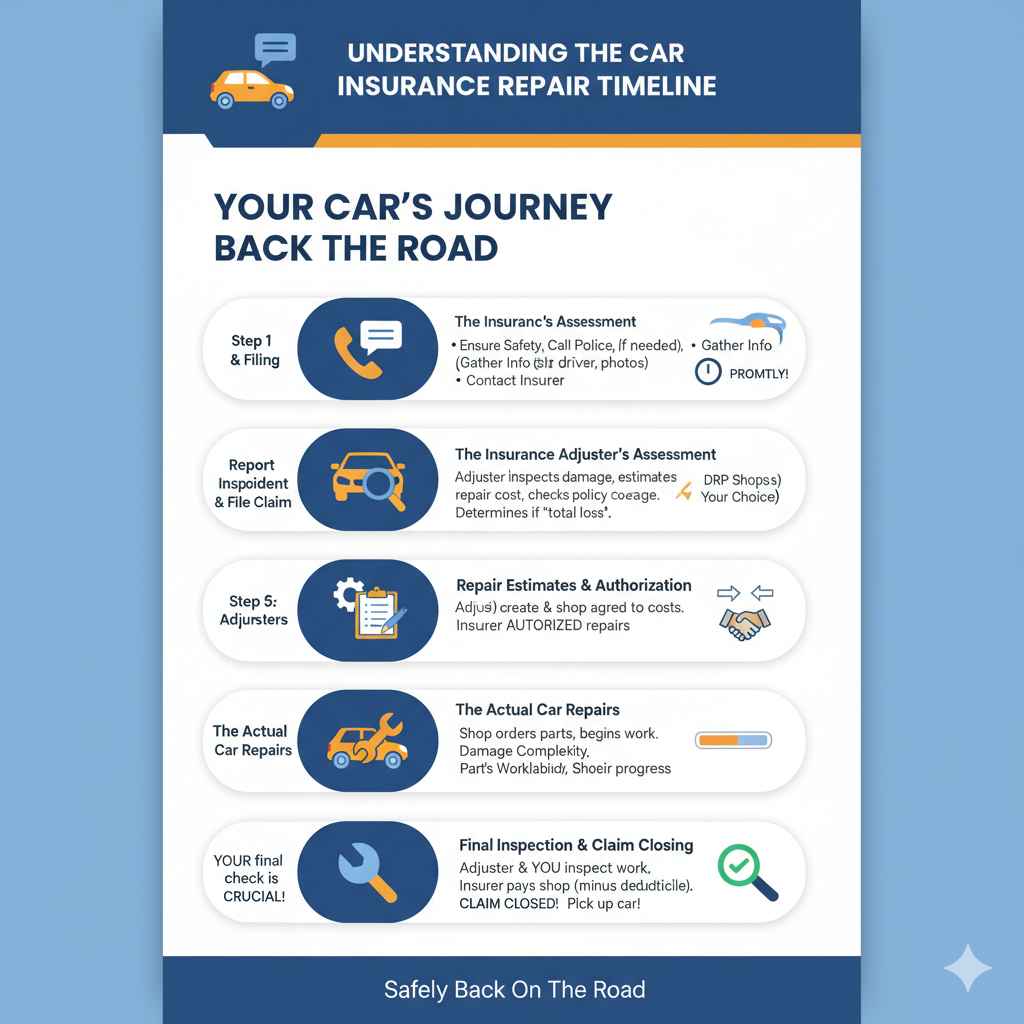
When your car is damaged and you need your insurance to cover the repairs, there’s a journey it needs to go on before it’s back in your driveway. Think of it as a multi-step process, each part taking a bit of time. The goal is to get you back on the road safely and with your car looking as good as new (or as close as possible!). Let’s break down what typically happens.
Step 1: Reporting the Incident and Filing the Claim
The very first thing after an accident is ensuring everyone is safe. Once that’s handled, you need to report the accident to your insurance company. This is usually done by calling them or using their app/website. You’ll need to provide details about what happened. This includes information like the date, time, location, how the accident occurred, and details of any other vehicles or people involved. Your insurance company will then open a claim file. This is the official start of the process. The sooner you report it, the sooner they can begin working on your behalf.
Key actions you need to take:
- Ensure everyone’s safety.
- Call the police if necessary (especially for significant accidents).
- Gather information from other drivers (name, insurance, license plate).
- Take photos of the damage and the accident scene.
- Contact your insurance company promptly to file your claim.
Step 2: The Insurance Adjuster’s Assessment (Damage Inspection)
After you file the claim, your insurance company will assign an adjuster to your case. This person is like the “detective” who figures out the extent of the damage and how much it will cost to fix. They might inspect your car in person, at a repair shop, or ask you to upload photos and videos. The adjuster will look at everything – from minor dents to major structural damage. They compare this to your insurance policy to determine what’s covered.
This assessment is crucial because it sets the budget for repairs. If the adjuster finds that the cost to repair your car is more than its actual cash value (ACV) before the accident, your car might be declared a total loss. We’ll cover what that means later, but for now, know that the adjuster’s report is a key document moving forward. According to the Insurance Information Institute, this inspection phase is a vital step in processing your claim efficiently.
Step 3: Repair Estimates and Authorization
Once the adjuster has assessed the damage, they will create an estimate for the repairs. You’ll often have a choice of where to get your car fixed: either a shop recommended by your insurance company or one of your choosing. Many insurance companies have ” DRP” (Direct Repair Program) shops, which can sometimes speed up the process because they have established relationships and workflows with the insurer. However, you have the right to choose your own mechanic.
Your chosen shop will also create its own estimate. The insurance adjuster and the shop’s estimate need to agree on the scope and cost of repairs. If there are disagreements, the adjuster will work with the shop to finalize the necessary work and costs. Once an agreement is reached, the insurance company will authorize the repairs to begin. This authorization is the green light for the repair shop to order parts and start working on your vehicle.
Step 4: The Actual Car Repairs
This is where your car gets fixed! The repair shop will order any necessary parts and begin the work. The time this takes depends heavily on several factors:
- Complexity of the Damage: Minor dents and scratches can be fixed relatively quickly. However, significant structural damage, airbag deployment, or mechanical issues related to the accident will take much longer to address properly and safely.
- Parts Availability: If the repair requires specialized or hard-to-find parts, it can cause delays. For common car models, parts are usually readily available. But for older or less common vehicles, it might take weeks for parts to arrive.
- Shop’s Workload: A busy repair shop might have a backlog of vehicles needing attention. Your car will be worked on according to their schedule. DRP shops might offer priority, but even they can get backed up.
- Direct Repair Program (DRP) vs. Independent Shops: DRP shops often have streamlined processes with insurers, potentially leading to slightly faster repairs. Independent shops might have their own processes.
During this phase, the insurance adjuster will often inspect the repairs at certain points to ensure everything is being done according to the approved estimate.
Step 5: Inspection and Claim Closing
Once the repairs are completed, the shop will notify your insurance company and you. The adjuster will typically conduct a final inspection to make sure all the work has been done correctly and to your satisfaction. If everything checks out, the insurance company will finalize the payment to the repair shop (minus your deductible, which you pay directly to the shop). This is when your claim is considered closed. You’ll then be able to pick up your car.
It’s important to do your own thorough inspection when you pick up your car. Check that all the repaired areas match and that there are no new scratches or issues. If you notice anything missed or not done correctly, speak up immediately before signing off on the completed work and closing the claim.
Factors That Can Influence Repair Time
While a typical repair might take a few weeks, several things can push that timeline out. The more you understand these potential roadblocks, the better prepared you are to manage them.
1. Severity of Damage
This is probably the biggest factor. A fender bender might be fixed in a few days. A collision that involves crumple zones, frame damage, or requires extensive bodywork and painting will inevitably take much longer. Complex mechanical repairs stemming from the impact also add time.
2. Parts Availability and Shipping
As mentioned before, if your car needs a special part that isn’t in stock, it has to be ordered. Shipping times can vary greatly depending on the manufacturer, the supplier, and even global supply chain issues. Sometimes, waiting for a single part can hold up the entire repair process for days or even weeks.
3. Insurance Company Approval and Communication
Delays can occur if the insurance company is slow to approve estimates, if there are disputes about the scope of work, or if there are communication breakdowns between the insurer, the adjuster, and the repair shop. Strong communication from your end can help reduce these types of delays.
4. Labor Shortages at Repair Shops
The automotive repair industry, like many others, can face labor shortages. If a shop doesn’t have enough skilled technicians, they can’t work on as many cars, leading to longer wait times for repairs to be completed.
5. Your Schedule and Availability
Sometimes, the delay isn’t with the car itself but with scheduling. You might need to approve estimates within a certain timeframe, or schedule your car for repairs when the shop has availability that matches your own. Don’t forget that your deductible payment also needs to be made in a timely manner to keep the repair process moving.
6. Weather and Seasonal Factors
In areas prone to severe weather, like during hurricane season or in regions with heavy snowfall, repair shops can become overwhelmed. Demand for repairs spikes, equipment can also be damaged, and parts delivery can be impacted. This can significantly extend repair times.
7. Total Loss vs. Repairable
If the damage is extensive, the insurance company might deem your car a “total loss.” This happens when the cost of repairs, plus the cost of a rental car while it’s being repaired, exceeds the actual cash value (ACV) of the vehicle. In this scenario, the insurance company pays you the ACV of your car, and you typically sign over the title to them. This process itself has its own timeline for valuation and payment, which can differ from repair timelines.
What is a “Total Loss” and How Long Does It Take?
When an insurance adjuster determines that the cost to repair your damaged vehicle exceeds a certain percentage of its pre-accident market value (this percentage varies by state and insurance policy), they will classify your car as a total loss. This means it’s more economical for the insurance company to pay you the car’s actual cash value (ACV) rather than pay for the repairs.
The process for a total loss typically involves:
- Valuation: The insurance company researches and determines the ACV of your car. They look at factors like make, model, year, mileage, condition, and features, comparing it to similar vehicles sold in your local market. You may have a chance to dispute this valuation if you believe it’s too low by providing comparable sales data.
- Offer: The insurance company will present you with a settlement offer based on their valuation.
- Settlement and Paperwork: Once you accept the offer, you will need to sign over the title of the car to the insurance company. You’ll also need to provide any other required documentation, such as your driver’s license and registration. This is usually a faster process than repairs, often taking 5 to 10 business days from final agreement to receiving payment, assuming all paperwork is in order.
- Salvage: The insurance company will then typically arrange for the car to be towed to a salvage yard.
While the payment process for a total loss can be quicker than physical repairs, the initial valuation and negotiation can take time. It’s crucial to be prepared with documentation to support your car’s value if you believe the initial offer is too low. For more information on vehicle valuation, you can refer to resources from the Consumer Financial Protection Bureau (Consumerfinance.gov).
Estimating the Timeline: A General Breakdown
To give you a clearer picture, here’s a general timeline for a typical car repair covered by insurance. Remember, these are estimates, and your specific situation might vary.
| Phase | Typical Duration | Details |
|---|---|---|
| Claim Filing & Initial Review | 1-3 Business Days | Reporting the accident and insurance company opening the claim. |
| Damage Assessment & Adjuster Inspection | 2-7 Business Days | Getting the adjuster to inspect the vehicle or review photos/estimates. |
| Estimate Approval & Authorization | 1-5 Business Days | Agreement between adjuster and repair shop on costs; insurance company granting approval. |
| Parts Ordering and Delivery | 1-7 Business Days (Can be longer) | Time for shops to order parts and for them to arrive. Highly variable based on part availability. |
| Actual Repair Work | 3-10 Business Days (Can be longer) | The time the shop spends physically fixing the car. Depends on damage complexity and shop backlog. |
| Final Inspection & Payment Processing | 1-3 Business Days | Adjuster’s final check, claim closure, and payment to the shop. |
| Total Estimated Time | 1.5 – 4 Weeks | This is a general range for straightforward repairs. |
Important Note: Delays in any of these stages—especially parts availability or adjuster scheduling—can extend the overall timeline significantly. A simple repair could take longer than expected if a critical part is on backorder for two weeks, for instance.
How to Speed Up the Insurance Repair Process
While you can’t control everything, you can certainly take steps to help the insurance repair process move more efficiently. Being proactive and organized makes a big difference.
1. Report the Accident Immediately
The sooner you notify your insurance company, the sooner they can begin processing your claim. Don’t delay in this crucial first step.
2. Be Prepared with Information
When you file your claim, have all the necessary details ready: date, time, location, description of the accident, names and contact information of any other parties involved, police report number (if applicable), and photos of the damage. This will help the adjuster get started quickly.
3. Choose Your Repair Shop Wisely
Consider using a Direct Repair Program (DRP) shop recommended by your insurer. These shops often have established relationships and streamlined processes, which can sometimes lead to faster repairs. However, if you prefer an independent shop, communicate clearly with both the shop and your adjuster about the process.
4. Maintain Open Communication
Stay in touch with your insurance adjuster and the repair shop. Follow up regularly (but not excessively) to check on the progress of your claim and repairs. If you hear about potential delays, address them promptly with the relevant parties.
5. Understand Your Policy and Coverage
Knowing what your policy covers, including any provisions for rental car reimbursement, can help prevent surprises. If you have comprehensive and collision coverage, this typically covers the damage from an accident.
6. Be Responsive to Requests
When your adjuster or the repair shop needs information, authorization, or a decision from you, respond as quickly as possible. Delays on your end will delay the overall process.
7. Inspect the Work Thoroughly
When picking up your car, take your time to inspect the repairs. If something isn’t right, address it immediately before the claim is closed. This ensures the work is done correctly the first time.
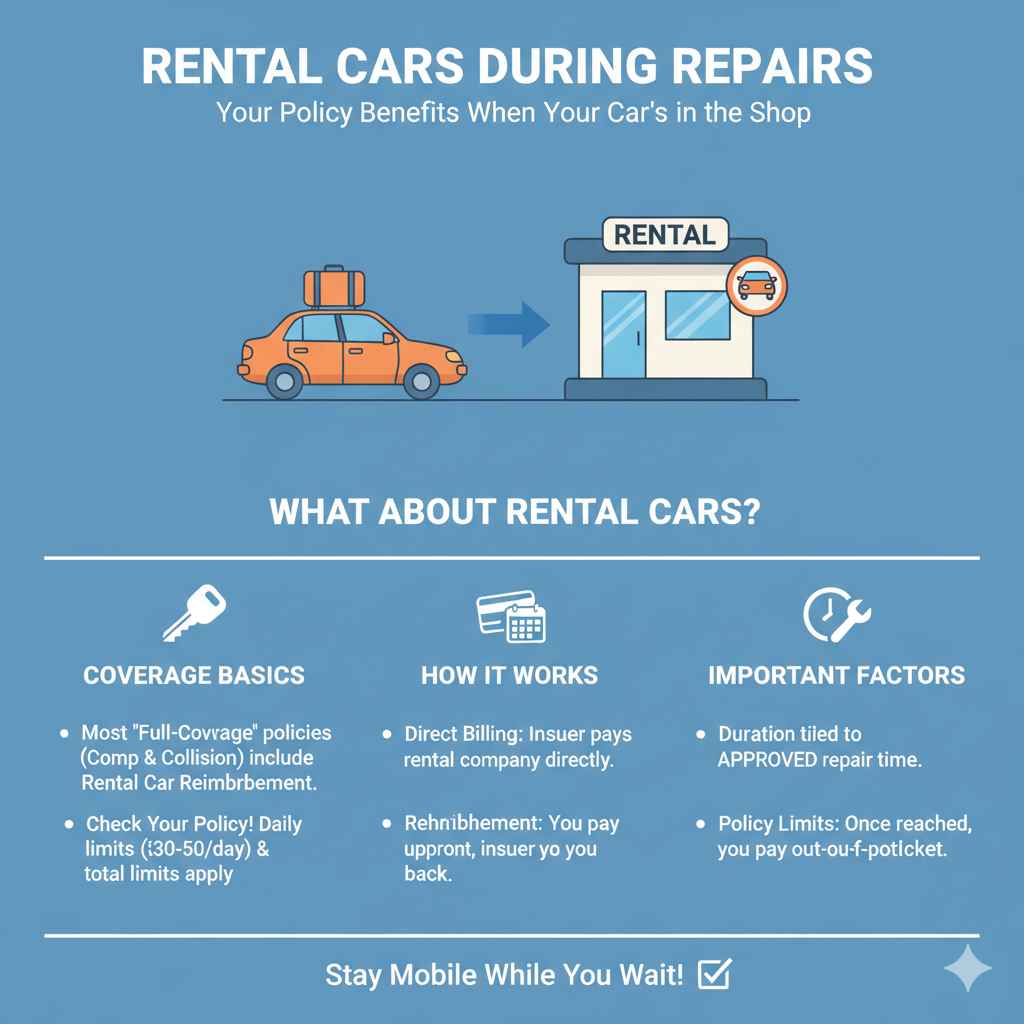
What About Rental Cars?
Being without your car is a major inconvenience. Most full-coverage insurance policies (comprehensive and collision) include rental car reimbursement if your vehicle is in the shop due to a covered claim. The specifics vary by policy:
- Daily Limit: Your policy will usually state a maximum dollar amount per day for a rental car (e.g., $30-$50).
- Total Limit: There might also be a maximum number of days or a total dollar amount for the rental period.
It’s important to check your policy documents or speak with your insurance agent to understand your rental car coverage. Sometimes, the insurance company will directly bill the rental company, or you might have to pay upfront and get reimbursed. The duration for which a rental car is provided is typically tied to the estimated repair time approved by the insurance company.
FAQs: Your Quick Answers
Here are some common questions you might have about how long insurance takes to fix a car.
Q1: How long does it usually take for an insurance adjuster to inspect my car?
A1: An insurance adjuster typically inspects your car within 2 to 7 business days after you file the claim. This can sometimes be faster if you use an insurance-affiliated repair shop or if the damage is minor and can be assessed remotely through photos and videos.
Q2: What if the repair shop needs to order parts? How long does that add?
A2: Ordering parts can add anywhere from a few days to several weeks. If the part is common, it might arrive in 1-3 days. For specialized or imported parts, it could take 7-20 days or even longer due to shipping and availability. Always ask the shop for an estimated delivery time.
Q3: Can I get my car fixed faster at a dealership?
A3: Dealerships are often excellent at repairing their own brand of vehicles, especially if they have specialized parts and technicians. However, speed often depends on their service department’s workload and parts availability, not necessarily being an authorized dealer. Some insurance companies have DRP agreements with dealerships, which can help.
Q4: What happens if the insurance company and the repair shop disagree on the repair cost?
A4: If there’s a discrepancy, the insurance adjuster and the repair shop will communicate to reconcile the differences. This might involve further documentation or discussion about the necessary repairs. Sometimes, a supplemental estimate is required, which can add a few days to the approval process.