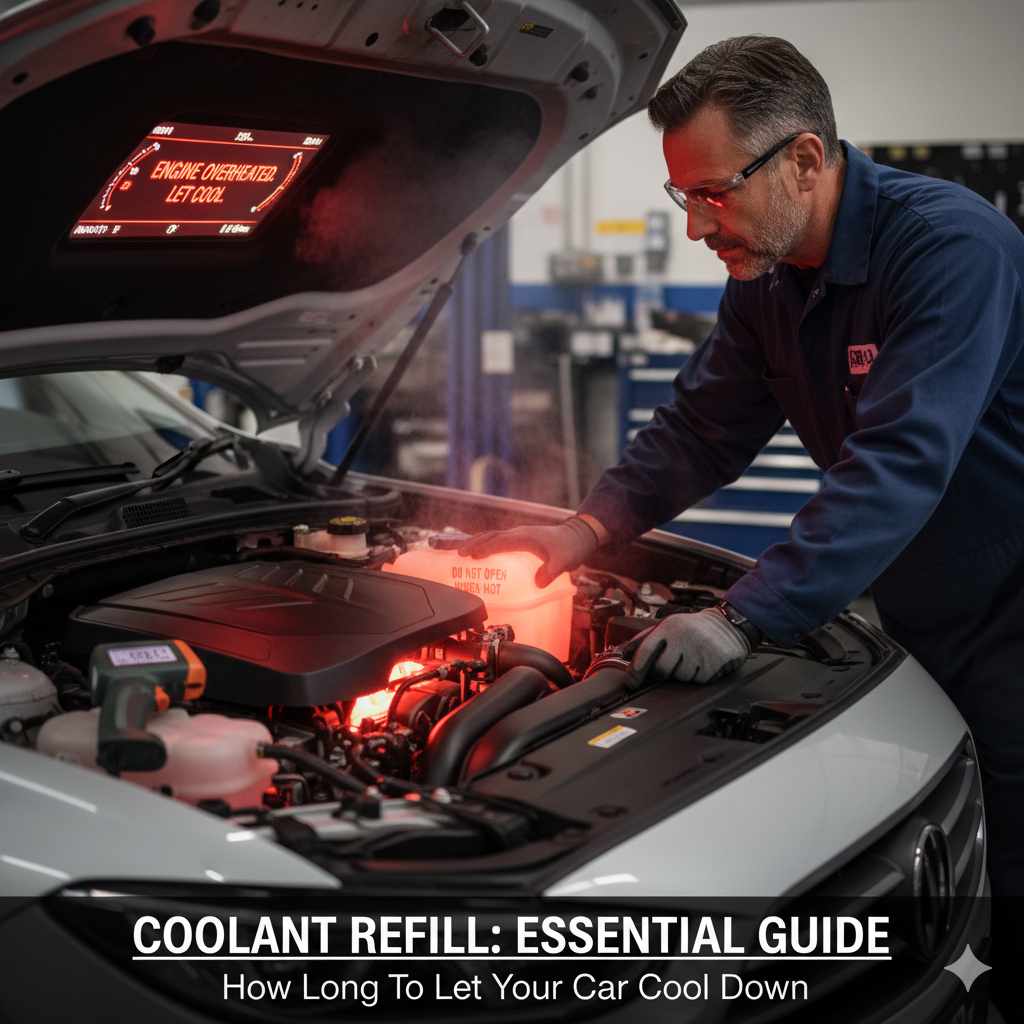
How Long To Let Car Cool Before Adding Coolant: Essential Guide
For safety and to prevent engine damage, always let your car’s engine cool down completely, typically for at least 2-3 hours, before adding coolant. Opening a hot system can cause severe burns from pressurized, boiling coolant.
Is your car’s temperature gauge creeping up, or has a low coolant warning light popped on? It’s a common and sometimes stressful situation for any driver. You know you need to add coolant, but the big question is: when? Pouring coolant into a hot engine is dangerous and can seriously damage your car’s cooling system. But don’t worry! This guide will walk you through exactly how long to patiently wait and what you need to know to safely top up your coolant. We’ll break it down step-by-step so you can handle this common maintenance task with confidence.
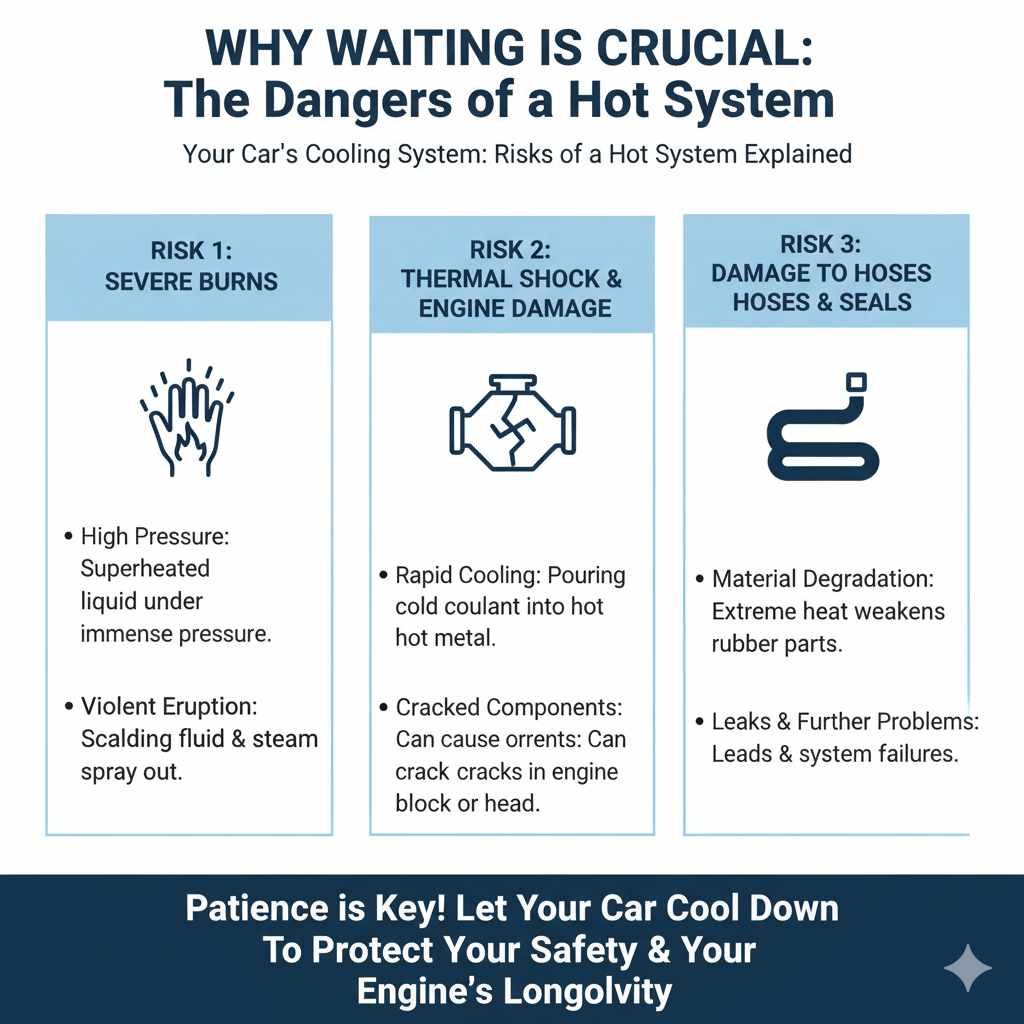
Why Waiting is Crucial: The Dangers of a Hot System
Your car’s cooling system is a marvel of engineering, designed to keep your engine at its optimal operating temperature. It circulates a mixture of antifreeze and water, known as coolant, through the engine block to absorb heat. This hot coolant then travels to the radiator, where air passing through its fins cools it down before it’s pumped back into the engine. It’s a continuous cycle that prevents your engine from overheating and suffering catastrophic damage.
The critical thing to understand is that when your engine is running, the coolant inside is under pressure and becomes extremely hot – often reaching temperatures well above the boiling point of water at atmospheric pressure (212°F or 100°C). This heat and pressure are essential for the system to work efficiently. However, these very conditions make working on a hot cooling system incredibly risky.
The Risks of a Hot System Explained
- Severe Burns: The coolant in a hot engine is under significant pressure. If you open the radiator cap or expansion tank while it’s hot, this superheated, pressurized liquid can erupt violently, spraying scalding fluid and steam over your hands, face, and other exposed body parts. These burns can be extremely severe and require immediate medical attention.
- Thermal Shock and Engine Damage: Pouring cold coolant into a hot engine block or cylinder head can cause rapid, uneven cooling. This sudden temperature change, known as thermal shock, can lead to cracks in the metal components of your engine. A cracked engine block or head is one of the most expensive and difficult repairs a car can face.
- Damage to Hoses and Seals: The extreme heat can also degrade rubber hoses and seals within the cooling system, leading to leaks and further problems down the line.
Because of these serious risks, patience is your best friend when dealing with a cooling system issue. Taking a few extra hours to let your car cool down is a small price to pay for your safety and the longevity of your vehicle.
How Long Does It Take to Cool Down?
This is the million-dollar question, and the answer isn’t an exact minute. However, we can provide solid guidelines to ensure you’re safe. The time it takes for your car’s engine to cool down enough to safely add coolant depends on several factors, including:
- Ambient Temperature: On a hot summer day, your car will naturally take longer to cool than on a cold winter morning.
- Engine Temperature Before Shutdown: If your car was running hot or you just finished a long drive on the highway, the engine and coolant will be significantly hotter and take longer to cool.
- Engine Size and Type: Larger engines generally retain more heat.
- Thermostat Position: When the engine is off, the thermostat is closed, meaning coolant isn’t circulating through the radiator. This means the engine block itself will retain its heat longer.
General Cooling Guidelines
As a safe bet, and to be absolutely sure, it’s recommended to wait until your car has cooled down for a minimum of 2 to 3 hours after shutting it off. For added certainty, especially on very hot days or if your car was running particularly hot, extending this waiting period to 4 to 5 hours is even better. Think of it this way: if you can comfortably place your hand on the hood (not the engine itself, but the metal hood) for a sustained period, the engine components are likely cool enough to proceed cautiously. However, never rely solely on the hood’s temperature; always follow the recommended waiting times.
When is it SAFE to Open the Cap?
The most definitive sign that your system is cool enough is the absence of heat radiating from the engine bay and the coolant reservoir. If you can hold your hand near the radiator cap or the coolant reservoir without feeling intense heat, it’s a good indicator. However, even when cool, always approach the cap with caution. Slowly and gently turn the cap counter-clockwise until you feel resistance, then pause. Listen for any hissing sounds that might indicate residual pressure. If you hear any, back off immediately and wait longer. Once you hear no hissing, you can continue to turn and remove the cap.
Step-by-Step Guide: Safely Adding Coolant
Now that you know why you need to wait and how long to wait, let’s walk through the process of safely adding coolant. Remember, safety first!
Tools and Materials You’ll Need:
- New Coolant: Ensure you have the correct type and color for your vehicle. Check your owner’s manual or the label on your old coolant. Mixing coolant types can cause issues. Most modern cars use a long-life coolant (often pink, red, or orange), but some older vehicles might use conventional green coolant. Always verify!
- Distilled Water: If you are not using a pre-mixed coolant, you will need distilled water to mix with concentrated coolant. Never use tap water, as its minerals can damage your cooling system.
- Funnel: A clean funnel helps prevent spills.
- Rags or Paper Towels: For cleaning up any drips.
- Gloves: To protect your hands from dirt and potential chemical contact.
- Safety Glasses: Essential to protect your eyes from splashes.
- Container for Old Coolant: If you are draining and refilling a significant amount, you’ll need a legal way to dispose of old coolant (it’s toxic!).
The Process:
- Park Your Car Safely: Find a level surface, ensuring you have enough space to work around the engine bay.
- Turn Off the Engine and Let It Cool: As discussed, wait at least 2-3 hours, or preferably longer, until the engine is cool to the touch.
- Locate the Coolant Reservoir and/or Radiator Cap: In most modern cars, you’ll find an opaque plastic reservoir with “MIN” and “MAX” lines. The radiator cap is usually on the radiator itself, often near the front of the engine. Consult your owner’s manual if you’re unsure.
- Visually Inspect the Coolant Level: Look at the coolant level in the reservoir. If it’s below the “MIN” line, you need to add coolant.
- Prepare the Coolant Mixture (If Necessary): If you bought concentrated coolant, you’ll need to mix it with distilled water. A common ratio is 50/50. Check the coolant bottle for specific instructions. If you bought pre-mixed coolant, you can use it directly.
-
Open the Coolant Reservoir or Radiator Cap (Carefully!):
- For Reservoir: Unscrew and remove the cap from the plastic reservoir.
- For Radiator Cap: As mentioned earlier, only do this when the engine is completely cool. Place a rag over the cap, press down firmly, and turn counter-clockwise until you feel resistance. Listen for hissing. If none, continue turning and lift the cap off.
- Add Coolant: Using your funnel, slowly begin to pour the correct coolant mixture into the reservoir or radiator until it reaches the “MAX” line or the indicated fill level. Do not overfill.
- Replace the Cap: Securely screw the cap back onto the reservoir or radiator. Ensure it’s tight to prevent leaks and maintain system pressure.
- Start the Engine and Check for Leaks: Start your car and let the engine run for a few minutes. Turn your heater on to its highest setting. This helps to circulate the new coolant and bleed any air out of the system. Watch the temperature gauge. If it stays in the normal range and you don’t see any leaks under or around the car, you’ve likely succeeded!
- Re-Check Coolant Level: After the engine has run for a bit and cooled down again (or the next morning), re-check the coolant level in the reservoir and top up if necessary. Air pockets can sometimes cause the level to drop slightly as the system burps itself.
If your car repeatedly overheated or you’ve had to add a lot of coolant, it’s wise to have a mechanic inspect your cooling system for leaks or other issues. For instance, a common place for leaks to occur is at the radiator itself, which can degrade over time. You can also check the condition of your hoses for any signs of swelling or cracking.
Understanding Your Coolant: Types and Colors
The automotive world often uses coolant colors as a general indicator of its type and chemical composition. However, it’s crucial to remember that colors can sometimes be misleading, as manufacturers may use different formulations under the same color or dye different types of coolants the same color. Always refer to your vehicle’s owner’s manual for the specific coolant recommendations.
Common Coolant Types and Colors:
| Coolant Type/Technology | Common Colors | Key Characteristics & Notes |
|---|---|---|
| IAT (Inorganic Additive Technology) | Green (traditional), sometimes Red or Blue | Older technology. Contains silicates and phosphates that offer quick protection but can wear down engine components over time. Requires more frequent checking and replacement. Suitable for many older vehicles. |
| OAT (Organic Acid Technology) | Orange, Red, Pink | Longer life (up to 5 years/100,000 miles). Uses organic acids to protect metal surfaces. Less prone to scale buildup. Common in many newer GM, Ford, and European vehicles. |
| HOAT (Hybrid Organic Acid Technology) | Yellow, Orange, Pink, Red, Blue | A blend of IAT and OAT. Combines the benefits of both, offering good protection and longer life. Used by many manufacturers like Chrysler, some Fords, and Toyotas. |
| P-HOAT (Phosphate-Hybrid Organic Acid Technology) | Often Blue or Orange | Specifically formulated to protect aluminum components, commonly found in Asian vehicles like Honda and Toyota. |
Important Note: Never mix different types of coolant unless explicitly stated as compatible by the manufacturer. Mixing can lead to gelling, reduced effectiveness, and damage to your cooling system components. When in doubt, flush the entire system and refill with the manufacturer-recommended coolant.
The Role of Distilled Water
When you buy concentrated coolant, it’s just that – concentrated. It needs to be mixed with water to achieve the correct freezing and boiling points, as well as to provide optimal corrosion protection. The type of water you use is just as important as the type of coolant.
Why Distilled Water is Essential:
- Free of Minerals: Tap water contains minerals like calcium, magnesium, and iron. These minerals can leave deposits in your cooling system, leading to reduced efficiency, clogs, and corrosion.
- Prevents Scale Buildup: Minerals in tap water can react with coolant additives, forming harmful scale that can clog radiators and heater cores.
- Consistent Performance: Distilled water provides a predictable base for your coolant mixture, ensuring it performs as the manufacturer intended.
Always use 100% distilled water for mixing with concentrated antifreeze. You can find this at most grocery stores, pharmacies, or auto parts stores.
Dealing with Air in the Cooling System
When you add coolant, especially after a low level has been detected, it’s possible to introduce air into the system. Air pockets can disrupt the flow of coolant, leading to hot spots and potential overheating. This is why bleeding the system after adding coolant is sometimes necessary.
How to Bleed Air from the Cooling System:
- Ensure the Engine is Cool: Always start this process with a cool engine.
- Locate Bleed Screws (If Applicable): Some vehicles have specific “bleed screws” on the engine block or heater hoses designed for this purpose. Consult your owner’s manual.
- Fill the System: Fill the coolant reservoir or radiator slowly.
- Open Bleed Screw(s): Slowly open the nearest bleed screw to the highest point in the cooling system.
- Run the Engine: Start the engine and let it run. Turn the heater on to full blast.
- Allow Coolant to Flow: Keep adding coolant to the reservoir as the level drops. You want to see a steady stream of coolant (without air bubbles) exiting the bleed screw.
- Close Bleed Screw(s): Once a steady stream of coolant is achieved, close the bleed screw(s).
- Continue Running and Monitoring: Let the engine run until it reaches its normal operating temperature, keeping an eye on the temperature gauge and coolant level. Top up if needed.
Many modern cars have self-bleeding cooling systems, meaning running the engine with the heater on high is usually sufficient to remove minor air pockets introduced during a simple top-up. For more complex repairs, specific bleeding procedures might be required, which can be found in a service manual or by consulting a professional. A well-maintained cooling system is vital for your car’s health, and the U.S. Department of Energy recommends regular checks to ensure optimal performance and to prevent issues.
When to Seek Professional Help
While topping up coolant is a manageable DIY task for most car owners, there are times when it’s best to let the experts handle it. If you’re experiencing any of the following, it’s a good idea to schedule a visit to your mechanic:
- Frequent Overheating: If your car overheats shortly after you’ve added coolant or if it happens frequently, there could be a more significant underlying problem like a radiator leak, a faulty water pump, or a bad thermostat.
- Persistent Coolant Loss: If you find yourself constantly adding coolant and can’t locate any visible leaks, the leak might be internal (e.g., a blown head gasket) or in a difficult-to-access area.
- Unusual Smells or Smokes: A sweet smell from the engine bay often indicates a coolant leak. White smoke from the exhaust can signal coolant burning inside the engine, usually due to a head gasket issue.
- Discolored or Contaminated Coolant: If your coolant looks rusty, oily, or has debris floating in it, it indicates a problem within the system, such as corrosion or an oil leak into the coolant.
- Lack of Confidence: If you’re uncomfortable performing the task or unsure about the type of coolant to use, it’s always better to err on the side of caution and seek professional assistance.
A certified mechanic has the tools and expertise to diagnose complex cooling system problems accurately and perform repairs safely. For example, they can perform a pressurized leak test to pinpoint even small, hard-to-find leaks, which is beyond the scope of typical DIY capabilities.

Frequently Asked Questions (FAQ)
Q1: Can I pour coolant into a hot radiator?
A: Absolutely not. Pouring coolant into a hot radiator can cause severe burns from pressurized, scalding coolant and can also damage your engine through thermal shock. Always wait for the engine to cool down completely, typically 2-3 hours or more.
Q2: What happens if I mix different colors of coolant?
A: Mixing different types or colors of coolant can lead to dangerous chemical reactions. This can cause the coolant to gel, reducing its effectiveness, clogging your cooling system, and potentially leading to overheating and expensive damage. Always use the type recommended in your owner’s manual and avoid mixing.
Q3: Is it okay to use tap water with coolant?
A: No, it’s not recommended. Tap water contains minerals that can build up as scale in your cooling system. This scale reduces efficiency, can cause blockages, and contribute to corrosion. Always use distilled water when mixing concentrated coolant.
Q4: How do I know if my car is losing coolant?
A: Signs include a frequently dropping coolant level in the reservoir, a sweet smell coming from the engine bay, visible puddles of colored liquid under your car, or your car’s temperature gauge climbing into the red zone.
Q5: Can I just add water instead of coolant if I’m in a pinch?
A: In an emergency, adding plain water can help prevent immediate overheating. However, it’s only a temporary fix. Water alone doesn’t offer the same freeze protection or corrosion resistance as a proper coolant mixture. You will need to drain and refill with the correct coolant mixture as soon as possible.
Q6: How often should I check my coolant level?
A: It’s a good practice to check your coolant level at least once a month, and always before a long road trip. Regular checks can help you catch potential issues before they become serious problems.
Q7: My car is low on coolant, but I don’t see any leaks. What could be wrong?
A: If you aren’t seeing external leaks, the coolant might be escaping internally. Possible culprits include a cracked cylinder head, a blown head gasket, or a faulty intake manifold gasket. These require professional diagnosis and repair.
Conclusion
Taking care of basic car maintenance like checking and topping up your coolant might seem daunting at first, but it’s a crucial step in keeping your vehicle running smoothly and preventing costly repairs. The most vital lesson is patience: always allow your car’s engine to cool down thoroughly, typically for at least 2 to 3 hours, before attempting to open the cooling system. This simple step is paramount for your safety and the protection of your engine.
By following the step-by-step guide, understanding the importance of using the correct coolant and distilled water, and knowing when to seek professional help, you can confidently handle this task. Remember, a little knowledge and a bit of caution go a long way in car care. Keep an eye on your coolant levels, listen to your car, and enjoy the peace of mind that comes from knowing you’re taking great care of your vehicle.