Will a Bad O2 Sensor Cause Your Car to Shut Off?
A bad O2 sensor can cause your car to stall or idle rough, but it rarely shuts off a running engine outright — what usually happens instead is the ECU triggers limp mode, cutting engine power to protect the catalytic converter and engine. My old Honda Civic stalled at a red light once, and I thought it was haunted — turns out the oxygen (O2) sensor was sending bad data to the computer. This guide covers what an O2 sensor does, how it actually leads to stalling or limp mode, and how to check yours yourself with tools you likely already have.
Quick Answer
A bad O2 sensor rarely shuts a running engine off completely, especially at highway speed. It’s far more likely to trigger limp mode (reduced power, sluggish response) or cause rough idling and stalling right after starting — not a sudden shutdown while driving.
What’s an O2 Sensor, Anyway?
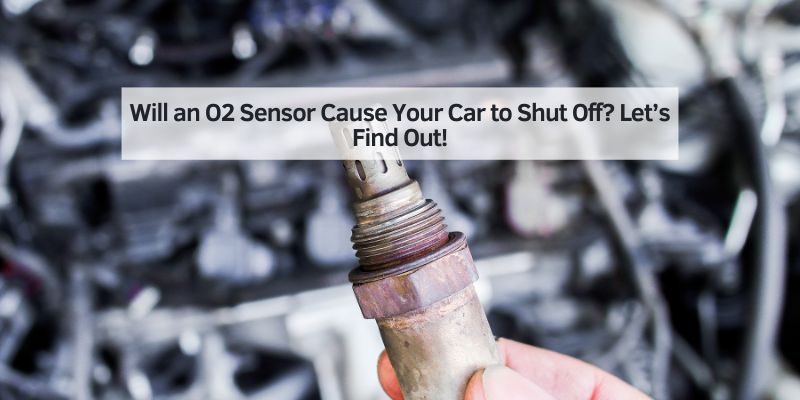
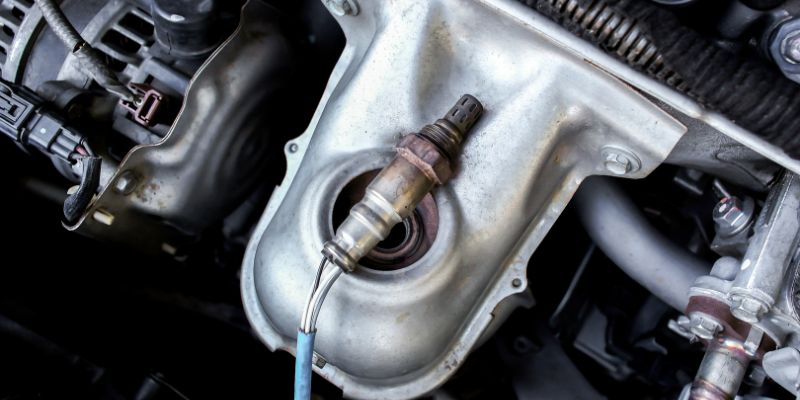
An O2 sensor is a small gadget in your car’s exhaust system. It checks how much oxygen is in the exhaust gases.
Why Does It Matter?
Your car’s engine needs the right mix of air and fuel to run smoothly. The O2 sensor tells the car’s computer (called the ECU) if the mix is too rich (too much fuel) or too lean (too much air). The ECU adjusts the fuel to keep things balanced. If the sensor fails, the mix can get wacky, causing trouble like stalling or rough idling. Think of it like a chef tasting soup to get the flavor just right!
Can an O2 Sensor Cause Your Car to Shut Off?
Yes, a bad O2 sensor can cause your car to shut off, but it’s not super common. Here’s why: a faulty sensor sends wrong signals to the ECU, messing up the air-fuel mix.
How It Leads to Stalling
If the mix is too rich, your engine might flood with fuel, like overpouring syrup on pancakes. This can cause misfires, rough idling, or even stalling. If it’s too lean, the engine starves for fuel, which can also make it quit. In my Civic’s case, the bad sensor caused misfires that made the car shake and stall at stoplights.
How Often Does This Happen?
Most times, a bad O2 sensor triggers a check engine light or poor gas mileage before it shuts the car off. Stalling usually happens if the sensor is really bad or if other parts, like the catalytic converter, are also failing. One time, I ignored a check engine light, and my car stalled on a highway—yikes!
📊 A bad O2 sensor triggering limp mode is a protective response, not a malfunction of the safety system itself — the ECU deliberately limits power to protect the catalytic converter and engine from a prolonged bad air-fuel mix. — Source: Car Care Hacks, Can a Bad O2 Sensor Cause Limp Mode?
Limp Mode vs. Stalling: What a Bad O2 Sensor Actually Does at Speed
Here’s the nuance most guides skip: a failing O2 sensor rarely shuts a running engine off outright, especially at highway speed. What it much more commonly triggers is limp mode — the ECU detects bad air-fuel data, decides it can’t trust the sensor, and deliberately cuts engine power to protect the catalytic converter and engine internals. From the driver’s seat, limp mode can feel like the car is “shutting off”: you lose acceleration, the transmission may get stuck in a low gear, and the car crawls instead of responding to the throttle. That’s a very different event from an actual stall, even though drivers often describe both the same way — see our full breakdown of why a car stops running while driving for other common causes beyond the O2 sensor.
True stalling — the engine dying completely — is more likely to happen at idle or right after a cold start, when the air-fuel mix is already sensitive and a bad sensor throws it further off balance. At speed, the ECU is generally programmed to keep the engine running in some reduced-power state rather than cut it out entirely, which is why an O2 sensor code showing up alongside a sudden loss of power on the highway is usually limp mode, not a stall.
Signs Your O2 Sensor Is Failing
How do you know if your O2 sensor is the culprit? Here are some clues:
- Check Engine Light: This light pops on when the sensor sends weird signals.
- Rough Idling: Your car shakes or feels like it’s dancing at a stop.
- Poor Gas Mileage: You’re filling up the tank more often.
- Black Smoke or Bad Smells: Too much fuel can cause smoky exhaust or a rotten egg smell.
Table 1: Common O2 Sensor Symptoms
| Symptom | What It Means | What to Do |
|---|---|---|
| Check Engine Light | Sensor sends bad data to ECU | Scan with an OBD-II scanner |
| Rough Idling | Unbalanced air-fuel mix | Check sensor and spark plugs |
| Poor Gas Mileage | Engine burns too much fuel | Inspect sensor for contamination |
| Black Smoke/Smell | Too much fuel in exhaust | Replace sensor ASAP |
Best O2 Sensor Diagnostic Pick
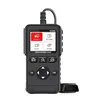
OBD2 Scanner Automotive Code Reader
A budget OBD-II scanner that pulls the exact error codes (like P0130/P0135) needed to confirm an O2 sensor problem before you buy parts.
- Best for: confirming a bad O2 sensor before replacing it
- Why we picked it: matches the article’s own scan-first advice
- Main drawback: basic code reader, no live-data graphing
Compare more O2 sensor tools
 Option 1 Denso Oxygen Sensor
|
 Option 2 O2 Sensor Crowfoot Wrench
|
 Option 3 Anti-Seize Lubricant
|
As an Amazon Associate we earn from qualifying purchases.
How to Check Your O2 Sensor: A Simple Guide
You don’t need to be a mechanic to check your O2 sensor. Here’s how I do it, step by step:
- Get an OBD-II Scanner: This tool plugs into your car and reads error codes. I use a cheap one from AutoZone for about $30.
- Plug It In: Find the port under your dashboard, usually near the steering wheel. Plug in the scanner and turn on the car.
- Check for Codes: Look for codes like P0130 or P0137. These point to O2 sensor issues. My Civic threw a P0135 code once!
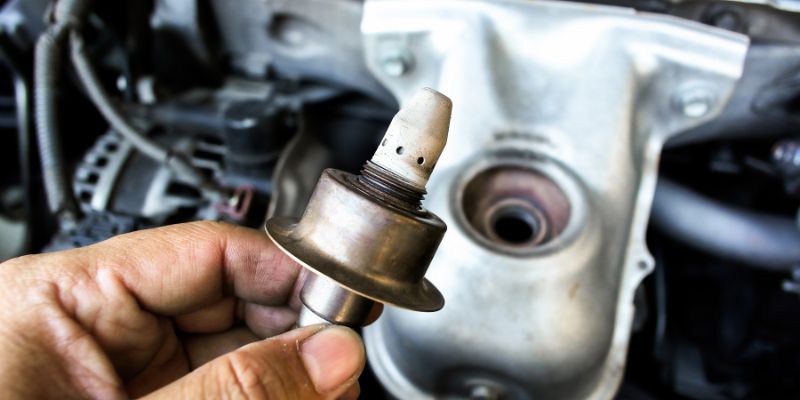
- Inspect the Sensor: It’s on the exhaust pipe, looking like a spark plug with wires. Check for dirt or damage.
- Test Drive: Drive and see if the car still stalls or shakes.
Tools You’ll Need
- OBD-II Scanner: Affordable ones cost $20–$50. Try brands like BlueDriver.
- Wrench or O2 Sensor Socket: For removing the sensor (about $10).
- Penetrating Oil: To loosen rusty sensors ($5).
Can You Drive with a Bad O2 Sensor?
You can drive with a bad O2 sensor, but it’s a bad idea. It might not shut off your car right away, but it can hurt other parts.
Risks of Ignoring It
- Catalytic Converter Damage: A bad sensor can clog it, costing $500–$2,000 to fix.
- Worse Fuel Economy: You’ll spend more on gas.
- Engine Damage: Misfires can harm pistons or valves over time.
One time, I drove with a bad sensor for weeks, and my catalytic converter started failing. Trust me, replacing that was not a fun bill!
Table 2: Costs of O2 Sensor Issues
| Issue | Average Cost to Fix | DIY Cost |
|---|---|---|
| O2 Sensor Replacement | $150–$600 (shop) | $20–$100 |
| Catalytic Converter | $500–$2,000 | Not DIY |
| Engine Repair | $1,000+ | Not DIY |
Temporary Fixes vs. Replacement
If your car’s stalling and you suspect the O2 sensor, here’s what you can try:
- Clean the Sensor: Soak the sensor tip in carb cleaner for 10 minutes. It worked for me once, but it’s not a long-term fix.
- Check Wiring: Loose or burnt wires can mimic a bad sensor.
- Replace It: A new sensor costs $20–$100 and takes 30 minutes to swap.
Why Replacement Is Best
Cleaning might buy you time, but a failing sensor will keep causing trouble. I learned this the hard way when my “fixed” sensor failed again a week later. A new sensor is a sure bet for smooth driving. Check out AutoZone for affordable sensors.
Tips from My Garage
Here are my go-to tips for dealing with O2 sensors:
- Scan First: Always check codes before buying parts. I once replaced a sensor when the real issue was a loose wire!
- Use Quality Parts: Cheap sensors fail fast. Stick with brands like Bosch or Denso.
- Check Both Sensors: Most cars have two (upstream and downstream). Test both to be sure.
Common Mistakes to Avoid
- Ignoring the Check Engine Light: It’s your car’s cry for help.
- Using the Wrong Sensor: Check your car’s manual for the right part.
- Skipping Maintenance: Dirty air filters or bad fuel can ruin sensors faster.
Conclusion
A bad O2 sensor can make your car shut off, but it’s not the most common issue. It messes with the air-fuel mix, causing misfires or stalling. Checking it with an OBD-II scanner is a piece of cake, and replacing it can save you from pricey repairs. Try scanning your car this weekend — it’s easier than you think, and it beats guessing at expensive repairs.
Frequently Asked Questions
Can a Bad O2 Sensor Stop My Car from Starting?
A bad O2 sensor usually won’t stop your car from starting. It might cause rough idling or stalling after starting, but other issues like a dead battery or bad starter are more likely culprits.
How Do I Know If My O2 Sensor Is Bad?
Look for a check engine light, poor gas mileage, rough idling, or black smoke from the exhaust. Use an OBD-II scanner to confirm with error codes like P0130 — an unresolved O2 sensor code can also make it harder to pass an emissions test.
Will a Bad O2 Sensor Cause Car to Shut Off?
Yes, but it’s rare. A bad O2 sensor can mess up the air-fuel mix, leading to misfires or stalling, especially if ignored for a long time.
Can I Drive with a Bad O2 Sensor?
You can, but it’s risky. It may hurt fuel economy, damage the catalytic converter, or cause stalling. Replace it soon to avoid bigger problems.
How Much Does It Cost to Replace an O2 Sensor?
DIY costs $20–$100 for the sensor. A shop charges $150–$600, including labor. Check Carfax for repair shop tips.
Can a Bad O2 Sensor Damage My Engine?
Over time, yes. A bad sensor can cause misfires or lean mixtures, harming pistons or valves. Fix it early to avoid costly repairs.
How Long Do O2 Sensors Last?
They last 30,000–100,000 miles, depending on your car. Older cars need replacements sooner. Regular maintenance helps them last longer.
Is a Bad O2 Sensor the Same as Limp Mode?
Not exactly. A bad O2 sensor is one common trigger for limp mode, but limp mode itself is the ECU’s protective response — reducing engine power to prevent damage. If your car suddenly loses power and feels sluggish rather than shutting off completely, it’s more likely in limp mode than actually stalling.
Products related to this article
Sponsored / affiliate links. As an Amazon Associate I earn from qualifying purchases. I may earn additional commission from eligible campaigns.