How Many Cars Have Crossed the Golden Gate Bridge?
Many people wonder about the sheer volume of traffic crossing the iconic Golden Gate Bridge. It’s a big number, and figuring it out can seem tricky at first. But don’t worry, we’re going to break down How Many Cars Have Crossed the Golden Gate Bridge? in a way that’s easy to grasp.
We’ll look at the numbers and how they’re tracked, making it simple to get the full picture without any confusion. Get ready to learn all about the incredible traffic flow across this world-famous landmark.
The Golden Gate Bridge A Constant Flow Of Traffic
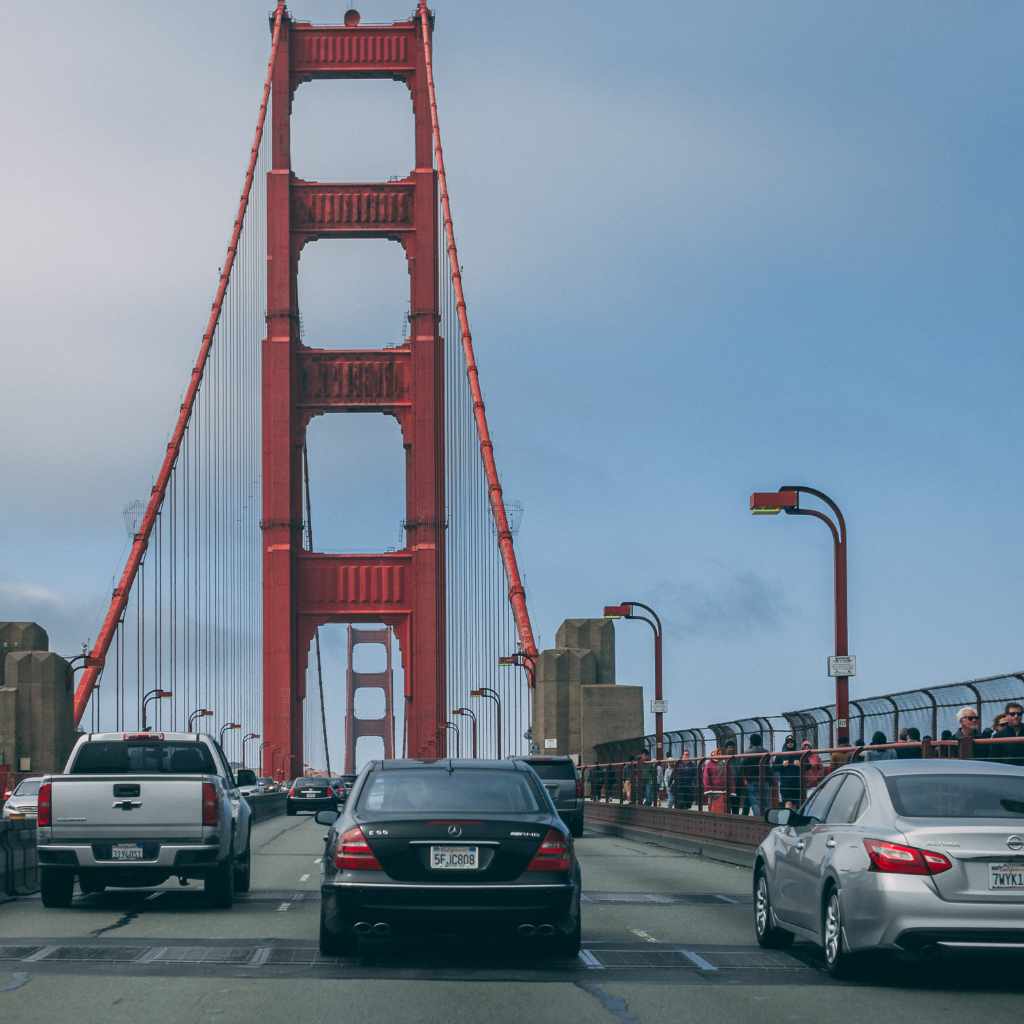
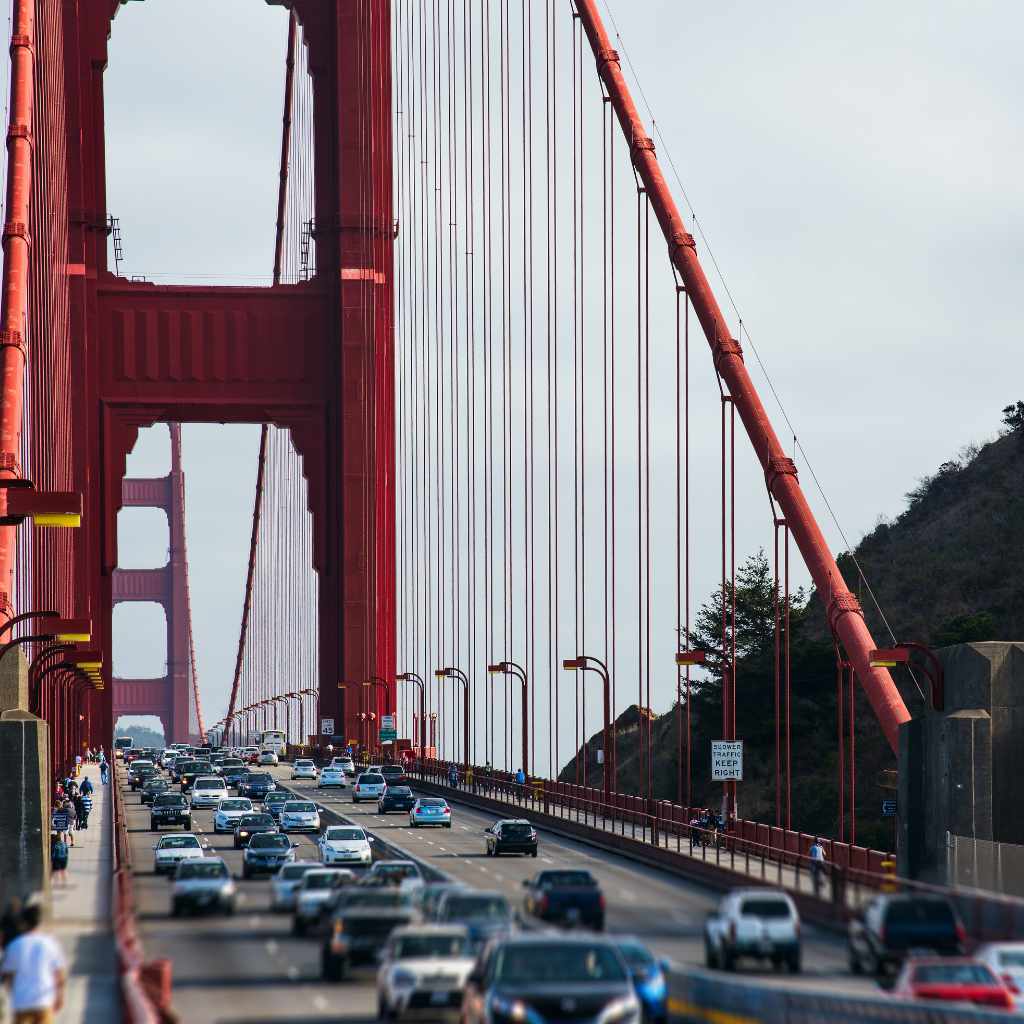
The Golden Gate Bridge stands as a magnificent symbol of engineering and a vital artery for the San Francisco Bay Area. Connecting San Francisco to Marin County, it sees an immense amount of daily traffic. This constant stream of vehicles makes it a compelling question to ask: How Many Cars Have Crossed the Golden Gate Bridge?
The sheer scale of this question is part of its fascination. It’s not just about a single day or a single year; it’s about a cumulative count that spans decades. For many, the idea of tracking such a vast number can seem overwhelming.
However, the systems in place provide a clear and consistent way to measure this traffic. We can explore the methods used to gather these statistics and appreciate the dynamic nature of this iconic structure’s usage.
Tracking the Traffic A Look At The Data
Understanding How Many Cars Have Crossed the Golden Gate Bridge? involves looking at the data collection methods employed by the Golden Gate Bridge, Highway and Transportation District. These methods have evolved over time, but the core principle remains the same: counting every vehicle that passes over the bridge.
Initially, manual counting might have been part of the process. However, with the advent of modern technology, sophisticated systems are now in place. These systems allow for accurate and continuous monitoring of traffic volume.
The goal is not just to know the daily count but to maintain historical records that show the bridge’s usage trends over its long lifespan.
Automated Counting Systems
Today, most of the traffic counting is done automatically. This is achieved through various technologies integrated into the bridge’s infrastructure. These systems are designed to be highly reliable and to capture data twenty-four hours a day, seven days a week.
One of the primary methods involves loop detectors embedded in the road surface. When a vehicle drives over these loops, they detect the metallic mass of the car and register a count. These loops are strategically placed to ensure that every vehicle is counted as it enters and exits the bridge’s toll plaza and its main span.
Other systems might include advanced sensors that use infrared, radar, or even video analytics to identify and count vehicles. These technologies work together to provide a comprehensive and accurate picture of the traffic flow. The data collected is then aggregated and analyzed to provide statistics on daily, monthly, and yearly traffic volumes.
Historical Perspective The Bridge’s Lifetime Traffic
To answer How Many Cars Have Crossed the Golden Gate Bridge? fully, we need to consider its entire operational history. The Golden Gate Bridge opened to traffic on May 27, 1937. Since then, it has been a critical link, and the number of vehicles that have used it is staggering.
The bridge’s statistics are managed by the Golden Gate Bridge, Highway and Transportation District. They maintain records of traffic volume, which are essential for maintenance, planning, and understanding the bridge’s impact on regional transportation.
Cumulative Vehicle Count Over Decades
While providing an exact, real-time cumulative number can be challenging due to the constant flow, we can look at reported figures. These figures highlight the immense scale of the bridge’s service. The numbers represent millions upon millions of crossings, demonstrating its indispensable role.
Over its many decades of operation, the Golden Gate Bridge has seen well over 2 billion vehicles cross its span. This figure is a testament to its enduring importance as a transportation route. It underscores the bridge’s status as one of the most heavily trafficked toll bridges in the world.
Factors Influencing Traffic Volume
Several factors influence the number of cars that cross the Golden Gate Bridge on any given day. Understanding these can help explain the variations in traffic volume.
- Time of Day Peak hours during morning and evening commutes see significantly higher traffic than midday or late night.
- Day of the Week Weekdays generally have higher traffic volumes due to commuting and business travel, while weekends can see increased recreational travel.
- Weather Conditions Adverse weather, such as fog or heavy rain, can sometimes deter drivers or slow down traffic, impacting overall numbers.
- Special Events Major events in San Francisco or Marin County can lead to temporary surges in traffic.
- Economic Conditions Broader economic trends can also influence travel patterns and the overall number of vehicles on the road.
- Toll Policies Changes in toll rates or the implementation of electronic tolling systems can subtly affect driver behavior and traffic flow.
The Impact of Tolls
Tolls have been a part of the Golden Gate Bridge experience since its opening. Initially, they were set at a level to help pay for the bridge’s construction and maintenance. Over time, toll rates have been adjusted to reflect the ongoing costs of maintaining such a massive structure, as well as to fund other transportation projects in the region.
The implementation of electronic tolling, like the FasTrak system, has streamlined the payment process. This system allows vehicles to pass through without stopping, which helps maintain a smoother flow of traffic. While it doesn’t change the number of cars crossing, it certainly makes the experience more efficient for drivers.
Understanding The Official Statistics
The Golden Gate Bridge, Highway and Transportation District regularly publishes traffic statistics. These official figures are the most reliable source for answering How Many Cars Have Crossed the Golden Gate Bridge?
These statistics typically break down traffic by direction and by type of vehicle. However, for the general question of “cars,” the focus is usually on passenger vehicles. The District uses these numbers for planning, infrastructure improvements, and financial reporting.
Annual Traffic A Snapshot
Looking at annual traffic figures gives a good sense of the bridge’s workload. For example, in recent years, the bridge has seen well over 30 million vehicle crossings annually. This number fluctuates slightly year to year but remains consistently high.
These annual numbers are derived from the continuous, automated counts mentioned earlier. They represent the aggregated data from the loop detectors and other sensors operating on the bridge. It’s a clear indication of how essential the bridge is to the daily lives of people in the Bay Area.
How To Find The Most Current Numbers
If you’re curious about the very latest figures or specific data sets related to How Many Cars Have Crossed the Golden Gate Bridge?, the best place to look is the official website of the Golden Gate Bridge, Highway and Transportation District. They often provide reports and statistics that can be accessed by the public.
These reports can offer detailed insights into traffic patterns, revenue generated from tolls, and historical data. Accessing this information directly ensures you are getting the most accurate and up-to-date statistics available. It’s a straightforward way to get the precise numbers you might be looking for.

Frequently Asked Questions
Question: What is the average daily traffic on the Golden Gate Bridge?
Answer: The average daily traffic on the Golden Gate Bridge is typically around 100,000 to 120,000 vehicles. This number can vary based on the day of the week and specific events.
Question: How is traffic data collected on the Golden Gate Bridge?
Answer: Traffic data is primarily collected using automated systems, including loop detectors embedded in the roadway and other sensors that count vehicles as they pass.
Question: Does the Golden Gate Bridge have a historical traffic count available?
Answer: Yes, the Golden Gate Bridge, Highway and Transportation District maintains historical traffic data that can show cumulative crossings over many years.
Question: Are motorcycles counted the same as cars?
Answer: While different vehicle classifications might be tracked, the counting systems are designed to register each vehicle that passes over the bridge, including motorcycles, typically based on their metallic mass or presence detected by sensors.
Question: How much has the traffic volume changed since the bridge opened?
Answer: Traffic volume has increased dramatically since the bridge opened in 1937, reflecting the growth of the San Francisco Bay Area and increased automobile usage over the decades.
Final Thoughts
The question How Many Cars Have Crossed the Golden Gate Bridge? leads us to a story of constant motion and incredible scale. It’s a number that continues to grow with every passing moment, a testament to the bridge’s vital role in connecting communities and facilitating daily life for millions. The systems in place, from embedded loop detectors to advanced sensors, work diligently to capture this flow, providing valuable data for planning and maintenance.
These statistics aren’t just numbers; they represent commutes, journeys, and the economic heartbeat of the region. By looking at the official reports from the Golden Gate Bridge, Highway and Transportation District, we gain a clear perspective on this monumental figure. Remember that these numbers are dynamic, reflecting the ever-present pulse of this iconic landmark.
Keep an eye on these figures, and you’ll always have a sense of the incredible volume of traffic this engineering marvel handles day in and day out.