How Many Wheels Does a Car Have: Exploring the Basics and Beyond
Hey there, friend! You might be chuckling at the question, “How many wheels does a car have?” It sounds simple, right? Most of us picture a car with four wheels, but when I started digging into this topic out of curiosity, I found there’s more to it than meets the eye. I’ve spent plenty of time around cars—driving them, fixing them, and geeking out over their designs—and this question opened up a fun journey.
Whether you’re a car newbie or just curious about the exceptions and oddities, I’m excited to share what I’ve learned. In this guide, I’ll break down the standard answer, explore some unique cases, and dive into why wheels matter to a car’s design. So, grab a coffee, sit back, and let’s roll through this together!
The Standard Answer: Four Wheels
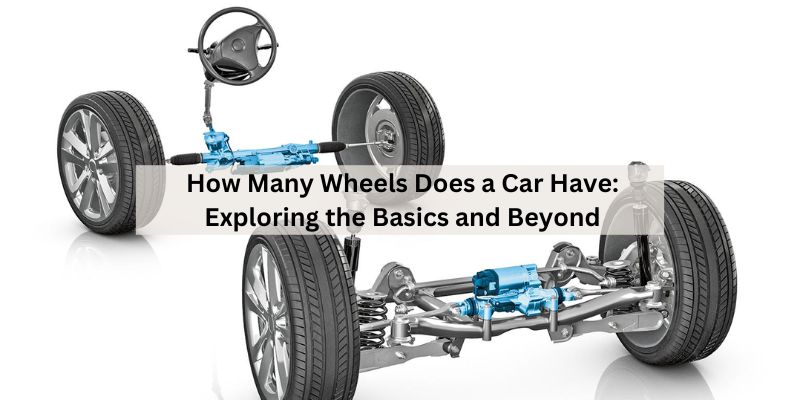
When you think of a car, you probably picture four wheels—two in the front, two in the back. That’s the standard setup for most cars on the road today. I’ve driven sedans, SUVs, and trucks, and they all follow this pattern. Four wheels provide a perfect balance of stability, traction, and maneuverability for everyday driving.
Why four? It’s about physics. Four contact points with the ground give a car enough support to handle turns, bumps, and stops without tipping over. I remember my first car, a beat-up old hatchback. Its four wheels got me through snowy winters and long road trips without a hitch. Most passenger cars, from compact models to luxury sedans, stick to this tried-and-true design. But, as I learned, not every car follows this rule.
Exceptions to the Four-Wheel Rule
The more I explored, the more I found cars that break the four-wheel mold. Some have fewer wheels, others have more. Let’s look at a few exceptions that caught my attention.
Three-Wheel Cars
Believe it or not, some cars roll on just three wheels. These are often called trikes or three-wheelers. I came across a few examples, like the Reliant Robin, a quirky British car from the 1970s. It has one wheel in the front and two in the back, giving it a unique, almost motorcycle-like vibe. I saw one at a car show once, and it was a head-turner—partly because it looked like it might tip over in a sharp turn!
Three-wheel cars are rare because they’re less stable than four-wheelers. But they’re lighter and often more fuel-efficient. Modern versions, like the Morgan 3 Wheeler, are built for fun, with sleek designs and sporty handling. They’re not for everyone, but they show how creative carmakers can get.
Six-Wheel Cars and Beyond
On the other end, some vehicles have six or more wheels. I’m talking about specialty cars or trucks, like certain off-road vehicles or limousines. For example, some luxury limos add an extra axle to support their long bodies, giving them six wheels. I once saw a six-wheel pickup truck at an auto show—it was a beast, built for heavy-duty tasks like towing massive loads.
Then there are extreme cases, like concept cars or custom builds with eight or more wheels. These are usually for show or specific purposes, like desert racing. They’re not practical for daily driving, but they’re a blast to see in action.
Why the Number of Wheels Matters
You might be wondering why the number of wheels is such a big deal. I used to think it was just about looks, but it’s more than that. The number of wheels affects a car’s performance, safety, and purpose.
Four wheels are the sweet spot for most cars because they balance stability and efficiency. Three wheels make a car lighter but trickier to handle, especially at high speeds. More wheels, like six or eight, add strength for heavy loads but increase weight and fuel use. When I was shopping for an SUV, I learned that four-wheel-drive systems use all four wheels for better traction, which is why they’re great for off-roading or bad weather.
The number of wheels is also tied to a car’s design goals. A sports car needs four wheels for grip and speed, while a three-wheeler might aim for agility and fun. It’s all about what the car is built to do.
Spare Wheels and Temporary Solutions
Now, let’s talk about spare wheels—they’re part of the wheel count conversation too. Most cars come with a spare tire in the trunk, often called a “donut” if it’s a smaller, temporary tire. I’ve had to use a spare a couple of times after hitting nails on the road. That spare tire technically adds a fifth wheel to your car, even if it’s not in use.
Some cars, especially newer models, skip the spare to save space and weight. Instead, they include a tire repair kit with sealant and a compressor. I was skeptical when I got a car without a spare, but the repair kit saved me during a flat tire on a rural road. It’s worth checking what your car has—knowing your setup can save you a headache later.
Wheels in Electric and Hybrid Cars
Electric cars (EVs) and hybrids caught my interest because they’re changing the car world. Most EVs, like my friend’s Tesla, stick to four wheels for the same reasons as gas-powered cars—stability and traction. But some experimental EVs push the boundaries. I read about concept EVs with three wheels to cut weight and boost efficiency, like the Aptera, a solar-powered three-wheeler that looks like it’s from the future.
What’s cool about EVs is how they use wheels for performance. Some high-end models, like the Tesla Model S Plaid, have four-wheel drive with motors at each wheel. This gives insane acceleration and control. I got to ride in one, and the way it hugged the road was unreal. The number of wheels still matters, even in these high-tech rides.
Specialty Vehicles and Wheel Counts
Not all vehicles we call “cars” are standard passenger vehicles. I’ve come across some wild examples that stretch the definition. For instance, golf carts often have four wheels, but some have six for extra stability on hilly courses. I drove one at a resort, and it felt like a mini car!
Then there are recreational vehicles like dune buggies or side-by-sides. Most have four wheels, but I’ve seen custom three-wheel buggies built for dunes. These specialty vehicles show how wheel count depends on the job, whether it’s racing, hauling, or just cruising around.
Wheel Configurations and Their Impact
The way wheels are arranged matters as much as the number. I learned this when comparing front-wheel drive, rear-wheel drive, and all-wheel drive cars. In a four-wheel car, the drivetrain decides which wheels get power. My old coupe was rear-wheel drive, great for sporty handling but slippery in snow. My current SUV is all-wheel drive, which uses all four wheels for grip in tough conditions.
Three-wheelers often have power to the rear wheels, with the front wheel steering. Six-wheel vehicles might power four or all six wheels, depending on the design. I once drove a friend’s off-road truck with a six-wheel setup, and it climbed hills like nothing I’d ever seen. The configuration affects how the car feels and performs, so it’s worth understanding.
Common Wheel-Related Questions
When I started digging into this topic, I realized people have lots of questions about wheels. Here’s a quick rundown of what I’ve learned:
- Dual wheels: Some trucks, like heavy-duty pickups, have dual rear wheels (four wheels on one axle) for extra load capacity. These are called “dually” trucks, and I’ve seen them haul massive trailers with ease.
- Wheel size: Bigger wheels look cool, but can make the ride rougher. My friend swapped his car’s wheels for larger ones, and he felt every bump!
- Temporary wheels: That spare “donut” tire is smaller to save space, but shouldn’t be driven fast or far. I learned this after limping home on one at 30 mph.
These details might seem small, but they’ve helped me appreciate how wheels shape a car’s character.
Maintenance Tips for Your Car’s Wheels
Keeping your wheels in good shape is key to a safe ride. I’ve learned a few tricks over the years to keep mine rolling smoothly:
- Check tire pressure monthly: Low pressure can wear out tires and hurt fuel economy. I use a digital gauge for quick checks.
- Rotate tires regularly: Every 5,000-8,000 miles helps them wear evenly. I noticed my tires lasted longer after I started doing this.
- Inspect for damage: Look for cracks or bends in the wheels, especially after hitting potholes. I once found a bent rim that was causing a vibration.
- Keep a spare or repair kit: Make sure your spare tire or repair kit is ready to go. I check mine every few months to avoid surprises.
These habits keep your wheels—whether three, four, or more—ready for the road.
Why Wheels Are the Heart of Your Car
Wheels do more than just roll. They connect your car to the road, affecting everything from speed to safety. I’ve come to appreciate how much thought goes into a car’s wheel design. Whether it’s a three-wheeler built for fun or a six-wheel monster for heavy work, the number and setup of wheels define what a car can do.
When I started paying attention to wheels, I noticed details I’d overlooked—like how my SUV’s all-wheel drive grips better in rain or how a spare tire saved me from being stranded. Wheels might seem simple, but they’re a big part of what makes driving fun and safe.
Conclusion
So, how many wheels does a car have? For most of us, the answer is four, but exploring this question opened my eyes to a world of variety. From quirky three-wheelers to heavy-duty six-wheel trucks, the number of wheels shapes a car’s purpose and personality. I’ve loved diving into this topic, sharing stories from my drives and discoveries. Whether you’re cruising in a standard sedan or dreaming of a futuristic EV, understanding wheels helps you appreciate your ride even more. So next time you hop in your car, take a moment to think about those wheels spinning beneath you—they’re doing more than you might think! Grab your keys, hit the road, and enjoy the journey with confidence.
FAQs
Do all cars have four wheels?
Most cars have four wheels for stability and balance, but some, like three-wheelers or six-wheel trucks, are exceptions.
What’s a three-wheel car like to drive?
They’re lightweight and agile but less stable than four-wheel cars. They’re fun for short drives but tricky in sharp turns.
Why do some trucks have six wheels?
Extra wheels add strength for carrying heavy loads or towing. They’re common in heavy-duty pickups or limos.
Does a spare tire count as a wheel?
Yes, it’s a fifth wheel, but it’s only used temporarily if you get a flat.
Are there cars with more than six wheels?
Yes, some custom or concept vehicles have eight or more, usually for show or extreme tasks like desert racing.
How do I know if my car’s wheels are safe?
Check tire pressure monthly, inspect for damage, and rotate tires regularly to ensure they’re in good shape.