How Many Brake Calipers Does A Car Have? Simply Explained
It’s a common question when you’re thinking about car maintenance: how many brake calipers does a car have? You might be staring at a repair bill or just trying to get a handle on how your vehicle works. It can feel a bit confusing with all the parts involved in stopping your car.
But understanding this simple aspect of your braking system can give you peace of mind and help you stay safe on the road. Let’s break it down in a way that makes sense.
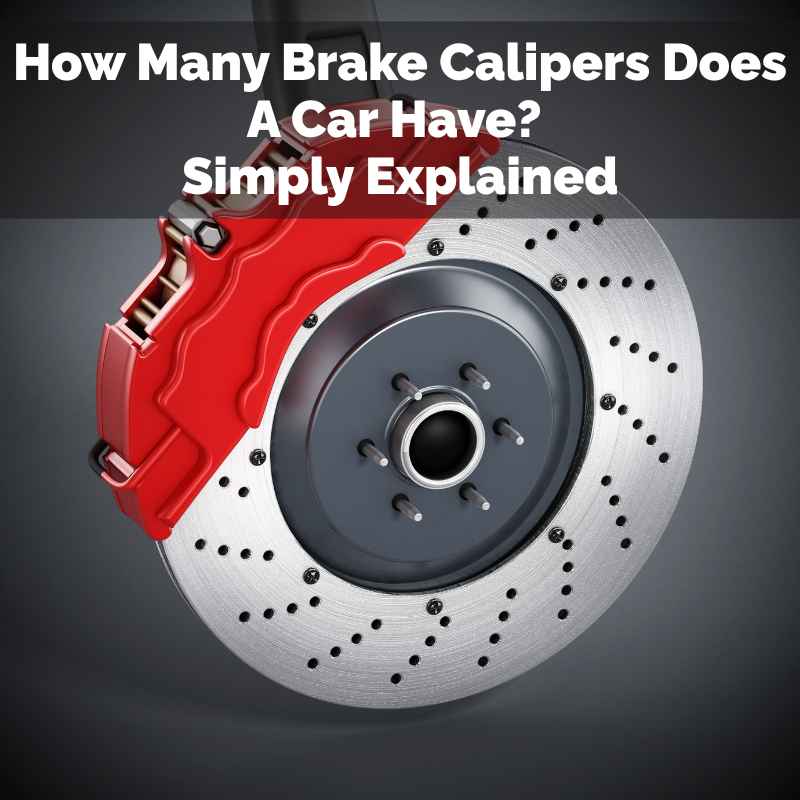
A typical car has four brake calipers, with one caliper for each wheel. These essential components work with brake pads to slow and stop your vehicle by clamping onto the brake rotor. Having a caliper at each wheel ensures balanced and effective braking.
Understanding Your Car’s Brakes
When you press the brake pedal, a chain reaction starts. This reaction is what makes your car slow down. It’s a pretty clever system.
First, the pedal pushes fluid through brake lines. This fluid then travels to each wheel. At each wheel, a caliper is waiting.
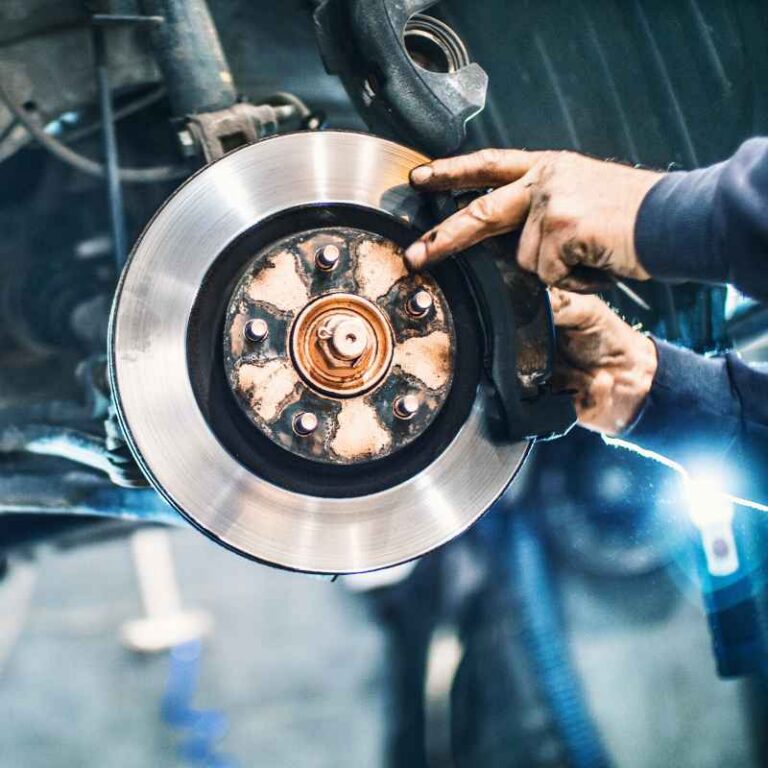
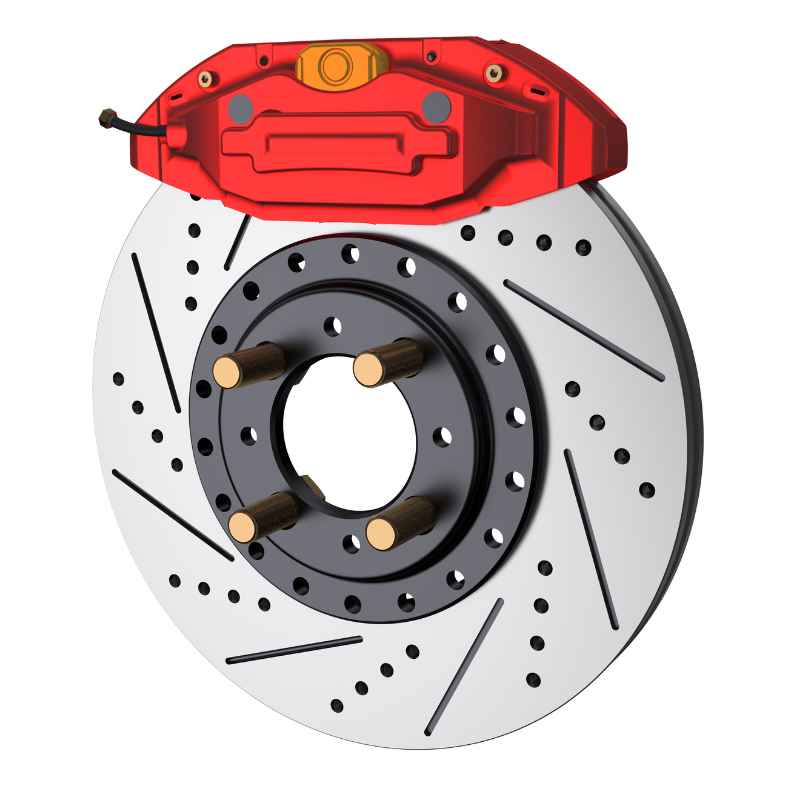
The fluid pressure pushes pistons inside the caliper. These pistons squeeze the brake pads. The pads then press against a spinning metal disc, called a rotor.
This friction is what creates the stopping power. It’s a constant battle against motion. This system has to work perfectly every time you need it.
The number of brake calipers is directly tied to the number of wheels that have disc brakes. Most modern cars use disc brakes on all four wheels. This is for good reason.
It provides the best stopping performance. It allows for more even pressure. This helps prevent your car from pulling to one side when you brake hard.
So, when we talk about the number of calipers, we’re usually talking about the wheels that are equipped with this type of braking technology.
My Own Brake Caliper Scare
I remember one time, years ago, when I was driving home late from a friend’s house. It was a dark, rainy night. Suddenly, I heard a weird grinding sound from my front passenger side wheel.
It wasn’t just a little noise; it was loud and alarming. My car started pulling to the left when I braked, even just a little. My heart sank.
I immediately thought the worst: “My brakes are failing!” I pulled over safely to the side of the road, hands shaking a bit. I didn’t know much about car parts back then, but I knew brakes were super important. That night, I learned firsthand how crucial every single part of the braking system is, and how scary it is when something feels wrong.
It turned out to be a sticky caliper, but the panic felt very real. It drove home for me how essential it is to know these things about your car.
Quick Brake Caliper Facts
What it is: A device that holds brake pads and uses hydraulic pressure to press them against a brake rotor.
How it works: Pistons inside the caliper are pushed out by brake fluid, forcing the pads to clamp the rotor.
Why it matters: Essential for creating the friction needed to slow or stop your vehicle.
Why Four Calipers Make Sense
Having a brake caliper at each of the four wheels provides several benefits. First, it offers balanced stopping power. This means your car stops in a straight line.
It doesn’t veer off to one side. This is super important for safety. Imagine if your car swerved every time you hit the brakes.
That would be incredibly dangerous. Four calipers help distribute the braking force evenly across all wheels.
Second, it allows for more braking pressure. With a caliper on each wheel, you can apply significant force. This force is needed to stop a moving vehicle effectively.
Think about how much weight and speed your car has. It needs a robust system to counteract that. Four calipers work together to achieve this.
Finally, it helps with heat dissipation. Braking creates a lot of heat. This heat needs to escape.
Having multiple calipers and rotors allows the system to manage this heat better. This prevents the brakes from overheating, which can reduce their effectiveness. Overheated brakes are a serious safety risk.
They are often called “brake fade.”
The Role of Brake Pads and Rotors
While we’re talking about calipers, it’s good to remember their partners: brake pads and rotors. The caliper is like the hand that squeezes. The brake pads are the soft material that actually touches the rotor.
They wear down over time. This is why they need to be
The condition of your pads and rotors is just as important as the caliper itself. If pads are worn too thin, they can’t create enough friction. If rotors are damaged or warped, they won’t make good contact.
This means the caliper, even if working perfectly, won’t be able to stop the car as well as it should. It’s a complete system working together.
Common Brake System Parts
- Brake Pedal: What you push to stop.
- Brake Lines: Tubes carrying brake fluid.
- Brake Fluid: The liquid that transfers pressure.
- Master Cylinder: Converts pedal force to fluid pressure.
- Brake Caliper: Holds the pads and pushes them.
- Brake Pads: Friction material that contacts the rotor.
- Brake Rotor: The spinning metal disc.
Are There Any Cars with Fewer Than Four Calipers?
In very rare cases, you might find older or very specific types of vehicles that don’t have four calipers. For instance, some older cars might have had drum brakes on the rear wheels instead of disc brakes. Drum brakes have a different mechanism.
They use brake shoes that expand outward inside a drum. These systems are less common now. They often don’t offer the same level of performance as disc brakes.
Also, some very basic or special-purpose vehicles might be designed differently. Think about things like golf carts or small utility vehicles. They might not need the robust braking system of a full-sized car.
However, for any standard passenger car, SUV, or truck driven on public roads, you can expect disc brakes and thus calipers on all four wheels.
Variations: Performance Brakes
On high-performance cars, you might see something called “multi-piston calipers.” These aren’t more calipers in terms of wheel count, but rather a more complex caliper design. Instead of one or two pistons pushing the brake pad, these calipers might have four, six, or even eight pistons. This allows for more even pressure distribution across a larger brake pad.
It also provides greater clamping force. This is important for stopping powerful sports cars quickly from high speeds.
These advanced calipers are designed to handle extreme conditions. They can dissipate heat more effectively. They offer very precise control.
So, while the number of calipers per wheel stays the same (one caliper assembly per wheel), the design of that caliper can be much more sophisticated on performance vehicles. This is an example of engineering focused on achieving the highest levels of braking performance.
Calipers vs. Drums
Disc Brakes (Calipers):
- Mechanism: Pads squeeze a rotor.
- Performance: Generally better stopping power and heat dissipation.
- Maintenance: Pads wear out, rotors can warp or wear.
- Commonality: Standard on most modern cars for front and rear wheels.
Drum Brakes:
- Mechanism: Shoes expand inside a drum.
- Performance: Can be less effective, especially when wet or hot.
- Maintenance: Shoes wear out, drums can wear or crack.
- Commonality: Found on older cars, often on rear wheels only.
When to Check Your Calipers
How often should you think about your brake calipers? The best approach is regular maintenance. Most car manufacturers recommend a brake inspection at least once a year.
Or they suggest it every 12,000 miles. Your mechanic will check the entire system. This includes the calipers, pads, rotors, and fluid.
They can spot problems early.
You should also be aware of certain signs. These can indicate an issue with your brake calipers. Unusual noises are a big one.
Squealing, grinding, or clicking sounds when you brake can mean trouble. A car pulling to one side when braking is another warning sign. This suggests uneven pressure, possibly from a stuck caliper.
A spongy brake pedal or a pedal that sinks to the floor is serious. It could mean a fluid leak or a problem with the master cylinder or calipers. A burning smell after braking is also a concern.
It might mean a caliper is sticking and causing excessive friction.
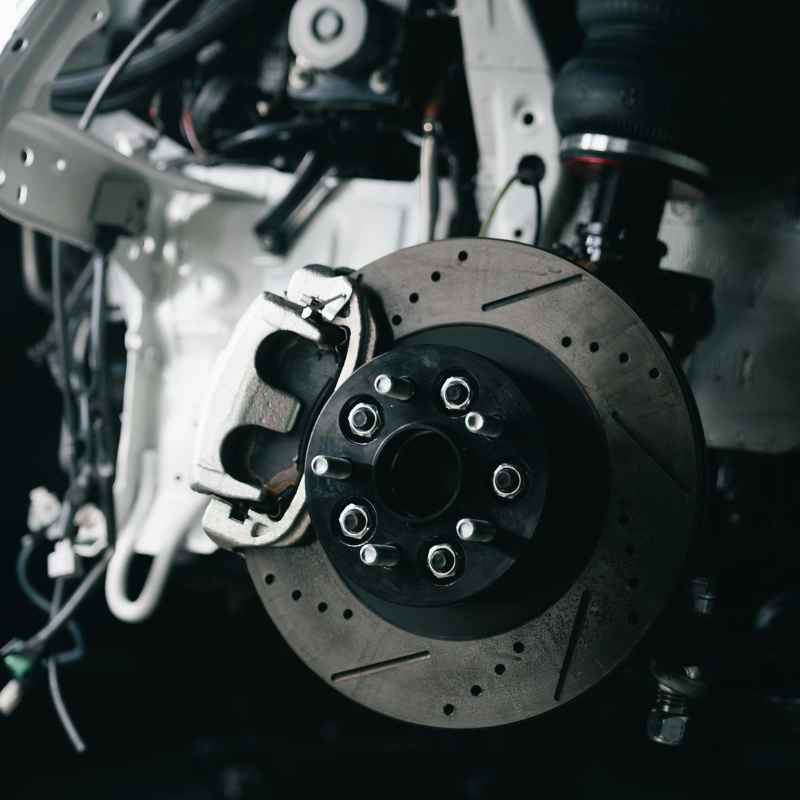
It’s important to note that calipers themselves don’t wear out like brake pads do. They are made of strong metal. However, they can seize or stick.
This happens due to rust or debris buildup. It can also happen if the rubber seals inside the caliper become damaged. This damage can let dirt and moisture in.
When a caliper sticks, it can cause the brake pad to constantly drag on the rotor. This wears down the pad and rotor prematurely. It also affects your car’s performance and fuel economy.
Plus, it can overheat the brake components, creating a safety hazard.
Signs of Brake Caliper Problems
- Squealing or Grinding Noises: Especially when braking.
- Car Pulling to One Side: When you apply the brakes.
- Spongy or Soft Brake Pedal: Feels less firm than usual.
- Burning Smell: A hot, acrid smell after driving.
- Reduced Fuel Efficiency: If a caliper is stuck.
- Uneven Brake Pad Wear: One pad wears out much faster.
My Experience with a Sticking Caliper
So, back to that rainy night scare. I described the noise and the pulling. When the mechanic took a look, he showed me what was going on.
The brake pads on my front passenger side were worn down almost completely. The rotor looked a bit scored, too. He explained that the caliper on that side had been sticking.
It wasn’t releasing the brake pad properly. So, the pad was constantly rubbing against the rotor. It felt like I was driving with the brake slightly on all the time.
He showed me how the piston inside the caliper wasn’t moving back freely. It was rusted in place a bit. He said that over time, dirt and water can get past the seals.
This causes corrosion. The piston gets stuck. This then causes the pad to wear down much faster than the one on the other side.
He had to replace the caliper, the brake pads, and the rotor on that wheel. It was a good lesson. It showed me that even if you have four calipers, one problem can affect the whole system.
And it really highlighted how important it is to listen to your car. That strange noise was my car’s way of telling me something was wrong.
What Does This Mean For You?
Knowing that your car likely has four brake calipers is empowering. It means you have a well-balanced braking system. This is designed for safety and performance.
If you drive a standard car, SUV, or truck, you have one caliper assembly at each wheel. Each one plays a vital role.
When it comes to maintenance, think of your brakes as a team. All four calipers work together. If one isn’t functioning correctly, it puts extra strain on the others.
It also compromises your car’s ability to stop safely. Regular check-ups by a trusted mechanic are the best way to ensure all four are in good working order. They can catch small issues before they become big, expensive, or dangerous problems.
Don’t ignore warning signs. Those noises or changes in how your car drives are important signals. They are your car’s way of communicating.
Learning about these parts helps you understand what those signals might mean. It helps you make informed decisions about your car’s care. This leads to safer drives for you and everyone else on the road.
Calipers & Your Safety Checklist
- Regular Inspections: Get brakes checked annually or per manufacturer’s schedule.
- Listen to Your Car: Pay attention to any new or unusual noises.
- Feel the Brakes: Notice if the pedal feels different or the car pulls.
- Watch for Warning Lights: Dashboard lights often indicate brake issues.
- Don’t Delay Repairs: Address brake problems promptly.
Quick Tips for Brake Care
Taking care of your brakes doesn’t have to be complicated. Here are a few simple things you can do. First, be gentle with your brakes when you can.
Avoid slamming on the brakes unless it’s an emergency. This reduces wear and tear. Second, keep an eye on your tire pressure.
Properly inflated tires can help with overall vehicle performance, including braking.
Third, when you get your oil changed or have other routine service done, ask the mechanic to check your brakes. It’s a quick visual inspection that can catch issues early. They can tell you if your pads are getting low or if there’s any sign of a leak or sticking caliper.
Finally, if you notice any changes, no matter how small, get it checked out. It’s always better to be safe than sorry when it comes to your brakes.
Frequently Asked Questions
How many brake calipers does a standard car have?
A standard car typically has four brake calipers, with one located at each wheel.
What is the main job of a brake caliper?
The main job of a brake caliper is to hold the brake pads and press them against the brake rotor when you apply the brakes. This creates the friction needed to slow or stop the car.
Can a brake caliper get stuck?
Yes, a brake caliper can get stuck. This usually happens due to rust, dirt, or damage to the seals, which prevents the piston from retracting properly.
What happens if a brake caliper is stuck?
If a brake caliper is stuck, it can cause the brake pad to constantly rub against the rotor. This leads to excessive wear on the pads and rotor, reduced fuel economy, and can even overheat the brakes, causing them to fail.
Do all wheels have calipers?
On most modern cars with disc brakes on all four wheels, yes, all wheels will have a brake caliper assembly.
How often should brake calipers be inspected?
Brake calipers, along with the rest of your braking system, should be inspected regularly. Most mechanics recommend checking them at least once a year or every 12,000 miles as part of routine maintenance.
What are multi-piston calipers?
Multi-piston calipers are found on performance vehicles. They use more than the standard one or two pistons to apply pressure to the brake pads, offering stronger clamping force and better heat management.
Final Thoughts on Your Brakes
So, the simple answer to how many brake calipers a car has is usually four. Each one is a critical part of your car’s safety system. Understanding their role, along with the pads and rotors, gives you a better picture of how your car stops.
Regular checks and listening to your car will keep those four hardworking calipers doing their job reliably for miles to come.
Products related to this article
Sponsored / affiliate links. As an Amazon Associate I earn from qualifying purchases. I may earn additional commission from eligible campaigns.